Radicchio — health benefits and uses
Italian tradition uses bitter chicories to support the liver and digestion.
The Short Answer
Radicchio is a nutrient-dense chicory that provides 102 mcg of Vitamin K per 2-cup serving, which is over 80% of the Daily Value. It is also a significant source of inulin-type fructans, a prebiotic fiber that supports gut health.
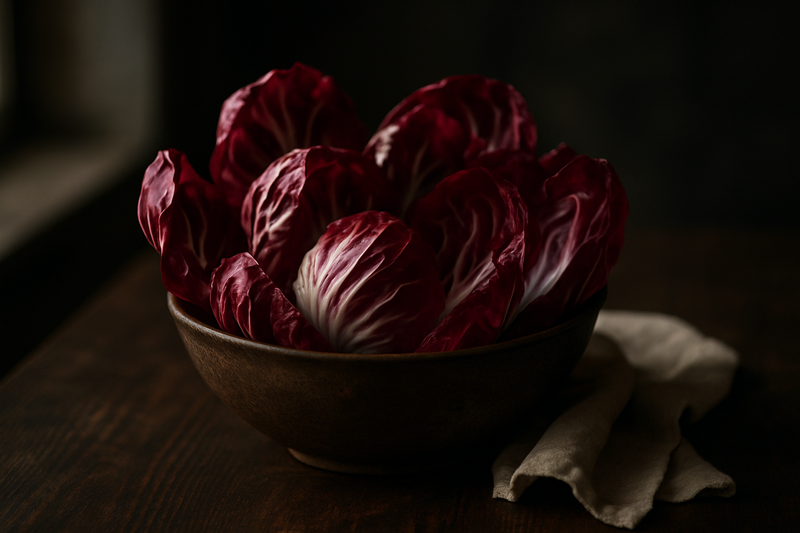
Radicchio · Photograph
Discover the radicchio health benefits backed by research — from antioxidants and gut support to vitamin K and heart health. Learn how to eat more of this bold Italian chicory, raw or grilled, as part of a whole-food, plant-based diet.
Key Nutrients
% Daily Value based on 2,000 cal diet
Key active compounds in radicchio
- Anthocyanins — Red-to-purple flavonoid pigments (a subgroup of polyphenols) responsible for radicchio's deep color. Research on anthocyanins broadly shows antioxidant activity and potential support for vascular health.
- Flavonoids — A large and diverse family of polyphenols found in radicchio leaves that contribute to radical-scavenging activity and may modulate inflammatory signaling pathways in cells.
- Total polyphenols — Radicchio varieties contain approximately 338–386 mg of polyphenolic compounds per 100 g, placing it among the most antioxidant-rich salad vegetables available.
- Inulin-type fructans — Fermentable, fructose-based carbohydrate chains that act as prebiotic fibers (food for beneficial gut bacteria). Radicchio belongs to the chicory family, which is the richest known dietary source of inulin.
- Vitamin K (phylloquinone) — A fat-soluble vitamin critical for activating proteins involved in blood clotting and bone mineral density.
- Vitamin C — A water-soluble antioxidant that supports immune defense, collagen production, and iron absorption.
- Folate (Vitamin B9) — A B-vitamin required for DNA synthesis and healthy red blood cell formation.
- Vitamin E (tocopherol) — A fat-soluble antioxidant that protects cell membranes from oxidative damage.
Buying guide: choosing and storing radicchio
Since buying quality radicchio affects both flavor and nutritional value, here's what to look for:
Fresh radicchio (best choice): Look for tight, compact heads with vibrant deep-red or magenta leaves and white ribs. Avoid heads with brown edges, wilting, or slimy leaves. Chioggia (round) is the most widely available variety; Treviso (elongated) tends to be slightly less bitter and is excellent for grilling. Store unwashed in a loose plastic bag in the crisper drawer for up to one week.
Pre-washed/shredded bags: Convenient for salads, but check the use-by date carefully — once cut, radicchio oxidizes faster. These are fine for everyday use but may have slightly reduced polyphenol content compared to fresh-cut whole heads.
Frozen: Radicchio is rarely sold frozen, and freezing significantly changes the texture (it becomes very soft), making it suitable only for cooked applications like soups or sautéed dishes. Nutritional loss with freezing is modest.
Supplements and extracts: Standardized radicchio supplements are not widely available or well studied in humans. If you see "chicory root" supplements, note that these primarily provide inulin fiber and are not equivalent to eating whole radicchio leaves.
Label tip: True Italian radicchio varieties (Chioggia, Treviso, Verona) will often be labeled by variety name at specialty grocers. The more generic "red chicory" at supermarkets is nutritionally similar.
How to use radicchio: salads, grilling, and beyond
Prep and pairing ideas
Raw in salads: Shred or tear radicchio and combine with milder greens (romaine, butter lettuce, arugula) to balance the bitterness. A dressing with good acidity — lemon juice, balsamic vinegar, or red wine vinegar — and a healthy fat like extra-virgin olive oil helps mellow the bite and improves absorption of fat-soluble vitamins K and E.
Grilled wedges: Cut Chioggia or Treviso radicchio into quarters or halves through the core (so the leaves stay together), brush lightly with olive oil, and grill over medium-high heat for 3–4 minutes per side. The heat caramelizes natural sugars and significantly reduces perceived bitterness. Drizzle with balsamic glaze and top with toasted walnuts for a simple side dish.
Sautéed or braised: Heat olive oil in a pan, add sliced radicchio, and cook with garlic, a pinch of salt, and a small splash of balsamic or white wine. Serve as a side to whole grains or legumes. Cooking reduces some water-soluble vitamin C, but preserves fat-soluble vitamins and most polyphenols well.
Three practical pairings:
- Radicchio + orange + walnut — The sweetness of citrus and the fat in walnuts counteract bitterness while improving absorption of fat-soluble nutrients. A classic Italian combination.
- Radicchio + white beans + olive oil — Combines the prebiotic fructans in radicchio with the soluble fiber in beans for a gut-microbiome-supportive meal with plant-based protein.
- Radicchio + roasted beets + goat cheese or tofu — The earthiness of beets and the creamy element balance radicchio's sharp edge; beets add complementary anthocyanins for a double antioxidant punch.
Bottom line
Radicchio is a genuinely impressive leafy vegetable — low in calories, high in vitamin K, and among the richest commonly available salad greens for total antioxidants and polyphenols. Its inulin-type fructans offer prebiotic benefits for gut health, and its overall nutrient profile supports heart health, cellular defense, and a healthy inflammatory response as part of a balanced diet.
The research on radicchio specifically is still developing — most clinical trials are on related chicory compounds or broad vegetable patterns rather than radicchio leaves as a food. That means the benefits are real and plausible, but shouldn't be overstated. Think of radicchio less as a "superfood" cure and more as an excellent, underused tool in your vegetable rotation.
Grill it, shred it, pair it with citrus or white beans, and eat it regularly. That's the evidence-aligned approach.
How Radicchio Compares
| Compared with | What's different |
|---|---|
| Radicchio vs. Red Cabbage | Radicchio is a bitter, reddish-purple chicory; red cabbage is a crunchy, sweeter brassica. |
| Radicchio vs. Belgian Endive | Radicchio has broad, cup-shaped leaves; Belgian endive is pale, small, and torpedo-shaped. |
| Radicchio vs. Red Leaf Lettuce | Radicchio is much more bitter and firm, while radicchio-colored lettuce is mild and soft. |
Health Benefits
Things to Know
Warfarin and vitamin K–antagonist anticoagulants: Radicchio's vitamin K content (102 mcg per cup, or 128% of the daily value) can interfere with warfarin's blood-thinning effect. You don't necessarily need to avoid it — but keep your intake consistent from week to week and discuss it with your prescriber.
Chicory and Asteraceae family allergy: Radicchio is closely related to chicory, endive, and dandelion. People with known allergies to these plants or to the broader Asteraceae (daisy) family should be cautious and consult an allergist.
IBS and FODMAP sensitivity: Inulin-type fructans are classified as FODMAPs. Larger portions of radicchio may cause gas, bloating, or cramping in people with IBS. Start small and assess your tolerance.
Kidney disease: People with advanced kidney disease who need to manage potassium intake should be mindful that radicchio (like most vegetables) contributes potassium. A single cup provides a modest 121 mg, but intake should be considered in the context of total daily potassium.
Oxalate-related kidney stones: Radicchio is not a major oxalate source (unlike spinach), but if you have a history of calcium oxalate kidney stones, your dietitian may want to monitor overall leafy green intake.
Pregnancy: Radicchio is safe during pregnancy in food amounts. Its folate content is a bonus. Avoid concentrated extracts or herbal preparations.
Digestive medications and laxatives: The prebiotic fiber in radicchio may alter bowel patterns; if you use these medications regularly, adjust radicchio intake carefully and monitor your response.
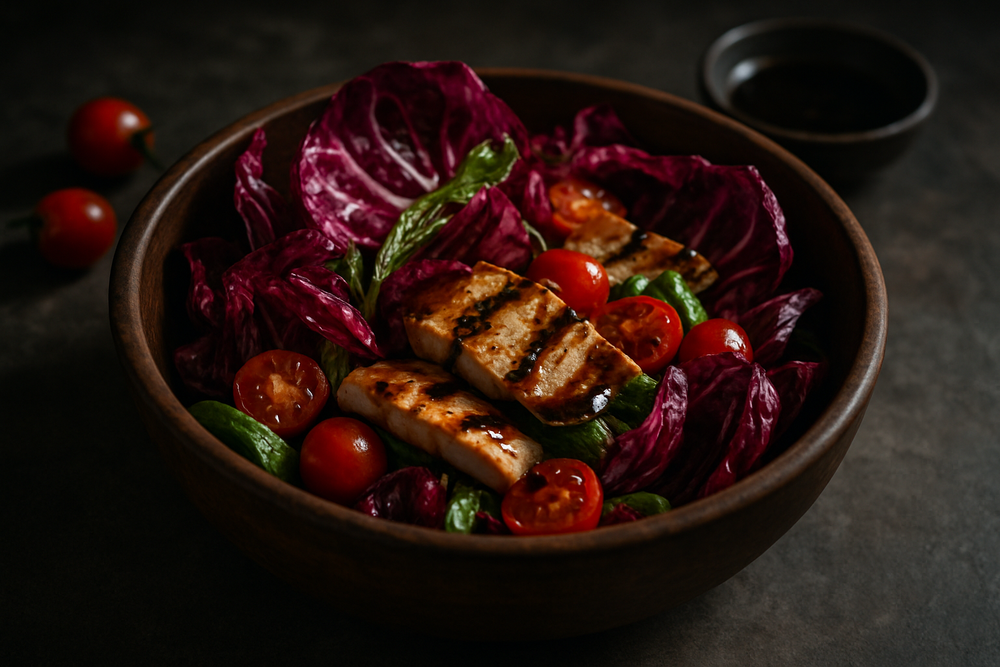
Prep Ideas
- — **Radicchio + orange + walnut** — The sweetness of citrus and the fat in walnuts counteract bitterness while improving absorption of fat-soluble nutrients. A classic Italian combination.
- — **Radicchio + white beans + olive oil** — Combines the prebiotic fructans in radicchio with the soluble fiber in beans for a gut-microbiome-supportive meal with plant-based protein.
- — **Radicchio + roasted beets + goat cheese or tofu** — The earthiness of beets and the creamy element balance radicchio's sharp edge; beets add complementary anthocyanins for a double antioxidant punch.
Glossary
Shop This Ingredient
Stock your pantry with quality radicchio.
Buy on AmazonAs an Amazon Associate, Plantopedia earns from qualifying purchases. This costs you nothing extra and helps us keep the encyclopedia free.
Frequently Asked Questions
The following sections break down what the research currently says. Where human clinical trials on radicchio specifically are lacking, that's clearly noted — because honest framing matters more than inflated claims. Heart and circulation Radicchio contributes several nutrients associated with cardiovascular support: potassium (which helps regulate blood pressure), folate (which supports healthy homocysteine metabolism — homocysteine is an amino acid that, when elevated, is considered a cardiovascular risk marker), and antioxidant vitamins C and E. Its high polyphenol and anthocyanin content adds antioxidant activity that may help counter oxidative stress, a process implicated in arterial damage over time. Broader population studies consistently link higher intake of leafy vegetables and polyphenol-rich produce with lower cardiovascular risk. Inulin-type fructans from chicory have also been shown in some human studies to modestly improve blood lipid profiles — though those studies typically use concentrated chicory root supplements at doses much higher than a salad serving of radicchio would provide. There are no clinical trials that test radicchio alone on blood pressure, cholesterol, or cardiac events. The honest takeaway: radicchio is an excellent addition to a heart-supportive eating pattern, but it's not a stand-alone therapy. Digestive health and the gut microbiome This is one of radicchio's most interesting areas. As a chicory-family vegetable, radicchio contains inulin-type fructans — a class of prebiotic fibers (non-digestible plant compounds that selectively feed beneficial gut bacteria, particularly bifidobacteria). Human studies on inulin and chicory-derived fructans show improvements in stool frequency, gut microbiome composition, and markers of colonic environment when consumed at supplemental doses (typically 5–20 g/day). A single cup of radicchio provides far less inulin than a concentrated supplement, so digestive effects are likely gentle rather than dramatic. That said, consistent inclusion of radicchio alongside other fiber-rich vegetables does contribute to overall dietary fiber diversity — and fiber diversity is increasingly recognized as important for a resilient gut microbiome. Important caveat: people with irritable bowel syndrome (IBS) or sensitivity to FODMAPs (fermentable carbohydrates that can trigger bloating and gas in sensitive individuals) may find chicory-family vegetables like radicchio uncomfortable in larger portions. Start with small amounts and monitor your response. Blood sugar and metabolism Radicchio is very low in carbohydrates and calories, with a minimal glycemic impact (meaning it causes little rise in blood sugar). Its inulin-type fructans may contribute modestly to slower glucose absorption, and diets rich in non-starchy vegetables are consistently associated with better blood sugar regulation in population studies. That said, no human clinical trials have specifically tested radicchio on blood glucose, insulin resistance, or diabetes outcomes. Benefits in this area should be understood as part of the broader value of eating more non-starchy, fiber-rich vegetables — not as something radicchio does uniquely. Inflammation and recovery Radicchio's antioxidant profile — particularly its anthocyanins and total polyphenols — is genuinely impressive by vegetable standards. In laboratory and cell-based studies, these compounds show anti-inflammatory properties, including reducing the activity of pro-inflammatory molecules. The University of Venice polyphenol analysis found some radicchio varieties ranking among the most phenol-rich vegetables tested. However, no human trials have directly measured radicchio's effect on inflammation markers like C-reactive protein (CRP) or cytokines (signaling proteins involved in the immune response). Evidence at this stage is mechanistic and promising, not yet confirmed by clinical trials. Radicchio likely supports the body's natural anti-inflammatory defenses as part of a polyphenol-rich diet — but it would be an overreach to call it an anti-inflammatory treatment.
There is no established clinical dose for radicchio — it's a whole food, not a supplement. Typical culinary use is 1 to 2 cups (40–80 g) per day, either raw in salads or cooked in a dish. This range comfortably fits within any balanced diet and provides meaningful amounts of vitamin K, antioxidants, and prebiotic fibers without excess. Start low if you're new to bitter greens: Some people find the bitterness of radicchio off-putting at first, and those with IBS or FODMAP sensitivity may notice digestive discomfort if they jump to large portions. Begin with a half cup mixed into a salad alongside other greens and build from there. There's no evidence that eating larger amounts of radicchio (within reason as part of a varied diet) causes harm for most people. The one exception is for people on warfarin: because radicchio is so high in vitamin K, dramatically increasing or decreasing your intake from week to week can affect how well your medication works. The key is consistency, not avoidance — and your healthcare provider or dietitian can help you calibrate this. Curious how radicchio fits into a broader plant-based eating plan? Explore goal-based plant food guides →
Quick Answers
Common questions, answered in a line.
Radicchio is one of the most antioxidant-rich salad vegetables available, containing between 338 and 386 mg of polyphenols per 100 g. These compounds, including anthocyanins and flavonoids, help with radical-scavenging activity and may modulate inflammatory pathways in cells.
Radicchio is a member of the chicory family, which is the richest known dietary source of inulin-type fructans. These fermentable, fructose-based carbohydrate chains act as prebiotic fibers that provide food for beneficial gut bacteria.
Yes, you can grill radicchio by cutting heads into wedges through the core, brushing them with olive oil, and cooking them over medium-high heat for 3–4 minutes per side. Grilling is an excellent preparation method because the heat caramelizes natural sugars and reduces bitterness.
Radicchio is exceptionally high in Vitamin K, providing 102 mcg or 128% of the daily value per cup. This fat-soluble vitamin is critical for bone mineral density and activating proteins involved in blood clotting.
People taking warfarin or other vitamin K-antagonist anticoagulants should be cautious because radicchio's high vitamin K content can interfere with blood-thinning effects. It is recommended to keep intake consistent and consult a healthcare provider.
To reduce the bitterness of radicchio, try grilling or sautéing it to caramelize its natural sugars, or pair it with acidic dressings and healthy fats. Using ingredients like citrus, balsamic vinegar, or walnuts helps balance the sharp flavor profile.
Radicchio contains inulin-type fructans, which are classified as FODMAPs and may cause gas, bloating, or cramping in individuals with IBS. It is best to start with small portions to assess your personal digestive tolerance.
When buying radicchio, look for tight, compact heads with vibrant deep-red or magenta leaves and bright white ribs. Avoid any heads that show signs of browning edges, wilting, or slimy textures.
For Readers in the USA
Local context — sourcing, seasonality, and regional notes.
California is the primary commercial grower of radicchio in the United States, with the peak harvest season typically running from mid-fall through early spring. While it is available year-round due to imports, domestic crops from the Central Coast and Salinas Valley are at their freshest during the cooler months.
You can find radicchio at major US grocery chains like Whole Foods, Trader Joe's, and Safeway, as well as at local farmers markets in the fall and winter. Specialty stores and Italian markets are the best places to find unique heirloom varieties like Treviso or Castelfranco that go beyond the common round Chioggia type.
The USDA Organic label on radicchio ensures it was grown without synthetic pesticides or fertilizers, though radicchio is generally not listed on the "Dirty Dozen" list of high-residue produce. Most commercially available radicchio in the US is sold as whole heads to preserve freshness, but pre-shredded mixes must follow FDA guidelines for bagged leafy greens.
In the US, radicchio is most often featured in Italian-American cuisine, frequently appearing in "tricolor" salads alongside arugula and endive or as a grilled wedge side dish. It has gained popularity in California-style farm-to-table cooking, where its bold color and bitterness are used to contrast with sweet local fruits like citrus or pears.
AI Clinical Review
- Radicchio is accurately presented as very nutrient‑dense for few calories, with vitamin K as a standout nutrient per typical salad‑size servings.
- The discussion of polyphenols (including anthocyanins) is balanced: high content is documented, and benefits are framed within overall dietary patterns rather than as a cure.
- Inulin‑type fructans are correctly described as prebiotic fibers; the article appropriately notes that food amounts offer gentler effects than concentrated chicory/inulin supplements.
- Cooking guidance is practical and evidence‑aligned: grilling/roasting can reduce perceived bitterness while largely preserving fat‑soluble vitamins; some vitamin C loss is expected.
- Direct human trials testing radicchio itself on blood pressure, lipids, glycemic control, or inflammatory markers are limited; most evidence comes from chicory/inulin studies or general vegetable‑rich patterns.
- Antioxidant “rankings” are based on compositional and in‑vitro assays; translating those measurements into disease‑risk reduction in people remains uncertain.
- The idea that bitter flavors stimulate digestion (bile/enzyme secretion) is physiologically plausible but not well established by randomized clinical trials in typical eaters.
- If you take warfarin or other vitamin K–antagonist anticoagulants, keep leafy‑green intake consistent and coordinate any changes with your prescriber rather than avoiding these foods outright.
- People with IBS or FODMAP sensitivity may react to inulin‑type fructans; start with small portions and assess tolerance.
- Those with known allergies to chicory, endive, dandelion, or other Asteraceae family plants should use caution and consult an allergist if unsure.
- Reasonable food amounts are 1–2 cups per day; avoid concentrated extracts unless advised by a clinician. Individuals with advanced kidney disease may need to monitor total dietary potassium, and pregnancy guidance favors food forms over supplements.
Very safe; grilling reduces bitterness.
References
- USDA FoodData Central — Radicchio, raw (nutrition data basis for this article): (fdc.nal.usda.gov)
- MyPlate.gov — Vegetables overview (public health vegetable guidance): (myplate.gov)
- Healthline — Radicchio: Nutrition, Benefits, and Uses (accessible evidence summary): (healthline.com)
- WebMD — Health Benefits of Radicchio (safety and nutrient overview): (webmd.com)
- Precision Nutrition — Radicchio Recipe & Nutrition Encyclopedia (whole-food context): (precisionnutrition.com)
- EatingWell — What Is Radicchio and What Do I Do with It? (culinary and nutrition guide): (eatingwell.com)
- University of Venice (Ca' Foscari) — Polyphenol analysis of Rosa di Verona and Chioggia radicchio varieties (institution-level polyphenol data): (unive.it]=3579&cHash=f8b63d99558f28393b9e2d81aef4117c)
- Nutrition-and-You.com — Radicchio nutrition facts and health benefits (micronutrient detail): (nutrition-and-you.com)
- NutriVerdict — Radicchio, raw: Nutrient Density Profile (antioxidant and micro breakdown): (nutriverdict.net)
- British Journal of Nutrition (2005) — Total antioxidant activity across 40+ vegetables including Chioggia radicchio (referenced via Environmental Nutrition summary): peer-reviewed human-food antioxidant ranking study
Know Your Numbers
Eating healthy is a start. Now get to know your biomarkers.
Food changes bloodwork — inflammation, lipids, blood sugar and nutrient status all respond to what you eat. 59 markers from $59.
- Results in 7–10 days at 2,000+ Quest sites
- Licensed provider reviews every result
- One flat price, no membership, HSA/FSA eligible
Educational information only, not medical advice. Panels are ordered and reviewed through our licensed partner; Plantopedia may earn a commission.