Raw Pecan Halves — health benefits and uses
A native North American nut central to Southern and Indigenous cooking.
The Short Answer
Raw pecan halves are nutrient-dense seeds providing 196 calories and 20.4g of heart-healthy fats per ounce. They are an excellent source of manganese, providing 1.3mg (over 50% DV) to support metabolism and antioxidant defenses.

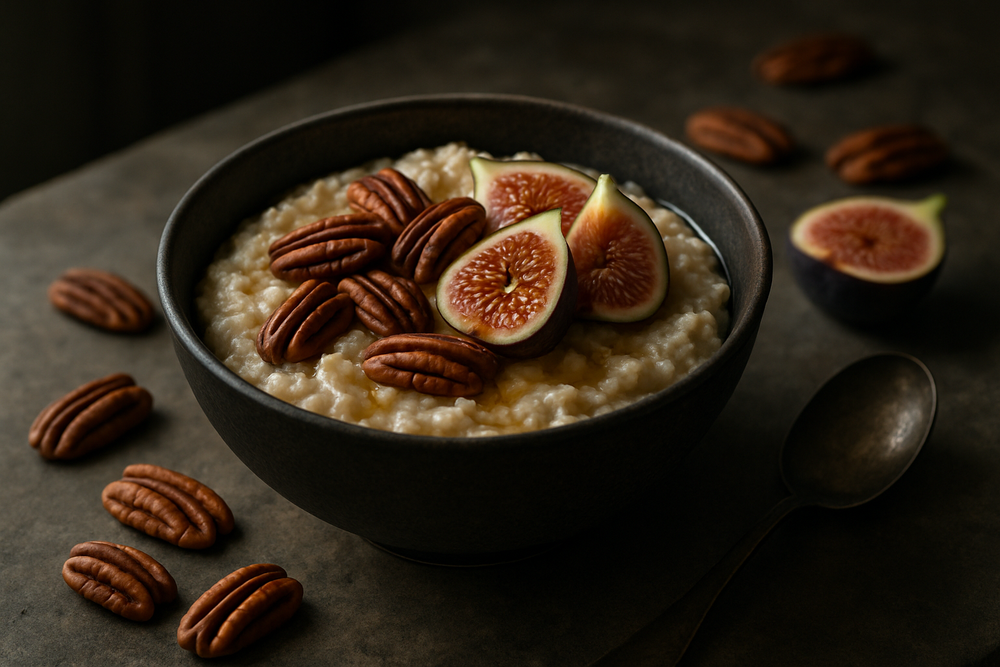
Raw Pecan Halves · Photograph
Discover the health benefits of raw pecan halves, from heart-healthy fats and cholesterol support to antioxidants, fiber, and manganese. Learn how many to eat per day, how to store them, and who should use caution—backed by human clinical trials.
Key Nutrients
% Daily Value based on 2,000 cal diet
Key active compounds
Understanding why pecans may support health starts with what's inside them. Here are the main bioactive (biologically active) constituents:
- Monounsaturated fatty acids (MUFAs): About 11.6 g per oz, mainly oleic acid—the same fat that gives olive oil its reputation. MUFAs are associated with improved LDL cholesterol levels when they replace saturated fats in the diet.
- Polyunsaturated fatty acids (PUFAs): About 6.1 g per oz, primarily omega-6 linoleic acid. PUFAs also support favorable blood lipid profiles and influence inflammatory signaling pathways (the chain of molecular signals that can promote or dampen inflammation in the body).
- Phenolic compounds (including flavonoids and phenolic acids): A large family of plant chemicals with antioxidant properties—meaning they can neutralize free radicals (unstable molecules that can damage cells). Pecan phenolics are concentrated in the papery skin of the nut.
- Phytosterols (e.g., β-sitosterol): Plant-derived compounds structurally similar to cholesterol. Consumed regularly, they can mildly reduce how much cholesterol the gut absorbs from food.
- Vitamin E (tocopherols): A fat-soluble antioxidant that helps protect cell membranes from oxidative damage.
- Manganese: A trace mineral that acts as a cofactor (helper molecule) for antioxidant enzymes, including superoxide dismutase, and is involved in energy metabolism.
Prep and pairing ideas
Raw pecan halves are one of the more versatile nuts in the kitchen. Here are three practical pairings and why they work:
1. Raw pecans + rolled oats in homemade granola Oats provide beta-glucan (a soluble fiber shown to lower LDL cholesterol), and pecans add healthy fats that slow the glycemic response (the rise in blood sugar after eating). Bake at low heat (300–325°F / 150–165°C) to preserve more of the pecans' antioxidant content. Use minimal added sugar and a light hand with oil—the pecans bring plenty of fat on their own.
2. Raw pecan halves + dark leafy greens in a salad Fat-soluble vitamins (A, D, E, K) in greens need dietary fat for absorption. Pecans provide that fat while adding crunch, manganese, and vitamin E. A simple lemon-tahini dressing keeps the whole thing whole food plant-based.
3. Raw pecans + Medjool dates in energy bites Dates supply quick-release carbohydrates and iron; pecans balance the glycemic load with fat and fiber. Blitz in a food processor, roll into balls, and refrigerate. This combination is a practical way to hit the 1.5–2 oz daily dose without feeling like you're eating plain nuts.
For pies and candied clusters, raw pecan halves hold their shape and absorb caramel or maple glaze evenly. Toast briefly (5–7 minutes at 325°F) just before using if you want more depth of flavor without sacrificing much nutrition.
Storing raw pecans to prevent rancidity
Pecans are one of the most oil-rich nuts—and oil goes rancid. Rancidity happens when unsaturated fats oxidize, producing off-flavors and potentially harmful byproducts. Here's how to keep them fresh:
- Room temperature (pantry): Up to 2–4 weeks in an airtight container away from light and heat. Fine for immediate use.
- Refrigerator: 6–9 months in a sealed bag or container. Best for quantities you'll work through in a few months.
- Freezer: Up to 2 years in an airtight freezer bag. The go-to for bulk purchases. Pecans thaw quickly at room temperature and don't need to be thawed before adding to granola or baking.
- Sniff test: Rancid pecans smell like paint, crayons, or old oil. If they smell off, discard them—rancid fats are not beneficial to consume.
Bottom line
Raw pecan halves are one of the better-researched tree nuts for cardiovascular health. Human clinical trials consistently show that eating roughly 1.5–2 oz per day—especially when used to replace less nutritious snacks—can meaningfully improve LDL cholesterol, total cholesterol, and overall diet quality. They're also an outstanding source of manganese, a solid contributor to daily fiber, and carry a rich profile of antioxidant phenolic compounds.
The caveats are real: tree nut allergy is a serious contraindication, energy density demands portion awareness, and the evidence for anti-inflammatory effects and direct blood-sugar control is still inconsistent. Candied and heavily salted forms dilute the benefit. And because pecans' unsaturated fats oxidize quickly, proper cold storage isn't optional—it's part of getting value from the nut.
For most healthy adults following a whole food plant-based diet, raw unsalted pecan halves are a practical, evidence-backed addition to daily eating. Keep them in the freezer, pre-portion into 1 oz bags, and use them where you'd otherwise reach for a processed snack.
How Raw Pecan Halves Compares
| Compared with | What's different |
|---|---|
| Raw Pecan Halves vs. Walnuts | Pecans have a higher fat content and a thinner, buttery texture compared to the woody crunch of walnuts. |
| Raw Pecan Halves vs. Almonds | Pecans provide more fiber and manganese per ounce, while almonds are higher in protein and calcium. |
Health Benefits
Things to Know
Tree nut allergy is serious.: Pecans are a common tree nut allergen and can trigger reactions ranging from mild oral itching to life-threatening anaphylaxis (a rapid, severe allergic reaction). If you have a known or suspected tree nut allergy, avoid pecans entirely and carry your prescribed emergency medication.
Energy density is real.: At ~196 calories per oz, pecans add up quickly. Trials showing no weight gain used pecans as a replacement for other snacks, not an addition on top of existing intake. If you're managing your weight, account for them in your daily calorie budget.
Go slow if your gut is sensitive.: High fat and fiber together can cause bloating, loose stools, or discomfort if you scale up suddenly. Start with ½ oz and work up over a few weeks.
Gallbladder or fat-absorption conditions: People with gallbladder disease, pancreatitis, or fat-malabsorption conditions may need to limit high-fat foods. Check with your provider.
Children and choking risk: Whole pecan halves are a choking hazard for young children. Finely chop before offering them.
No direct drug interactions are documented,: but if you're on a medically prescribed diet for lipid management, diabetes, or weight loss, integrate pecans within your clinician-guided nutrition plan rather than treating them as a separate supplement.
Pregnancy: Pecans are a nutritious whole food and generally safe during pregnancy in typical food amounts, assuming no nut allergy. If you're unsure, discuss with your midwife or OB.
Glossary
Shop This Ingredient
Stock your pantry with quality raw pecan halves.
Buy on AmazonAs an Amazon Associate, Plantopedia earns from qualifying purchases. This costs you nothing extra and helps us keep the encyclopedia free.
Frequently Asked Questions
Heart and circulation This is where the evidence is strongest. Multiple randomized controlled trials (RCTs)—studies that randomly assign participants to different diets and compare outcomes—have examined pecan consumption in adults with elevated cardiovascular risk. In a well-designed 12-week trial, adults at risk of cardiometabolic disease (metabolic and cardiovascular risk factors occurring together) who replaced their usual snacks with 57 g/day of pre-portioned raw, unsalted pecans saw meaningful improvements in triglycerides (blood fats linked to heart risk), total cholesterol, LDL cholesterol ("bad" cholesterol), and non-HDL cholesterol. Their Healthy Eating Index-2020 score—a measure of overall diet quality—rose by 9.4 points. Vascular function (how well blood vessels dilate) did not change significantly, suggesting the benefit is mainly lipid-focused. A separate dose-response trial tested three levels of daily pecan intake in adults with excess body weight and dyslipidemia (abnormal blood fat levels). Only the higher doses—approximately 45.5 g/day and 71 g/day—produced significant reductions in total cholesterol, LDL, ApoB (a protein that carries LDL particles), non-HDL cholesterol, and the total cholesterol to HDL ratio. The lowest intake (15–28 g/day) had no measurable lipid-lowering effect. The takeaway: dose matters, and roughly 1.5–2.5 oz per day appears to be the meaningful range. A trial in patients with stable coronary artery disease (CAD) using 30 g/day for 12 weeks did not significantly change LDL cholesterol specifically, though it suggested possible improvements in other lipid markers. Digestive health and microbiome Each 1 oz serving of raw pecan halves provides 2.7 g of dietary fiber—about 10% of the daily value. Fiber supports stool bulk and regularity, feeds beneficial gut bacteria, and is consistently linked to better digestive function in large observational studies. No pecan-specific trials have yet examined gut microbiome changes or constipation relief directly, so digestive benefits are inferred from fiber content and broader nut research rather than pecan-specific RCTs. If you're adding pecans to increase fiber intake, do so gradually to minimize gas and bloating. Blood sugar and metabolism A randomized trial in overweight and mildly obese adults with central adiposity (excess belly fat) found that a pecan-rich diet providing roughly 42.5 g/day improved insulin resistance (the body's reduced ability to respond to insulin), fasting insulin levels, and beta-cell function (the pancreatic cells that produce insulin). These are meaningful signals for people at elevated metabolic risk. That said, results across studies are inconsistent. Not every trial has shown improvements in fasting blood glucose (blood sugar measured after an overnight fast), and no long-term data exists on whether regular pecan intake reduces the risk of developing type 2 diabetes. The benefit may partly reflect better overall diet quality when refined snack foods are replaced rather than a direct pharmacological effect of pecans. Inflammation and recovery Despite their antioxidant compounds and favorable fat profile, pecans have not consistently reduced inflammatory markers in human trials. A randomized clinical trial in patients with stable CAD comparing pecan supplementation to extra-virgin olive oil found no significant effect of either on inflammatory biomarkers over the study period. The broader literature review of pecan human studies confirms that effects on inflammation are largely neutral and inconsistent. This doesn't mean pecans are pro-inflammatory—the evidence is simply not strong enough yet to support an anti-inflammatory claim.
Raw pecan halves (unroasted, unsalted) are the form used in virtually all the clinical trials cited on this page. They preserve the full complement of phenolic compounds and contain no added sodium or sugar. If your goal is cardiometabolic support, this is the form to default to. Roasted pecans taste nuttier and crisper. Dry-roasting at moderate temperatures causes modest reductions in some heat-sensitive antioxidants, but the fat and mineral profile remain largely intact. Lightly roasted, unsalted pecans are still a nutritious choice; heavily salted or oil-roasted versions add sodium and extra calories without benefit. Chopped or ground raw pecans work well in baking, granola, and crusts. The nutrient profile is essentially the same as halves. Finely ground pecan meal increases surface area, which slightly speeds oxidation (the chemical process that causes rancidity), so use it quickly or store it well-sealed in the freezer. Candied pecans and sweetened clusters retain the nut's fats, fiber, and minerals, but added sugars and sometimes butter increase calorie density significantly and work against the blood sugar and lipid benefits seen in trials. For pies and occasional treats, candied pecans are fine—just don't count them as a health food serving.
The snack-swapper trying to improve blood lipids Has been told their LDL or non-HDL cholesterol is borderline high Currently snacks on chips, crackers, or ultra-processed foods between meals Could realistically replace 1–2 snack sessions per day with a 1 oz portion of raw pecans Most of the strongest trial evidence applies directly to this scenario The plant-based eater looking for calorie-dense whole food options Follows a whole food plant-based diet and sometimes struggles to meet energy needs from low-calorie-density foods alone Wants a portable, shelf-stable (when stored properly) source of healthy fats and minerals Can use raw pecan halves to add richness to granola, grain bowls, or energy bites without relying on processed oils
Based on the available clinical trial data: 1 oz (28 g / 19–20 halves): The minimum practical daily amount; contributes to fiber, manganese, and healthy fat intake but may not be enough to produce measurable lipid changes on its own. 1.5 oz (42.5 g): The amount used in the insulin-resistance trial; associated with improved fasting insulin and beta-cell function in at-risk adults. 2 oz (57 g): The amount that consistently improved triglycerides, total cholesterol, LDL, and non-HDL cholesterol in a 12-week snack-replacement trial. 1.5–2.5 oz (45.5–71 g): The dose-response sweet spot across trials for lipid improvements. Practical guidance: Start with 1 oz daily for the first 1–2 weeks to let your digestive system adjust, then work up to 1.5–2 oz if tolerated. Critically, use them to replace less nutritious snacks—not as extra calories on top of your usual intake. People with elevated calorie needs (athletes, those underweight) can add freely; those in a caloric deficit should account for them. Looking for more ways to support heart health through food? Browse the Plantopedia heart health guide for ingredient-by-ingredient breakdowns of what the research actually says.
Quick Answers
Common questions, answered in a line.
Raw pecan halves should be stored in the refrigerator for 6–9 months or in the freezer for up to 2 years in an airtight container. Because pecans are highly oil-rich, keeping them in a cool, dark place prevents the unsaturated fats from oxidizing and becoming rancid.
Rancid pecans will have a distinct off-odor similar to paint, crayons, or old oil. If the nuts smell this way, you should discard them immediately, as consuming oxidized fats is not beneficial for your health.
Raw pecans contain monounsaturated and polyunsaturated fats that can improve LDL cholesterol levels when used to replace saturated fats in the diet. They also contain phytosterols, which are plant compounds that can mildly reduce the amount of cholesterol your gut absorbs from food.
Raw pecans provide healthy fats and fiber that help slow the glycemic response, or the rise in blood sugar, after eating. To manage blood sugar effectively, try pairing them with complex carbohydrates like oats or fiber-rich dates to balance the overall glycemic load.
Pecans are an outstanding source of manganese, a trace mineral that acts as a helper molecule for antioxidant enzymes and supports energy metabolism. They also provide vitamin E and phenolic compounds, which help protect cell membranes and neutralize free radicals.
To preserve the most antioxidant content in raw pecans, you should bake or toast them at low heat, specifically between 300–325°F (150–165°C). Brief toasting for 5–7 minutes can add depth of flavor without significantly sacrificing the nut's nutritional value.
Whole pecan halves are a known choking hazard for young children and should be finely chopped before being served to them. Additionally, because pecans are high in energy density (196 calories per oz), adults should use them as a replacement for other snacks rather than an addition.
For Readers in the USA
Local context — sourcing, seasonality, and regional notes.
The United States is the world's leading pecan producer, with the "Pecan Belt" stretching across the southern states from Georgia—the top producer—to New Mexico, Texas, and Arizona. While harvesting typically occurs from October through December, high-quality raw pecans are available year-round due to advanced cold-storage techniques.
In the US, raw pecan halves are widely available at major grocery chains like Kroger, Publix, and Whole Foods, as well as bulk retailers like Costco. For the freshest options, many consumers buy directly from orchards in the South or at local farmers markets during the autumn harvest season.
USDA Organic certification ensures pecans are grown without synthetic pesticides or fertilizers, which may be a priority for consumers concerned about chemical residues. However, both conventional and organic raw pecans must meet strict FDA food safety standards regarding handling and moisture content to prevent mold.
While there are over 1,000 varieties, the most common US commercial types include the 'Stuart,' known for its hardy shell, and the 'Desirable,' favored for its large, consistent halves. Regional favorites like the 'Western Schley' dominate in New Mexico and Texas, often prized for their high oil content and rich flavor.
AI Clinical Review
- Strong alignment with human research: randomized controlled trials (RCTs) show that replacing snacks with ~1.5–2 oz (about 42–57 g) of pecans daily can lower LDL (“bad”) cholesterol, non‑HDL cholesterol (all atherogenic particles), and total cholesterol, with diet quality improving in parallel.
- Accurate nutrient profile: pecans are rich in unsaturated fats (mostly oleic acid), provide fiber, vitamin E, and are notably high in manganese—a legitimate micronutrient highlight.
- Form matters: emphasizing raw, unsalted pecan halves reflects how most trials were conducted; noting that roasting may modestly reduce some antioxidants and that candied/salted versions add sugar/sodium is practical and evidence‑consistent.
- Real‑world guidance: portion awareness, snack replacement (not addition), and cold storage to slow rancidity are sensible, consumer‑friendly takeaways.
- Glycemic outcomes are mixed: one trial suggests improved insulin resistance around ~42 g/day, but fasting glucose changes are inconsistent and there’s no long‑term evidence that pecans reduce diabetes risk.
- Inflammation and vascular function: human studies to date are largely neutral for inflammatory biomarkers and measures like flow‑mediated dilation, so any anti‑inflammatory or endothelial claims remain tentative.
- Microbiome claims are inferential: digestive and gut benefits are reasonable to hypothesize from fiber and general nut data, but pecan‑specific microbiome trials are limited.
- Minimum effective dose and durability: while ≥45–57 g/day appears effective for lipids in several RCTs, the lowest helpful dose, effects across diverse populations, and maintenance beyond ~12 weeks need more study.
- Safety first: avoid pecans with a known or suspected tree‑nut allergy; whole halves are a choking risk for young children—use finely chopped or ground forms instead.
- Practical intake: 1–2 oz/day (28–57 g) is a reasonable range for most adults; to prevent weight gain, use pecans to replace less nutritious snacks, as done in trials.
- Choose the right form: raw or lightly dry‑roasted, unsalted pecans best match the research intent; candied or heavily salted products add sugar/sodium and dilute cardiometabolic benefits.
- Medical considerations: those with gallbladder disease, pancreatitis, or fat‑malabsorption, and anyone on clinician‑directed lipid or glucose plans, should check with their healthcare provider before increasing high‑fat foods; store pecans in the fridge or freezer and discard if they smell like paint/old oil (a sign of rancidity).
Tree nut allergen; store cold—pecans go rancid quickly.
References
- USDA FoodData Central – Nuts, pecans, halves, raw (fdc.nal.usda.gov)
- MyPlate.gov – Protein Foods: Nuts and Seeds (myplate.gov)
- 12-week RCT: Pecan snack replacement improves lipids and diet quality in adults at cardiometabolic risk (pubmed.ncbi.nlm.nih.gov)
- Narrative review: Pecans and Human Health – distinctive benefits of an American nut (pmc.ncbi.nlm.nih.gov)
- RCT: A pecan-rich diet improves cardiometabolic risk factors in overweight and obese adults (pmc.ncbi.nlm.nih.gov)
- Dose-response RCT: Pecan consumption and blood lipid profiles in adults with excess body weight and dyslipidemia (onlinelibrary.wiley.com)
- RCT: Pecan nuts vs. extra-virgin olive oil on inflammatory profile in stable coronary artery disease (cambridge.org)
- News-Medical report on 2025 pecan cholesterol trial (news-medical.net)
- WebMD – Health Benefits of Pecans (webmd.com)
- University of Rochester Medicine – Nuts, pecans nutrition facts (urmc.rochester.edu)
Know Your Numbers
Eating healthy is a start. Now get to know your biomarkers.
Food changes bloodwork — inflammation, lipids, blood sugar and nutrient status all respond to what you eat. 59 markers from $59.
- Results in 7–10 days at 2,000+ Quest sites
- Licensed provider reviews every result
- One flat price, no membership, HSA/FSA eligible
Educational information only, not medical advice. Panels are ordered and reviewed through our licensed partner; Plantopedia may earn a commission.