Rice Beans — health benefits and uses
A traditional hill-farm pulse of Nepal and Northeast India for daily protein.
The Short Answer
Rice beans are small, high-protein legumes that provide 20g of protein and 13g of fiber per cooked cup. Unlike many larger beans, they do not require soaking and cook to a soft, nutty consistency in about 40 minutes.
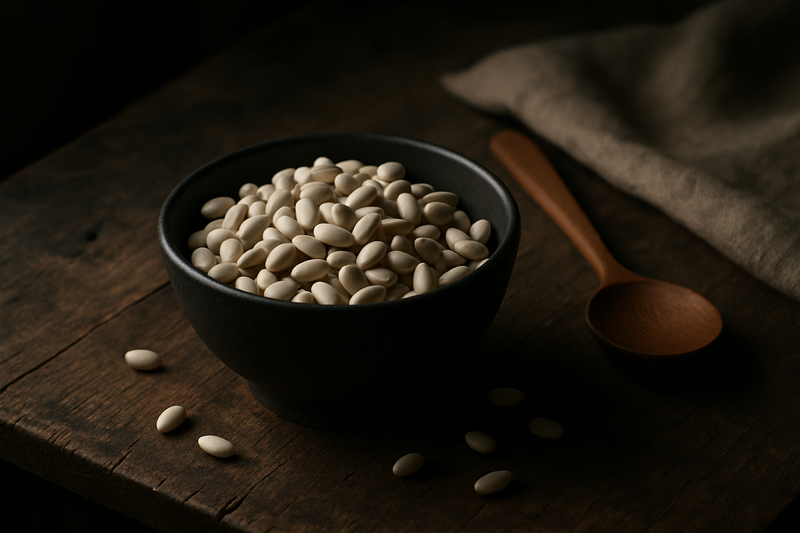
Rice Beans · Photograph
Discover rice beans benefits, nutrition facts, and how to cook these tiny quick-cooking legumes without soaking. Learn how rice beans support heart health, digestion, blood sugar, and plant-based protein intake — plus safety tips and easy prep ideas.
Key Nutrients
% Daily Value based on 2,000 cal diet
Key active compounds
Rice beans and their close relative black gram contain a range of phytochemicals — natural plant compounds that go beyond basic nutrition to interact with body systems:
- Isoflavones (glycitein, genistein, daidzein, formononetin): Polyphenolic compounds with mild estrogen-like activity found in legumes. In broader soy and legume research, they are associated with potential support for bone health and hormone balance, particularly in postmenopausal women.
- Flavonoids (quercetin, kaempferol): A class of antioxidants that neutralise free radicals (unstable molecules that damage cells) and modulate inflammatory signalling pathways in preclinical models.
- Tannins and phenolic acids: Polyphenolic compounds with antioxidant and antimicrobial properties. High amounts can reduce how well your body absorbs minerals, but thorough cooking and fermentation substantially lower tannin content.
- Mucilaginous polysaccharides (soluble fiber): Gel-forming soluble fibers that slow digestion, improve stool consistency, and may bind bile acids — helping to lower cholesterol reabsorption.
- Saponins: Surface-active glycosides (compounds formed when a sugar binds to another molecule) that show cholesterol-lowering effects in preclinical studies and may support gut health.
- Phytic acid: An organic acid that stores phosphorus in seeds. It also acts as an antioxidant but can bind minerals and reduce their absorption. Soaking, sprouting, cooking, and fermentation all reduce phytic acid content.
Prep and pairing ideas
Rice beans are forgiving to cook and take on seasoning readily. Here are practical ways to get them onto your plate:
Basic dal method (no soak needed): Rinse 1 cup dry rice beans. Combine with 3 cups water, bring to a boil, reduce heat, and simmer 35–45 minutes until completely soft and starting to thicken the liquid. Season with salt, turmeric, cumin, and a squeeze of lemon.
Three practical pairings:
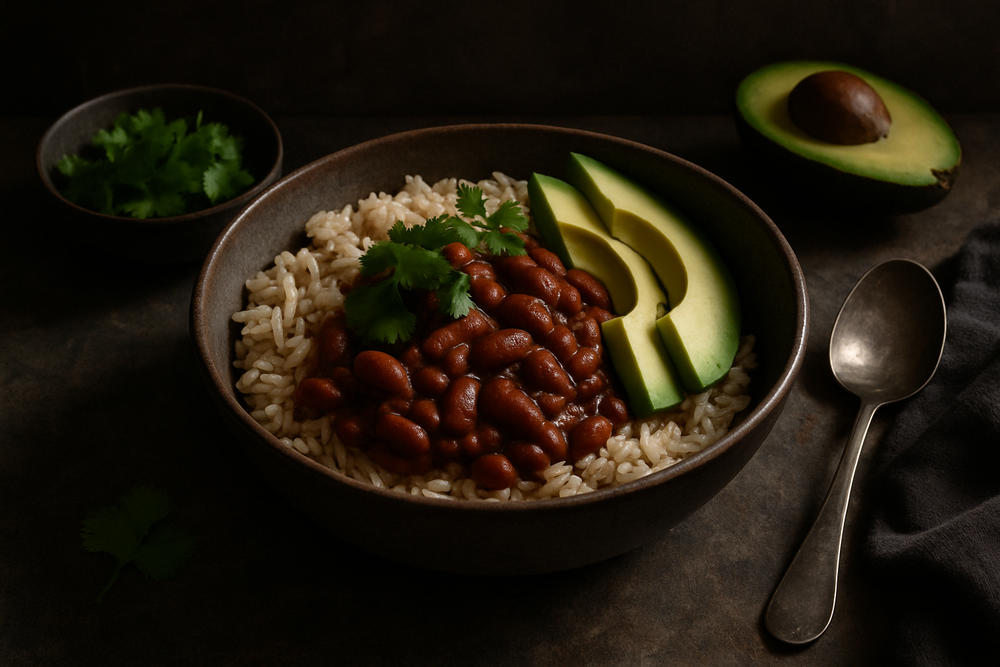
- Rice beans + brown rice + turmeric: The classic South Asian dal-and-rice combination forms a nutritionally complete meal. Brown rice adds B vitamins and additional fiber while balancing the amino acid profile of the beans. Turmeric contributes curcumin (its main anti-inflammatory compound), which is better absorbed in the presence of black pepper — add a pinch.
- Rice beans + leafy greens + lemon: Stir cooked rice beans into wilted spinach or kale, finish with lemon juice. The vitamin C in lemon converts plant-based non-heme iron (the less readily absorbed iron form found in plants) to a form your gut can absorb more easily — a meaningful nutrition pairing for anyone at risk of iron deficiency.
- Rice beans + coconut milk + ginger: A Southeast Asian-inspired creamy soup. Coconut's fat helps absorb fat-soluble antioxidants from the beans, and ginger may help ease the gas and bloating some people experience when increasing legume intake.
Fermented option: Mix ground rice beans 1:2 with ground rice, allow to ferment at room temperature for 8–12 hours, then steam as idli cakes or cook thin as dosa pancakes. Serve with chutney and sambar for a complete, gut-friendly meal.
Bottom line
Rice beans are a nutritionally impressive, practical, and underappreciated legume. They cook quickly, need no soaking, and deliver meaningful amounts of plant protein, fiber, iron, folate, potassium, and magnesium in every serving. The health benefits most strongly supported by human evidence are improved digestive regularity, better long-term cardiovascular risk markers, and more stable blood sugar — outcomes consistent with regular legume consumption broadly and plausibly applicable to rice beans specifically.
Where the evidence is thinner (inflammation, hormonal effects) the research is promising but mostly preclinical. Rice beans are not a cure or treatment for any condition, but as part of a whole-food, plant-rich diet, they are a genuinely useful addition to most people's plates. Cook them until completely soft, introduce them gradually, and pair them with vitamin C-rich foods or acidic ingredients to get the most from their iron content.
If you have kidney disease, diabetes requiring medication, or a legume allergy, check with a healthcare professional before making rice beans a regular staple.
How Rice Beans Compares
| Compared with | What's different |
|---|---|
| Rice Beans vs. Mung Beans | Mung beans have a milder, vegetal taste, whereas rice beans are nuttier and hold their shape better. |
| Rice Beans vs. Adzuki Beans | Adzuki beans are sweeter and softer, while rice beans have a denser texture and more savory profile. |
| Rice Beans vs. Black Beans | Rice beans cook in 35–45 minutes without soaking; black beans typically require soaking and longer cooking. |
Health Benefits
Things to Know
Always cook until fully soft.: Small beans still contain lectins (proteins in raw legumes that can irritate the gut) and antinutrients until properly cooked. Undercooked rice beans can cause nausea, cramping, and vomiting.
Gas and bloating are normal at first.: The fermentable oligosaccharides (short-chain carbohydrates that gut bacteria ferment) in pulses cause gas. Start with small portions (¼ cup cooked), increase gradually over two to three weeks, and stay well hydrated.
Kidney disease: Rice beans are high in potassium and phosphorus. If you have advanced chronic kidney disease (CKD) and are on a potassium-restricted diet, discuss serving sizes with your nephrologist before adding rice beans regularly.
Diabetes medications: Regular high-fiber legume intake can improve glycemic control and may reduce the dose of insulin or oral hypoglycaemic agents you need. Monitor blood sugar closely when making large dietary changes and inform your healthcare team.
Legume allergy: Cross-reactivity between legumes (beans, lentils, peanuts, soy) is possible. If you have a known legume allergy, seek allergy evaluation before introducing rice beans.
Iron overload conditions: Rice beans are iron-rich. People with hemochromatosis (a condition causing excess iron storage) or those already taking high-dose iron supplements should monitor total iron intake.
Pregnancy: Rice beans are an excellent folate source — important for fetal neural tube development — but pregnant women should ensure they are thoroughly cooked and part of a varied, supervised dietary plan.
Infants and young children: Serve only as a fully cooked, mashed, or blended preparation to avoid choking hazard and to ensure digestibility.
Medications and fiber: Very high fiber diets can alter absorption of some oral medications. If you take critical medications at set times, spacing them a couple of hours away from large legume meals is a reasonable precaution.
Best Forms
The most common form. No soaking required; simmer in water for 30–45 minutes until fully soft. Retain all fiber and phytochemicals. Best for dals, stews, and grain bowls.
Hull removed and bean split, as in urad dal. Cooks faster and produces a smoother, creamier texture. Slightly lower insoluble fiber but more digestible for sensitive stomachs.
Soaking overnight and allowing germination reduces phytic acid and can boost some nutrient availability. Always cook or steam sprouts thoroughly before eating to reduce microbial risk.
Ground rice beans fermented with rice. Fermentation further reduces antinutrients and improves digestibility while preserving fiber and protein. A practical way to incorporate rice beans into breakfast dishes.
Ground dry beans used in flatbreads, papads, and soup thickeners. Must be cooked thoroughly — raw legume flour contains lectins that can cause gut upset.
Convenient, pre-softened option that retains most fiber and protein. Check sodium on the label if managing blood pressure.
Prep Ideas
- — Rice beans + brown rice + turmeric: The classic South Asian dal-and-rice combination forms a nutritionally complete meal. Brown rice adds B vitamins and additional fiber while balancing the amino acid profile of the beans. Turmeric contributes curcumin (its main anti-inflammatory compound), which is better absorbed in the presence of black pepper — add a pinch.
- — Rice beans + leafy greens + lemon: Stir cooked rice beans into wilted spinach or kale, finish with lemon juice. The vitamin C in lemon converts plant-based non-heme iron (the less readily absorbed iron form found in plants) to a form your gut can absorb more easily — a meaningful nutrition pairing for anyone at risk of iron deficiency.
- — Rice beans + coconut milk + ginger: A Southeast Asian-inspired creamy soup. Coconut's fat helps absorb fat-soluble antioxidants from the beans, and ginger may help ease the gas and bloating some people experience when increasing legume intake.
Shop This Ingredient
Stock your pantry with quality rice beans.
Buy on AmazonAs an Amazon Associate, Plantopedia earns from qualifying purchases. This costs you nothing extra and helps us keep the encyclopedia free.
Frequently Asked Questions
Heart and circulation The cardiovascular case for rice beans rests on several converging mechanisms. Their soluble fiber binds bile acids in the digestive tract, prompting the liver to draw cholesterol from the blood to make new bile — a process that can lower LDL cholesterol (the "bad" type linked to arterial plaque). Potassium and magnesium support healthy blood pressure by relaxing blood vessel walls and balancing the effects of sodium. At the population level, Harvard's Nutrition Source summarises large cohort data showing that regularly replacing red or processed meat with legumes is associated with lower rates of coronary heart disease. A small pilot trial on black gram dal reported approximately an 8% reduction in LDL cholesterol after eight weeks, though the study was small and details are limited. Research suggests rice beans, as part of regular legume consumption, can support heart health — but they are most effective as part of a broader dietary pattern, not a single-food fix. Digestive health and microbiome This is where rice beans' evidence is strongest, even if not always specific to this exact bean. With about 13 g of fiber per 100 g dry weight — a mix of insoluble fiber that adds stool bulk and soluble fiber that feeds beneficial gut bacteria (acting as a prebiotic: food for beneficial microorganisms in your gut) — rice beans support bowel regularity, reduce constipation risk, and help maintain a healthy gut environment. Traditional Ayurvedic practice and contemporary clinical nutrition both recognise black gram-type dals as gut-supporting foods when cooked thoroughly and eaten regularly. Fermented preparations like idli and dosa batter may offer additional digestive advantages, as fermentation can further improve nutrient bioavailability and reduce compounds that cause gas. Blood sugar and metabolism Rice beans have a low glycemic index (a measure of how quickly a food raises blood glucose), driven by their high fiber content, slow-digesting complex carbohydrates, and the gel-forming effect of mucilaginous polysaccharides that slow gastric emptying. Human diet studies consistently show that replacing refined carbohydrates with legumes improves postprandial glycemia (blood sugar levels after eating) and is associated with lower type 2 diabetes risk over time. Animal studies on black gram extracts have shown reductions in fasting glucose and modulation of carbohydrate-metabolising enzymes, though these results have not yet been replicated in large human trials specific to rice beans. People with diabetes should note that adding significant legume portions can meaningfully affect blood sugar control and may warrant a medication review with their healthcare team. Inflammation and recovery Direct human evidence linking rice beans to lower systemic inflammatory markers (measurable signals of body-wide inflammation, like C-reactive protein) is limited. However, their flavonoid content — quercetin and kaempferol specifically — shows clear antioxidant and anti-inflammatory activity in cell and animal studies. Diets rich in legumes are broadly associated with improved cardiometabolic risk profiles, which often correlates with reduced chronic low-grade inflammation. This benefit is best considered emerging and mechanistic for rice beans specifically, rather than clinically confirmed. Hormones and cycle health Rice beans contain modest amounts of isoflavones — plant compounds sometimes called phytoestrogens because they can weakly bind estrogen receptors. Broader soy and legume research suggests these compounds may support bone density and potentially reduce some hormone-related cancer risks in postmenopausal women, but evidence specific to rice beans or black gram is limited to compositional analysis and theoretical extrapolation. If you have a hormone-sensitive condition (such as certain breast cancers or endometriosis), discuss legume-rich diets with your doctor before making significant changes.
Rice beans are versatile enough to appear in several forms, each with slightly different practical trade-offs: Whole dried beans: The most common form. No soaking required; simmer in water for 30–45 minutes until fully soft. Retain all fiber and phytochemicals. Best for dals, stews, and grain bowls. Split dal (dehulled): Hull removed and bean split, as in urad dal. Cooks faster and produces a smoother, creamier texture. Slightly lower insoluble fiber but more digestible for sensitive stomachs. Sprouted rice beans: Soaking overnight and allowing germination reduces phytic acid and can boost some nutrient availability. Always cook or steam sprouts thoroughly before eating to reduce microbial risk. Fermented preparations (idli/dosa batter): Ground rice beans fermented with rice. Fermentation further reduces antinutrients and improves digestibility while preserving fiber and protein. A practical way to incorporate rice beans into breakfast dishes. Flour or paste: Ground dry beans used in flatbreads, papads, and soup thickeners. Must be cooked thoroughly — raw legume flour contains lectins that can cause gut upset. Canned or pre-cooked: Convenient, pre-softened option that retains most fiber and protein. Check sodium on the label if managing blood pressure. For most people eating rice beans for health, whole or split cooked beans used in regular meals are ideal. Supplements and extracts exist in research settings but are not standardised consumer products and lack robust safety data.
There is no single universal "dose," but here is what the evidence and major nutrition guidelines suggest: General healthy adults: Aim for ½ to 1 cup cooked rice beans (roughly 75–150 g cooked) per serving, several times per week. Major nutrition bodies including Harvard T.H. Chan School of Public Health recommend legumes most days or at least a few times weekly as part of a heart-healthy, plant-rich diet. For protein goals on a plant-based diet: One cup cooked rice beans provides roughly 13–15 g protein. Combined with grains or other plant proteins across the day, two to three servings of legumes daily can cover a substantial portion of protein needs. Start low if you are new to legumes: Begin with ¼ cup cooked and increase over two to four weeks. This gradual approach allows your gut microbiome to adapt and typically reduces gas and bloating significantly. No established upper limit for rice beans specifically, but very high legume intake (several cups daily) may challenge mineral absorption and should be balanced with varied plant foods rather than relying on one ingredient. The small pilot clinical trial on black gram used regular daily portions over 8 weeks without reported adverse effects in healthy adults, suggesting moderate daily consumption is well tolerated for most people.
Quick Answers
Common questions, answered in a line.
You do not need to soak rice beans before cooking because they are small and quick-cooking. Simply rinse 1 cup of dry beans and simmer them in 3 cups of water for 35–45 minutes until they are completely soft.
Rice beans support heart health through soluble fibers and saponins that help lower cholesterol reabsorption and improve cardiovascular risk markers. These compounds work by binding to bile acids and modulating lipid pathways in the body.
You should pair rice beans with vitamin C-rich foods like lemon juice or leafy greens to maximize iron absorption. The vitamin C helps convert plant-based non-heme iron into a form that your gut can absorb much more efficiently.
Eating undercooked rice beans can cause nausea, cramping, and vomiting due to active lectins and antinutrients. It is essential to cook them until they are completely soft to neutralize these proteins and ensure they are safe for digestion.
Rice beans help stabilize blood sugar because they are high in fiber and mucilaginous polysaccharides that slow down the digestion process. This leads to better glycemic control and more consistent energy levels after meals.
If you have chronic kidney disease, you should consult a doctor before eating rice beans regularly because they are high in potassium and phosphorus. People on potassium-restricted diets need to be cautious with serving sizes to manage their mineral intake safely.
To reduce gas from rice beans, start with small portions of about 1/4 cup and increase your intake gradually over two to three weeks. Staying well-hydrated and pairing the beans with ginger can also help ease the bloating associated with fermentable carbohydrates.
For Readers in the USA
Local context — sourcing, seasonality, and regional notes.
In the United States, you can find rice beans at Asian supermarkets (like H-Mart or 99 Ranch), specialized health food stores, and major online retailers. While they are less common in traditional American grocery chains like Kroger or Safeway, they are often stocked in the international or bulk dried goods sections.
Rice beans are primarily grown in the humid, tropical regions of South and Southeast Asia, but they can be cultivated in the Southern United States during the warm summer months. They require a long, frost-free growing season and are typically harvested in late summer or early fall when the pods have dried.
When purchasing rice beans in the US, look for the USDA Organic seal to ensure they were grown without synthetic pesticides or GMOs. The FDA regulates rice beans as a legume, ensuring they meet standard food safety and labeling requirements for nutritional transparency and allergen warnings.
Rice beans are often labeled as "red bean" or "small red bean" in American markets, though they should not be confused with adzuki beans or kidney beans. Culturally, they are most frequently used in the US by immigrant communities from the Himalayas and Southeast Asia for traditional stews and fermented dishes.
AI Clinical Review
- Clear on core nutrition: rice beans (Vigna spp., closely related to black gram) are protein- and fiber-dense with notable iron, folate, potassium, and magnesium.
- Practical cooking guidance is accurate and safety-forward: no soak needed but full, soft cooking is essential to neutralize lectins and improve digestibility.
- Health takeaways align with human research on legumes generally: better lipid profiles, steadier post‑meal blood sugars, and improved bowel regularity when beans replace refined carbs or some meats.
- Helpful pairing tips (e.g., vitamin C–rich foods for better non‑heme iron absorption, fermented batters for tolerance) are evidence‑consistent and user friendly.
- Most benefits are extrapolated from broader legume data or black gram studies; rice bean–specific human trials are sparse, so effect sizes for this exact bean are uncertain.
- Cardiometabolic claims (LDL reduction, blood pressure effects) are biologically plausible but rely on small or indirect studies; high‑quality randomized trials with rice beans are needed.
- Anti‑inflammatory and hormone‑related effects (via flavonoids and isoflavones) are supported mainly by mechanistic or preclinical work, not definitive human outcomes.
- Reasonable intake: 1/2–1 cup cooked per serving, several times per week fits most healthy eating patterns; newcomers may start at ~1/4 cup cooked and increase over 2–4 weeks to minimize gas.
- Form matters for tolerance: split/dehulled or fermented preparations tend to be easier on digestion; sprouts should still be cooked for food safety.
- Medical considerations: people with advanced chronic kidney disease (potassium/phosphorus), those on diabetes medications (glycemic effects), known legume allergies, or iron overload (hemochromatosis) should check with a clinician.
- Always cook thoroughly (soft throughout) and avoid relying on raw flours or undercooked beans to prevent gastrointestinal upset from lectins and to reduce antinutrients like phytic acid.
Cook until soft; small beans still need thorough cooking.
References
- USDA FoodData Central — Vigna/black gram nutritional data (fdc.nal.usda.gov)
- Harvard T.H. Chan School of Public Health — Legumes and Pulses overview (nutritionsource.hsph.harvard.edu)
- Vigna mungo: ethnobotanical, pharmacological and nutritional review — PubMed Central (pmc.ncbi.nlm.nih.gov)
- Rice bean nutrition facts per 100 g — DietCompass (dietcompass.org)
- Black gram nutrition facts and health benefits — Nutrition-and-You (nutrition-and-you.com)
- Vigna mungo (black gram): nutrition and health benefits — Biology Insights (biologyinsights.com)
- Vigna mungo overview — ScienceDirect Agricultural and Biological Sciences (sciencedirect.com)
- Urad dal plant: benefits, uses and side effects — Flora Medical Global (floramedicalglobal.com)
- Phaseolus mungo (black gram) — Ayurvedic uses and benefits — Ask Ayurveda (ask-ayurveda.com)
- Benefits of black or urad dal — India Today Wellness (indiatoday.in)
Know Your Numbers
Eating healthy is a start. Now get to know your biomarkers.
Food changes bloodwork — inflammation, lipids, blood sugar and nutrient status all respond to what you eat. 59 markers from $59.
- Results in 7–10 days at 2,000+ Quest sites
- Licensed provider reviews every result
- One flat price, no membership, HSA/FSA eligible
Educational information only, not medical advice. Panels are ordered and reviewed through our licensed partner; Plantopedia may earn a commission.