Romanesco — health benefits and uses
An Italian heirloom brassica prized for its striking geometry and nutty flavor.
The Short Answer
Romanesco is an edible flower bud in the brassica family known for its nutty flavor and fractal shape. It is highly nutritious, providing 100% of the daily Vitamin C requirement and 3 grams of fiber per cup.
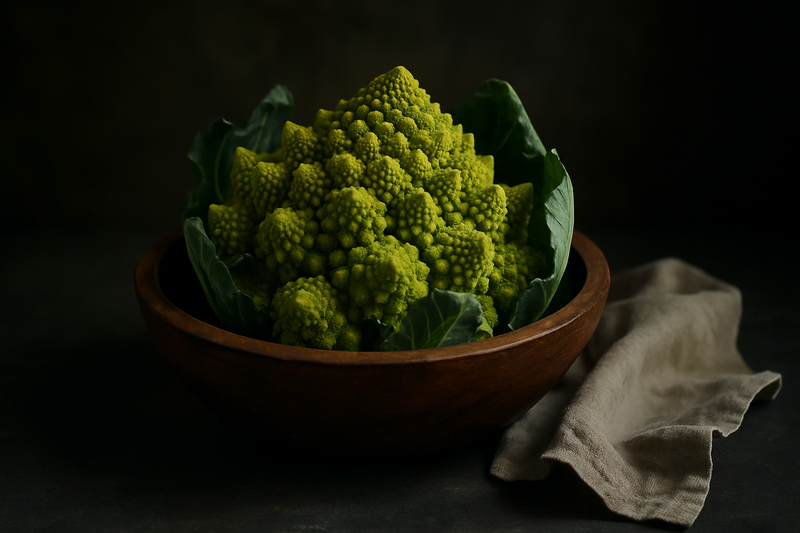
Romanesco · Photograph
Discover the science-backed Romanesco broccoli health benefits — from digestive support and immune function to heart health and anti-inflammatory compounds. Includes nutrition facts, cooking tips, safety notes, and how it compares to broccoli and cauliflower.
Key Nutrients
% Daily Value based on 2,000 cal diet
Key active compounds
- Glucoraphanin — The dominant glucosinolate in Romanesco; converts to sulforaphane via the enzyme myrosinase when the vegetable is chopped or chewed. Levels are somewhat lower than in broccoli but still meaningful.
- Sulforaphane — An isothiocyanate (a type of bioactive molecule) formed from glucoraphanin; activates the body's Nrf2 antioxidant pathway and phase II detoxification enzymes, and shows anti-inflammatory effects in human and laboratory studies.
- Indole-3-carbinol (I3C) and related indoles — Formed from indole glucosinolates during digestion; may influence estrogen metabolism and detoxification pathways.
- Lutein and zeaxanthin — Carotenoids (yellow-green pigments) concentrated in the retina that support eye health; Romanesco has substantially more of these than white cauliflower.
- Beta-carotene — A provitamin A carotenoid contributing to the vegetable's chartreuse color and acting as an antioxidant.
- Phenolic compounds and flavonoids — A broad class of polyphenolic antioxidants that support total antioxidant capacity and may help modulate inflammation and vascular function.
- Vitamin C (ascorbic acid) — Functions simultaneously as a micronutrient and an antioxidant; Romanesco provides 80–100 mg per 100 g raw, roughly the full recommended daily intake for adults.
Prep and pairing ideas
Romanesco's mild, nutty flavor and firm texture make it versatile. The fractal florets have more surface area than standard broccoli, which means more caramelization when roasted — one reason it tends to convert even vegetable skeptics.
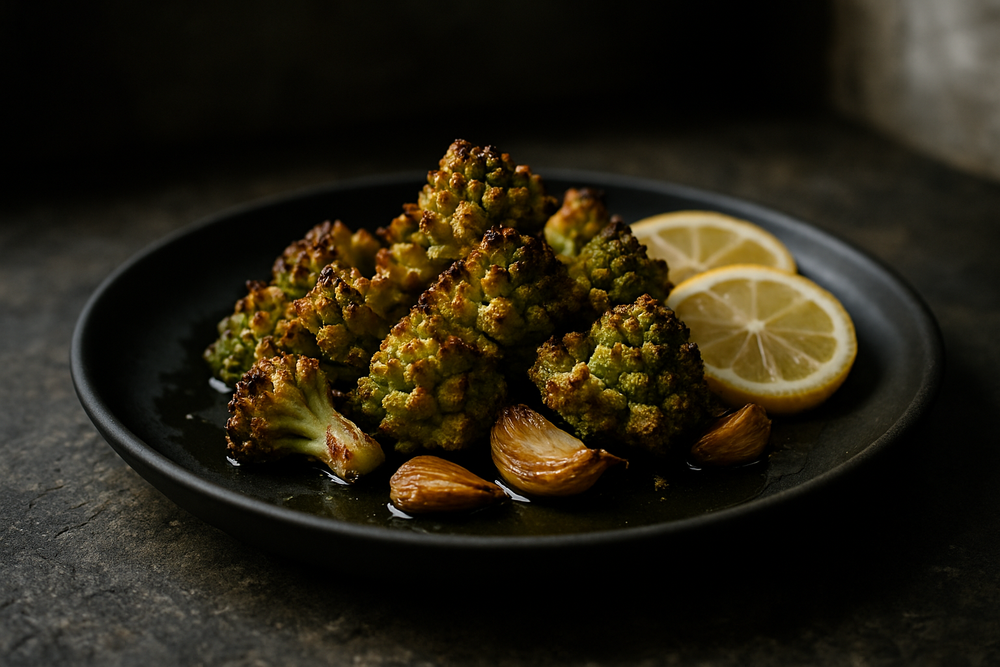
Roasted with lemon and garlic — Toss florets in olive oil, smashed garlic, salt, and pepper. Roast at 425°F (220°C) for 20–25 minutes. Finish with a squeeze of lemon. The acidity brightens the flavor and the vitamin C from the lemon may help with non-heme iron absorption from the vegetable.
Raw slaw with tahini dressing — Shave thin slices of raw Romanesco, toss with shredded cabbage, parsley, and a tahini-lemon dressing. Maximizes sulforaphane and adds complementary minerals from the tahini (calcium, zinc).
Soup or puree — Simmer florets with white beans, vegetable stock, and rosemary. Blend partially for a chunky texture or fully for a velvety soup. Retaining the broth preserves water-soluble B vitamins and vitamin C. White beans add protein and additional fiber, making this a filling, balanced meal.
Buying and storing Romanesco broccoli
(Selected optional module: Buying guide)
Fresh vs frozen: Fresh Romanesco is the gold standard for flavor, texture, and sulforaphane potential. Look for firm, tightly packed spirals with bright chartreuse color and no brown or yellowed tips. Yellowing signals age and nutrient loss. Frozen florets are a practical year-round option; check that the only ingredient is Romanesco with no added salt or sauces.
Seasonality: Romanesco peaks in autumn and early winter in most temperate regions, though it is available year-round in well-stocked grocery stores and farmers' markets.
Label tips: At farmers' markets, ask whether the variety is "Romanesco" specifically vs. green cauliflower — both are nutritious but have slightly different flavor profiles. For frozen, look for quick-frozen (IQF) products, which freeze individual florets rather than a solid block, preserving texture better.
Storage at home: Unwashed, in a loose plastic bag or airtight container in the refrigerator crisper. Use within 4–5 days for peak quality. Cut florets last about 2 days; blanch and freeze any surplus within 24 hours of purchase.
Bottom line
Romanesco is a nutritionally dense, very low-calorie cruciferous vegetable that earns its place in a whole-food, plant-based diet on multiple fronts: outstanding vitamin C, meaningful fiber, eye-health carotenoids, and a glucosinolate profile that connects it to the anti-inflammatory, gut-supporting, and cardioprotective benefits documented for the brassica family. Direct clinical trials on Romanesco itself are scarce, so benefits are largely inferred from broccoli and cauliflower research — but its nutrient and phytochemical profile makes that inference reasonable. It is safe for most people at culinary amounts, visually striking, easy to roast, and genuinely delicious. Add it to your rotation.
Looking to build a full anti-inflammatory, plant-rich eating pattern? Explore Plantopedia's goal-based guides to find ingredients that work together for your specific health priorities.
How Romanesco Compares
| Compared with | What's different |
|---|---|
| Romanesco vs. Broccoli | Romanesco is nuttier and firmer, with pointier florets that caramelize better when roasted. |
| Romanesco vs. Cauliflower | Romanesco contains significantly more lutein, zeaxanthin, and Vitamin C than white cauliflower. |
Health Benefits
Things to Know
Vitamin K and blood thinners: Romanesco contains meaningful vitamin K (~25 mcg per 100 g). If you take a vitamin K antagonist anticoagulant like warfarin, keep your intake of Romanesco and other cruciferous vegetables roughly consistent week to week rather than avoiding them. Sudden large increases can influence your medication's effectiveness.
Thyroid conditions: Cruciferous vegetables contain goitrogens — compounds that can theoretically interfere with thyroid hormone production in very large raw quantities. Typical culinary use (a cup or two a few times a week) is unlikely to affect thyroid function in most people, including those on levothyroxine. Cooking reduces goitrogenic activity significantly.
FODMAP sensitivity and IBS: Romanesco contains fermentable carbohydrates that may trigger bloating, cramping, or loose stools in people with irritable bowel syndrome or FODMAP intolerance. Smaller portions and thorough cooking can help.
Kidney disease (potassium restriction): Those on potassium-restricted diets due to advanced kidney disease should account for Romanesco's potassium content (~350 mg per 100 g) within their daily limit.
Pregnancy: Romanesco is generally safe and beneficial during pregnancy. Its folate content supports fetal neural tube development. Wash thoroughly and cook to reduce any food safety risk, as with all raw produce.
Diabetes medications: A consistent increase in fiber-rich, low-glycemic vegetables may improve blood glucose control over time, potentially affecting medication requirements. Monitor with your healthcare provider if making significant dietary changes.
Gas and digestive adjustment: If you are new to cruciferous vegetables or increasing your intake, expect some temporary gas and bloating as your gut microbiome adjusts. Starting with smaller cooked portions and building up gradually is the easiest solution.
Shop This Ingredient
Stock your pantry with quality romanesco.
Buy on AmazonAs an Amazon Associate, Plantopedia earns from qualifying purchases. This costs you nothing extra and helps us keep the encyclopedia free.
Frequently Asked Questions
Because Romanesco shares its core phytochemical and nutrient profile with broccoli and cauliflower, the evidence base for cruciferous vegetables broadly applies here. Where Romanesco-specific data exist, they are noted. Heart and circulation Large observational studies consistently link higher cruciferous vegetable intake with lower cardiovascular disease risk and improved cardiometabolic markers. The mechanisms proposed in human research include: fiber lowering LDL cholesterol, potassium supporting healthy blood pressure, vitamin C reducing oxidative damage to blood vessels, and glucosinolate-derived compounds moderating inflammation in arterial walls. Romanesco's fiber (3 g per 100 g), potassium (350 mg), and high vitamin C content fit squarely within heart-protective dietary patterns. Evidence level: moderate (inferred from cruciferous vegetable studies; no Romanesco-specific cardiovascular trials). Digestive health and microbiome The digestive benefits of fiber-rich vegetables are among the best-established in nutrition science. Romanesco provides approximately 3 g of dietary fiber per 100 g — comparable to broccoli and higher than most cauliflower varieties — which supports stool bulk, bowel regularity, and the growth of beneficial gut bacteria (a process called fermentation in the large intestine). One practical note: cruciferous vegetables can cause gas and bloating in people with irritable bowel syndrome (IBS) or FODMAP sensitivity, particularly at higher servings. Starting with smaller amounts and cooking the vegetable (which breaks down some of the fermentable carbohydrates) can help. Evidence level: strong for fiber and gut health broadly. Blood sugar and metabolism Romanesco is very low in available carbohydrates (4 g per 100 g, mostly complex) and high in fiber, giving it a minimal impact on blood glucose. Human dietary trials on non-starchy, high-fiber vegetables consistently show improved postprandial (after-meal) glucose levels and better insulin sensitivity compared to lower-fiber eating patterns. Romanesco fits naturally into low-glycemic, blood-sugar-friendly meal patterns. Evidence level: moderate (inferred from non-starchy vegetable and fiber research; no Romanesco-specific glycemic trials). Hormones and cycle health Cruciferous vegetables contain indole glucosinolates that are metabolized to indole-3-carbinol and its derivative DIM (diindolylmethane) in the gut. Human and mechanistic studies suggest these compounds may support healthy estrogen metabolism and liver detoxification pathways. However, clinical evidence is mostly from concentrated broccoli or mixed cruciferous extracts rather than from culinary quantities of Romanesco. Consider this an emerging area rather than an established benefit, particularly for Romanesco specifically. Inflammation and recovery Several human studies using broccoli-rich or mixed cruciferous diets show reductions in inflammatory biomarkers (such as C-reactive protein) and markers of oxidative stress (cellular damage caused by unstable molecules called free radicals). Romanesco's sulforaphane, carotenoids, and vitamin C all have documented antioxidant and anti-inflammatory mechanisms. Its glucoraphanin levels are somewhat lower than in broccoli, so direct anti-inflammatory potency may be slightly less, but its contribution as part of a diverse brassica intake is meaningful. Evidence level: moderate.
Unlike some supplements where form dramatically changes bioavailability, Romanesco is best consumed as the whole food in any form that keeps you eating it regularly. Here is how different preparations compare: Raw florets — Maximizes glucosinolate-to-sulforaphane conversion because myrosinase (the conversion enzyme) is intact. Great as crudités, in salads, or slaws. Some people find raw cruciferous vegetables harder to digest in large amounts. Roasted florets — The most popular preparation. Toss with a drizzle of olive oil, season, and roast at 200–220°C (400–425°F) until the tips are golden. Heat inactivates myrosinase, but gut bacteria can partially compensate for sulforaphane conversion. Most fiber, minerals, and fat-soluble vitamins are well preserved. Flavor improvement is significant. Steamed or lightly boiled — Steaming for 4–6 minutes retains more vitamin C and glucosinolates than prolonged boiling. If boiling, use minimal water and retain the cooking liquid for soups or sauces to capture water-soluble nutrients. Soups and purees — Blending with the cooking liquid preserves water-soluble nutrients that would otherwise be discarded. A practical choice for batch cooking. Frozen florets — Commercially frozen Romanesco is blanched before freezing, which deactivates myrosinase but largely preserves fiber and minerals. Vitamin C losses are moderate. A convenient and economical option when fresh is unavailable. A practical tip: Chop or crush florets and let them rest 5–10 minutes before cooking. This window allows myrosinase to convert more glucoraphanin to sulforaphane before heat inactivates the enzyme.
There is no officially established dose specifically for Romanesco. The context is your total cruciferous vegetable intake, which USDA MyPlate guidelines recommend as part of the general advice to fill at least half your plate with vegetables, emphasizing dark-green vegetables like the cruciferous family. A practical range: ½ to 2 cups (approximately 50–200 g) of cooked or raw Romanesco, several times per week, within a varied vegetable-rich diet. Human studies on cruciferous vegetables for chronic disease prevention typically look at roughly 1–2 servings per day of mixed brassicas. Start low if you are new to cruciferous vegetables: Begin with ½ cup cooked, a few times per week, and build up as your digestive system adjusts. Most people tolerate 1–2 cups without issue. More is not always better: Very high daily intake of raw cruciferous vegetables (multiple large servings every day for extended periods) is the scenario associated with theoretical thyroid and digestive concerns. Normal culinary portions — even daily — are safe for most healthy adults. Pairing matters: Eating Romanesco with a source of healthy fat (olive oil, tahini, nuts) improves absorption of its fat-soluble carotenoids like lutein and beta-carotene.
Quick Answers
Common questions, answered in a line.
Romanesco is a nutritionally dense cruciferous vegetable that provides excellent amounts of vitamin C, fiber, and eye-health carotenoids like lutein and zeaxanthin. It also contains glucoraphanin, which converts into the bioactive compound sulforaphane to support detoxification and heart health.
To get the most sulforaphane from Romanesco, you should chop or chew the raw vegetable, as this activates the myrosinase enzyme needed to convert glucoraphanin into its active form. A raw slaw with tahini-lemon dressing is a recommended way to maximize these compounds.
You should look for Romanesco with firm, tightly packed spirals and a bright chartreuse color, avoiding any heads with brown or yellowed tips. Yellowing is a sign of age and indicates that the vegetable has begun to lose its nutrients.
Romanesco contains substantially more eye-supporting carotenoids, specifically lutein and zeaxanthin, than white cauliflower. While it shares many benefits with both, its fractal florets offer more surface area for caramelization when roasted, which may improve flavor for vegetable skeptics.
If you take warfarin or other vitamin K antagonists, you should maintain a consistent weekly intake of Romanesco rather than making sudden large changes. This is because Romanesco contains approximately 25 mcg of vitamin K per 100g, which can influence how your medication works.
Romanesco contains fermentable carbohydrates (FODMAPs) that may trigger gas, bloating, or cramping in people with irritable bowel syndrome. To improve tolerance, the article suggests using smaller portions and ensuring the vegetable is thoroughly cooked.
Romanesco is generally considered safe and beneficial during pregnancy, especially as its folate content supports fetal neural tube development. Experts recommend washing the vegetable thoroughly and cooking it to minimize any potential food safety risks.
For Readers in the USA
Local context — sourcing, seasonality, and regional notes.
Romanesco is primarily grown in California, particularly in the Salinas Valley, where the temperate coastal climate allows for a peak harvest season from late fall through early spring. While it is a cool-weather crop, California's production ensures it is available to US consumers nearly year-round.
You can typically find Romanesco at major national grocers like Whole Foods Market, Trader Joe's, and Sprouts Farmers Market, especially during the autumn and winter months. For the freshest heads, visit local farmers markets in USDA Hardiness Zones 8 through 10 during the cooler months.
When buying Romanesco in the US, look for the USDA Organic seal to ensure it was grown without synthetic pesticides, as cruciferous vegetables are sometimes treated for aphids. Additionally, the FDA recommends washing the dense, fractal florets thoroughly under cold running water to remove any lingering soil or debris before preparation.
AI Clinical Review
- Clearly explains that Romanesco is a cruciferous vegetable with a nutrition profile similar to broccoli/cauliflower: very low calories, ~3 g fiber per 100 g, and high vitamin C (~80–100 mg/100 g).
- Accurately describes glucosinolates converting to sulforaphane when plant cells are broken, and offers practical preparation tips (chop/rest; lighter cooking) that can help preserve these compounds.
- Summarizes cardiometabolic and digestive benefits supported by broader cruciferous and fiber research (e.g., LDL/cholesterol support, blood-pressure friendly potassium, low glycemic impact).
- Provides realistic, food-first guidance on portions (½–2 cups several times per week) and cooking methods (steaming/roasting, retaining cooking liquid) that align with nutrient retention data.
- Most health claims are extrapolated from studies on broccoli or mixed cruciferous vegetables; Romanesco-specific clinical trials are scarce, so effect sizes for Romanesco alone are uncertain.
- Glucoraphanin and sulforaphane yields vary widely by cultivar, growing conditions, storage, and cooking; consumers should expect variability rather than supplement-like potency from typical servings.
- Indole-3-carbinol/DIM and “hormone balance” findings largely come from mechanistic work or concentrated extracts; benefits from usual culinary intakes remain less certain.
- Anti-inflammatory and antioxidant effects are supported in human studies using mixed cruciferous diets; the incremental contribution of Romanesco specifically is inferred rather than proven.
- Vitamin K–containing foods can affect warfarin dosing; aim for consistent week‑to‑week intake rather than avoidance, and coordinate with your clinician if anticoagulated.
- Thyroid concerns from crucifers relate mainly to very high raw intakes; typical cooked or mixed-diet portions are generally safe, but those with thyroid disease should check in if planning large, frequent servings.
- If you have IBS or FODMAP sensitivity, start with smaller, cooked portions to reduce gas/bloating and increase as tolerated.
- Romanesco provides meaningful potassium (~350 mg/100 g); people with advanced kidney disease or on potassium‑restricted diets should count it toward daily limits.
Very safe.
References
- USDA FoodData Central — Cruciferous vegetable nutrition data (broccoli, cauliflower, Romanesco) (fdc.nal.usda.gov)
- USDA MyPlate — Dark-green and cruciferous vegetable guidance (myplate.gov)
- NIH National Cancer Institute — Cruciferous vegetables and cancer prevention overview (cancer.gov)
- NIH NCCIH — Cruciferous vegetables, sulforaphane, and health (nccih.nih.gov)
- Romanesco nutrition facts and comparison with broccoli and cauliflower (Every Foods) (every-foods.com)
- Romanesco cauliflower nutrition per serving (Nature's Reward) (naturesrewardcoloredcauliflower.com)
- Romanesco technical sheet: raw and cooked nutritional values (Annatura PDF) (annatura.com)
- Human meta-analysis: cruciferous vegetable intake and cardiovascular disease risk — Aune et al., Scientific Reports (2017) (nature.com)
- Clinical review: sulforaphane bioavailability and health effects in humans — Fahey et al., Molecular Nutrition & Food Research (pubmed.ncbi.nlm.nih.gov)
- Lutein and zeaxanthin in eye health — Age-Related Eye Disease Study (AREDS2), NIH (nei.nih.gov)
Know Your Numbers
Eating healthy is a start. Now get to know your biomarkers.
Food changes bloodwork — inflammation, lipids, blood sugar and nutrient status all respond to what you eat. 59 markers from $59.
- Results in 7–10 days at 2,000+ Quest sites
- Licensed provider reviews every result
- One flat price, no membership, HSA/FSA eligible
Educational information only, not medical advice. Panels are ordered and reviewed through our licensed partner; Plantopedia may earn a commission.