Safflower Oil — health benefits and uses
Use intentionally; compare extracted oil vs whole-food fat alternatives
The Short Answer
Safflower oil is a neutral, high-smoke-point cooking oil valued for its high Vitamin E content, providing 31% of the Daily Value per tablespoon. It is primarily used for high-heat sautéing and frying due to its stability at temperatures up to 500°F.
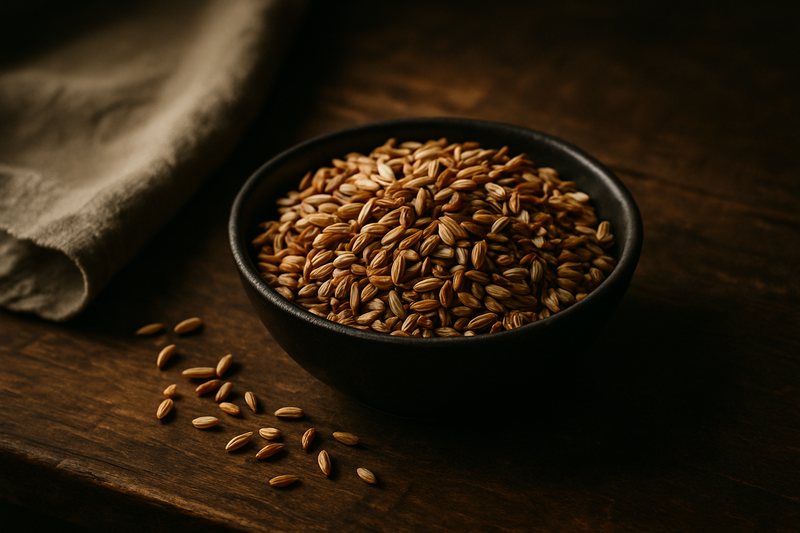
Safflower Oil · Photograph
Safflower oil, extracted from the seeds of Carthamus tinctorius, has become a popular cooking oil thanks to its high smoke point and neutral flavor. But with growing awareness of processed foods' health impacts, many people wonder: is safflower oil a healthy choice, or should it be avoided?
Key Nutrients
% Daily Value based on 2,000 cal diet
Key active compounds in safflower oil
Linoleic acid (omega-6 fatty acid): The dominant fat in standard safflower oil at about 75% of total content. This essential fatty acid supports normal growth and cell function but can contribute to inflammation when consumed excessively without adequate omega-3 intake.
Oleic acid (monounsaturated fat): Found in higher concentrations in specially bred high-oleic safflower oil varieties. Associated with better heart health outcomes and more stable during high-heat cooking.
Vitamin E (tocopherols): The primary micronutrient in safflower oil, providing antioxidant protection against cell damage. However, whole plant foods offer vitamin E alongside many other beneficial compounds.
Phytosterols: Plant compounds that may help lower cholesterol absorption, though amounts in safflower oil are modest compared to nuts, seeds, and other whole plant foods.
Prep and pairing ideas
If you choose to use safflower oil occasionally, high-oleic varieties work well for:
- High-heat sautéing and stir-frying (smoke point around 450-500°F)
- Light salad dressings when you want neutral flavor
- Baking applications requiring liquid fat
- Food preparation where olive oil's flavor would be too strong
However, consider these healthier alternatives:
- For high-heat cooking: Use water, broth, or small amounts of avocado oil instead
- For salad dressings: Try tahini, nut butter, or small amounts of extra-virgin olive oil
- For baking: Experiment with applesauce, mashed banana, or ground flax mixed with water
Bottom line
Safflower oil sits in a gray area nutritionally. While it may offer modest benefits compared to saturated fats, it remains a highly processed, calorie-dense product with legitimate concerns about omega-6 excess and minimal nutritional value.
For most people, especially those following plant-based diets, the evidence suggests focusing on whole-food fat sources like nuts, seeds, avocados, and olives while minimizing or avoiding extracted oils entirely. When cooking fat is needed, extra-virgin olive oil has much stronger research support for health benefits.
If you choose to use safflower oil occasionally, opt for high-oleic varieties, use sparingly, and ensure adequate omega-3 intake from whole plant sources.
How Safflower Oil Compares
| Compared with | What's different |
|---|---|
| Safflower Oil vs. Extra Virgin Olive Oil | Has a much lower smoke point (375°F) and a distinct peppery, fruity flavor. |
| Safflower Oil vs. Avocado Oil | Contains significantly more monounsaturated fat and is less processed than most safflower oils. |
| Safflower Oil vs. Canola Oil | Contains alpha-linolenic acid (omega-3), whereas safflower is primarily omega-6 or omega-9. |
Health Benefits
Things to Know
Calorie density: At 120 calories per tablespoon, safflower oil can quickly contribute to weight gain if added liberally to an existing diet.
Omega-6 excess: Most people already consume 10-20 times more omega-6 than omega-3 fats. Regular safflower oil use can worsen this imbalance unless omega-3 intake is adequate.
Processing concerns: Safflower oil is highly refined, involving chemical extraction and high-temperature processing that removes most beneficial plant compounds.
WFPB limitations: Strict whole-food, plant-based approaches typically recommend avoiding or severely limiting all extracted oils, including safflower oil.
Medication interactions: Large amounts may theoretically increase bleeding risk in people taking anticoagulants, though this hasn't been problematic at normal culinary doses.
Pregnancy considerations: Culinary amounts appear safe, but some traditional uses of safflower for menstrual stimulation suggest avoiding medicinal doses during pregnancy.

Prep Ideas
- — High-heat sautéing and stir-frying (smoke point around 450-500°F)
- — Light salad dressings when you want neutral flavor
- — Baking applications requiring liquid fat
- — Food preparation where olive oil's flavor would be too strong
- — For high-heat cooking: Use water, broth, or small amounts of avocado oil instead
- — For salad dressings: Try tahini, nut butter, or small amounts of extra-virgin olive oil
- — For baking: Experiment with applesauce, mashed banana, or ground flax mixed with water
Shop This Ingredient
Stock your pantry with quality safflower oil.
Buy on AmazonAs an Amazon Associate, Plantopedia earns from qualifying purchases. This costs you nothing extra and helps us keep the encyclopedia free.
Frequently Asked Questions
Heart and circulation Research suggests safflower oil may modestly improve cholesterol levels when it replaces saturated fats in the diet. The high unsaturated fat content—particularly in high-oleic varieties—aligns with established cardiovascular guidelines recommending this substitution for heart health. However, safflower-specific outcome trials are limited compared to olive oil or Mediterranean diet studies. The benefits appear to come from avoiding saturated fat rather than unique properties of safflower oil itself. For people with established heart disease, many evidence-based programs recommend minimizing all added oils in favor of whole-food fat sources. Blood sugar and metabolism One notable study in postmenopausal women with type 2 diabetes found that consuming about 8 grams of safflower oil daily for 16 weeks improved HbA1c, fasting glucose, and inflammatory markers compared to baseline. This suggests potential benefits for glucose control in this specific population. However, this single trial has limitations—it involved only postmenopausal women with diabetes, and the improvements may have resulted from displacing other less healthy fats rather than unique effects of safflower oil. The research doesn't support using safflower oil as a diabetes treatment. Inflammation and recovery Small studies suggest safflower oil consumption may reduce C-reactive protein and other inflammatory markers. Some research also indicates topical safflower oil applications may help with skin inflammation and wound healing. These potential anti-inflammatory effects must be weighed against concerns about omega-6 excess. Standard safflower oil is extremely high in omega-6 linoleic acid, and some evidence suggests very high omega-6 intake relative to omega-3 may promote inflammation over time.
High-oleic safflower oil is generally the better choice if you use safflower oil. Bred to contain mostly monounsaturated oleic acid instead of omega-6 linoleic acid, it offers better oxidative stability during cooking and doesn't contribute as much to omega-6 excess. High-linoleic safflower oil is the traditional variety with about 75% omega-6 content. While this may help lower cholesterol when replacing saturated fat, the extremely high omega-6 content is problematic for most people whose diets are already omega-6 heavy. Cold-pressed or unrefined safflower oil retains more natural compounds but has a lower smoke point and stronger flavor. It's better suited for dressings or low-heat cooking rather than frying. Safflower oil supplements are heavily marketed for weight loss and metabolic benefits, but evidence is weak and potential risks increase with concentrated doses. Buying guide: Reading labels and choosing quality When selecting safflower oil, look for: "High-oleic" on the label - indicates the more stable, less omega-6-heavy variety Minimal processing - cold-pressed or expeller-pressed when possible Dark glass bottles - protect against light degradation Recent expiration dates - oils can go rancid, especially polyunsaturated varieties Avoid products with: Unclear fatty acid profiles Added preservatives or chemicals Claims about weight loss or disease treatment Extremely low prices that may indicate poor quality Store all safflower oil in cool, dark places and use within the recommended timeframe to prevent oxidation.
Clinical research has used around 8 grams (about 1/2 tablespoon) daily to study metabolic effects. General dietary guidelines suggest up to 1-2 tablespoons of added oils as an upper limit within a calorie-appropriate diet. However, many nutrition experts recommend much lower amounts or complete avoidance: Whole-food, plant-based approaches: Often recommend zero added oils Heart disease reversal programs: Typically eliminate all oils Weight management: Limiting calorie-dense oils improves satiety and portion control If you do use safflower oil, start with small amounts (1 teaspoon) and ensure adequate omega-3 intake from flax seeds, chia seeds, walnuts, or algae-based supplements. Myths vs facts about safflower oil Myth: Safflower oil is a superfood that provides unique health benefits. Fact: While it may be better than saturated fats, safflower oil offers minimal nutritional value beyond calories and vitamin E. Whole plant foods provide superior nutrition. Myth: All omega-6 fats are bad and should be avoided completely. Fact: Omega-6 fats are essential nutrients, but most people consume excessive amounts. The issue is ratio and total intake, not omega-6 fats themselves. Myth: High smoke point automatically makes an oil healthy. Fact: Smoke point indicates cooking stability but says nothing about nutritional value or health effects. Many unhealthy fats have high smoke points.
Quick Answers
Common questions, answered in a line.
Safflower oil is suitable for high-heat cooking because it has a high smoke point ranging from 450°F to 500°F. High-oleic varieties are particularly recommended for sautéing and stir-frying as they remain more stable under heat. Use it in applications where a neutral flavor is desired over the stronger taste of oils like olive oil.
Standard safflower oil contains approximately 75% linoleic acid, which is an essential omega-6 fatty acid. While these fats support normal cell function and growth, consuming them in excess without enough omega-3s can contribute to inflammation. Most people already consume a high ratio of omega-6 to omega-3 fats, which this oil can worsen.
Safflower oil provides vitamin E in the form of tocopherols, which offer antioxidant protection against cell damage. It also contains modest amounts of phytosterols that may help lower cholesterol absorption. However, the article notes that whole plant foods provide these nutrients alongside a broader range of beneficial compounds.
Safflower oil is highly calorie-dense, containing 120 calories per single tablespoon. Adding it liberally to a diet can quickly contribute to weight gain. Because it is an extracted oil, it lacks the fiber and bulk found in whole-food fat sources like avocados or nuts.
Safflower oil is a highly refined product that typically undergoes chemical extraction and high-temperature processing. This refining process removes the majority of the beneficial plant compounds found in the original seeds. For this reason, many plant-based diets recommend focusing on whole foods instead of extracted oils.
While culinary amounts are generally safe, pregnant women should avoid medicinal doses of safflower because traditional uses indicate it may stimulate menstruation. Additionally, large amounts could theoretically increase bleeding risks for individuals taking anticoagulant medications. Always consult a healthcare provider regarding medicinal use.
For high-heat cooking, healthier alternatives to safflower oil include using water, broth, or small amounts of avocado oil. For dressings and baking, the article suggests using tahini, nut butters, applesauce, or mashed bananas as whole-food substitutes. Extra-virgin olive oil is also recommended for its superior research support regarding health benefits.
For Readers in the USA
Local context — sourcing, seasonality, and regional notes.
In the United States, safflower is primarily grown in the Great Plains and Western states, including California, North Dakota, Montana, and South Dakota. These regions provide the dry, arid climate necessary for the plant to thrive during its summer growing season.
You can find safflower oil at most major US grocery chains like Kroger, Safeway, and Whole Foods, as well as at big-box retailers like Costco and Walmart. While standard versions are in the baking aisle, high-oleic or organic varieties are often found in the health food section.
USDA Organic safflower oil must be produced without synthetic fertilizers, irradiation, or genetic engineering, which is a common concern for health-conscious US consumers. Additionally, the FDA regulates the labeling of "high-oleic" oils to ensure they meet specific monounsaturated fat standards.
Safflower oil is commonly used in American food manufacturing as a base for commercial salad dressings, margarines, and fried snacks due to its neutral profile. It gained popularity in US kitchens during the late 20th century as a liquid alternative to solid saturated fats.
AI Clinical Review
- Clearly distinguishes high‑oleic vs high‑linoleic safflower oil and why that matters for heat stability and the diet’s omega‑6 load.
- Accurately frames oils as calorie‑dense with limited nutrients beyond vitamin E, so overall eating pattern matters more than any single oil.
- Reflects consensus that replacing saturated fats with unsaturated fats can improve cholesterol, while noting safflower‑specific outcome data are limited compared with olive oil/Mediterranean patterns.
- Appropriately cites a small trial in postmenopausal women with type 2 diabetes (≈8 g/day for 16 weeks) showing modest improvements in glycemia and inflammation, without overstating it.
- The relationship between higher omega‑6 (linoleic acid) intake and systemic inflammation remains mixed; human trials often show neutral effects on inflammatory markers, and long‑term clinical outcomes by oil type are sparse.
- Direct comparisons of high‑oleic safflower oil to other oils for hard endpoints (heart attacks, mortality) are lacking; most data use surrogate markers (LDL‑C, CRP, fasting glucose).
- Evidence for topical skin benefits and wound healing comes from small or short studies; broader dermatologic confirmation is limited.
- Weight‑loss and metabolic claims from supplements (including CLA‑branded products) are inconsistent, with uncertain long‑term benefit and safety.
- Research doses have used about 8 g/day (~2 teaspoons). For daily cooking, many dietary patterns keep total added oils to modest amounts within calorie needs; some heart‑focused or whole‑food plans use little or none.
- If you use it, high‑oleic safflower oil is more heat‑stable; store any oil in a cool, dark place and use by the “best by” date to limit oxidation/rancidity.
- Balance overall fats: ensure adequate omega‑3 sources (e.g., flax, chia, walnuts, algae‑based DHA/EPA) if regularly using high‑linoleic oils.
- Check with a clinician if you: take anticoagulant or antiplatelet medicines or have bleeding disorders (theoretical higher bleeding risk with large intakes), are pregnant or trying to conceive (avoid medicinal‑dose supplements), have established cardiovascular disease and follow a very‑low‑fat plan, or have known seed/oil allergies.
Flag strict WFPB limitations for extracted oils and highly processed fat products.
References
- PubMed — Comparison of a new 10% and 20% safflower oil fat emulsion in pediatric parenteral nutrition (pubmed.ncbi.nlm.nih.gov)
- PubMed — Safflower (Carthamus tinctorius L.) oil could improve abdominal obesity, blood pressure, and insulin resistance in patients with metabolic syndrome: A randomized, double-blind, placebo-contr (pubmed.ncbi.nlm.nih.gov)
- PubMed — The effect of ten and twenty per cent safflower oil emulsion given as thirty to fifty per cent of total calories (pubmed.ncbi.nlm.nih.gov)
- PMC, National Library of Medicine — Effect of safflower oil (Carthamus tinctorius L.) supplementation in the abdominal adipose tissues and body weight of male Wistar rats undergoing exercise training (pmc.ncbi.nlm.nih.gov)
- USDA FoodData Central — USDA FoodData Central (fdc.nal.usda.gov)
Know Your Numbers
Eating healthy is a start. Now get to know your biomarkers.
Food changes bloodwork — inflammation, lipids, blood sugar and nutrient status all respond to what you eat. 59 markers from $59.
- Results in 7–10 days at 2,000+ Quest sites
- Licensed provider reviews every result
- One flat price, no membership, HSA/FSA eligible
Educational information only, not medical advice. Panels are ordered and reviewed through our licensed partner; Plantopedia may earn a commission.