Sangre de Toro Beans — health benefits and uses
A borderlands heirloom valued for its dramatic color and full flavor.
The Short Answer
Sangre de Toro beans are a deep-red heirloom legume containing 8g of protein and 7g of fiber per cooked cup. They are prized for their high antioxidant content and their ability to hold their shape in stews and chilis.

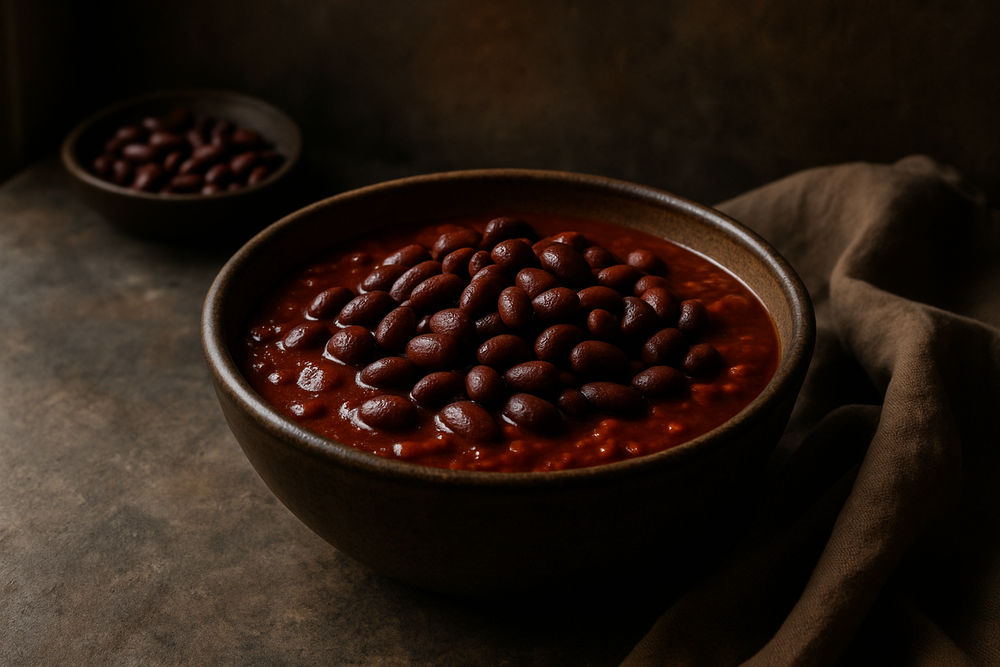
Sangre de Toro Beans · Photograph
Discover the nutrition facts and health benefits of Sangre de Toro beans — a deep-red heirloom variety packed with plant protein, fiber, and antioxidants. Learn how these heart-friendly, blood-sugar-supportive legumes compare to other red beans, how to cook them safely, and how much to eat per day.
Key Nutrients
% Daily Value based on 2,000 cal diet
Key active compounds
The health-related properties of Sangre de Toro beans trace back to a cluster of naturally occurring compounds. Here is what is inside each serving:
- Anthocyanins — Water-soluble flavonoid pigments responsible for the bean's deep red color. They act as antioxidants and may modulate inflammatory pathways, endothelial (blood vessel lining) function, and cell signaling. Red beans generally contain meaningful anthocyanin levels, though precise values for Sangre de Toro have not been independently published.
- Phenolic acids — A broad group of plant compounds (such as ferulic and caffeic acid) found in the seed coat and interior of beans. They contribute to antioxidant activity and may help reduce oxidative stress — damage to cells caused by unstable molecules called free radicals.
- Flavonols and other flavonoids — Polyphenolic compounds widely distributed in colored plant foods. They support antioxidant defenses and may influence inflammation and glucose metabolism, based on mechanistic and mixed-food research.
- Saponins — Naturally occurring glycoside compounds in many legumes. They may contribute to modest cholesterol-lowering by binding bile acids in the gut; most evidence comes from animal and cell studies.
- Resistant starch — A starch fraction that escapes digestion in the small intestine and is fermented in the colon by gut bacteria. It acts similarly to dietary fiber and is a key reason beans have a low glycemic index.
Prep and pairing ideas
Sangre de Toro beans are sturdy enough to hold their shape through long cooking times, making them ideal for:
- Classic Southwestern red chili — Simmer with dried ancho and guajillo chiles, cumin, smoked paprika, fire-roasted tomatoes, and a pinch of oregano. The beans' ruby pot likker deepens the broth color naturally.
- Bean and vegetable soup — Combine with diced carrots, celery, onion, and leafy greens like kale or chard. The beans provide the protein base while the greens add vitamin C, which helps your body absorb the beans' non-heme iron (the form of iron found in plants).
- Red bean and grain bowl — Spoon cooked Sangre de Toro beans over brown rice or farro, top with roasted vegetables, avocado, and a lime-cumin dressing. The whole grain adds complementary amino acids to round out the protein.
Pairing tip: Pair beans with a vitamin C–rich food (tomatoes, lime juice, bell peppers) in the same meal to meaningfully improve absorption of plant-based iron.
Bottom line
Sangre de Toro beans are a nutritionally rich, heirloom red bean with a strong evidence foundation — drawn from research on legumes and red beans broadly — supporting their role in heart health, blood sugar management, digestive function, and overall nutrient density. Their deep red color signals a meaningful anthocyanin content that makes them a standout among bean varieties for antioxidant potential.
No clinical trials have studied Sangre de Toro by name, so their benefits are reasonably inferred rather than directly proven. That said, the overall case for eating more legumes is one of the most robust in nutritional science. Sangre de Toro beans are safe, affordable, whole-food ingredients that fit naturally into Southwestern chilis, soups, and grain bowls — and their dramatic ruby broth is a bonus that commercial beans rarely match.
Always cook them fully, introduce them gradually, and consult your healthcare provider if you have a condition that might be affected by higher potassium, phosphorus, or fiber intake.
How Sangre de Toro Beans Compares
| Compared with | What's different |
|---|---|
| Sangre de Toro Beans vs. Red Kidney Beans | Sangre de Toro are smaller and hold their shape better during long simmers than larger kidney beans. |
| Sangre de Toro Beans vs. Pinto Beans | Sangre de Toro has a more robust, earthy flavor compared to the milder, creamier pinto bean. |
Health Benefits
Things to Know
Cook fully — this is non-negotiable.: Raw or undercooked beans contain lectins (proteins that bind to carbohydrates) at levels that can cause nausea, vomiting, and gastrointestinal distress within hours. Thorough soaking (8–12 hours, discard soaking water) followed by vigorous boiling for at least 10 minutes and then simmering until completely tender deactivates lectins effectively.
Start low and go slow.: If you are new to high-fiber foods, introducing beans gradually (¼ cup servings, 2–3 times per week) lets your gut microbiome adapt and reduces gas and bloating.
IBS and FODMAP sensitivity.: Beans contain fermentable carbohydrates called FODMAPs. People with irritable bowel syndrome (IBS) may experience increased symptoms; try small portions first and monitor tolerance.
Chronic kidney disease (CKD).: Beans are rich in potassium and phosphorus. People with advanced CKD who need to restrict these minerals should consult their dietitian or nephrologist before adding beans regularly.
Legume allergy.: If you have a known allergy to peanuts, soybeans, or other legumes, you may have cross-reactive sensitivity to new bean varieties. Seek medical guidance.
Diabetes medications.: Regular bean consumption can meaningfully improve blood sugar control, which is beneficial but may require a review of glucose-lowering medication doses with your healthcare provider.
Anticoagulants (such as warfarin).: Beans contain some vitamin K and other nutrients that can affect anticoagulation therapy. Keep your legume intake consistent rather than suddenly increasing it, and let your prescriber know about dietary changes.
Antihypertensive drugs.: The blood pressure–supporting potassium in beans can complement these medications; those on potassium-restricted diets should coordinate with their clinician.
Prep Ideas
- — Classic Southwestern red chili — Simmer with dried ancho and guajillo chiles, cumin, smoked paprika, fire-roasted tomatoes, and a pinch of oregano. The beans' ruby pot likker deepens the broth color naturally.
- — Bean and vegetable soup — Combine with diced carrots, celery, onion, and leafy greens like kale or chard. The beans provide the protein base while the greens add vitamin C, which helps your body absorb the beans' non-heme iron (the form of iron found in plants).
- — Red bean and grain bowl — Spoon cooked Sangre de Toro beans over brown rice or farro, top with roasted vegetables, avocado, and a lime-cumin dressing. The whole grain adds complementary amino acids to round out the protein.
Glossary
Shop This Ingredient
Stock your pantry with quality sangre de toro beans.
Buy on AmazonAs an Amazon Associate, Plantopedia earns from qualifying purchases. This costs you nothing extra and helps us keep the encyclopedia free.
Frequently Asked Questions
Heart and circulation The cardiovascular case for legumes is one of the most consistent findings in nutrition research. Large observational studies (studies that follow eating habits and health outcomes in real populations over time) and randomized controlled trials show that swapping refined carbohydrates or animal protein for beans can lower total and LDL ("bad") cholesterol, modestly reduce blood pressure, and improve overall cardiometabolic risk profiles. Eating legumes about 3–4 times per week — roughly ½ to 1 cup cooked per serving — has been associated with reduced risk of coronary heart disease in human populations. For Sangre de Toro specifically, the benefits are inferred rather than directly proven in clinical trials. The mechanisms that researchers point to include soluble fiber slowing cholesterol absorption, potassium supporting healthy blood pressure, and anthocyanins improving how blood vessels function. The evidence is strong for legumes as a category; Sangre de Toro, with its comparable nutrient and phytochemical profile, is a reasonable fit within that evidence. Digestive health and microbiome High-fiber beans feed the colon's beneficial bacteria — a community of microorganisms sometimes called the gut microbiome. When bacteria ferment (break down) resistant starch and soluble fiber from beans, they produce short-chain fatty acids (SCFAs) — compounds like butyrate that fuel the cells lining your colon, may reduce intestinal inflammation, and are linked to better overall gut integrity. Human studies show that regular legume intake increases total fiber intake, supports regular bowel movements, and promotes a more diverse and favorable microbiome over time. A common early hurdle is gas and bloating; these tend to diminish as your gut bacteria adapt, especially when you increase bean intake gradually and cook beans thoroughly. Blood sugar and metabolism Sangre de Toro beans have a naturally low glycemic index (GI) — a measure of how quickly a food raises blood glucose. Their combination of slowly digestible complex carbohydrates, resistant starch, and protein slows carbohydrate absorption and blunts post-meal blood sugar spikes. Clinical trials using beans and pulses in people with and without type 2 diabetes have shown improved post-meal glycemic responses and, in some studies, better long-term blood sugar control when beans replace higher-GI starches like white rice or bread. Most data pool different bean varieties rather than isolating Sangre de Toro, but because its starch, fiber, and protein content is comparable to other red beans, similar glycemic effects are expected. Inflammation and recovery Deeply colored red beans are among the highest-ranked plant foods by antioxidant capacity in laboratory analyses. Their anthocyanins and phenolic acids can neutralize free radicals and, in cell and animal studies, reduce markers of inflammation. In human research, legume-rich dietary patterns — particularly Mediterranean-style and plant-forward diets — have been linked to lower levels of C-reactive protein (CRP), a blood marker of systemic inflammation. It is important to note that most inflammation data for heirloom red beans specifically is still preliminary or mechanistic. Evidence is strongest for legumes as a broad food group within an overall healthy diet pattern, rather than for Sangre de Toro in isolation.
The heart-health focused eater Replacing even one weekly serving of red meat or refined starch with beans can support healthier LDL cholesterol levels. The potassium and magnesium content may complement a blood pressure–friendly eating pattern. Their low sodium content (when cooked from dried, without added salt) fits naturally into a heart-healthy diet. The plant-based athlete or active person At 8 g of protein per ½-cup serving, beans contribute meaningfully to daily protein goals without saturated fat. The iron and copper content supports oxygen transport and energy metabolism, important for sustained physical activity. Resistant starch and fiber support post-exercise gut comfort and steady energy release between meals.
Dried whole beans (soaked and fully cooked) This is the gold standard. Most clinical and epidemiological evidence on bean health benefits uses dried legumes soaked overnight and then boiled or simmered until completely tender. Dried beans also tend to produce the richest, most flavorful pot likker — especially relevant for Sangre de Toro's signature ruby broth. They are the most economical option and have the longest shelf life. Canned red beans (drained and rinsed) Nutritionally close to home-cooked dried beans. Canning uses heat that fully deactivates lectins (the potentially irritating compounds in raw beans), so safety is not a concern. The main trade-off is sodium — rinse canned beans under running water to reduce sodium by roughly 40%. Specific canned Sangre de Toro products exist but may be harder to source than standard kidney or small red beans. Bean-based soups, stews, and chilis This is how Sangre de Toro shines. Simmered in a Southwestern chili or hearty bean soup, they provide protein, fiber, and complex carbohydrates in a satisfying, savory form. When beans are the main ingredient rather than a garnish, you get the full serving-size benefits documented in research. Bean purees and spreads Mashing or pureeing whole cooked beans preserves most fiber and resistant starch. A red bean spread or dip retains the nutritional benefits of intact beans while making them more accessible as a snack.
Human legume studies most commonly use servings of ½ to 1 cup cooked beans, with total daily intakes ranging from ½ to 1½ cups cooked across a day. Population studies associate eating legumes 3–4 times per week — roughly ½ cup cooked per sitting — with measurable cardiovascular and metabolic benefits. If you are new to beans, start with ¼ cup (about 2 heaping tablespoons cooked) a few times per week and increase over 2–3 weeks as your digestive system adjusts. There is no established upper limit for healthy adults eating whole cooked beans, though very large amounts in a single sitting will increase gas and digestive transit changes. A practical daily target that reflects the research: ½ to 1 cup cooked Sangre de Toro beans per day, as part of a varied, whole-food diet. This aligns with both legume-specific trial protocols and broader dietary guidelines that recommend increasing legume intake as a primary protein and fiber source. If you want help building a legume-rich eating pattern that fits your specific health goals, explore our goals guide.
Quick Answers
Common questions, answered in a line.
Sangre de Toro beans are rich in anthocyanins, phenolic acids, flavonols, saponins, and resistant starch. These compounds contribute to the bean's deep red color and provide antioxidant, anti-inflammatory, and cholesterol-lowering properties.
You should soak Sangre de Toro beans for 8–12 hours, discard the water, and boil them vigorously for at least 10 minutes before simmering until tender. This process is essential to deactivate lectins, which can cause gastrointestinal distress if the beans are raw or undercooked.
Sangre de Toro beans support heart health through saponins that may lower cholesterol and fiber that helps manage blood sugar levels. Their high antioxidant content, particularly from anthocyanins and phenolic acids, helps protect cells from oxidative stress and inflammation.
You can use Sangre de Toro beans in Southwestern red chili, vegetable soups with leafy greens, or grain bowls featuring brown rice or farro. Because they are sturdy, they hold their shape well during long cooking times and produce a signature ruby-colored broth.
To maximize iron absorption from Sangre de Toro beans, you should pair them with foods rich in vitamin C, such as tomatoes, lime juice, or bell peppers. Combining them with whole grains like rice also helps create a meal with complementary amino acids.
People with chronic kidney disease (CKD), irritable bowel syndrome (IBS), or those on blood-thinning medications should consult a doctor before eating these beans. The high potassium, phosphorus, and fiber content can affect certain medical conditions or interact with specific drug treatments.
For Readers in the USA
Local context — sourcing, seasonality, and regional notes.
You can typically find Sangre de Toro beans at specialty grocers like Whole Foods Market, heirloom bean retailers like Rancho Gordo, or local farmers markets in the Southwest. While not as common as pinto beans in major chains like Kroger or Walmart, they are increasingly available through online specialty distributors focusing on non-GMO and heirloom seeds.
In the United States, Sangre de Toro beans are primarily associated with the Southwest and are most frequently grown and consumed in regions with warm, arid climates. They are a staple in Central American cuisine, particularly in Nicaragua and Honduras, and have gained popularity in Texas and California as part of the heirloom bean movement.
Sangre de Toro beans are often sold under the USDA Organic seal, which ensures they are grown without synthetic fertilizers or prohibited pesticides. When buying them in the U.S., look for the Non-GMO Project Verified label if you want to ensure they were produced using traditional breeding methods rather than genetic engineering.
While Sangre de Toro translates to "Bull's Blood," they are a distinct heirloom variety that is smaller and denser than the standard dark red kidney beans found in American supermarkets. They are often compared to the "Silk Bean" (Frijol de Seda) due to their smooth texture, though they maintain a much deeper ruby color when cooked.
AI Clinical Review
- Beans like Sangre de Toro are nutrient-dense sources of plant protein and fiber; the cited ½-cup cooked serving delivering ~8 g protein and ~7 g fiber is in line with standard nutrition data.
- The summary of legume benefits for cholesterol, blood sugar control, and gut health reflects consistent findings from human studies on mixed beans and pulses.
- Practical safety advice to fully cook dried beans (and to rinse canned beans to lower sodium) is accurate and important.
- The tip to pair beans with vitamin C–rich foods to improve non‑heme iron absorption is evidence-based and useful.
- There are no clinical trials specifically on Sangre de Toro; proposed benefits are inferred from red/small red beans with similar profiles.
- Anthocyanin and “antioxidant” content is suggested by deep color, but exact amounts and bioavailability for this heirloom variety are not well characterized.
- Microbiome and anti‑inflammatory effects are promising but variable across individuals and often come from dietary pattern or mechanistic studies rather than single‑variety trials.
- Cardiometabolic improvements from beans are generally modest and depend on what they replace in the diet (e.g., refined grains or red meat).
- Safety: Soak, bring to a vigorous boil for at least 10 minutes, then simmer until tender; avoid slow‑cooker–only starts for dried beans. Canned beans are already fully cooked.
- Amounts: A practical range for most adults is ½–1 cup cooked per day; if you’re new to high‑fiber foods, begin with ~¼ cup and increase gradually with adequate fluids.
- Who should be cautious: People with IBS/FODMAP sensitivity, advanced chronic kidney disease (potassium/phosphorus), and anyone with legume allergies—check with your clinician first.
- Medications: Monitor glucose if you use diabetes drugs that can cause hypoglycemia; if on warfarin or other anticoagulants, keep overall vitamin K intake consistent and inform your prescriber. Rinsing canned beans can substantially reduce sodium exposure.
Cook fully before eating.
References
- Harvard T.H. Chan School of Public Health — Legumes and Pulses (primary evidence review) (nutritionsource.hsph.harvard.edu)
- USDA FoodData Central — Beans, Dry, Small Red (FDC ID 747443) (fdc.nal.usda.gov)
- USDA FoodData Central — Main database (food composition reference) (fdc.nal.usda.gov)
- USDA ARS — Nutritive Value of Foods reference document (ars.usda.gov)
- Nutri-DB — Sangre de Toro / dry red bean nutrient data summary (nutri-db.com)
- Mamalycha — Sangre de Toro Beans product description (potassium, iron highlights) (mamalycha.com)
- Viguiliouk E. et al. (2012) — Effect of legumes on glycemic control and cardiovascular risk in type 2 diabetes (systematic review and meta-analysis, PLOS ONE) (doi.org)
- Ha V. et al. (2014) — Effect of dietary pulse intake on established therapeutic lipid targets (meta-analysis of RCTs, CMAJ) (doi.org)
- Dahl WJ & Stewart ML (2015) — Position of the Academy of Nutrition and Dietetics: health implications of dietary fiber (Journal of the Academy of Nutrition and Dietetics) (doi.org)
- NIH Office of Dietary Supplements — Iron fact sheet for consumers (non-heme iron absorption) (ods.od.nih.gov)
Know Your Numbers
Eating healthy is a start. Now get to know your biomarkers.
Food changes bloodwork — inflammation, lipids, blood sugar and nutrient status all respond to what you eat. 59 markers from $59.
- Results in 7–10 days at 2,000+ Quest sites
- Licensed provider reviews every result
- One flat price, no membership, HSA/FSA eligible
Educational information only, not medical advice. Panels are ordered and reviewed through our licensed partner; Plantopedia may earn a commission.