Cherokee Trail of Tears Beans — health benefits and uses
A Cherokee heritage bean preserved as a living memorial of the Trail of Tears.
The Short Answer
Cherokee Trail of Tears beans are a nutrient-dense heirloom legume providing 7.8g of protein and 7.5g of fiber per half-cup serving. These beans are rich in anthocyanins, the same heart-healthy antioxidants found in blueberries.
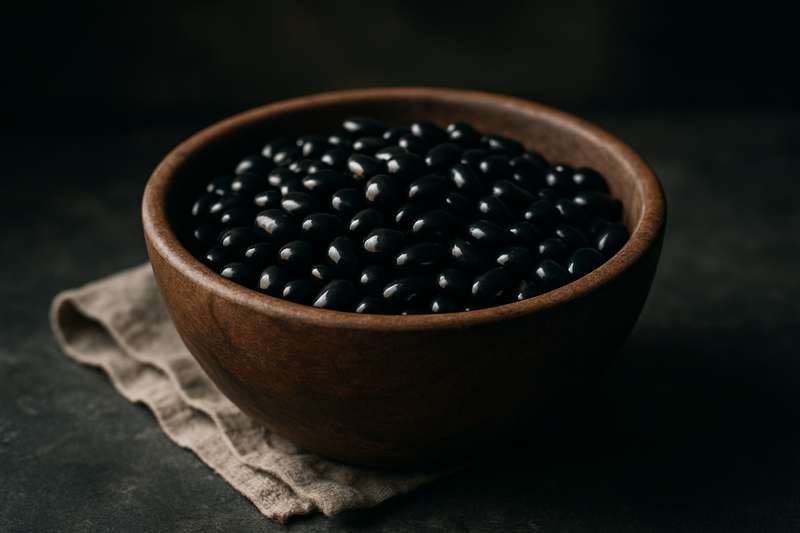
Cherokee Trail of Tears Beans · Photograph
Discover the Cherokee Trail of Tears beans health benefits, full nutrition profile, safe cooking tips, and how this historic heirloom black bean fits into a plant-based diet for heart, gut, and blood sugar support.
Key Nutrients
% Daily Value based on 2,000 cal diet
Key active compounds
Cherokee Trail of Tears beans are a whole food, so their benefits likely come from several compounds working together rather than any single "magic" ingredient.
- Dietary fiber — Both soluble fiber (which forms a gel in your gut and can help slow sugar absorption) and insoluble fiber (which adds bulk and supports regular bowel movements) are present in meaningful amounts.
- Resistant starch — A type of starch that passes through the small intestine largely undigested and is then fermented by bacteria in the large intestine, feeding beneficial gut microbes and producing short-chain fatty acids (compounds linked to gut wall integrity and metabolic health).
- Anthocyanins — Pigmented flavonoids (a subgroup of polyphenols, which are plant-based antioxidant compounds) responsible for the beans' shiny black color. Similar pigments appear in blueberries and purple cabbage. They may help reduce oxidative stress, meaning damage to cells caused by unstable molecules called free radicals.
- Polyphenols (broader class) — Dark-seeded beans like these tend to score highly on antioxidant capacity compared with lighter-colored beans.
- Phytates (inositol hexaphosphate) — Naturally occurring compounds in bean seeds. They can slightly reduce absorption of minerals like iron and zinc, but they also have their own antioxidant properties. Soaking and cooking reduce phytate levels.
- Lectins — Proteins naturally present in raw beans that can irritate the gut lining. Full cooking deactivates them completely.
- Folate (vitamin B9), magnesium, potassium, iron, zinc — Key micronutrients discussed in the nutrition section below.
Prep and pairing ideas
Basic dried bean method:
- Sort beans for stones, then rinse.
- Soak in cold water 6–12 hours (or use a quick soak: boil 2 minutes, turn off heat, soak 1 hour). Drain and rinse.
- Cover with fresh water by 2 inches. Bring to a boil, then simmer 60–90 minutes until completely tender. Add salt only in the last 15 minutes to keep skins from toughening.
- Drain and use immediately, or refrigerate up to 5 days or freeze up to 3 months.
Green snap bean method: Blanch in boiling water 3–5 minutes until bright and just tender. Toss with olive oil, garlic, and lemon zest, or sauté briefly with shallots.
Common pairings (and why they work)
1. Cherokee Trail of Tears beans + corn + winter squash ("Three Sisters") This Indigenous planting trio also makes nutritional sense on the plate. Corn provides readily available energy, squash adds beta-carotene and extra fiber, and the beans deliver the protein and lysine (an essential amino acid corn lacks). Together they form a complementary amino acid profile — meaning you get a broader range of protein building blocks than from any one food alone.
2. Dried black beans + tomatoes or citrus-dressed salsa Vitamin C from tomatoes and citrus dramatically improves the absorption of plant-based (non-heme) iron. A half-cup of these beans gives you about 10% of your daily iron — pairing them with vitamin C-rich foods can effectively double how much of that iron your body actually uses.
3. Cooked and cooled beans + grain bowl (brown rice, farro, or millet) Allowing beans to cool before eating — and even reheating them gently in a grain bowl — increases resistant starch content. Combining them with whole grains creates a meal with a very low overall glycemic load and a robust prebiotic fiber profile that benefits your gut microbiome.
Buying guide
Seeds for growing: Cherokee Trail of Tears beans are not commonly sold as a ready-to-eat canned product. Most people either grow them (seeds are available from Seed Savers Exchange, Rareseeds/Baker Creek, and the Alliance of Native Seedkeepers) or source dried beans through small heritage-seed or specialty food vendors online.
- What to look for on seed packets: Look for the descriptor "Cherokee Black" or "Cherokee Trail of Tears" with a note confirming Phaseolus vulgaris and pole-bean growth habit. Reputable sellers will describe the shiny jet-black seed color.
- For dried beans: Buy from a seller with good turnover. Beans older than 2–3 years will still cook safely but may take significantly longer and may have a drier, starchier texture.
- Canned equivalent: No commercial canned version currently exists. If you want a quick substitute, any high-quality canned black bean (look for low- or no-sodium varieties) will give you a comparable nutritional profile.
- Storage: Keep dried beans in an airtight container, away from light and heat. A cool pantry is ideal; the freezer works well for long-term storage.
Bottom line
Cherokee Trail of Tears beans are a deeply historical heirloom variety of black bean that double as a nutritionally serious food. Whether you grow them yourself or source dried seeds, the cooked bean delivers the same compelling nutrient package as any quality black bean: substantial fiber (great for your gut and blood sugar), solid plant protein, heart-supportive folate and potassium, and a rich antioxidant pigment profile that few common beans can match.
The evidence base for beans as a whole is strong — regular legume intake is associated with real benefits for cardiovascular health, glycemic control, and gut microbiome diversity. No studies have been done on this specific heirloom, but its nutritional profile gives us good reason to expect similar effects.
Always cook them fully. Introduce them gradually. And know that every bowl carries a story worth remembering.
Explore how beans and other legumes fit into specific health goals at Plantopedia's goals hub.
How Cherokee Trail of Tears Beans Compares
| Compared with | What's different |
|---|---|
| Cherokee Trail of Tears Beans vs. Common Black Bean | Shinier skin and a denser, creamier texture that holds its shape better in long stews. |
| Cherokee Trail of Tears Beans vs. Turtle Bean | Higher protein content and an edible pod if harvested early as a green snap bean. |
Health Benefits
Things to Know
Always cook fully.: Raw or undercooked beans — snap beans included — contain lectins that cause nausea, vomiting, and diarrhea. Full boiling for at least 10–15 minutes (and longer for dried beans) deactivates lectins completely.
Introduce gradually.: If you're not used to high-fiber foods, ramping up bean intake too quickly commonly causes gas, bloating, and cramping. Start with a few tablespoons of cooked beans and work up over 2–3 weeks.
Soaking helps digestion.: Soaking dried beans overnight and discarding the soaking water before cooking reduces some of the oligosaccharides (complex sugars that gut bacteria ferment and that produce gas). It also shortens cook time.
Kidney disease caution.: Beans are a meaningful source of potassium and phosphorus. If you have advanced chronic kidney disease and your doctor has recommended a low-potassium diet, discuss bean portions with your care team.
Diabetes medications.: Because beans genuinely can lower post-meal blood sugar, people using insulin or insulin-stimulating medications may notice their blood sugar runs lower than usual when they significantly increase legume intake. Monitor your readings and talk to your prescriber.
Potassium-altering medications.: ACE inhibitors, ARBs (common blood pressure drugs), and potassium-sparing diuretics can raise blood potassium levels. Adding substantial bean intake to these medications warrants a conversation with your doctor.
Anticoagulants (e.g., warfarin).: Beans are not high in vitamin K, but any significant dietary change while on blood thinners should be flagged with your healthcare team.
IBS (irritable bowel syndrome).: Some people with IBS find high-FODMAP foods — a category that includes beans — worsen symptoms. A registered dietitian can help you test tolerance or use low-FODMAP strategies.
Pregnancy.: Beans are generally encouraged in pregnancy for their folate content, which supports fetal neural tube development. That said, always follow your obstetric provider's dietary guidance.

Prep Ideas
- — Sort beans for stones, then rinse.
- — Soak in cold water 6–12 hours (or use a quick soak: boil 2 minutes, turn off heat, soak 1 hour). Drain and rinse.
- — Cover with fresh water by 2 inches. Bring to a boil, then simmer 60–90 minutes until completely tender. Add salt only in the last 15 minutes to keep skins from toughening.
- — Drain and use immediately, or refrigerate up to 5 days or freeze up to 3 months.
Glossary
Shop This Ingredient
Stock your pantry with quality cherokee trail of tears beans.
Buy on AmazonAs an Amazon Associate, Plantopedia earns from qualifying purchases. This costs you nothing extra and helps us keep the encyclopedia free.
Frequently Asked Questions
No human clinical trials have studied this specific heirloom variety in isolation. The benefits described below are drawn from the broader, well-established research on Phaseolus vulgaris beans and legumes in general — a reasonable inference given that their nutrition profile is essentially identical to other black beans. Heart and circulation Large prospective cohort studies (research tracking thousands of people over years) consistently link higher legume intake with lower risk of coronary heart disease and cardiovascular events. Clinical feeding trials using cooked beans typically show modest reductions in total and LDL cholesterol (the "bad" cholesterol) and blood pressure improvements. Three nutrients in these beans contribute to those effects: Soluble fiber can bind cholesterol-containing bile acids in the gut and help remove them from the body. Potassium helps counterbalance sodium's blood-pressure-raising effects. Folate helps regulate homocysteine (an amino acid that, at elevated levels, is associated with higher cardiovascular risk) in the blood. The Harvard Nutrition Source specifically highlights legumes as a heart-smart choice when they replace red and processed meats or refined starches — the substitution matters as much as the food itself. Digestive health and microbiome This is probably where the evidence is strongest. A half-cup serving of cooked Cherokee Trail of Tears beans delivers about 27% of your daily fiber target in one shot. That fiber: Adds bulk to stool, supporting regular bowel movements and reducing constipation risk. Acts as a prebiotic — food for beneficial bacteria (probiotics) in the large intestine. Is fermented into short-chain fatty acids like butyrate, which research suggests help maintain the gut lining and may reduce intestinal inflammation. The resistant starch content amplifies these benefits, especially if you eat the beans cooled (in a salad or cold dish) or reheat them after cooling — a process that increases resistant starch content compared with eating them fresh off the stove. Blood sugar and metabolism Beans have a low glycemic index (GI) — a measure of how quickly a food raises blood glucose compared with pure sugar. Their combination of fiber, resistant starch, and protein slows digestion and produces a steadier blood sugar curve than refined carbohydrates. Observational research consistently associates higher bean consumption with better fasting glucose profiles and lower type 2 diabetes risk. Feeding trials show that swapping refined grain foods for beans can meaningfully reduce post-meal blood sugar spikes. Eating beans cooled or in mixed dishes (such as chili or grain bowls) may further flatten the blood sugar response due to higher resistant starch levels. Evidence is still building, but it's consistently pointing in a positive direction. Inflammation and recovery Cherokee Trail of Tears beans' anthocyanins and polyphenols may contribute antioxidant and anti-inflammatory effects — meaning they could help reduce the chronic low-grade inflammation associated with heart disease, type 2 diabetes, and other conditions. Population studies show that people who eat legume-rich diets tend to have lower blood levels of inflammatory markers like C-reactive protein. That said, beans are always part of a broader dietary pattern in these studies, so isolating their specific anti-inflammatory contribution is difficult. Think of them as one strong piece of an overall anti-inflammatory eating approach rather than a standalone intervention.
Both forms are valuable, and the choice depends on what you're after. Dried black beans (fully cooked): Match the nutrition data cited in most research — higher in protein, fiber, and starch per serving. Ideal when you want maximum fiber, folate, and plant protein. Require full cooking from dried (soak optional but recommended for better texture and digestion) — see the preparation section below. Shelf-stable for 1–2 years when kept cool and dry in an airtight container. Green snap beans (young pods): Harvested when pods reach about 6–8 inches and show a purple-green blush. Eaten like any green bean — lower in starch and protein than the dried seed, but still a fresh vegetable source of fiber, vitamins, and those anthocyanin-rich pigments. Best treated as a fresh vegetable side rather than a protein or fiber-dense staple. Most clinical research on beans uses the dried-and-cooked form, so blood sugar, cholesterol, and gut benefits are better documented for dried beans. Bottom line: Use young pods as a beautiful, heritage-variety green vegetable. Rely on the dried black bean form when you want the full nutritional and research-backed benefits.
Most large nutrition studies associate meaningful health benefits with ½ to 1½ cups of cooked beans per day, or at minimum several servings per week. That's a wide range by design — the research consistently shows a dose-response pattern, meaning more is generally better up to a reasonable ceiling, but even one or two servings a week puts you ahead of people who eat no beans at all. Practical starting guidance: New to beans: Start with 2–3 tablespoons of well-cooked beans in a meal, 2–3 times a week. Give your gut 2–3 weeks to adapt before increasing portions. Experienced bean eater: ½ cup per sitting, once or twice daily, is well within the range studied in most clinical trials. Maximum useful dose: Research doesn't clearly define an upper limit for healthy individuals, but very large portions (3+ cups daily) may cause significant gas and bloating without proportionally greater benefit. One half-cup serving of cooked Cherokee Trail of Tears beans counts as both a vegetable serving and a protein serving under most dietary frameworks — making them one of the most efficient foods you can add to a plant-forward plate.
Quick Answers
Common questions, answered in a line.
Cherokee Trail of Tears beans must be boiled for at least 10–15 minutes (longer for dried versions) to deactivate lectins. These proteins are naturally present in raw beans and can cause nausea, vomiting, or diarrhea if the beans are not fully cooked.
Pairing Cherokee Trail of Tears beans with vitamin C-rich foods like tomatoes or citrus can effectively double the amount of iron your body absorbs. These beans provide about 10% of your daily iron per half-cup, but it is non-heme (plant-based) iron which requires vitamin C for better uptake.
Cherokee Trail of Tears beans contain anthocyanins, which are pigmented antioxidant flavonoids responsible for their shiny black color. These compounds help reduce oxidative stress by protecting cells from damage caused by unstable molecules called free radicals.
Soaking Cherokee Trail of Tears beans for 6–12 hours and discarding the water before cooking reduces oligosaccharides, the complex sugars that cause gas. This process also helps shorten the cooking time and reduces phytate levels, which can improve mineral absorption.
When paired with corn and winter squash—a combination known as the "Three Sisters"—Cherokee Trail of Tears beans provide lysine to create a complementary amino acid profile. This ensures you receive a broader range of protein building blocks than eating the crops individually.
Cooking and then cooling Cherokee Trail of Tears beans increases their resistant starch content, which feeds beneficial gut microbes. This type of starch passes through the small intestine undigested to produce short-chain fatty acids that support metabolic health.
People taking insulin, ACE inhibitors, or potassium-sparing diuretics should consult a doctor before significantly increasing their bean intake. The beans' ability to lower blood sugar and their high potassium content may interact with these specific medications.
For Readers in the USA
Local context — sourcing, seasonality, and regional notes.
Cherokee Trail of Tears beans grow best in USDA Hardiness Zones 3 through 10 during the warm summer months. Because they are pole beans, they require a long, frost-free growing season of approximately 65 to 90 days to reach full maturity for dried bean harvesting.
You can find these heirloom seeds through major US specialty suppliers like Seed Savers Exchange and Baker Creek Heirloom Seeds. While rarely found in national grocery chains like Kroger or Publix, the dried beans are occasionally sold at local farmers markets in the Southeast and Southern Appalachia.
The USDA Organic seal ensures these heirloom beans were grown without synthetic fertilizers or pesticides, which is a common standard for many small-scale heritage seed producers. While the beans themselves are a natural whole food, the FDA recommends thorough cooking to neutralize lectins found in all Phaseolus vulgaris varieties.
These beans are a cornerstone of the "Three Sisters" agricultural tradition, a sustainable planting method used by the Cherokee and other Indigenous nations across North America. In a modern US culinary context, they are prized by Appalachian heritage chefs and home gardeners for their deep cultural history and "meaty" texture.
AI Clinical Review
- Uses black bean (Phaseolus vulgaris) nutrition as an appropriate proxy: ~7–8 g each of fiber and protein per ½ cup cooked, with meaningful folate, magnesium, potassium, and iron.
- Accurately reflects the evidence that regular legume intake can improve cardiometabolic markers (LDL cholesterol, blood pressure, post‑meal glucose) when they replace refined carbs or processed meats.
- Explains fiber, resistant starch, and short‑chain fatty acids (like butyrate) in plain language, including the practical note that cooling/reheating can raise resistant starch.
- Emphasizes essential safety: beans must be fully cooked to deactivate lectins; gradual introduction helps limit gas and bloating.
- No clinical trials isolate Cherokee Trail of Tears beans; any anthocyanin‑related “edge” over other black beans is plausible but not quantified.
- Resistant starch content varies with soaking, cooking, and cooling methods; the exact metabolic impact size differs person to person.
- Most links to lower disease risk come from observational studies; benefits likely reflect both the beans themselves and what they replace in the diet.
- Reasonable intake: if new to legumes, start with 2–3 tablespoons and build toward ½–1½ cups cooked per day as tolerated.
- Medication and condition cautions: discuss portions if you have advanced chronic kidney disease (potassium/phosphorus); monitor glucose if using insulin or insulin‑stimulating drugs; ACE inhibitors/ARBs or potassium‑sparing diuretics can raise potassium; flag significant diet shifts if on warfarin.
- IBS/FODMAP sensitivity is common; soaking, rinsing, thorough cooking, and smaller portions may improve tolerance—check with a dietitian if symptoms persist.
- Form matters: dried, fully cooked beans align with most research; young snap pods function more like a vegetable (lighter in protein/starch). If you can’t source this heirloom dry, standard canned black beans are a practical nutritional stand‑in (rinse to reduce sodium).
Cook fully whether used as snap beans or dried beans.
References
- Harvard T.H. Chan School of Public Health – Legumes and Pulses overview (nutritionsource.hsph.harvard.edu)
- USDA FoodData Central – Black beans, cooked, boiled, without salt (SR Legacy #173735) (fdc.nal.usda.gov)
- Seed Savers Exchange – Cherokee Trail of Tears Bean catalog entry and history (shop.seedsavers.org)
- Alliance of Native Seedkeepers – Cherokee Trail of Tears Pole Bean Seeds (allianceofnativeseedkeepers.com)
- Rareseeds / Baker Creek – Cherokee Trail of Tears bean listing (rareseeds.com)
- Annie's Heirloom Seeds – Cherokee Trail of Tears Bean description (anniesheirloomseeds.com)
- GraspRoot / USDA FDC sourced nutritional data for black beans (grasproot.com)
- Batchbase – Boiled black beans nutrient breakdown (USDA-sourced) (batchbase.com.au)
- Food-Nutrition-Facts – Black beans complete nutrition overview (food-nutrition-facts.com)
- TryNutriSnap – Black Beans nutrition summary (USDA SR Legacy) (trynutrisnap.com)
Know Your Numbers
Eating healthy is a start. Now get to know your biomarkers.
Food changes bloodwork — inflammation, lipids, blood sugar and nutrient status all respond to what you eat. 59 markers from $59.
- Results in 7–10 days at 2,000+ Quest sites
- Licensed provider reviews every result
- One flat price, no membership, HSA/FSA eligible
Educational information only, not medical advice. Panels are ordered and reviewed through our licensed partner; Plantopedia may earn a commission.