Seed Cheese — health benefits and uses
Fat, texture, and satiety angle; clarify strict WFPB vs flexible plant-based use
The Short Answer
Seed cheese is a dairy-free, nut-free spread made by blending soaked seeds like sunflower or hemp with water, acid, and seasonings. It provides 5g of protein and 52% of the DV for Copper per 1/4 cup serving, making it a nutrient-dense whole-food substitute for

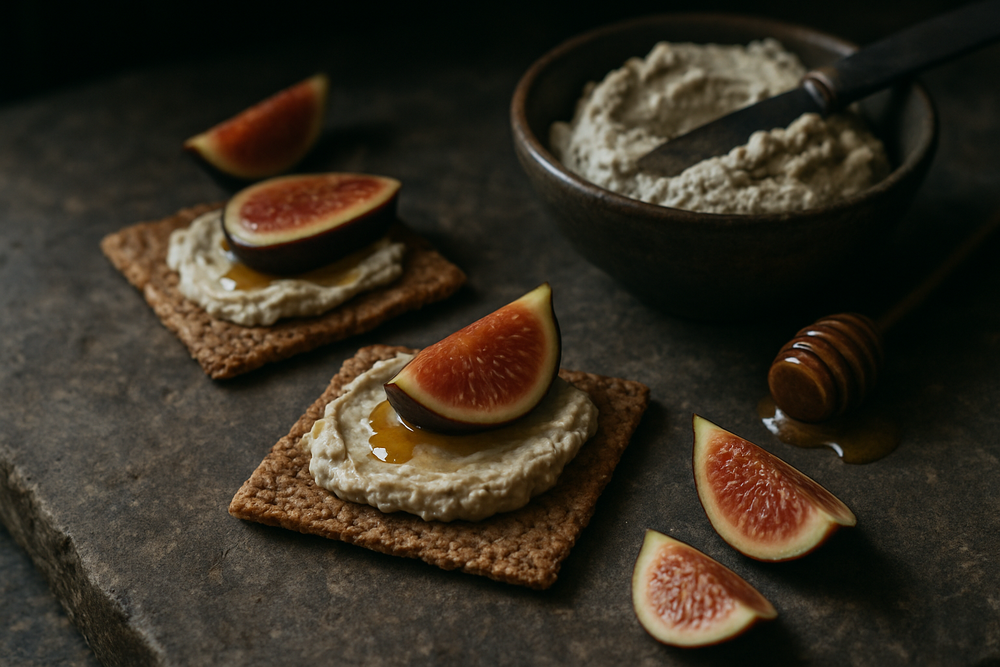
Seed Cheese · Photograph
Seed cheese is exactly what it sounds like: a creamy, spreadable, cheese-like food made entirely from seeds. No dairy. No nuts. Just blended sunflower seeds, pumpkin seeds, sesame, or hemp — combined with water, an acid, and seasonings — transformed into a satisfying condiment that can anchor a sandwich, top a grain bowl, or replace a cheese sauce. There is no formal Latin binomial for seed cheese because it is a preparation rather than a single plant species; the seeds most commonly used include Helianthus annuus (sunflower), Cucurbita pepo (pumpkin), Sesamum indicum (sesame), and Cannabis sativa (hemp).
Key Nutrients
% Daily Value based on 2,000 cal diet
Key active compounds and phytochemicals
The nutritional personality of seed cheese is shaped by the seeds used. Here are the main plant compounds worth knowing:
- Phytosterols — Plant-derived sterols (sterol = a type of naturally occurring fat-like molecule) found in high amounts in sunflower and other seeds. They compete with cholesterol for absorption in the gut, which can modestly lower LDL ("bad") cholesterol over time.
- Lignans — Polyphenolic compounds (a broad family of antioxidant plant chemicals) that are especially abundant in flaxseed and present in smaller amounts in sesame and other seeds. Gut bacteria convert them into compounds called enterolignans, which have weak hormone-like activity and are studied for potential roles in breast cancer risk and cardiovascular health.
- Phenolic acids and flavonoids — A broad class of antioxidant and anti-inflammatory plant compounds found in seed coats. They may help modulate inflammation and oxidative stress (cellular damage from unstable molecules called free radicals) in the context of an overall plant-rich diet.
- Alpha-linolenic acid (ALA, omega-3) — An essential omega-3 fatty acid found in meaningful amounts in flax, chia, and hemp seeds. The body can partially convert ALA to EPA and DHA (the longer-chain omega-3s found in fish oil), though conversion is limited. ALA contributes to anti-inflammatory effects.
- Carotenoids (in some recipes) — Pigmented antioxidants such as beta-carotene from carrots or red peppers that are often blended into vegan cheese sauces. They act as antioxidants and precursors to vitamin A.
What form of seed cheese is healthiest? Homemade vs commercial vs fermented
The "form" question matters more for seed cheese than for almost any other plant-based ingredient, because the range goes from genuinely whole-food to highly processed fat product.
Homemade whole-seed cheese (best WFPB fit): Typically made by soaking raw sunflower, pumpkin, sesame, or hemp seeds overnight, then blending with water, lemon juice or vinegar, salt, nutritional yeast (a deactivated yeast with a savory, cheesy flavor), garlic, and herbs. No extracted oil. This retains the fiber and most of the nutrients of the seeds, keeps saturated fat low, and aligns cleanly with WFPB principles. Use it as a spread, dip, or dollop over dishes.
Seed + vegetable hybrid sauces (lower-fat option, great for weight management): Some vegan cheese sauces combine a smaller amount of seeds or cashews with starchy vegetables like potatoes and carrots, plus nutritional yeast. This bulks out the sauce with water-heavy whole foods, reducing calories and fat per serving while maintaining a creamy, cheesy profile. These are often the preferred choice for people managing weight or total fat intake on a WFPB plan.
Commercial seed-based cheese spreads and slices (use cautiously):
How Seed Cheese Compares
| Compared with | What's different |
|---|---|
| Seed Cheese vs. Cashew Cheese | Made from nuts; contains lower mineral content like Copper and Magnesium compared to sunflower seeds. |
| Seed Cheese vs. Dairy Cream Cheese | Typically higher in saturated fat and contains no fiber or seed-based phytosterols. |
Health Benefits
Shop This Ingredient
Stock your pantry with quality seed cheese.
Buy on AmazonAs an Amazon Associate, Plantopedia earns from qualifying purchases. This costs you nothing extra and helps us keep the encyclopedia free.
Frequently Asked Questions
There are currently no clinical trials testing seed cheese directly as a food product. The benefits discussed below are inferred from well-established human research on whole seeds, nuts, and dietary fat quality. This is an important distinction: what we know about seeds does not automatically apply to every product labeled "seed cheese." Heart health and circulation Multiple cohort studies (large population studies that follow people over time) and randomized controlled trials show that replacing animal fats and refined carbohydrates with nuts and seeds improves lipid profiles (the balance of cholesterol and triglycerides in your blood) and is associated with lower cardiovascular disease risk. The likely mechanisms include higher intakes of unsaturated fats, fiber, plant protein, and phytosterols from seeds, alongside lower saturated fat compared to red meat and full-fat dairy. The practical translation: When a simple whole-seed cheese replaces butter, cream cheese, or standard dairy cheese in your diet, you are likely shifting your fat quality in a favorable direction. Research published through the Harvard Nutrition Source notes that dairy cheese is energy-dense, often high in saturated fat and sodium, and works better as a condiment than a main protein source — exactly the same framing that applies to seed cheese. The critical caveat: Many commercial vegan cheeses contain coconut oil or palm oil — both high in saturated fat — which can fully negate the cardiovascular advantage of the seed label. Always check the ingredient list. Digestive health and microbiome support Human studies on whole seeds show that diets higher in plant foods, nuts, and seeds support more diverse gut microbiomes (the community of bacteria and other microbes living in your digestive tract) and more regular bowel movements, largely due to fiber and fermentable plant compounds (prebiotics — non-digestible food components that feed beneficial gut bacteria). A minimally processed whole-seed cheese retains some of this fiber and may support satiety and bowel regularity when substituted for fiber-free animal cheeses. However, recipes that strain out the seed solids or rely heavily on starch provide far less digestive benefit. Caution for sensitive digestion: In individuals with irritable bowel syndrome (IBS) or other digestive sensitivities, large amounts of high-fiber seed preparations can cause bloating or discomfort. Start with small portions and adjust based on your tolerance. Blood sugar and metabolic health Randomized controlled trials with flax and chia seeds (at about 25–50 g per day) show modest improvements in postprandial (after-meal) blood glucose and insulin responses, and over weeks to months, slight improvements in HbA1c (a 3-month average blood sugar marker) in people with type 2 diabetes. The likely mechanism is that fat, fiber, and protein slow digestion, which smooths the blood sugar rise after a meal. A seed cheese used as a condiment over vegetables or whole grains can have a similar — if modest — effect: it adds fat, fiber, and protein to a meal, which slows carbohydrate absorption compared to, say, a jam or a refined spread. The portion matters: most seed cheese servings are 1–2 tablespoons, so the absolute glycemic effect is small. Recipes that add refined flour or sugar undermine this benefit entirely. Inflammation and recovery Prospective cohort studies and dietary intervention trials consistently show that overall plant-rich dietary patterns are associated with lower circulating levels of inflammatory markers such as CRP (C-reactive protein, a blood marker of systemic inflammation) and IL-6 compared to Western patterns high in processed meats and refined carbohydrates. Specific trials with flaxseed show modest reductions in CRP in some populations. Seed cheese contributes to anti-inflammatory potential primarily as part of a broader shift toward plant-based eating — not as a standalone anti-inflammatory food. Seeds rich in omega-3 ALA (flax, chia, hemp) have the strongest mechanistic case; sunflower and pumpkin seed cheeses still provide unsaturated fats and antioxidants but have a higher omega-6:omega-3 ratio, which is less ideal in excess. Hormones and cycle health Most hormone-related evidence involves flaxseed lignans specifically, which have been studied for modest effects on estrogen metabolism and potential relevance to hormone-sensitive breast cancer risk and menopausal symptoms. These effects appear at around 25–50 g of ground flaxseed per day — more than most people consume through a condiment serving. For a general sunflower or pumpkin seed cheese, the direct hormonal impact is likely minimal. The indirect benefit — replacing high-saturated-fat dairy in a diet that also improves weight and insulin sensitivity — is more relevant for hormone-related conditions like PCOS (polycystic ovary syndrome) and metabolic syndrome. Satiety and weight management Nuts and seeds are consistently associated with better long-term weight management in prospective human studies despite their calorie density, likely because of high satiety (the feeling of fullness after eating) and incomplete fat absorption from plant cell walls. A tablespoon of seed cheese on an otherwise low-calorie, high-fiber meal — like a vegetable wrap or grain bowl — can increase satisfaction and reduce the urge to reach for less healthy options. The flip side is real: using seed cheese liberally as a sauce, a dip, and a spread all in the same meal adds up quickly. At approximately 50 calories per tablespoon, four generous tablespoons is 200 extra calories — significant for anyone managing energy intake.
Quick Answers
Common questions, answered in a line.
Seed cheese is a dairy-free, nut-free spread made by blending seeds like sunflower, pumpkin, sesame, or hemp with water, seasonings, and an acid. It serves as a plant-based alternative to traditional cheese sauces or condiments for sandwiches and grain bowls.
The healthiest versions of seed cheese are homemade whole-seed varieties or seed-and-vegetable hybrids that avoid extracted oils. These versions retain natural fiber and nutrients while keeping saturated fat levels low, aligning with whole-food plant-based principles.
Seed cheese is rich in phytosterols, lignans, phenolic acids, and flavonoids, which contribute to its antioxidant and anti-inflammatory properties. Depending on the seeds used, it can also provide essential alpha-linolenic acid (ALA), a plant-based omega-3 fatty acid.
Yes, seed cheese can support heart health because it contains phytosterols that compete with cholesterol for absorption in the gut. These plant-derived sterols may help modestly lower LDL ("bad") cholesterol over time as part of a plant-rich diet.
You can make a lower-fat seed cheese by blending a small amount of seeds with starchy vegetables like potatoes and carrots. This hybrid method uses water-heavy whole foods to reduce total calories and fat per serving while maintaining a creamy, cheesy texture.
Common ingredients for homemade seed cheese include soaked raw seeds, lemon juice or vinegar, salt, garlic, herbs, and nutritional yeast. Nutritional yeast is a deactivated yeast frequently added to provide a savory, cheesy flavor profile without using dairy.
For Readers in the USA
Local context — sourcing, seasonality, and regional notes.
You can find commercial seed-based cheeses at national retailers like Whole Foods Market, Sprouts Farmers Market, and increasingly in the "Plant-Based" or "Natural" aisles of Kroger and Safeway. Specialty brands like Spero Foods specialize in sunflower-based dairy alternatives and are widely available across the United States.
In the US, sunflower seeds and pumpkin seeds (pepitas) are often grown in the Midwest and Pacific Northwest, making them the most affordable and sustainable local options for homemade seed cheese. These seeds are available year-round at bulk bins in local food co-ops and farmers markets across all 50 states.
Look for the USDA Organic seal to ensure the seeds used in your cheese were grown without synthetic pesticides or fertilizers, and check for the "Non-GMO Project Verified" butterfly logo. Because seed cheese is a concentrated product, choosing organic can help minimize potential exposure to pesticide residues often found on conventional oilseeds.
The FDA requires all commercial seed-based products to clearly label the specific seed source and any secondary "Big 9" allergens, such as sesame, which was recently added to the major allergen list. Ensure you read the ingredient deck carefully if you have sensitivities to specific seeds or frequently added thickeners like agar-agar or carrageenan.
AI Clinical Review
- Clearly distinguishes whole‑seed, minimally processed options from coconut‑oil/starch‑based vegan cheeses and explains why saturated fat and sodium change the health profile.
- Accurately frames expected benefits as those seen with seeds generally: more unsaturated fat, fiber, and phytochemicals (phytosterols, lignans) that support healthier cholesterol patterns and cardiometabolic markers.
- Sensibly positions seed cheese as a condiment where portion size (about 1–2 tablespoons) drives whether it’s helpful or just extra calories.
- Notes that omega‑3–rich seeds (flax, chia, hemp) can support an overall anti‑inflammatory dietary pattern, while acknowledging sunflower/pumpkin are higher in omega‑6.
- There are no clinical trials on “seed cheese” itself; benefits are extrapolated from studies on whole seeds and nuts. Different recipes (with or without oil, strained vs whole) likely produce different health effects.
- Microbiome and inflammation benefits are plausible but modest at condiment‑sized servings; fiber‑reduced formulations will offer less benefit.
- Lignan‑related hormone effects largely come from higher‑dose flaxseed trials (about 25–50 g/day); typical seed‑cheese portions are below that range.
- Ingredients matter: look for versions made from whole seeds, water, acid, and seasonings. Limit products heavy in coconut/palm oil and high sodium; fermented versions add tang, but added health advantages beyond taste are not well studied.
- Portion guidance: 1–2 tablespoons (15–30 g) per meal is a reasonable starting point; 4 tablespoons can add ~200 kcal.
- Allergies and sensitivities: sesame is a common allergen in the U.S.; introduce new seed cheeses cautiously if you have seed/nut allergies. Those with IBS or sensitive digestion may prefer small amounts to test tolerance.
- Special situations: if you have a history of hormone‑sensitive cancers, recurrent kidney stones, or take anticoagulant/antiplatelet medications, discuss frequent or high‑flax/sesame use with your clinician and keep intake consistent rather than sporadically high.
Flag strict WFPB limitations for extracted oils and highly processed fat products.
References
- PMC, National Library of Medicine — Nutritional Profiles of Non-Dairy Plant-Based Cheese Alternatives (pmc.ncbi.nlm.nih.gov)
- PubMed — An Investigation Into Impact of Date Seed Bioactive Compound Addition on the Quality Attributes, Shelf Life, In Vitro Digestibility, and Bioactive Properties of Cottage Cheese (pubmed.ncbi.nlm.nih.gov)
- PMC, National Library of Medicine — Nutritional Quality of Plant-Based Cheese Available in Spanish Supermarkets: How Do They Compare to Dairy Cheese? (pmc.ncbi.nlm.nih.gov)
- USDA FoodData Central — USDA FoodData Central (fdc.nal.usda.gov)
Know Your Numbers
Eating healthy is a start. Now get to know your biomarkers.
Food changes bloodwork — inflammation, lipids, blood sugar and nutrient status all respond to what you eat. 59 markers from $59.
- Results in 7–10 days at 2,000+ Quest sites
- Licensed provider reviews every result
- One flat price, no membership, HSA/FSA eligible
Educational information only, not medical advice. Panels are ordered and reviewed through our licensed partner; Plantopedia may earn a commission.