Sesbania Flowers (Agati) — health benefits and uses
A traditional South Asian food-medicine flower used in seasonal tonics.
The Short Answer
Sesbania flowers, also known as Agati, are edible legume blossoms valued for their high Vitamin C content and antioxidant properties. They have a mildly bitter taste that mellows when cooked, typically by removing the green calyx and sauteing with eggs or
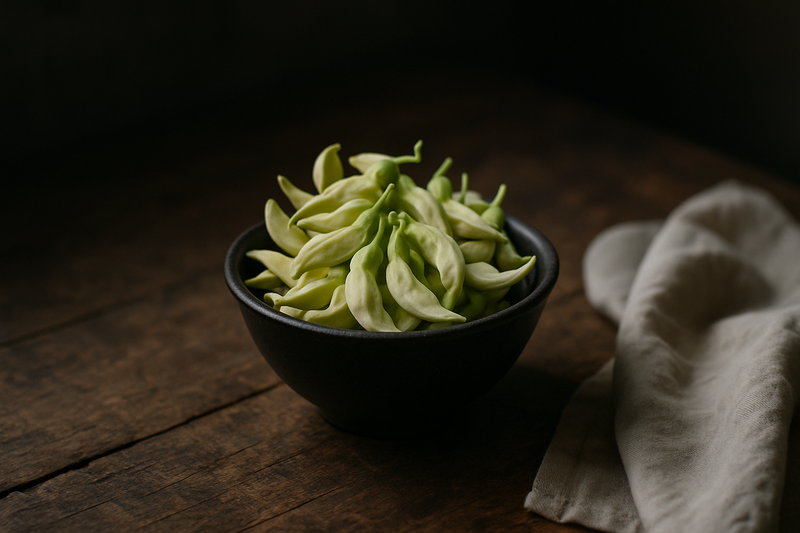
Sesbania Flowers (Agati) · Photograph
Discover Sesbania (agathi) flower health benefits, full nutrition facts, and safe prep tips. Learn how this mildly bitter South Asian legume flower supports vitamin C intake, iron levels, and heart health — plus how to cook it properly at home.
Key Nutrients
% Daily Value based on 2,000 cal diet
Key active compounds in Sesbania grandiflora flowers
Beyond basic macronutrients (carbohydrates, protein, and a trace of fat), the flowers contain a range of phytochemicals — naturally occurring plant compounds that aren't classified as essential nutrients but may contribute to health:
- Delphinidin glucosides — A type of anthocyanin (a blue-purple pigment-class flavonoid) with antioxidant activity in lab studies. Antioxidants help neutralize free radicals, unstable molecules that can damage cells.
- Kaempferol and other flavonoids — Flavonoids are a large family of polyphenolic compounds (polyphenol = plant compound with multiple rings of carbon and hydrogen atoms linked to hydroxyl groups). Kaempferol is linked to anti-inflammatory effects in experimental models.
- Tannins — Astringent polyphenols that contribute to the flower's mild bitterness. They can bind minerals and proteins, which at very high intakes might reduce iron absorption, though amounts in a typical serving are modest.
- Oleanolic acid — A triterpenoid (a fat-soluble plant compound built from five-carbon isoprene units), found in the flower extract and studied in other plants for potential liver-protective effects.
- SF2 protein fraction — A protein-rich fraction isolated from the flowers. In laboratory cell cultures, it triggered apoptosis (programmed cell death) in human cancer cell lines. This is early-stage, in-vitro (test tube) data only — it does not mean eating the flowers treats cancer.
Prep and pairing ideas
Agathi flowers are a genuinely versatile vegetable once you get past their mild bitterness. The bitterness mellows considerably with cooking, especially when balanced with fat, eggs, or acidic ingredients.
Step-by-step prep:
- Rinse the flowers gently under cool water.
- Pinch off and discard the green calyx at the base of each flower.
- Remove any visible stamens (the pollen-bearing inner structures) if desired — some cooks leave them in.
- Cook by one of the methods below.
Three practical pairings:
- Agathi flower + eggs (omelet-style): A classic in South Indian and Sri Lankan home cooking. The fat and protein in eggs temper the bitterness and carry the flowers' subtle floral notes. The egg-vitamin C combination is nutritionally smart too: vitamin C from the flowers can help your body absorb the non-heme (plant-sourced) iron in this meal.
- Agathi flower + coconut milk curry: Simmered with shallots, turmeric, and thin coconut milk, the flowers soften completely and absorb warming spice. Turmeric adds its own anti-inflammatory compound, curcumin, making this pairing doubly antioxidant-friendly.
- Agathi flower + lemon juice (steamed side dish): Steam flowers until just tender (3–4 minutes), squeeze fresh lemon juice over them, and serve. The acidity brightens the flavor and adds more vitamin C. This is one of the nutrient-preservation-optimal ways to eat them.
Bottom line
Sesbania grandiflora flowers — agathi — are an underappreciated whole plant food with a genuinely impressive micronutrient-to-calorie ratio. Per cup of cooked flowers, you get nearly half your daily vitamin C, a useful dose of folate, and a spread of minerals including potassium, calcium, iron, and magnesium, all for fewer calories than a small cracker.
The evidence for specific health outcomes is mostly indirect: strong for legumes as a category, promising but early-stage for the flowers' phytochemicals, and currently absent for direct human clinical trials on Sesbania flowers themselves. This means we can be confident about their nutritional value and reasonably optimistic about their role in an anti-inflammatory, plant-rich dietary pattern — but we should not overstate them as treatments for any condition.
If you live in or have access to South Asian, Sri Lankan, or Southeast Asian markets, agathi flowers are worth trying. Cook them, remove the calyx, pair them with eggs or coconut-based curries, and treat them as a flavorful micronutrient boost within a varied diet.
Want to explore more low-calorie, antioxidant-rich plant foods like agathi flower? Browse the Plantopedia goals guide to find ingredients matched to your health priorities.
How Sesbania Flowers (Agati) Compares
| Compared with | What's different |
|---|---|
| Sesbania Flowers (Agati) vs. Squash Blossoms | Sesbania flowers have a firmer, more fibrous texture and a distinctively bitter flavor profile. |
| Sesbania Flowers (Agati) vs. Banana Blossoms (Hearts) | Sesbania is a legume flower with 38 mg of Vitamin C, whereas banana hearts are starchy and neutral. |
Health Benefits
Things to Know
Always cook Sesbania flowers.: Raw flowers are unpleasantly bitter and may be harder to digest. Light cooking — steaming, stir-frying, or simmering in a curry — is standard practice.
Remove the green calyx first.: The calyx (the tough, bitter green cup at the base of each flower) is typically removed before cooking. It contributes excess bitterness and is not necessary nutritionally.
Legume allergy.: If you have a documented allergy to the Fabaceae (legume) family — which includes peanuts, soybeans, lentils, and chickpeas — introduce Sesbania flowers cautiously, as cross-reactivity is theoretically possible.
Sensitive digestion / IBS.: Start with a small portion (about ½ cup cooked) and observe for gas or bloating before eating larger amounts.
Pregnancy.: The flowers are a useful folate source, but folate from food should complement — not replace — prescribed prenatal supplements. Avoid concentrated extracts during pregnancy due to lack of safety data.
Diabetes medications / insulin.: Increasing legume intake broadly can modestly affect blood sugar. If you are adjusting your diet significantly, monitor glucose with your healthcare team.
Anticoagulants and multi-drug users.: No specific interactions are documented for food-quantity Sesbania flower intake. Avoid concentrated supplements if you are on warfarin or multiple medications until more data are available.
Kidney stones.: Sesbania flowers have not been specifically implicated in oxalate-related stones, but those with a history of kidney stones should discuss any new high-plant-food dietary pattern with their urologist.

Prep Ideas
- — Rinse the flowers gently under cool water.
- — Pinch off and discard the green calyx at the base of each flower.
- — Remove any visible stamens (the pollen-bearing inner structures) if desired — some cooks leave them in.
- — Cook by one of the methods below.
- — Agathi flower + eggs (omelet-style): A classic in South Indian and Sri Lankan home cooking. The fat and protein in eggs temper the bitterness and carry the flowers' subtle floral notes. The egg-vitamin C combination is nutritionally smart too: vitamin C from the flowers can help your body absorb the non-heme (plant-sourced) iron in this meal.
- — Agathi flower + coconut milk curry: Simmered with shallots, turmeric, and thin coconut milk, the flowers soften completely and absorb warming spice. Turmeric adds its own anti-inflammatory compound, curcumin, making this pairing doubly antioxidant-friendly.
- — Agathi flower + lemon juice (steamed side dish): Steam flowers until just tender (3–4 minutes), squeeze fresh lemon juice over them, and serve. The acidity brightens the flavor and adds more vitamin C. This is one of the nutrient-preservation-optimal ways to eat them.
Shop This Ingredient
Stock your pantry with quality sesbania flowers (agati).
Buy on AmazonAs an Amazon Associate, Plantopedia earns from qualifying purchases. This costs you nothing extra and helps us keep the encyclopedia free.
Frequently Asked Questions
One honest caveat up front: there are no published randomized controlled trials (the gold standard of nutrition research) that specifically tested Sesbania flowers in humans. The benefit evidence below draws on the flowers' nutrient and phytochemical profile, plus extrapolation from the strong body of evidence on legumes in general. Heart and circulation Potassium, folate, and vitamin C all have documented roles in cardiovascular health. Potassium helps the kidneys excrete sodium, which supports healthy blood pressure. Folate reduces circulating homocysteine (an amino acid that, at high levels, is associated with increased cardiovascular risk). Vitamin C supports the structural integrity of blood vessel walls via collagen synthesis (collagen is the main protein scaffold of connective tissue, including arteries). At the legume category level, Harvard's Nutrition Source cites large prospective cohorts — long-term studies following thousands of people — showing that eating legumes regularly is associated with lower LDL cholesterol and reduced coronary heart disease risk. Sesbania flowers share the low-fat, folate-and-potassium-rich profile of cardioprotective legumes, but direct Sesbania-specific human data on lipids or blood pressure events do not yet exist. Digestive health and microbiome Sesbania flowers contain dietary fiber and indigestible carbohydrate fractions. Fiber — particularly from legume sources — is consistently linked to improved bowel regularity and a more diverse gut microbiome (the community of bacteria and other microorganisms living in your large intestine). A diverse microbiome is associated with reduced inflammation and better overall metabolic health. No human trials have specifically examined Sesbania flower intake and digestive outcomes. Based on composition alone, modest portions are unlikely to cause problems for most people; those new to legume-rich foods may experience some gas or bloating as their microbiome adjusts. Blood sugar and metabolism Replacing refined carbohydrates with legumes lowers the overall glycemic index (a measure of how quickly a food raises blood sugar) of a meal and can improve insulin sensitivity (how well the body's cells respond to insulin, the hormone that moves glucose out of the blood). Sesbania flowers are very low in total carbohydrate per serving (5.4 g) and contain essentially no fat, making them unlikely to cause large blood sugar spikes in typical culinary quantities. No human trials have tracked fasting glucose or HbA1c (a 3-month average blood sugar marker) in response to eating Sesbania flowers specifically. People with diabetes who increase legume intake more broadly should monitor their response with their healthcare team. Inflammation and recovery Vitamin C is the most evidence-backed anti-inflammatory nutrient in the flowers. It acts as a direct antioxidant in blood plasma and also regenerates vitamin E, another fat-soluble antioxidant. The flavonoids — particularly delphinidin glucosides and kaempferol — show anti-inflammatory activity in cell and animal studies, but human clinical data translating these effects to dietary doses from Sesbania flowers are not available. The SF2 protein fraction's in-vitro cytotoxic (cell-killing) activity is intriguing from a research perspective, but eating cooked flowers is a very different biological scenario from exposing isolated cancer cells to a concentrated protein fraction in a lab dish.
Fresh, cooked flowers are the form with the clearest safety track record and the most nutritional data behind them. Here's how the options compare: Fresh flowers, cooked in curries or stir-fries — The traditional and most recommended approach. Cooking reduces bitterness, softens the petals, and likely reduces any heat-sensitive antinutritional compounds. Vitamin C will decrease somewhat with heat (it is heat-sensitive), but the flowers still retain a useful amount after light cooking. Steamed or blanched flowers — Steaming is the gentlest method and preserves the most vitamin C. The USDA nutrition values in this guide are based on steamed flowers without salt. Dried flowers or powder — Used in some traditional medicine preparations in South Asia. Nutrient density increases by weight when dried, but actual per-serving amounts depend heavily on the dose used. No standardized human safety data exist for dried powder supplements. Aqueous or alcoholic extracts — Laboratory research tools, not food products. The SF2 protein fraction and phytochemical isolates are experimental. There are no human dosing guidelines for these forms. Bottom line on form: Eat fresh, cooked flowers as a vegetable. Avoid concentrated extracts or supplements until human trials establish safety and effective doses.
The micronutrient-focused cook Looking to boost vitamin C intake without fruit-only sources Wants more folate from whole-food sources (especially if planning a pregnancy) Enjoys exploring South or Southeast Asian vegetables and is comfortable with mild bitterness The plant-forward eater watching blood sugar Needs low-calorie, low-carb vegetable variety that fits a legume-based diet Wants antioxidant-rich vegetables without high sugar loads Looking for iron-contributing plant foods to pair with vitamin C (which aids non-heme iron absorption — see FAQ below)
No formal therapeutic dose has been established because no standardized human clinical trials exist for Sesbania flowers. The guidance below is based on traditional culinary use and extrapolation from legume dietary recommendations. Culinary range: ½ to 1 cup of cooked flowers per serving is typical in South and Southeast Asian recipes. At 1 cup (96 g), you get roughly 23 calories, 42% of daily vitamin C, and 15% of daily folate — a strong micronutrient return for a low-calorie serving. Practical guidance: If you are new to agathi flowers or legume vegetables, start with ½ cup cooked and observe digestive tolerance. One to two servings a week as part of a varied, plant-rich diet is a reasonable introduction. There is no established upper limit for food-quantity consumption in healthy adults, but very large daily quantities of any bitter plant food are generally not necessary. If you are considering dried powder or extract forms, consult a qualified dietitian or physician — no human-validated dose range exists. A note on iron and vitamin C timing: The iron in Sesbania flowers is non-heme iron (the form found in plants, which is less readily absorbed than heme iron from meat). Vitamin C consumed in the same meal significantly boosts non-heme iron absorption. The vitamin C already present in the flowers gives you a built-in absorption advantage — pairing with other vitamin C sources (lemon juice, tomatoes) amplifies this further.
Quick Answers
Common questions, answered in a line.
You should always cook Sesbania flowers because raw flowers are unpleasantly bitter and may be more difficult to digest. Light cooking methods such as steaming, stir-frying, or simmering in a curry are standard practices to improve flavor and digestibility.
To prepare Agathi flowers, rinse them in cool water, pinch off the green calyx at the base, and remove the inner stamens if desired. The green calyx is typically discarded because it is tough and contributes excessive bitterness to the dish.
Agathi flowers are an excellent source of vitamin C and folate, and they provide essential minerals like potassium, calcium, iron, and magnesium. One cup of cooked flowers can provide nearly half of your daily vitamin C requirements with very few calories.
Sesbania flowers contain several phytochemicals including delphinidin glucosides (antioxidants), kaempferol (anti-inflammatory), tannins, and oleanolic acid. These compounds help neutralize free radicals and may support liver health and reduce inflammation.
Sesbania flowers pair well with eggs, coconut milk curries, or lemon juice to balance their mild bitterness. Pairing them with acidic ingredients or healthy fats can also improve the absorption of nutrients like non-heme iron.
People with a documented legume allergy should introduce Sesbania flowers cautiously as they belong to the Fabaceae family, which includes peanuts and lentils. Additionally, those on diabetes medication should monitor blood sugar levels when significantly increasing legume intake.
For Readers in the USA
Local context — sourcing, seasonality, and regional notes.
You can typically find fresh or frozen agathi flowers at specialized Indian, Sri Lankan, and Southeast Asian grocery stores in the US, particularly in states like California, Texas, and New Jersey. While major chains like Whole Foods or Kroger rarely carry them, they are a staple in international markets under names like "Bak Phool" or "Dok Khae."
In the US, Sesbania grandiflora is primarily grown in USDA hardiness zones 10 and 11, including Southern Florida, Hawaii, and parts of Southern California and Southern Texas. Because these trees are frost-sensitive, they thrive in these tropical and subtropical pockets where they can bloom year-round or during the warmest months.
The USDA considers Sesbania flowers a specialty legume vegetable, and while there is no specific FDA safety warning for the flowers, they must be prepared correctly to ensure digestibility. When buying them in the US, look for the "USDA Organic" seal to ensure they were grown without synthetic pesticides, which is particularly important for delicate edible blossoms.
Agathi flowers are most commonly available in US international markets during the late summer and fall, though frozen imports allow for year-round availability. If you are sourcing them from local Florida or California growers, the peak season typically aligns with the hot, humid months of the year.
AI Clinical Review
- Clear, accurate framing: sesbania (agathi) flowers are very low‑calorie yet provide meaningful vitamin C and some folate, potassium, and minerals per cup.
- Sensible evidence context: cardiometabolic benefits are well supported for legumes broadly, while direct human data on these flowers are limited.
- Practical preparation guidance (remove the calyx, cook/steam to tame bitterness and aid tolerance) aligns with culinary practice and helps preserve vitamin C.
- Balanced discussion of phytochemicals (e.g., delphinidin glucosides, kaempferol) with the appropriate caution that lab findings don’t equal clinical effects.
- No randomized human trials have tested sesbania flowers specifically; most health claims are extrapolated from nutrient composition and legume research.
- The real‑world bioavailability of the flowers’ antioxidants and their effective dietary amounts are unclear; values can vary by variety, growing conditions, and cooking method (notably for vitamin C).
- The SF2 protein fraction’s anticancer signals come from in‑vitro studies only; there are no human dosing, safety, or efficacy data.
- Iron content is modest; how much it contributes to iron status—and how tannins affect absorption in typical meals—has not been well studied.
- Serving range: ½–1 cup cooked works well for most people; if you have IBS or are new to legumes, start small to minimize gas/bloating.
- Allergies: Those with peanut, soy, or other legume allergies should introduce cautiously due to possible cross‑reactivity.
- Special populations and products: Food‑quantity intake is generally fine in pregnancy and with most medications, but do not replace prenatal folate with food alone. Avoid concentrated powders/extracts, especially if pregnant/breastfeeding, on warfarin or other anticoagulants, or taking multiple medications.
- Sourcing and preparation: Use correctly identified Sesbania grandiflora from trusted food sources, avoid roadside/pesticide‑treated flowers, remove the green calyx, and cook rather than eat raw.
Remove the bitter green calyx and cook before eating.
References
- USDA FoodData Central — Sesbania flower, cooked, steamed, without salt (fdc.nal.usda.gov)
- Harvard T.H. Chan School of Public Health Nutrition Source — Legumes and Pulses overview (nutritionsource.hsph.harvard.edu)
- University of Rochester Medical Center Health Encyclopedia — Sesbania flower nutrition table (urmc.rochester.edu)
- Assessment of nutritional and phytochemical properties of Sesbania grandiflora flower — The Pharma Journal 2022 (thepharmajournal.com)
- Pharmacological review of Sesbania grandiflora — Botany Journals 2022 (botanyjournals.com)
- Phytochemical and pharmacological review of Sesbania grandiflora — Asian Journal of Pharmacy and Technology (ajptonline.com)
- Distribution, phytochemical insights, and cytotoxic potential of Sesbania grandiflora (SF2 protein fraction, in vitro) — PubMed Central (pmc.ncbi.nlm.nih.gov)
- ECHOcommunity factsheet — Sesbania grandiflora edible uses and nutrient values (assets-global.echocommunity.org)
- Eat the Weeds — Sesbania grandiflora culinary and ethnobotanical overview (eattheweeds.com)
Know Your Numbers
Eating healthy is a start. Now get to know your biomarkers.
Food changes bloodwork — inflammation, lipids, blood sugar and nutrient status all respond to what you eat. 59 markers from $59.
- Results in 7–10 days at 2,000+ Quest sites
- Licensed provider reviews every result
- One flat price, no membership, HSA/FSA eligible
Educational information only, not medical advice. Panels are ordered and reviewed through our licensed partner; Plantopedia may earn a commission.