Butterfly Pea Flower — health benefits and uses
A Southeast Asian botanical brewed traditionally as a calming, antioxidant tea.
The Short Answer
Butterfly pea flower is a caffeine-free herbal tea famous for its deep blue color, which changes to purple when acidic ingredients like lemon are added. It is rich in antioxidants called ternatins and is traditionally used as a natural food dye for rice and
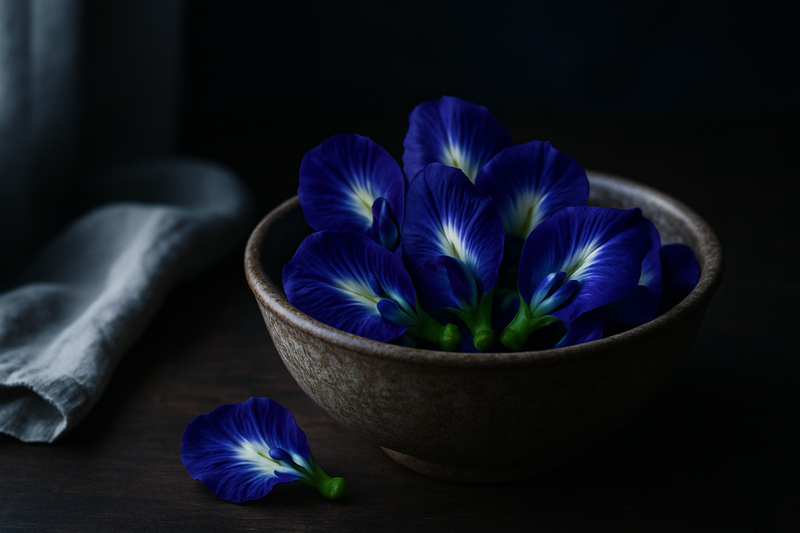
Butterfly Pea Flower · Photograph
Discover the science-backed butterfly pea flower tea benefits and side effects, including its vivid blue anthocyanins, antioxidant properties, caffeine-free appeal, and who should use caution. Plain-English guidance for everyday use.
Key Nutrients
% Daily Value based on 2,000 cal diet
Key active compounds
- Ternatins — Polyacylated anthocyanins unique to Clitoria ternatea. These are the primary source of the intense blue color and show strong free-radical scavenging (antioxidant) activity in laboratory tests.
- Anthocyanins (general) — A broader family of water-soluble flavonoid pigments. Butterfly pea flowers contain multiple anthocyanin species that collectively contribute to the flower's antioxidant capacity.
- Flavonol glycosides — Includes kaempferol, quercetin, and myricetin, all bound to sugar molecules. These have demonstrated antioxidant and anti-inflammatory activity in lab models.
- Phenolic acids and total polyphenols — A broad group of plant metabolites present at significant levels; higher total phenolic content correlates with stronger antioxidant activity in flower extracts.
- Procyanidins and other flavonoids — Condensed tannins that add to the antioxidant and potential antimicrobial profile seen in preclinical studies.
- Fatty acids (palmitic, stearic, oleic, linoleic, linolenic) — Present in small amounts; contribute minimally to intake from a typical tea serving.
Prep and pairing ideas
Butterfly pea flower tea is one of the most visually dramatic ingredients in the plant-food world, and it is genuinely fun to cook with.
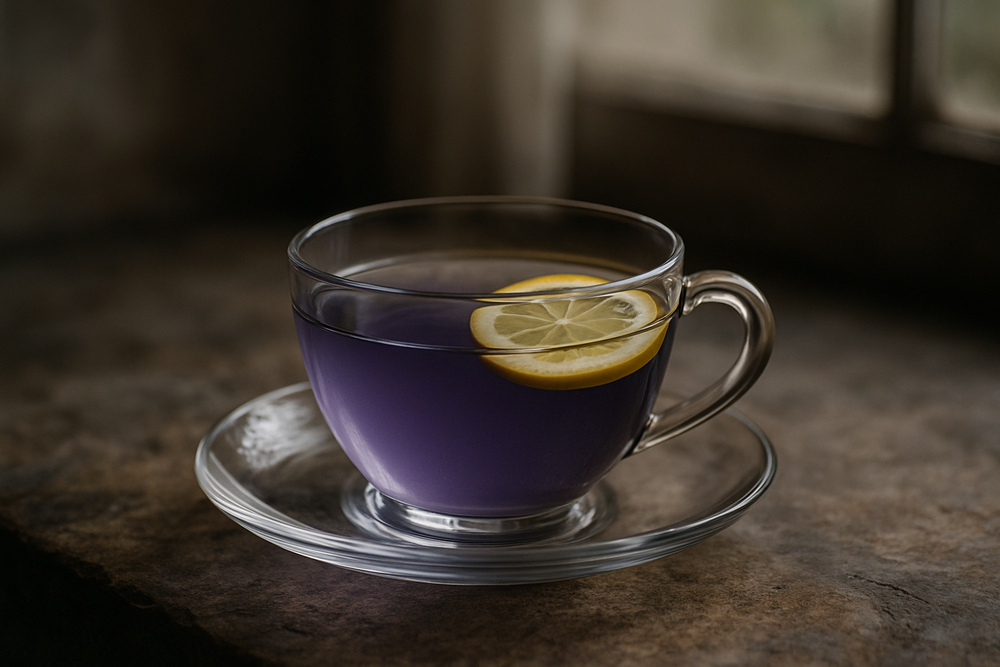
Basic blue tea: Steep 1–2 teaspoons of dried flowers in 200 mL of hot (not boiling) water for 5–10 minutes. Strain. Drink as-is for a deep blue color, or squeeze in lemon or lime to watch it shift to violet-purple. Sweeten lightly with honey or a date-based syrup if desired.
Color-changing lemonade: Brew a strong batch of butterfly pea tea, cool it, and pour it over ice. Add cold lemonade slowly — the layered color shift from blue to pink is dramatic and kid-friendly.
Blue rice (Nasi Kerabu): Briefly soak dried flowers in warm water, strain, and use the blue liquid to cook jasmine rice. This is a traditional Malaysian dish and a beautiful way to use the flower as a natural food dye.
Buying guide: What to look for
Dried whole flowers vs. powder Whole dried flowers are easier to assess for quality — look for deep blue-violet petals with no browning or musty smell. Powder is more convenient for cooking but harder to verify for freshness or purity. Either can work; choose based on your main use case (tea vs. culinary coloring).
Label tips
- Ingredient list should say Clitoria ternatea flower only — no fillers, artificial colors, or undisclosed herbs.
- "Organic certified" reduces pesticide risk, though butterfly pea is generally considered a low-spray crop.
- For extracts or supplements, look for standardized anthocyanin content (e.g., "standardized to X% anthocyanins") and a Certificate of Analysis (COA) from a third-party lab.
- Avoid products that make disease treatment claims on the label — these are regulatory red flags.
Storage Keep dried flowers in a sealed, opaque container away from heat and light. Anthocyanins degrade with prolonged light and heat exposure. Properly stored flowers hold their color and potency for 12–18 months.
Bottom line
Butterfly pea flower is a genuinely interesting plant-food ingredient. Its blue anthocyanins (ternatins) rank among the most concentrated found in any edible flower, and lab research consistently supports strong antioxidant and anti-inflammatory activity. As a caffeine-free, near-zero-calorie tea, it fits comfortably into a whole-food, plant-based diet. It also doubles as one of the most visually striking natural food dyes available.
The honest caveat is that human clinical evidence is still thin. Most of the exciting mechanistic science has not yet been translated into large randomized controlled trials in healthy people. This means butterfly pea flower tea is best viewed as a colorful, polyphenol-rich addition to an already-healthy diet — not a standalone remedy for any condition.
Use it in moderation, enjoy the color-change chemistry, and check with your doctor if you take medications for blood sugar or blood pressure.
Looking for more ways to use food as medicine? Explore the Plantopedia goals guide to match ingredients with your health priorities.
How Butterfly Pea Flower Compares
| Compared with | What's different |
|---|---|
| Butterfly Pea Flower vs. Matcha | Contains caffeine and has an earthy, grassy taste compared to the floral, mild pea flavor. |
| Butterfly Pea Flower vs. Hibiscus Tea | Higher in Vitamin C and very tart, whereas butterfly pea is neutral until acid is added. |
Health Benefits
Things to Know
Pregnancy and breastfeeding: Limited safety data on concentrated extracts; stick to occasional culinary use and consult your provider.
Legume allergy: Clitoria ternatea is in the Fabaceae (legume) family. If you react to peas, beans, or peanuts, ask your allergist before trying this flower.
Diabetes medications (insulin, metformin, sulfonylureas): Preclinical data suggest possible blood-sugar-lowering effects at high doses; monitor for signs of hypoglycemia (shakiness, dizziness, sweating) if combining with medication.
Blood pressure or diuretic medications: Some polyphenol-rich herbs have mild vasodilatory or diuretic effects; additive impact is theoretically possible, though not specifically documented for butterfly pea flower.
Sensitive digestion or IBS: Large volumes of tea may cause mild laxative effect or stomach discomfort; start with one cup per day.
Children: No formal pediatric safety studies exist; frequent supplement-level use is not recommended.
No long-term safety trials: Most evidence covers short-term use. If you plan daily consumption over months, periodic check-ins with your doctor are sensible.
Glossary
Shop This Ingredient
Stock your pantry with quality butterfly pea flower.
Buy on AmazonAs an Amazon Associate, Plantopedia earns from qualifying purchases. This costs you nothing extra and helps us keep the encyclopedia free.
Frequently Asked Questions
Heart and circulation There are currently no dedicated human clinical trials evaluating butterfly pea flower specifically for blood pressure, cholesterol, or other cardiovascular outcomes. What we do have is strong lab evidence that the ternatins and other polyphenols in the flower can scavenge reactive oxygen species (unstable molecules that damage cells) and may protect vascular tissue in test-tube studies. Researchers draw a parallel with other anthocyanin-rich foods — blueberries, purple grapes, hibiscus — where broader human evidence links regular intake to modest vascular benefits. Whether butterfly pea flower produces the same effect in people at typical tea-drinking doses remains an open question. Digestive health and microbiome Human data on digestive effects are minimal. Traditional accounts and anecdotal reports note that very large volumes of tea may produce a mild laxative effect, likely because high doses of polyphenols can stimulate gut motility. In everyday culinary amounts (one to three cups of tea per day), most people report no digestive problems. The flower does contain small amounts of dietary fiber, and polyphenols from plant foods in general are known to influence gut bacteria composition — but no human study has directly tested this for butterfly pea flower. Blood sugar and metabolism Animal and cell studies suggest that Clitoria ternatea extracts (often from roots or leaves, not just flowers) may improve glucose tolerance and slow carbohydrate-digesting enzymes. However, no large randomized controlled trials have tested butterfly pea flower tea specifically in people with diabetes or prediabetes. Doses in animal studies are also far higher than what you would get from tea. Research suggests that the flower may be a supportive, polyphenol-rich choice for people watching blood sugar, but it should not replace prescribed therapy. Inflammation and recovery A small clinical study gave tuberculosis patients 40 mL per day of aqueous (water-based) butterfly pea flower extract as an add-on to their standard medication. Researchers attributed beneficial effects on oxidative stress markers to the flower's phenolic and flavonoid content. This is the most direct human evidence available, but it involved a specific disease population, a short timeframe, and a small sample size — so the findings cannot be generalized to healthy people or chronic inflammatory conditions. In vitro (test-tube) work consistently shows strong anti-inflammatory activity, making this an area to watch as clinical trials expand. Skin, hair, and beauty (a note on popular claims) Butterfly pea flower is frequently marketed for skin health, hair growth, and anti-aging, largely because anthocyanins in other foods have shown collagen-supporting effects and because the flower is used in some topical cosmetics. Direct human trial evidence specifically linking drinking butterfly pea tea to measurable skin or hair outcomes is currently lacking. These claims are plausible based on the broader anthocyanin research but should be treated as speculative until dedicated studies are done.
| Form | Best for | Notes | | --- | --- | --- | | Dried whole flowers (tea) | Everyday use, color-changing drinks | Most common; steep 1–2 g in hot water 5–10 min | | Fresh flowers | Salads, desserts, garnishes | Higher anthocyanin content; consumed in small amounts | | Powder (culinary colorant) | Cooking, baking, smoothies | More concentrated pigment per spoonful; still culinary dose | | Aqueous/standardized extract | Research settings | Higher, consistent dosing; limited long-term safety data | For most people, dried whole flowers steeped as tea is the most practical and well-studied route. Look for flowers that are deep blue-violet without browning, and store them in an airtight container away from light to preserve anthocyanin content.
The antioxidant-focused drinker Wants to increase dietary polyphenol variety without adding caffeine or calories Already eats a colorful, plant-forward diet and is looking for complementary additions Enjoys the ritual of tea and appreciates that this one is genuinely evidence-adjacent (not just marketing) The natural food dye enthusiast Trying to replace artificial food colorings in drinks, desserts, or rice dishes Interested in the pH-color-change chemistry for fun culinary presentations Baking or cooking for guests who prefer recognizable, plant-based ingredients in their food
There is no official recommended daily intake because large-scale human trials have not established one. Here is what the available evidence and traditional use suggest: Typical culinary range: 1–3 cups of tea per day, each brewed from 1–2 g (roughly 1–2 teaspoons) of dried flowers — this is consistent with traditional Southeast Asian use and appears well tolerated by most healthy adults. Clinical adjunct dose: One small study used 40 mL per day of a concentrated aqueous extract (providing about 4.5 mg flavonoids and 6.8 mg phenols). This is more concentrated than a typical home brew but still a modest amount. Start low: If you are new to butterfly pea flower, begin with one cup per day and watch for any digestive changes over the first week. Large amounts: Very high volumes of tea (multiple liters per day) may cause mild laxative effects or gastrointestinal discomfort. There is no established safe upper limit from clinical data. Supplements or extracts: Dose guidance from a qualified healthcare provider is advisable, as these can deliver far more anthocyanins than a home-brewed cup. Bottom-line dose guidance: one to two cups of butterfly pea tea per day is a reasonable starting range for most healthy adults. If you feel any digestive discomfort, reduce the amount.
Quick Answers
Common questions, answered in a line.
Butterfly pea flower contains unique polyacylated anthocyanins called ternatins, which provide its intense blue color and strong antioxidant properties. These compounds, along with flavonol glycosides like quercetin, help scavenge free radicals and support anti-inflammatory activity in the body.
To make butterfly pea tea, steep 1–2 teaspoons of dried flowers in 200 mL of hot (but not boiling) water for 5 to 10 minutes. The tea will be a deep blue color; you can squeeze in lemon or lime juice to watch it transform into a vibrant violet-purple.
Butterfly pea flower is a member of the Fabaceae (legume) family, so individuals with allergies to peas, beans, or peanuts should consult an allergist before consuming it. A reaction is possible due to the plant's botanical relationship to common legumes.
Butterfly pea flower is a caffeine-free, near-zero-calorie herbal ingredient that fits well into a plant-based diet. Unlike traditional black or green teas, it does not contain caffeine, making it a suitable option for evening consumption or for those sensitive to stimulants.
You can use butterfly pea flower as a natural dye for rice, a process traditional to the Malaysian dish Nasi Kerabu. Simply soak the flowers in warm water and use the resulting blue liquid to cook jasmine rice, or use the powder form as a convenient culinary coloring.
If you take insulin, metformin, or other diabetes medications, monitor your blood sugar closely as butterfly pea flower may have additive blood-sugar-lowering effects. Watch for signs of hypoglycemia, such as dizziness or shakiness, and consult your doctor before regular use.
Store dried butterfly pea flowers in a sealed, opaque container kept away from direct heat and light. Because the active anthocyanin pigments degrade when exposed to light, proper storage ensures the flowers maintain their color and potency for 12 to 18 months.
For Readers in the USA
Local context — sourcing, seasonality, and regional notes.
You can grow butterfly pea flowers outdoors in USDA Hardiness Zones 9–11, including parts of Florida, Texas, and Southern California. In cooler northern climates, American gardeners typically grow this tropical vine as a summer annual or in containers that are moved indoors before the first frost.
In the U.S., you can find dried butterfly pea flowers at specialty tea shops, Asian grocery stores like H-Mart, and major online retailers like Amazon or Thrive Market. While rarely stocked in the produce aisle of standard supermarkets, some health food stores and high-end grocers carry them in the bulk tea section.
The FDA generally considers butterfly pea flower (Clitoria ternatea) safe for use as a natural color additive in specific food categories, such as beverages and snacks. When shopping in the U.S., look for the USDA Organic seal to ensure the flowers were grown without synthetic pesticides or fertilizers.
AI Clinical Review
- Clearly identifies butterfly pea flower (Clitoria ternatea) as a caffeine‑free, very low‑calorie herbal tea whose main interest is its blue anthocyanin pigments (ternatins) with antioxidant activity in lab studies.
- Accurately frames the evidence: most findings are preclinical; human data are limited, so it shouldn’t be viewed as a treatment for specific diseases.
- Offers practical, reasonable culinary dosing (about 1–2 g dried flowers per cup, 1–3 cups/day) and highlights its role as a natural food colorant rather than a nutrient source.
- Provides helpful quality and storage guidance to preserve color and potency.
- Cardiometabolic effects (blood pressure, cholesterol, glucose) have not been tested in robust human trials; signals come mainly from cell/animal work and one small, disease‑specific study.
- Gut and microbiome impacts are plausible based on general polyphenol science but remain untested in dedicated human studies for this tea.
- Skin/hair claims are speculative; drinking the tea hasn’t been shown to produce measurable cosmetic outcomes in clinical trials.
- Potency varies by plant part, cultivar, processing, and steeping; tea infusions may deliver far lower doses than standardized extracts used in research.
- Start with culinary amounts (1 cup/day), increasing to 1–3 cups if tolerated; extracts are much more concentrated and aren’t interchangeable with brewed tea.
- Check in with a clinician if you are pregnant or breastfeeding, have a legume allergy, or take diabetes, blood‑pressure, or diuretic medications; children should avoid frequent supplement‑level use.
- Large volumes can cause mild gastrointestinal upset or a laxative effect; reduce or stop if you experience cramping, loose stools, or dizziness (possible low blood sugar if on diabetes meds).
- Choose single‑ingredient products labeled Clitoria ternatea from reputable suppliers and store airtight, away from light, to slow pigment loss.
Use flowers in moderation; very large amounts of the tea may have a mild laxative effect.
References
- Frontiers in Plant Science — Anthocyanins from Clitoria ternatea: Biosynthesis, Extraction, Stability, and Applications (frontiersin.org)
- Journal of HerbMed Pharmacology — Butterfly pea flower extract as adjuvant therapy in tuberculosis patients (human trial) (herbmedpharmacol.com)
- International Journal of Biosciences — Beneficial health effects of Clitoria ternatea: a literature review (ijbs-udayana.org)
- RJPBCS — Total anthocyanins content in various extracts of butterfly pea flower (rjpbcs.com/%5B22%5D.pdf)
- International Journal of Agricultural Technology — Total phenolic, flavonoid, and anthocyanin content across butterfly pea accessions (li04.tci-thaijo.org)
- USDA FoodData Central — Nutrient composition reference for legume-based foods (fdc.nal.usda.gov)
- Harvard T.H. Chan School of Public Health — Legumes and Pulses Nutrition Source (nutritionsource.hsph.harvard.edu)
- ResearchThrive — Nutritional content and product development of butterfly pea flower (researchthrive.com)
- Nukleus Journal — Anthocyanin, antioxidant, and metabolite content of butterfly pea flowers (jurnal.ulb.ac.id)
- Environmental and Earth Sciences — Anthocyanin extraction and pH-modulated color from butterfly pea flower (ui.adsabs.harvard.edu)
Know Your Numbers
Eating healthy is a start. Now get to know your biomarkers.
Food changes bloodwork — inflammation, lipids, blood sugar and nutrient status all respond to what you eat. 59 markers from $59.
- Results in 7–10 days at 2,000+ Quest sites
- Licensed provider reviews every result
- One flat price, no membership, HSA/FSA eligible
Educational information only, not medical advice. Panels are ordered and reviewed through our licensed partner; Plantopedia may earn a commission.