Sikhye (Fermented Rice Punch) — health benefits and uses
Korean tradition drinks sikhye after big meals as a digestive.
The Short Answer
Sikhye is a traditional Korean sweet rice drink made by steeping malted barley and cooked rice to create natural maltose. While it contains digestive enzymes during preparation, it is boiled before serving and is not a source of live probiotics.
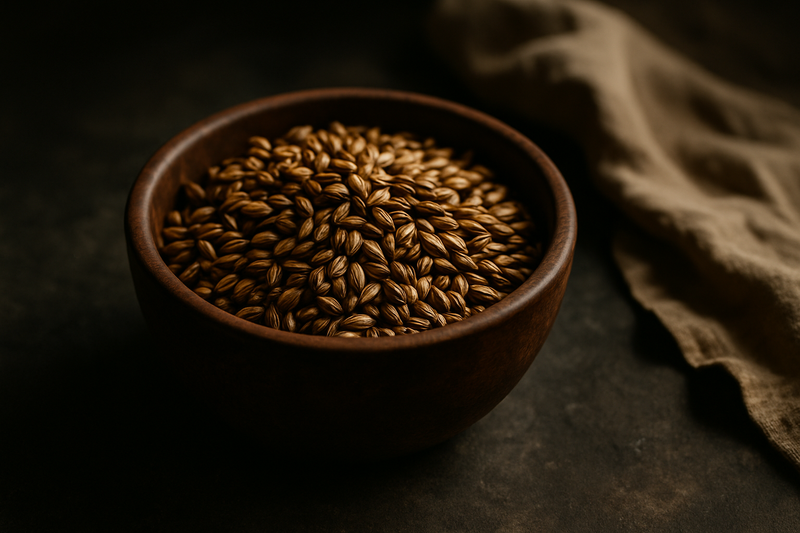
Sikhye (Fermented Rice Punch) · Photograph
Discover the real health benefits and side effects of sikhye, the traditional Korean sweet rice drink made with malted barley. Learn about sikhye nutrition facts, sugar content, whether it contains probiotics, who should limit it, and how it fits into a balanced diet.
Key Nutrients
% Daily Value based on 2,000 cal diet
Key active compounds in sikhye
- Maltose and glucose — the primary sugars produced when barley malt enzymes break down rice starch; these are the main energy source and the reason sikhye tastes sweet without necessarily adding refined white sugar.
- Phenolic acids from malted barley — a group of polyphenols (plant compounds with antioxidant properties) naturally present in barley grain and released during malting; their levels in finished, boiled sikhye are not well quantified.
- Gingerols and related polyphenols (ginger-added versions only) — bioactive compounds in ginger root that lab studies link to antioxidant, antimicrobial, and anti-inflammatory activity; ginger-enriched sikhye shows higher total polyphenol content than plain sikhye in food-science research.
- Amylase enzymes — naturally occurring enzymes in malted barley that convert starch into fermentable sugars during the steeping process; most are denatured (broken down by heat) when the liquid is boiled before serving.
- Trace B vitamins from barley malt — minimal amounts of niacin and B6 are present in malted barley, though the contribution per cup of finished sikhye is small.
Prep and pairing ideas
Common pairings that make sense
1. Sikhye after Korean BBQ or jjigae (stew) This is sikhye's classic role. A cold cup after kalbi, bulgogi, or a rich doenjang jjigae (fermented soybean stew) provides a light, sweet counterpoint to heavy, savory protein and fat. The cold liquid temperature also feels soothing.
2. Sikhye alongside fresh fruit Pairing a small cup (about half a cup) of sikhye with sliced Asian pear or mandarin orange adds fiber, vitamin C, and phytonutrients that sikhye alone does not provide, while keeping the dessert feeling light and naturally sweet.
3. Ginger sikhye with a handful of walnuts If you make or buy ginger-added sikhye, a small portion of walnuts alongside it provides healthy unsaturated fats, protein, and fiber that help slow the sugar absorption from the drink — a practical pairing for those mindful of blood sugar response.
Basic preparation tips
- Keep sikhye cold (2–5°C / 35–41°F) after preparation; it deteriorates quickly at room temperature.
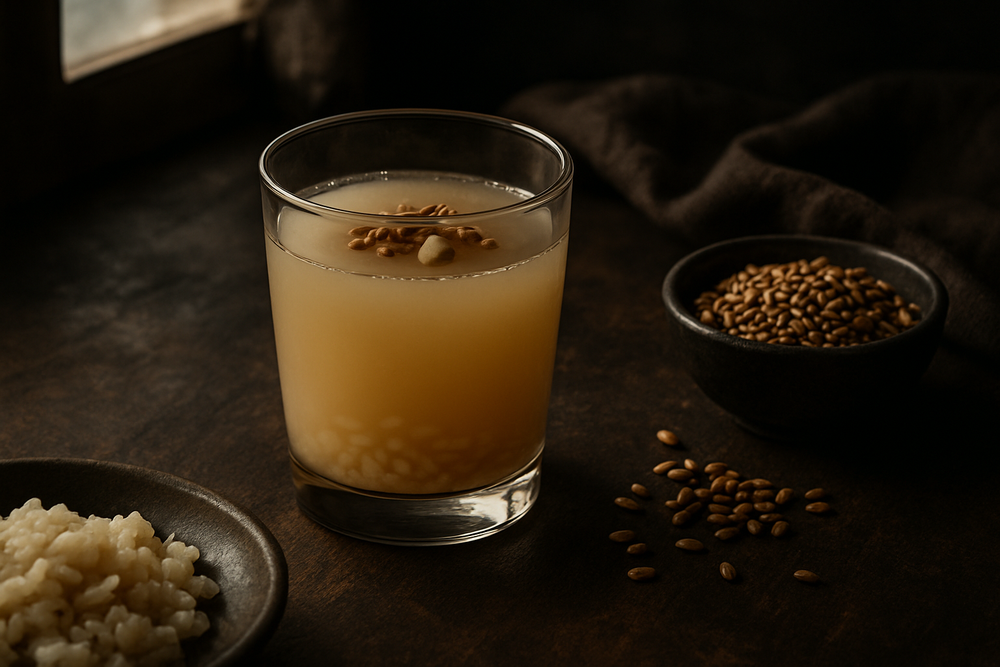
- The floating rice grains at the bottom of the cup are traditionally eaten — they provide a small amount of additional starch and a pleasant texture.
- If reducing sugar, try cutting the added sugar by half and letting the natural malt sweetness carry the flavor.
Bottom line
Sikhye is a genuinely enjoyable, culturally meaningful Korean sweet rice drink with a reasonable nutritional profile for an occasional dessert beverage. Its natural malt sweetness, light body, and cold serving temperature make it a pleasant and practical end to a heavy meal — a role it has filled in Korean cuisine for centuries.
What sikhye is not, at least based on current evidence, is a probiotic food, a gut-health supplement, or a beverage with proven clinical health benefits. Its malt-derived sugar content means it deserves the same mindful approach you would give any sweetened drink, especially if you are managing blood sugar, weight, or a gluten-related condition. Adding ginger is a simple, evidence-informed upgrade that increases antioxidant potential and shelf life, but does not transform sikhye into a therapeutic product.
Enjoy it cold, in a reasonable portion, after a good meal — and appreciate it for what it genuinely is.
How Sikhye (Fermented Rice Punch) Compares
| Compared with | What's different |
|---|---|
| Sikhye (Fermented Rice Punch) vs. Makgeolli | Sikhye is a non-alcoholic rice punch, whereas Makgeolli is a milky, carbonated rice wine. |
| Sikhye (Fermented Rice Punch) vs. Amazake (Sweet Sake) | Sikhye uses malted barley enzymes to sweeten rice, while Amazake relies on koji mold. |
| Sikhye (Fermented Rice Punch) vs. Kombucha | Sikhye is filtered and boiled (killing bacteria), whereas kombucha is a raw, acidic tea. |
Health Benefits
Things to Know
Blood sugar monitoring: If you have type 2 diabetes, prediabetes, gestational diabetes, or insulin resistance, sikhye's ~16 g of rapidly absorbed sugar per cup warrants caution. Consume small portions with food and discuss with your healthcare provider.
Gluten content: Malted barley contains gluten. Sikhye made with barley malt is not gluten-free and is unsuitable for people with celiac disease or non-celiac gluten sensitivity unless specifically formulated with a gluten-free malt substitute.
Food safety for homemade versions: Bacillus cereus spores can survive inadequate heating. Ensure sikhye reaches a proper boil, cool it quickly, store it refrigerated, and consume within 2–3 days.
Pregnancy and immunocompromise: Stick to commercially pasteurized versions or ensure homemade sikhye is fully boiled. Avoid versions you are unsure were properly heat-treated.
Children and dental health: Sweet beverages contribute to dental caries (tooth decay) in children. Limit frequency and rinse with water after drinking.
Calorie-restricted plans and weight management: At ~144 calories per cup, sikhye counts as a discretionary calorie source. Account for it in your daily intake if you are managing weight.
Medication interactions: No specific pharmacokinetic drug interactions with sikhye are documented. The main concern is practical: if you take insulin or sulfonylureas (a class of blood-sugar–lowering medications), consuming sikhye could affect how you time your dose. Ask your diabetes care team.
Obesity or fatty liver disease: Those managing non-alcoholic fatty liver disease or obesity are typically advised to reduce liquid sugar; sikhye should be treated accordingly.
Prep Ideas
- — Keep sikhye cold (2–5°C / 35–41°F) after preparation; it deteriorates quickly at room temperature.
- — The floating rice grains at the bottom of the cup are traditionally eaten — they provide a small amount of additional starch and a pleasant texture.
- — If reducing sugar, try cutting the added sugar by half and letting the natural malt sweetness carry the flavor.
Shop This Ingredient
Stock your pantry with quality sikhye (fermented rice punch).
Buy on AmazonAs an Amazon Associate, Plantopedia earns from qualifying purchases. This costs you nothing extra and helps us keep the encyclopedia free.
Frequently Asked Questions
The honest summary: sikhye offers cultural, sensory, and moderate energy value. Any functional health benefits are plausible but not yet confirmed in human studies. Digestive health and microbiome Traditional Korean use positions sikhye as a post-meal digestive aid, and there is a mechanistic logic to this. A cold, lightly sweetened, low-fat liquid is easy to process after a heavy meal; it adds fluid, provides simple carbohydrates your gut can handle quickly, and contains minimal protein or fat that would slow gastric emptying. Ginger-added sikhye shows antimicrobial and antioxidant activity in laboratory assays, suggesting potential support for gut comfort in ginger-enriched versions. However, sikhye is not a probiotic drink in any rigorous sense. Probiotics are defined as live microorganisms that, when consumed in adequate amounts, confer a health benefit. Sikhye is briefly boiled before serving, which kills most microorganisms. Even in traditionally fermented preparations, live bacterial counts would not reach the levels associated with probiotic benefit in clinical research. The fermentation here is primarily enzymatic (starch-to-sugar conversion by malt enzymes), not microbial. Claims about sikhye improving gut microbiome balance are speculative and unsupported by human data. Blood sugar and metabolism This is where sikhye needs the most honest framing. Each cup contains approximately 34 g of carbohydrates, including about 16 g of sugars — primarily maltose and glucose — which are rapidly absorbed. This profile is comparable to other sweetened beverages. Extensive human research on sugar-sweetened drinks links frequent consumption to higher postprandial (after-meal) blood glucose, increased insulin demand, and elevated risk of type 2 diabetes and metabolic syndrome over time. Sikhye does not function as a low-glycemic or blood sugar–friendly beverage simply because it is traditionally prepared. If you are counting carbohydrates or managing blood sugar, treat sikhye the same way you would any sweet drink: measure your portion, consume it with food, and account for it in your daily carbohydrate total. Heart and circulation No human studies link sikhye specifically to cardiovascular outcomes such as blood pressure, cholesterol, or heart disease risk. General population research on sweet beverages suggests that habitual high intake is associated with higher cardiometabolic risk, largely through excess calories and sugar. One or two cups of sikhye on an occasional basis is unlikely to meaningfully affect cardiovascular health for most people, but daily large-volume consumption would carry the same concerns as any other sweetened drink. Ginger polyphenols in ginger-added sikhye show fibrinolytic activity (the ability to help break down blood clots) in laboratory tests — an intriguing finding, but far too preliminary to translate into cardiovascular claims for the drink. Inflammation and recovery No human trials have measured inflammatory markers in people who consumed sikhye. Laboratory studies on ginger-enriched sikhye formulations show elevated total polyphenols and antioxidant capacity, which could theoretically support oxidative balance — but "antioxidant activity in a test tube" does not automatically mean "anti-inflammatory effect in a person." The evidence base here is early-stage and mostly preclinical.
Homemade traditional sikhye Prepared by soaking malted barley flour with cooked rice in warm water (around 60°C / 140°F), allowing the malt enzymes to slowly convert starches to sugars over several hours, then straining, briefly boiling, and cooling before serving. Sugar is added to taste. This method gives you the most control over sugar content and allows you to reduce or omit added sugar. Food safety depends heavily on hygiene and proper boiling: inadequate heat treatment can allow Bacillus cereus spores (heat-resistant bacteria that can cause food poisoning) to survive. Canned or bottled commercial sikhye Readily available in Korean supermarkets and many Asian grocery stores. Typically pasteurized and shelf-stable, so food safety concerns are lower. However, sugar content can be higher than homemade versions, and any live enzymatic activity is absent. Check the nutrition label — some brands contain 20–25 g of sugar per can. Ginger-added sikhye Food science research suggests that adding approximately 5% ginger juice during preparation increases total polyphenol content, antioxidant activity, antimicrobial properties, and shelf life while receiving good sensory scores from tasters. If you are making sikhye at home and tolerate ginger well, this is a straightforward way to enhance its functional potential. Instant or powdered sikhye mixes Convenient but often differ substantially from traditional preparation in flavor, sugar content, and ingredient quality. Read labels carefully — some mixes are primarily sugar and malt flavoring with minimal whole-grain content.
There is no established clinical dosing guideline for sikhye. Traditional Korean practice treats it as an occasional festive or post-meal drink, not a daily staple, and that framing remains reasonable given its sugar content. A practical guide by goal: Healthy adults with no metabolic concerns: 1 cup (approximately 250 ml) as an occasional dessert is unlikely to cause harm. Daily large-volume intake is not recommended given the sugar load. Those managing blood sugar or weight: A half-cup portion (approximately 120–125 ml) with a meal, consumed infrequently, is a more cautious approach. Track it as 8 g sugar and 70 calories. Those with celiac disease or gluten sensitivity: Avoid traditional sikhye entirely unless a confirmed gluten-free malt is used. General "start low" guidance: If you are new to sikhye or reintroducing it after a period of low sugar intake, begin with a small portion of a quarter to half a cup and observe how your body responds, particularly your energy levels and any digestive feedback. Always count sikhye's sugar content within your total daily added-sugar budget. The American Heart Association recommends no more than 25 g (6 teaspoons) of added sugar per day for women and 36 g (9 teaspoons) for men — a single cup of sikhye can use up half to two-thirds of that allowance.
The curious food-culture explorer Wants authentic, whole-food aligned Korean culinary traditions without relying on supplements Enjoys learning how traditional foods bridge sensory pleasure and practical wellness Uses sikhye as a mindful, lower-alcohol alternative to wine or cocktails at social gatherings The mindful occasional indulger who is sugar-aware Already monitors added sugar but wants a culturally meaningful sweet treat with slightly more nutritional context than soda Benefits from knowing the exact sugar content per portion so they can plan around it May prefer making a half-sugar homemade version to keep the ritual while lowering the glycemic impact
Quick Answers
Common questions, answered in a line.
Sikhye is not considered a probiotic food because the liquid is boiled before serving, which denatures enzymes and kills live bacteria. While it is a fermented rice punch, the heat treatment used in traditional preparation prevents it from functioning as a live gut-health supplement.
Sikhye contains approximately 16 grams of sugar and 144 calories per cup, primarily from maltose and glucose produced during the fermentation of rice starch. Because these are rapidly absorbed sugars, it should be treated as a sweetened beverage when managing weight or daily intake.
Traditional sikhye is not gluten-free because it is made with malted barley, which naturally contains gluten. It is unsuitable for individuals with celiac disease or non-celiac gluten sensitivity unless it is specifically prepared with a gluten-free malt substitute.
People with type 2 diabetes or insulin resistance should exercise caution with sikhye due to its high content of rapidly absorbed maltose and glucose. It is recommended to consume small portions alongside a meal and consult a healthcare provider regarding insulin timing.
Adding ginger to sikhye increases the drink's total polyphenol content and introduces bioactive gingerols with antioxidant and anti-inflammatory properties. Food-science research suggests ginger-enriched versions offer higher antioxidant potential and a longer shelf life compared to plain sikhye.
To ensure food safety, homemade sikhye must reach a full boil to kill potential Bacillus cereus spores, be cooled quickly, and stored in the refrigerator at 2–5°C (35–41°F). It should typically be consumed within 2 to 3 days as it deteriorates quickly at room temperature.
Sikhye is traditionally served cold after a heavy meal, such as Korean BBQ or savory stews, to provide a sweet counterpoint to rich fats and proteins. Pairing it with walnuts or fresh fruit like Asian pears can add fiber and healthy fats to help slow sugar absorption.
For Readers in the USA
Local context — sourcing, seasonality, and regional notes.
You can find sikhye at major nationwide Korean grocery chains like H-Mart and Zion Market, or in the international aisle of some large retailers like Whole Foods. Canned versions are the most common, though many H-Mart locations sell house-made bottles in their refrigerated deli sections.
In the U.S., sikhye is traditionally served at the end of a meal in Korean BBQ restaurants or enjoyed as a refreshing post-sauna drink at Korean spas (Jjimjilbangs). It is often served ice-cold in a bowl or cup, typically containing a few grains of cooked rice and sometimes pine nuts for garnish.
While the main ingredients—rice and barley—are grown extensively in states like Arkansas and Idaho, sikhye is most culturally prominent in U.S. regions with large Korean-American populations such as Los Angeles, New York/New Jersey, and Northern Virginia. In these areas, you are more likely to find artisanal, small-batch versions at local farmers markets or specialized bakeries.
When buying sikhye in the U.S., look for the USDA Organic seal if you want to ensure the rice and barley malt were grown without synthetic pesticides. Additionally, check the FDA-mandated nutrition facts label specifically for "Added Sugars," as many commercial canned brands add extra sugar beyond what is naturally produced by the malt.
AI Clinical Review
- Clearly explains that sikhye is a malt‑sweetened rice drink and, because it’s boiled/pasteurized, it is not a probiotic beverage (probiotics = live microbes that confer health benefits).
- Provides realistic calorie and sugar estimates per cup and advises checking labels for canned products, which can vary widely.
- Appropriately highlights gluten concerns from barley malt and gives sensible cautions for people managing blood sugar, consistent with guidance on sweetened drinks.
- Describes differences among homemade, commercial, and ginger‑added versions, including practical food‑safety considerations like Bacillus cereus risk and the lab‑only nature of ginger’s antioxidant boost.
- Human studies are lacking for digestive, microbiome, cardiometabolic, or anti‑inflammatory outcomes; most evidence is from lab assays or ingredient‑level extrapolations.
- The amounts and bioavailability of polyphenols (from malt or ginger) in boiled or canned sikhye are not well quantified, so clinical significance is uncertain.
- Glycemic index/load has not been directly tested; individual glucose responses may vary by recipe, portion size, and whether it’s consumed with food.
- Lab signals for antimicrobial or clot‑related effects should not be interpreted as proven benefits in people.
- Portion matters: for generally healthy adults, an occasional 1 cup serving is reasonable; if monitoring blood sugar or weight, consider 1/4–1/2 cup with a meal and count it toward daily added‑sugar limits.
- Not gluten‑free: those with celiac disease or non‑celiac gluten sensitivity should avoid barley‑malt sikhye unless a product is explicitly gluten‑free.
- Food safety for homemade versions: bring to a full boil, cool promptly, refrigerate, and use within 2–3 days; pregnant individuals, young children, older adults, and immunocompromised people should prefer pasteurized products.
- Form differences: canned/bottled sikhye often has higher sugar and no live cultures; ginger‑added versions may raise antioxidant measures in the lab but don’t have demonstrated clinical advantages yet.
Naturally sweet from malt; moderate if watching sugar.
References
- USDA FoodData Central — nutritional reference for grains, beverages, and malt products (fdc.nal.usda.gov)
- USDA National Agricultural Library / Food and Nutrition Information Center — nutrient lists and dietary reference values (nal.usda.gov)
- My Korean Kitchen — traditional sikhye recipe and recipe-level nutrition estimate (mykoreankitchen.com)
- DBpia — Quality characteristics and antioxidant/antimicrobial/fibrinolytic activity of ginger-added sikhye (Korean food science journal) (dbpia.co.kr)
- Korea Science — Sikhye preparation and quality characteristics study (koreascience.kr)
- PMC / NIH — Review of heat-killed (tyndallized) probiotics and Bacillus cereus food safety in fermented foods including sikhye (pmc.ncbi.nlm.nih.gov)
- NIH Office of Dietary Supplements — Dietary sugar, carbohydrates, and metabolic health reference (ods.od.nih.gov)
- USDA Agricultural Research Service — Nutritive Value of Foods reference publication (ars.usda.gov)
Know Your Numbers
Eating healthy is a start. Now get to know your biomarkers.
Food changes bloodwork — inflammation, lipids, blood sugar and nutrient status all respond to what you eat. 59 markers from $59.
- Results in 7–10 days at 2,000+ Quest sites
- Licensed provider reviews every result
- One flat price, no membership, HSA/FSA eligible
Educational information only, not medical advice. Panels are ordered and reviewed through our licensed partner; Plantopedia may earn a commission.