Boza — health benefits and uses
An Ottoman-era winter beverage valued as a strengthening, warming tonic.
The Short Answer
Boza is a traditional fermented grain drink made from millet, wheat, or corn, prized for its lactic acid bacteria and B vitamin content. It has a thick, creamy consistency and a tangy-sweet flavor profile, providing roughly 210 calories and 26g of
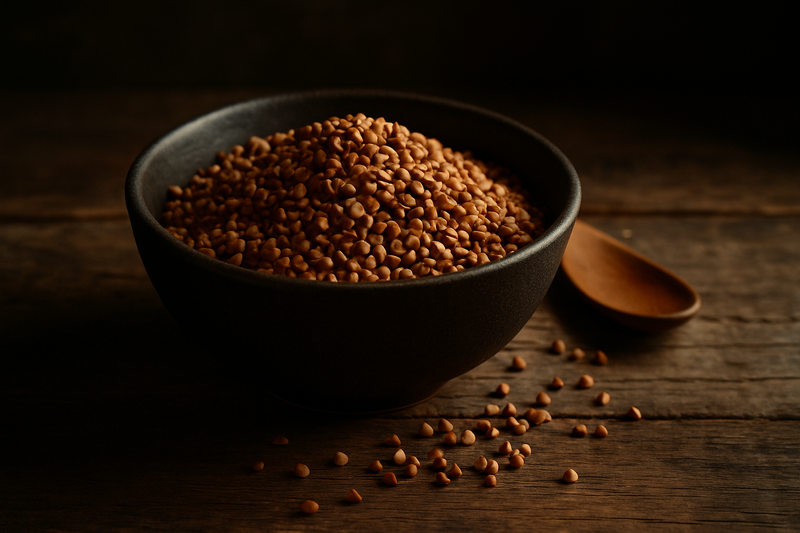
Boza · Photograph
Discover the real boza health benefits and side effects, including gut health, B vitamins, calories, alcohol content, and who should approach this traditional fermented grain drink with caution.
Key Nutrients
% Daily Value based on 2,000 cal diet
Key active compounds in boza
- Lactic acid — An organic acid produced by LAB during fermentation. It gives boza its characteristic tang, lowers the drink's pH to around 3.5 (making it more resistant to harmful microbes), and may help create a favorable environment in the gut.
- Live lactic acid bacteria (LAB) — The principal microbial community in fresh boza. Strains identified in boza include Lactobacillus and Leuconostoc species. These are the same broad family of bacteria found in yoghurt and sauerkraut and central to the concept of probiotic foods.
- Wild yeasts — Contribute to fermentation, produce small amounts of alcohol and carbon dioxide, and influence boza's flavour and texture.
- Cereal-derived phenolic acids — Bioactive plant compounds (antioxidants) naturally present in millet, wheat, and corn. Their concentrations in boza are not well characterised, but whole-grain versions are likely to contain more than refined-grain versions.
- B vitamins (thiamine, riboflavin, niacin) — Present in modest amounts from the grain substrate; support energy metabolism and nervous system function.
- Other organic acids — Acetic acid and other fermentation by-products contribute to preservation, flavour balance, and microbial stability.
Prep and pairing ideas
The classic way: Serve boza cold in a tall glass, dusted with ground cinnamon and accompanied by roasted chickpeas (leblebi in Turkish). The chickpeas add protein and fibre that help slow the absorption of boza's sugars — a genuinely useful pairing.
Morning smoothie base: Blend 100 ml of lower-sugar boza with plain kefir, a handful of frozen berries, and a tablespoon of ground flaxseed. The result is a thicker, protein- and fibre-boosted drink with a pleasant tang.
As a porridge starter: Use a small amount of boza as a sourdough-style starter for fermented millet or oat porridge. Add a tablespoon of live boza to your soaked oats overnight and allow mild fermentation before cooking for a subtly sour, more digestible breakfast.
Bottom line
Boza is a genuinely interesting fermented grain beverage with a rich cultural heritage and a plausible — if not yet clinically proven — probiotic profile. Its live lactic acid bacteria, modest B vitamin content, and whole-grain origins give it more nutritional character than most soft drinks. At the same time, it is not a health tonic in the therapeutic sense: the high added sugar in most commercial versions limits its advantages, and direct human trial evidence for specific health outcomes is still very limited.
If you enjoy the flavour, choose lower-sugar versions, keep portions to one glass, eat it alongside food, and be aware of the trace alcohol and gluten content. If you have diabetes, are pregnant, are in alcohol recovery, or have coeliac disease, a conversation with your healthcare provider before adding boza to your routine is the sensible step.
Explore more about how fermented and whole-grain foods fit into a food-as-medicine approach at Plantopedia's goals hub.
How Boza Compares
| Compared with | What's different |
|---|---|
| Boza vs. Kefir | Boza is a thick, fermented grain drink with a tart finish, whereas Kefir is a thin dairy-based liquid. |
| Boza vs. Kombucha | Boza is sweet and viscous with a cereal base, while Kombucha is a crisp, carbonated fermented tea. |
Health Benefits
Things to Know
Contains trace alcohol.: Fermentation naturally produces up to approximately 0.8% alcohol by volume. This is very low — lower than many kombuchas — but it is not zero. Avoid if you are in alcohol recovery, have a medical reason to avoid alcohol entirely, or follow a faith tradition prohibiting it.
High in added sugar.: Commercial boza is often heavily sweetened. Check the label if you are managing blood glucose, weight, or triglycerides.
Usually contains gluten.: Wheat and bulgur are common bases. People with coeliac disease or non-coeliac gluten sensitivity must verify the grain source. Millet-based and corn-based boza may be gluten-free, but cross-contamination in production is possible — look for a certified gluten-free label.
Pregnancy and breastfeeding.: The trace alcohol and high sugar content are reasons for caution. Many pregnant people in Turkey and the Balkans traditionally drink small amounts, but medical guidance on alcohol avoidance in pregnancy is clear: there is no confirmed safe threshold. Discuss with your midwife or doctor.
Children.: Due to lower body weight, higher sensitivity to sugar, and any concern about trace alcohol exposure, small children are not ideal candidates for regular boza consumption.
Immunocompromised individuals.: Fresh boza contains live, unpasteurised microorganisms. People with compromised immune systems should exercise caution with any unpasteurised fermented product.
Medication interactions.: If you take antidiabetic medications (insulin, metformin, sulfonylureas), the carbohydrate load matters. If you take disulfiram, metronidazole, or other medications with an alcohol warning, even trace alcohol is relevant. Broad-spectrum antibiotics may reduce any probiotic benefit by disrupting gut bacteria.

Shop This Ingredient
Stock your pantry with quality boza.
Buy on AmazonAs an Amazon Associate, Plantopedia earns from qualifying purchases. This costs you nothing extra and helps us keep the encyclopedia free.
Frequently Asked Questions
Research on boza is growing but still early. Most potential benefits are inferred from its composition and from the broader science on fermented foods; direct human clinical trials on boza are very limited. Here is what is currently understood, area by area. Digestive health and the gut microbiome The most talked-about potential benefit of boza is its role as a probiotic-style food. The high counts of live LAB and yeasts in freshly made boza are comparable to those in other recognised fermented foods. In principle, regularly consuming live LAB may help maintain a diverse gut microbiome — the ecosystem of trillions of bacteria in your digestive tract — which is associated with better digestion, immune resilience, and even mood regulation. However, it is important to be honest about the evidence gap here. Microbiological studies have confirmed boza's impressive microbial counts. What has not been demonstrated in controlled human trials is whether drinking boza actually shifts gut microbiome composition, reduces digestive symptoms, or produces measurable clinical improvements. Those claims rely on extrapolation from the broader probiotic literature, not direct boza studies. Additionally, commercial boza's high sugar content and relatively low fibre could partially offset the potential probiotic advantage. Some people with sensitive digestion or irritable bowel syndrome (IBS) may find that a fermented, carbohydrate-dense drink causes gas or bloating, particularly in larger amounts. Blood sugar and metabolism This is the area where boza's side-effect profile is most relevant. A 200 ml glass of commercial boza can deliver 25–30 g of carbohydrates, a substantial portion of which comes from added sucrose (table sugar) and rapidly digestible starch. For a healthy person eating a balanced meal, this is manageable. For someone managing diabetes, prediabetes, or insulin resistance, it can cause a significant spike in postprandial blood glucose (blood sugar measured after eating). No glycaemic index studies have been published specifically for boza. What the research notes confirm is that it is high in rapidly available carbohydrates. People on glucose-lowering medications such as insulin or sulfonylureas should treat boza as they would any sugar-containing drink and factor it into their carbohydrate budget rather than treating it as a "health tonic." Heart and circulation Traditional boza made from whole millet, bulgur, or corn is naturally low in fat, contains no cholesterol, and provides small amounts of minerals like phosphorus, zinc, and iron — all of which fit comfortably into heart-friendly dietary patterns. Some researchers have suggested that the fermentation process may also improve the bioavailability (how easily the body absorbs and uses) of certain minerals in the grain. That said, no human trials have shown that boza improves blood lipids (cholesterol and triglycerides), blood pressure, or any other cardiovascular marker. Commercially sweetened boza consumed frequently could contribute to weight gain and elevated triglycerides — both risk factors for heart disease — so portion size and product choice matter considerably. Inflammation and recovery Fermentation of cereal grains is known to reduce antinutrients such as phytic acid — compounds that bind minerals and reduce their absorption. It may also make certain plant antioxidants more bioavailable. These effects are documented in fermented grain foods generally and are plausible for boza, but no studies have directly measured inflammatory markers like C-reactive protein or cytokines in people who drank boza. Any anti-inflammatory claims for this drink remain speculative at this stage. Energy and B vitamin support Boza contributes modest but real amounts of B vitamins — particularly thiamine (B1), niacin (B3), and riboflavin (B2). These vitamins are essential for converting carbohydrates, fats, and proteins into energy your cells can use, and for supporting nerve function. A single glass provides 7–8% of the daily value for thiamine and niacin — not a dramatic dose, but a meaningful contribution if you drink boza regularly alongside an otherwise balanced diet.
Boza exists in several forms, each with different nutritional implications. Homemade traditional boza is typically the most variable. You control the grain type, sugar level, and fermentation time, which means you can choose whole-grain flour and add less sugar. Fermentation for around 24 hours at roughly 30 °C (86 °F) produces a good LAB count. The trade-off is shorter shelf life and less consistency. Commercial bottled or draft boza (widely available in Turkey and Bulgaria, and increasingly through specialist online retailers elsewhere) is more consistent in texture and flavour but often significantly sweeter. Check the ingredients list: if sucrose is listed second after water, the sugar load is high. Some established brands like Vefa in Turkey publish nutrition information; others do not. Reduced-sugar or whole-grain variants exist in some markets and in experimental research, but are not yet widely available. If you find one, the fibre and micronutrient content per serving is likely better. Tip: Fresh or refrigerated boza is preferable to shelf-stable versions for maximum live microbial content. If the product has been heat-treated for longer shelf life, the LAB are likely no longer active.
The curious fermented-food explorer Already enjoys kefir, kombucha, or kimchi and wants to diversify their fermented food intake. Interested in traditional food cultures and looking for alternatives to commercially produced probiotic supplements. Happy to make it at home or track down a low-sugar version to control the carbohydrate load. The grain-curious winter snacker Looking for a warming, satisfying drink during colder months that provides more nutritional value than a standard soft drink. Doesn't have blood sugar concerns and enjoys pairing boza with savoury snacks like roasted nuts or chickpeas to balance the sweetness. Wants a B vitamin boost from whole-food sources rather than supplements.
There are no established clinical dosage guidelines for boza — it is a traditional food, not a medicine. Based on traditional consumption patterns and the nutritional data, a sensible starting point for most healthy adults is a serving of 100–200 ml once a day, ideally alongside a meal rather than on an empty stomach. Starting smaller (around 100 ml) is wise if you have not consumed fermented foods regularly, as introducing live bacteria and fermented carbohydrates too quickly can cause temporary bloating or gas while your gut adjusts. If you are monitoring carbohydrate intake for any reason — blood sugar, weight, or metabolic health — treat a 200 ml glass as roughly equivalent to a small glass of fruit juice in terms of sugar and calorie impact: something to account for, not ignore. On that basis, occasional rather than daily consumption of commercial boza may be more appropriate. There is no evidence that drinking more than one glass per day provides greater benefit, and doing so meaningfully increases your sugar and calorie intake.
Quick Answers
Common questions, answered in a line.
Boza is a traditional fermented grain drink made from cereals like millet, wheat, or corn, featuring a thick consistency and a tangy flavor. It contains live lactic acid bacteria, B vitamins, and organic acids, making it a more nutritionally complex alternative to standard soft drinks.
Boza contains live lactic acid bacteria (LAB), such as Lactobacillus and Leuconostoc species, which are central to the concept of probiotic foods. These beneficial microbes, along with lactic acid, help create a favorable environment in the gut similar to yogurt or sauerkraut.
Yes, boza typically contains trace amounts of alcohol, up to approximately 0.8% by volume, as a natural byproduct of the fermentation process. While this level is very low, it is not zero, which is an important consideration for those in alcohol recovery or with specific medical restrictions.
Boza is traditionally served cold in a tall glass, dusted with ground cinnamon and paired with roasted chickpeas, known as leblebi. The chickpeas are a functional addition, as their protein and fiber content help slow the absorption of the sugars found in the drink.
Boza is often high in added sugar, so people with diabetes should consult their healthcare provider and choose lower-sugar versions. The carbohydrate load and sugar content are significant factors for those managing blood glucose levels or taking antidiabetic medications.
Most traditional boza contains gluten because it is frequently brewed using wheat or bulgur as a base grain. While millet- or corn-based versions may naturally be gluten-free, individuals with celiac disease should look for a certified gluten-free label to avoid potential cross-contamination.
Boza provides modest amounts of B vitamins, including thiamine, riboflavin, and niacin, which support energy metabolism and nervous system function. It also contains cereal-derived phenolic acids, which act as bioactive antioxidants, particularly in versions made from whole grains.
For Readers in the USA
Local context — sourcing, seasonality, and regional notes.
You can find boza at specialty Middle Eastern or Balkan grocery stores in major US cities, and occasionally at high-end health food markets that specialize in fermented products. Large chains like Whole Foods or Safeway rarely carry it, so checking local ethnic markets in areas with Turkish or Bulgarian populations is your best bet.
While boza is traditionally a winter drink in the Balkans, in the US it is available year-round in bottled form, though it is most popular during the colder months from October to March. In regions with large diaspora communities, such as Chicago or New Jersey, you may find it more readily available during winter cultural festivals.
While there is no specific FDA standard of identity for boza, it is regulated as a fermented beverage and must adhere to TTB standards if its alcohol content exceeds 0.5% ABV. Most commercially imported boza in the US is classified as a non-alcoholic beverage because it contains only trace amounts of alcohol from natural fermentation.
In the US, you can find boza made from various grains, including millet, wheat, and corn, with millet versions being the most common for those seeking a gluten-reduced profile. Some American craft fermenters have also begun experimenting with local heirloom grains to create small-batch, artisanal versions of the drink.
AI Clinical Review
- Clearly explains what boza is and how LAB (lactic acid–producing bacteria) and yeasts create its tangy taste and potential “probiotic-style” profile.
- Appropriately notes that most claims are extrapolated from fermented-food research; direct human trials on boza are lacking.
- Gives practical nutrition context (roughly 120 kcal/200 ml; sugar varies widely), which matters for people tracking carbs and weight.
- Responsibly flags trace alcohol and gluten considerations, and distinguishes between fresh/refrigerated vs heat-treated products for live cultures.
- No controlled human studies show boza changes the gut microbiome, improves digestive symptoms, or affects immune outcomes; current claims remain theoretical.
- Glycemic impact is inferred from carbohydrate content; GI/GL data specific to boza and real‑world post‑meal glucose studies are absent.
- Strain identity, dose (CFU), and survival of boza microbes through digestion are not well characterized across brands or storage conditions.
- Potential gains in mineral bioavailability and antioxidant activity with fermentation are plausible but not demonstrated in human endpoints.
- Portion guidance of about 100–200 ml with food is reasonable; newcomers to fermented drinks may start smaller to limit gas/bloating.
- Commercial boza can be high in added sugar—people with diabetes, prediabetes, or high triglycerides should count it like a sweet beverage.
- Trace alcohol (~up to 0.8% ABV) makes routine use less suitable for pregnancy, children, or those in alcohol recovery; discuss with a clinician if unsure.
- Gluten content depends on the grain base; those with celiac disease or gluten sensitivity should seek certified gluten‑free options and confirm manufacturing practices.
- Fresh/refrigerated, unpasteurized boza is more likely to contain live microbes; pasteurized or shelf‑stable versions may not. Immunocompromised individuals should be cautious with unpasteurized products.
Contains a trace of alcohol from fermentation; often sweetened.
References
- USDA FoodData Central — boza food composition reference (fdc.nal.usda.gov)
- Arici & Daglioglu (2002) — Boza: a lactic acid fermented cereal beverage as a traditional Turkish drink (pubmed.ncbi.nlm.nih.gov)
- PMC10815584 — Preparation and characterisation of enriched boza cereal beverage (pmc.ncbi.nlm.nih.gov)
- Review: Microbiota, fermentation process and quality characteristics of traditional Turkish non-alcoholic fermented drinks (www2.ufrb.edu.br)
- Turkish Ministry of Culture and Tourism — Traditional boza nutritional values (ktb.gov.tr)
- Calibr8Nutrition — Boza (Bulgarian fermented drink) nutrition facts and macros (calibr8nutrition.com)
- Ivel commercial producer — Boza product nutrition sheet (ivel.bg)
- CaloriPanda — Boza calories and nutrition per 100 ml and per glass (caloripanda.com)
- IIPS Series (2024) — Functional and compositional properties of traditional boza (iipseries.org)
- NIH Office of Dietary Supplements — Probiotics fact sheet for health professionals (ods.od.nih.gov)
Know Your Numbers
Eating healthy is a start. Now get to know your biomarkers.
Food changes bloodwork — inflammation, lipids, blood sugar and nutrient status all respond to what you eat. 59 markers from $59.
- Results in 7–10 days at 2,000+ Quest sites
- Licensed provider reviews every result
- One flat price, no membership, HSA/FSA eligible
Educational information only, not medical advice. Panels are ordered and reviewed through our licensed partner; Plantopedia may earn a commission.