Ogi (Fermented Cereal Porridge) — health benefits and uses
Ogi is traditionally given to restore strength and to support easy digestion.
The Short Answer
Ogi is a traditional West African fermented cereal porridge made from maize, sorghum, or millet. It is valued for its probiotic potential and digestibility, providing 4.2 mg of iron and 85 calories per cup.
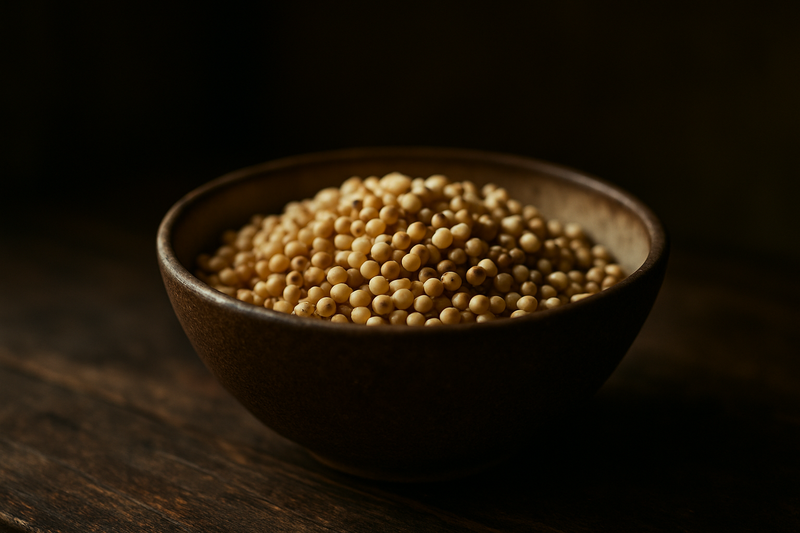
Ogi (Fermented Cereal Porridge) · Photograph
Discover the ogi health benefits and side effects of this traditional West African fermented cereal porridge. Learn how ogi supports gut health, digestion, and energy through lactic acid fermentation — plus who should use caution, how to sweeten it wisely, and how to make it more nutritious.
Key Nutrients
% Daily Value based on 2,000 cal diet
Key active compounds
- Lactic acid — the organic acid produced during fermentation; lowers pH, inhibits pathogens, improves mineral solubility, and contributes to ogi's sour flavour.
- Resistant starch — a fraction of starch (especially in sorghum and millet ogi) that resists digestion in the small intestine and is fermented in the colon to produce short-chain fatty acids (SCFAs), which fuel beneficial gut bacteria.
- Non-starch polysaccharides (dietary fibre) — complex carbohydrate fibres that act as prebiotics (food for beneficial gut bacteria), supporting stool regularity and gut lining health.
- Phenolic compounds / sorghum polyphenols — antioxidant plant compounds found in pigmented sorghum varieties; may support anti-inflammatory activity and gut microbiota diversity.
- Lactic acid bacteria (LAB) — live microorganisms present in freshly made ogi with potential probiotic properties, including antibacterial activity against gut pathogens.
- Microbially produced B vitamins — small amounts of thiamine, riboflavin, B6, and folate synthesised or preserved by LAB during cereal fermentation.
Prep and pairing ideas
Start simple. Mix dry ogi flour with cold water to form a smooth paste, then pour in boiling water while stirring, or cook gently over low heat, stirring constantly for 3–5 minutes until thickened to your preferred consistency.
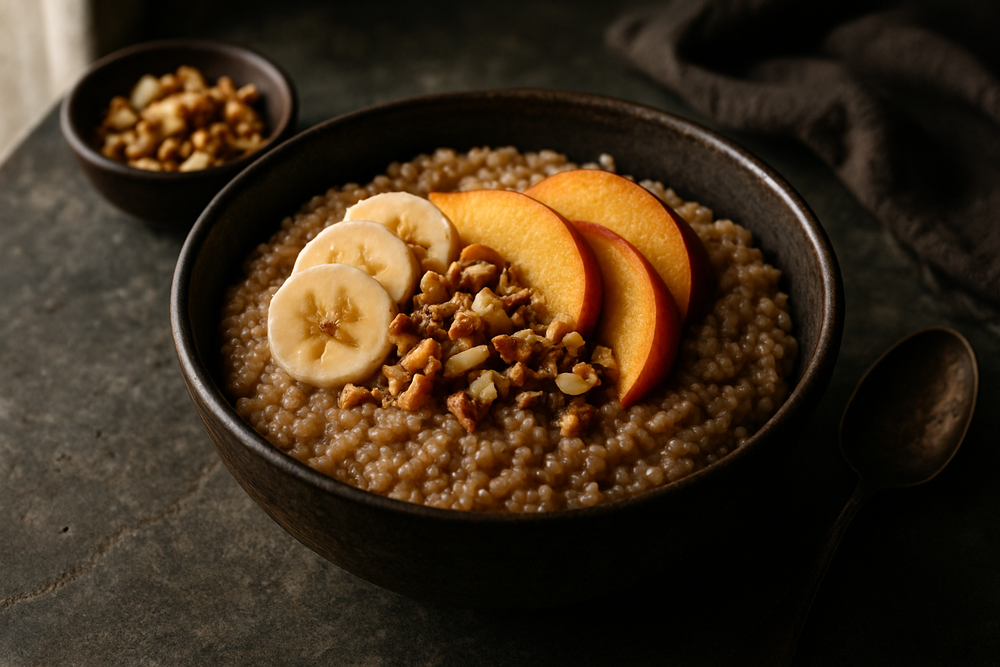
Sweeten with fruit. Mash ripe banana into warm ogi, or stir in a spoonful of natural fruit purée. This adds natural sugars, potassium, and fibre without the glycaemic spike of refined sugar.
Add protein. A scoop of mashed cooked beans, a spoonful of groundnut (peanut) paste, or a splash of full-fat plant milk enriches thin ogi significantly. This is especially important for children.
Try sorghum or millet. If you usually make maize ogi, swapping in fermented sorghum flour gives a creamier porridge with more fibre and polyphenols. The flavour is earthier — a welcome change.
Go savoury. In some regions, ogi is served without sweetener alongside a spiced stew or bean sauce. This approach keeps free sugar low and increases the overall nutrient density of the meal.
Bottom line
Ogi is a genuinely interesting food from a nutrition and fermentation standpoint. Its lactic acid fermentation reduces antinutrients, modestly enriches B vitamins, and introduces live microorganisms with probiotic potential. Sorghum- and millet-based versions add meaningful fibre, resistant starch, and polyphenols that support gut and metabolic health. The evidence base for specific health outcomes in humans is still growing — much of what we know comes from compositional studies, lab research, and traditional use rather than large clinical trials — but the direction is promising.
The key practical points: go for whole-grain versions when you can, fortify with legumes for children or whenever protein matters, sweeten with fruit rather than sugar, and prepare it hygienically. Plain, thin, unfortified maize ogi is a gentle, digestible food — but it is not nutritionally complete on its own.
Explore how ogi fits into a broader plant-forward eating pattern on our gut health page.
How Ogi (Fermented Cereal Porridge) Compares
| Compared with | What's different |
|---|---|
| Ogi (Fermented Cereal Porridge) vs. Polenta | Ogi is fermented to a sour paste before cooking; polenta uses dried, unfermented cornmeal for a nutty flavor. |
| Ogi (Fermented Cereal Porridge) vs. Oatmeal | Ogi undergoes lactic acid fermentation for a distinct tangy taste, whereas oatmeal is typically unfermented. |
Health Benefits
Things to Know
Thin, unfortified ogi is low in protein.: Relying on plain maize ogi as a primary food — especially for infants — can contribute to protein-energy malnutrition. Fortify with legumes, or pair with protein-rich foods.
Hygiene matters.: Home fermentation is safe when grains are clean and equipment is sanitary. Poorly stored grains can harbour mycotoxins (toxic compounds produced by certain moulds). Use fresh, dry, well-stored grain.
Refined sugar undermines the benefits.: Traditional ogi is sour and often sweetened. Choose whole fruit, banana, or a small amount of dates over refined sugar or sweetened condensed milk, particularly if you are managing blood sugar or dental health.
Immunocompromised individuals: should seek medical advice before regularly consuming live-culture fermented foods, as they carry small theoretical risks in people with severely weakened immunity or central venous catheters.
Maize allergy or intolerance: Switch to sorghum or millet ogi.
Diabetes / impaired glucose tolerance: Favour whole-grain versions, avoid added sugar, and consider the overall meal pattern.
Antidiabetic medications: Sweetened ogi can affect blood glucose. Monitor accordingly.
Pregnancy and breastfeeding: Plain ogi alone does not meet elevated nutrient needs. Fortified versions are more appropriate; discuss dietary planning with a midwife or dietitian.
Infants under 6 months: Breast milk (or appropriate formula) remains the recommended sole food. Ogi is typically introduced as a complementary food from around 6 months alongside breast milk, not as a replacement.
Glossary
Shop This Ingredient
Stock your pantry with quality ogi (fermented cereal porridge).
Buy on AmazonAs an Amazon Associate, Plantopedia earns from qualifying purchases. This costs you nothing extra and helps us keep the encyclopedia free.
Frequently Asked Questions
Digestive health and microbiome This is the area where ogi's traditional reputation and its food-science profile align most clearly. Ogi is soft, easily digestible, and low in fat — qualities that make it a go-to food across West Africa during recovery from illness, including diarrhoeal episodes. The fermentation process pre-digests some starches and proteins, reducing the workload on the gut. The LAB naturally present in freshly made ogi show probiotic-like behaviour in laboratory and animal studies: they produce antibacterial substances, compete with enteric pathogens (bacteria that cause gut infections), and may support gut barrier integrity. Research on ogi specifically is largely compositional and microbiological rather than from randomised human trials, but the evidence base from broader fermented-food and LAB research supports the plausibility of these benefits. Sorghum-based ogi (ogi baba) contributes resistant starch and insoluble fibre. When these reach the colon, beneficial bacteria ferment them into short-chain fatty acids (SCFAs) such as butyrate. Human and translational research on sorghum and other whole grains links SCFA production to improved gut barrier function, reduced intestinal inflammation, and greater microbial diversity. Blood sugar and metabolism Direct human trials on ogi and blood glucose are scarce. What the evidence does offer comes from two directions. First, fermentation alters starch structure and increases organic acid content, which tends to lower the glycaemic index (a measure of how quickly a food raises blood sugar) of cereal-based foods. Second, sorghum and millet ogi contain resistant starch and non-starch polysaccharides that slow glucose absorption — a pattern well-documented in human research on whole grains. Plain maize ogi made from refined grain and sweetened with sugar is a different story: it can spike blood glucose quickly. For people monitoring their blood sugar, choosing whole-grain ogi, adding legumes, and sweetening with fruit rather than refined sugar all make a meaningful difference. Heart and circulation There are no dedicated human trials on ogi and cardiovascular outcomes. The emerging case rests on ingredients: sorghum polyphenols and fermentable fibre from whole-grain ogi have been associated in broader research with modest reductions in LDL cholesterol (often called "bad" cholesterol) and markers of metabolic health. LAB isolated from ogi also show hypolipidemic (cholesterol-lowering) effects in experimental models, though this does not confirm the same effect in humans eating ogi. Fortified ogi that incorporates legumes such as soybean or bambara groundnut increases unsaturated fat and protein while reducing relative carbohydrate — a macronutrient profile more consistent with cardiometabolic benefit. This remains promising but indirect. Inflammation and recovery Ogi has long been used as a recovery food during and after illness, and its nutritional profile supports a gentle rationale for this. Sorghum polyphenols have shown anti-inflammatory actions in preclinical (laboratory) studies, and SCFA production from resistant starch fermentation is linked in human research to reduced gut inflammation. No controlled human studies have directly measured inflammatory biomarkers in people eating ogi, so claims in this area remain preliminary. Energy and B vitamins Ogi provides a small but meaningful range of B vitamins — thiamine, riboflavin, niacin, B6, and folate — in amounts that fermentation helps preserve or slightly enhance. For dry ogi flour (the powdered form), energy density rises to 400+ kcal per 100 g, making it a practical concentrated energy source when diluted appropriately for weaning or travel. As a gentle, easily digestible carbohydrate, prepared ogi provides accessible energy without the heaviness of a high-fat meal.
The honest answer: ogi can be a probiotic food, but it depends on how it is made and whether it is consumed fresh. Plain fermented maize ogi (akamu): The most widely consumed form. It contains live LAB when freshly prepared and consumed before prolonged cooking or storage. The thin gruel is easy on the stomach but low in protein and calories — best paired with a protein source. Sorghum ogi (ogi baba): Nutritionally richer than refined maize ogi. Higher in fibre, resistant starch, and phenolic compounds. A better choice for gut and metabolic support. Millet ogi: Regional variant with good mineral content and a similar sour profile. Naturally gluten-free (though check for cross-contamination if coeliac disease is a concern). Legume-fortified ogi (soy, bambara groundnut, ugba blends): Adding legumes is the most evidence-backed way to improve ogi's nutritional value. Studies show protein, fat, iron, zinc, and key minerals all rise significantly with legume addition. This is the recommended approach for infant weaning and child feeding. Spice-fortified blends (e.g., with ginger): Add sensory variety and bioactive compounds. Some evidence suggests improved acceptability and maintained nutrient profiles. Powdered (dry) ogi flour: Energy-dense and convenient for travel or commercial complementary food production. Reconstitute with water and cook as usual — the fermentation has already happened. Ogi supernatant (omidun): The LAB-rich sour liquid decanted from the fermenting slurry, sometimes consumed as a probiotic drink. One intriguing study suggested potential neuroprotective effects, but clinical evidence is limited.
Infants and toddlers being weaned (6–24 months) Ogi has the right texture for early solid food introduction — smooth, soft, and easy to swallow. Legume-fortified versions (soy or bambara groundnut blends) provide the protein and energy density infants need. Always serve at an appropriate thickness; very thin ogi can fill a baby's stomach without delivering enough calories. Adults with sensitive digestion or recovering from illness The pre-digested starch and sour, low-fat profile make ogi easy on a recovering gut. Sorghum-based ogi adds resistant starch that feeds beneficial gut bacteria without aggravating irritable symptoms. Pair with gentle protein (mashed lentils, plant yoghurt) to turn a light meal into a satisfying recovery bowl.
There is no formal recommended daily intake for ogi as a supplement — it is a food. Here are practical guides based on traditional use and food composition research: Adults: A typical breakfast serving is 200–250 mL of prepared porridge (medium thickness), providing roughly 100–130 kcal from plain maize ogi. One to two servings per day is common. If ogi is a significant part of your daily diet, use whole-grain or fortified versions to maintain nutritional balance. Children aged 6–12 months: Start with 2–3 tablespoons of thickened ogi (legume-fortified) alongside breast milk, two to three times per day, increasing gradually with appetite and developmental readiness. Children aged 1–3 years: 100–150 mL per meal, two to three times per day as part of a varied diet. Dry ogi flour: A 30–50 g serving reconstituted with water is a practical starting measure for adults; adjust thickness to taste. If you are using ogi to support recovery from illness or as a primary food for a young child, speak with a healthcare or nutrition professional about appropriate portions and fortification.
Quick Answers
Common questions, answered in a line.
You can make ogi more nutritious by adding protein sources such as groundnut (peanut) paste, mashed cooked beans, or a splash of full-fat plant milk. These additions are particularly important when serving ogi to children to ensure a more complete nutrient profile.
Yes, ogi can be a good choice for gut health because it contains lactic acid bacteria, resistant starch, and prebiotic fibers. These components help fuel beneficial gut bacteria, support the gut lining, and promote regular bowel movements.
It is best to sweeten ogi with natural fruit, such as mashed ripe bananas, date paste, or fruit purées, rather than using refined sugar. This adds essential minerals like potassium and extra fiber while preventing the sharp blood sugar spikes associated with white sugar.
Individuals with diabetes should opt for whole-grain sorghum or millet ogi, avoid adding refined sugars, and monitor their overall meal pattern. Sorghum and millet varieties provide more fiber and polyphenols, which are better for metabolic health than plain maize.
Ogi is typically introduced to infants as a complementary food starting around 6 months of age alongside breast milk or formula. Because thin maize ogi is low in protein, it should be fortified with legumes to prevent protein-energy malnutrition in growing children.
Sorghum ogi generally offers more fiber, resistant starch, and antioxidant polyphenols compared to traditional maize ogi. These compounds support anti-inflammatory activity and help increase the diversity of your gut microbiota.
The fermentation process in ogi production lowers the pH to inhibit pathogens, reduces antinutrients, and modestly increases the levels of B vitamins like thiamine and folate. This makes the minerals in the cereal more soluble and the porridge easier for the body to digest.
For Readers in the USA
Local context — sourcing, seasonality, and regional notes.
You can find ogi in the United States at African grocery stores, international supermarkets, and online retailers specializing in West African imports. Major metropolitan areas like Houston, Atlanta, New York, and Chicago have the highest concentration of physical shops carrying both dry powder and frozen wet paste forms.
While most commercial ogi sold in the U.S. is imported, look for brands with the USDA Organic seal or those sold at natural food co-ops to ensure the grains were grown without synthetic pesticides. Because ogi is a grain-based product, checking for Non-GMO Project Verified labels is also common for U.S. consumers concerned about bioengineered corn.
In the United States, ogi is commonly referred to by its Yoruba name, but you may also find it labeled as "Akamu" (Igbo) or "Pap" in South African specialty shops. While distinct from American corn grits or cornmeal mush, it is often described to U.S. consumers as a "fermented corn starch porridge" to explain its unique sour profile.
Ogi is a year-round staple in the U.S. because it is primarily made from shelf-stable dried grains like corn, sorghum, and millet. However, many West African households in the U.S. prefer it as a warming breakfast during the winter months in colder regions like the Northeast and Midwest.
AI Clinical Review
- Solid explanation of why fermentation matters: lactic acid bacteria (LAB) lower phytates (compounds that block mineral absorption), may preserve or modestly raise some B vitamins, and can make ogi easier to digest.
- Helpful nuance on grain choice: sorghum and millet versions typically provide more fibre and resistant starch (carbohydrate that reaches the colon and is converted to short‑chain fatty acids/SCFAs) than refined maize ogi.
- Clear, practical point that plain maize ogi is low in protein and energy, and that adding legumes (soy, bambara groundnut, ugba) meaningfully improves protein, minerals, and overall quality—especially for young children.
- Sensible guidance on sweetening and meal pairing: fruit instead of refined sugar and adding protein/fat to blunt glucose spikes and improve satiety.
- Probiotic claims are plausible but not proven in humans for ogi specifically. Most data come from lab or animal work on LAB; controlled human trials measuring gut outcomes with ogi are limited.
- Effects on blood glucose, cholesterol, or inflammation are inferred from whole‑grain and fermentation research. Direct, well‑designed human studies using ogi (type, thickness, and preparation standardized) are sparse.
- Benefits from omidun (the sour supernatant) and spice‑fortified blends are intriguing but remain early‑stage; clinical relevance and optimal dosing aren’t established.
- Form and preparation change the health profile: freshly fermented, lightly heated ogi may contain more live LAB; prolonged boiling or reheating reduces live cultures, though fermentation benefits (lower phytate, organic acids) remain.
- Portion and composition matter. Thin, plain maize ogi is low in calories and protein; making it thicker and/or fortifying with legumes or pairing with protein‑rich foods helps, particularly for infants and people recovering from illness.
- Safety considerations: use clean equipment and well‑stored grains to limit mycotoxins; people who are immunocompromised should discuss regular intake of live‑culture ferments with their clinician.
- Special populations: infants under 6 months should not receive ogi; from ~6 months, fortified ogi can be a complementary (not sole) food. If you have diabetes, favor whole‑grain or legume‑fortified versions and avoid added sugars; monitor personal glucose response and review any medication adjustments with your clinician.
Naturally sour; sweeten with fruit rather than refined sugar.
References
- USDA FoodData Central — reference database for cereal and porridge nutrient profiles (fdc.nal.usda.gov)
- Nutritional composition of fermented white maize porridge (Ogi) — BeHealthyAfrica overview (behealthyafrica.com)
- Improving nutritive value of fermented cereal porridge 'Ogi' by fortification — SciSpace / compositional study (scispace.com)
- Functionality of 'Ogi' — a fermented cereal gruel made in West Africa — Chester Repository review (chesterrep.openrepository.com)
- Health benefits and antimicrobial activities of lactic acid bacteria in probiotic-rich cereal gruel ogi — IJMAAS (ijmaas.com)
- Sorghum and sorghum-based products: Nutritional and health aspects (includes ogi baba) — PMC review (pmc.ncbi.nlm.nih.gov)
- Bacteriological and nutritional assessment of fermented maize (Ogi) fortified with ugba — NSM Journal (nsmjournal.org.ng)
- Nutritional, sensory, and functional quality of ogi from acha and bambara groundnut with ginger — Nigerian Journal of Nutritional Sciences (journal.nutritionnigeria.org)
- Fermented maize slurry (Ogi) and its supernatant (Omidun) in relation to retinal neuroprotection — PubMed (pubmed.ncbi.nlm.nih.gov)
- Enwerem and Ikujenlola — Proximate and dietary fibre composition of powdered ogi — IFE Journal (ifejost.oauife.edu.ng)
Know Your Numbers
Eating healthy is a start. Now get to know your biomarkers.
Food changes bloodwork — inflammation, lipids, blood sugar and nutrient status all respond to what you eat. 59 markers from $59.
- Results in 7–10 days at 2,000+ Quest sites
- Licensed provider reviews every result
- One flat price, no membership, HSA/FSA eligible
Educational information only, not medical advice. Panels are ordered and reviewed through our licensed partner; Plantopedia may earn a commission.