Kanji (Fermented Rice Water) — health benefits and uses
Village Tamil and Kerala tradition drinks it to cool the body and restore electrolytes.
The Short Answer
Kanji is a fermented rice water drink rich in lactic acid bacteria, organic acids, and electrolytes that support gut health and hydration. It provides approximately 55 calories and 11g of carbohydrates per cup, acting as a natural probiotic beverage.
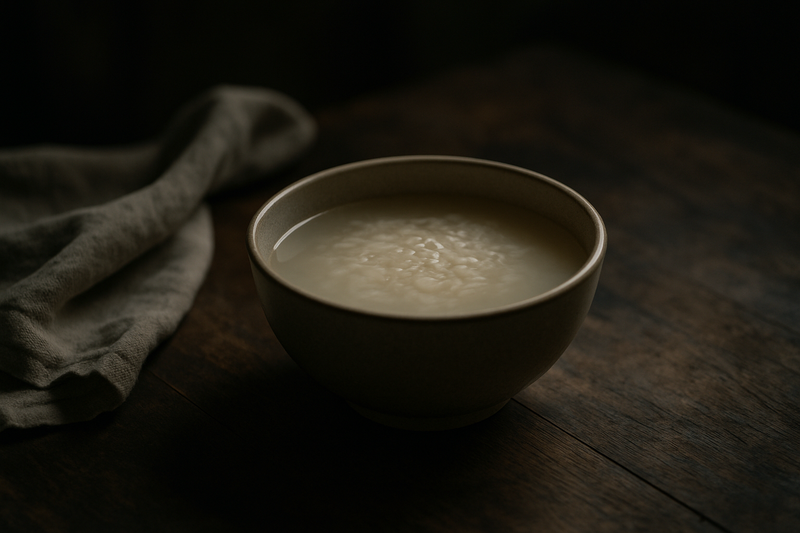
Kanji (Fermented Rice Water) · Photograph
Discover the rice kanji (fermented rice water) health benefits and side effects: gut-health probiotics, hydration, electrolytes, B vitamins, and traditional South Indian wisdom — with clear safety notes and evidence ratings.
Key Nutrients
% Daily Value based on 2,000 cal diet
Key active compounds in fermented rice water
- Lactic acid bacteria (LAB) — Microorganisms such as Lactobacillus spp. that colonise the fermenting liquid and may act as probiotics (live microbes that, when consumed in adequate amounts, benefit the host's gut microbiota).
- Organic acids (lactic acid, acetic acid) — Acids produced by LAB fermentation that lower pH, inhibit pathogenic bacteria, and may improve mineral absorption.
- Short-chain fatty acids (SCFAs) — Fermentation by-products including acetate, propionate, and butyrate that nourish colon cells and modulate immune signalling.
- Resistant starch — A portion of starch that survives small-intestine digestion and acts as a prebiotic (food for beneficial gut bacteria) in the colon.
- Phenolic compounds and flavonoids — Antioxidant plant molecules whose levels rise during fermentation; they may reduce oxidative stress and inflammation.
- Phytosterols — Plant-derived compounds structurally similar to cholesterol; present especially in bran-containing kanji preparations.
- Anthocyanins — Pigmented antioxidant flavonoids present when kanji is made with coloured (red, purple, or black) rice varieties.
- B vitamins (B1, B3, B5, B6) — Water-soluble vitamins that leach from rice into the water during soaking; fermentation may improve their bioavailability.
Prep and pairing ideas
Simple overnight kanji (basic recipe)
- Cook a small amount of white or red rice (approximately 50 g dry weight) until soft.
- Place the cooked rice in a clean container with 400–500 ml of filtered water.
- Cover loosely and leave at room temperature overnight (8–12 hours) in a clean spot.
- In the morning, the water will be slightly sour and lightly bubbly.
- Strain out the rice (or keep it for a porridge-style preparation), add a small pinch of salt, and drink chilled.
Common pairings and why they work
- Kanji + curry leaves + a pinch of rock salt — A classic South Indian pairing. Curry leaves add volatile oils with potential antioxidant activity, and rock salt provides trace minerals alongside sodium. The combination enhances flavour while keeping the drink traditionally grounded.
- Kanji + a small piece of raw mango or a squeeze of lime — Adds vitamin C, which improves non-haem iron absorption from the kanji itself, and contributes a pleasant, refreshing tartness that makes the drink more palatable for newcomers.
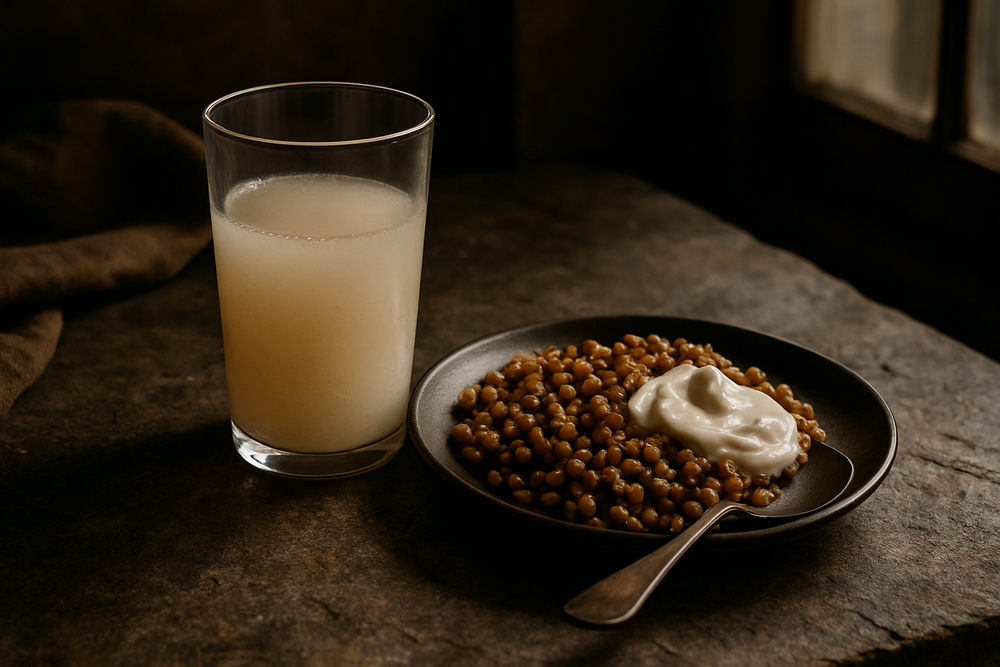
- Kanji + a small serving of cooked lentils (dal) or yoghurt on the side — Lentils add protein and fibre to balance the light carbohydrate load of kanji, while yoghurt layers in additional probiotic cultures. Together they create a complete, gut-supportive light meal.
Bottom line
Rice kanji is a nutritionally sensible, culturally rich, and potentially functional fermented beverage. It offers live beneficial bacteria, electrolytes, and modest B vitamins in a low-calorie, easily digestible format — qualities that align well with gut health, hydration, and recovery goals. The science is largely supportive in its mechanistic story (fermentation does produce genuinely useful compounds), but clinical trial evidence specifically for kanji as a daily drink is still early-stage.
For healthy adults, a daily glass of properly made, lightly salted kanji is a low-risk, potentially beneficial addition to the diet — particularly in warm climates or during periods of digestive sensitivity. The main watch-outs are sodium if you're salt-sensitive, carbohydrate load if you have diabetes, and hygiene in preparation and storage. When in doubt, check with a healthcare professional who understands your personal health picture.
If you're exploring fermented foods for specific health goals, browse our fermented and functional drink guides for a broader look at what the evidence supports.
How Kanji (Fermented Rice Water) Compares
| Compared with | What's different |
|---|---|
| Kanji (Fermented Rice Water) vs. Rice Water (Unfermented) | A fermented, probiotic-rich liquid compared to the unfermented starch water used for cooking or hair. |
| Kanji (Fermented Rice Water) vs. Kefir | A rice-based probiotic drink rather than a dairy-based beverage containing milk proteins. |
| Kanji (Fermented Rice Water) vs. Kombucha | Provides lactic acid bacteria and starch-based energy, whereas kombucha is tea-based and caffeinated. |
Health Benefits
Things to Know
High sodium intake: Salted kanji can be a significant sodium source. People with hypertension, heart failure, or chronic kidney disease should moderate added salt carefully and count kanji as part of their daily sodium budget.
Diabetes and blood sugar: Kanji contains digestible carbohydrates that count toward your total daily carbohydrate intake. Factor it into meal planning; do not treat it as a zero-carb drink.
Chronic kidney disease (CKD): Potassium and fluid content may be concerns for people on restricted fluid or electrolyte diets. Confirm with your nephrologist or dietitian.
Immunocompromised individuals: Chemotherapy patients, transplant recipients, and others with significantly weakened immunity should be cautious with home-fermented foods due to the theoretical risk of pathogenic contamination. Consult your clinician.
Pregnancy: Improved iron bioavailability is a potential benefit, but strict preparation hygiene is essential. Avoid over-salted batches, and check with your midwife or obstetrician if in doubt.
Medication interactions: No specific drug–kanji interactions are documented. However, high-sodium kanji may work against antihypertensive or diuretic medications. People on insulin or glucose-lowering drugs should account for kanji's starch content. Those on electrolyte-modifying drugs (ACE inhibitors, certain diuretics) should be mindful of potassium and sodium content.
Food safety: Discard kanji that smells foul (beyond pleasantly sour), appears slimy, or shows visible mould. Do not leave kanji at warm room temperature beyond the fermentation period — refrigerate immediately after fermentation and consume within one to two days.
Prep Ideas
- — Cook a small amount of white or red rice (approximately 50 g dry weight) until soft.
- — Place the cooked rice in a clean container with 400–500 ml of filtered water.
- — Cover loosely and leave at room temperature overnight (8–12 hours) in a clean spot.
- — In the morning, the water will be slightly sour and lightly bubbly.
- — Strain out the rice (or keep it for a porridge-style preparation), add a small pinch of salt, and drink chilled.
- — **Kanji + curry leaves + a pinch of rock salt** — A classic South Indian pairing. Curry leaves add volatile oils with potential antioxidant activity, and rock salt provides trace minerals alongside sodium. The combination enhances flavour while keeping the drink traditionally grounded.
- — **Kanji + a small piece of raw mango or a squeeze of lime** — Adds vitamin C, which improves non-haem iron absorption from the kanji itself, and contributes a pleasant, refreshing tartness that makes the drink more palatable for newcomers.
- — **Kanji + a small serving of cooked lentils (dal) or yoghurt on the side** — Lentils add protein and fibre to balance the light carbohydrate load of kanji, while yoghurt layers in additional probiotic cultures. Together they create a complete, gut-supportive light meal.
Glossary
Shop This Ingredient
Stock your pantry with quality kanji (fermented rice water).
Buy on AmazonAs an Amazon Associate, Plantopedia earns from qualifying purchases. This costs you nothing extra and helps us keep the encyclopedia free.
Frequently Asked Questions
Evidence levels used below: emerging = mostly lab or observational data; moderate = some consistent human data but no large trials specific to kanji. Digestive health and microbiome Traditional use across South India consistently describes kanji as gentle on the stomach — easy to digest, soothing during illness, and helpful for regularity. Laboratory work gives some biological plausibility to these reports. Fermentation of cooked rice encourages Lactobacillus species that can compete with pathogenic bacteria and strengthen the gut's protective lining. Resistant starch produced during fermentation reaches the colon largely intact, where it feeds beneficial bacteria and may improve stool bulk. Research from a government medical college in Chennai and an AIIMS Bhubaneswar study on fermented rice water found enrichment with lactic acid bacteria and SCFA production — both markers linked to gut-microbiome health in other contexts. Large randomised controlled trials specific to kanji are not yet available; evidence is emerging. Inflammation and recovery Fermented rice water contains phenolics, flavonoids, and organic acids that demonstrate free-radical scavenging activity in laboratory (in vitro) tests — meaning they neutralise harmful molecules in a test-tube setting. Whether this translates to meaningful anti-inflammatory effects in living people who drink a daily glass of kanji has not been confirmed by clinical trials. Anecdotally, kanji is used as a gentle, non-spicy fluid food during gut flare-ups, but this is tradition and practitioner experience rather than controlled evidence. Evidence level: emerging. Blood sugar and metabolism Fermentation converts some digestible starch into resistant starch, potentially making kanji's carbohydrates slower to raise blood glucose than equivalent plain rice. Organic acids may further blunt the glycaemic (blood sugar) response. However, no human trials have specifically measured kanji's impact on post-meal blood glucose or insulin levels. Importantly, kanji is still a starch-based beverage — large volumes, especially from polished white rice, may still raise blood sugar meaningfully. For people managing diabetes, kanji should be counted as part of total carbohydrate intake, not treated as a free food. Evidence level: emerging. Heart and circulation Kanji provides electrolytes — particularly potassium and magnesium — that support healthy blood pressure and vascular function. Its hydrating effect in hot climates may also indirectly support cardiovascular stability. However, no clinical trials link kanji consumption directly to improved cholesterol, blood pressure readings, or cardiovascular outcomes. Conversely, heavily salted kanji could counteract blood pressure goals. Evidence level: emerging. Fermented rice water benefits for gut health: the microbiome angle The gut microbiome (the community of trillions of microorganisms living in the digestive tract) is increasingly linked to immune function, mood, and metabolic health. LAB-fermented foods like kanji may contribute beneficial strains to this ecosystem. The SCFAs produced — especially butyrate — are the primary fuel for colonocytes (the cells lining the colon) and have immune-regulatory roles. This makes kanji a scientifically plausible, if not yet clinically proven, gut-health beverage.
The hot-climate commuter or outdoor worker Loses fluid and electrolytes rapidly through sweat Needs quick, affordable hydration beyond plain water Kanji's sodium, potassium, and light carbohydrates may support fluid retention and energy Easy to prepare the night before and carry in a flask The person recovering from a stomach bug or illness Needs easily digestible carbohydrates without taxing the gut Kanji's mild acidity and probiotic cultures may gently support gut microbiome recovery Low fat content reduces digestive load during recovery Best started in small amounts (100–150 ml) and increased as tolerance improves
Plain fermented rice water (liquid kanji) Decanting only the sour liquid from the fermented rice gives a light, hydrating drink. This is the lowest-calorie and lowest-starch option, ideal as a morning gut-primer or mid-day hydration drink. Full kanji (rice + water as a thin porridge) Consuming the fermented rice along with the liquid increases resistant starch and makes it closer to a light meal. This form is more sustaining and traditional as a breakfast in parts of Tamil Nadu, Kerala, and Andhra Pradesh. Fermented rice bran kanji Adding rice bran to the fermentation dramatically increases phenolics, phytosterols, and antioxidant activity. Most research on enhanced lipid and antioxidant effects uses bran-enriched versions. Worth exploring if you can source clean rice bran. Salted or spiced kanji A pinch of salt is traditional and palatable. Curry leaves, a slice of green chilli, or a small amount of grated ginger are common additions. Salt substantially raises sodium content — use restraint if you monitor your sodium intake.
There is no formally established dose for kanji — this is a traditional food beverage, not a supplement with a clinical dosing schedule. Practical guidance based on traditional use and nutritional logic: Starting out: Begin with 100–150 ml (roughly half a cup) once a day, ideally in the morning on a light stomach, to assess tolerance. Established use: Adults comfortable with fermented foods may consume 150–250 ml once or twice daily during hot weather or as a light meal accompaniment. Maximum sensible limit: There is no research-defined upper limit, but drinking very large quantities would substantially increase carbohydrate, sodium, and fluid intake — all of which matter for certain health conditions. Children: No specific paediatric dosing data exist. Kanji is traditionally given in small amounts to children in South India, but consult a paediatrician for any significant addition to a child's diet. Start low, go slow: As with any fermented food, introduce kanji gradually. Some people experience mild bloating or gas as their gut microbiome adjusts — this usually settles within a few days.
Quick Answers
Common questions, answered in a line.
Fermented rice water contains lactic acid bacteria (LAB), organic acids, short-chain fatty acids (SCFAs), resistant starch, B vitamins, and various antioxidants. These compounds work together to nourish colon cells, modulate immune signaling, and inhibit pathogenic bacteria in the gut.
To make simple overnight kanji, soak 50g of cooked rice in 400–500 ml of filtered water and leave it at room temperature for 8–12 hours. In the morning, the water should be slightly sour and bubbly; strain it, add a pinch of salt, and serve chilled.
Pairing rice kanji with a squeeze of lime or raw mango adds vitamin C, which helps the body absorb the non-haem iron found in the drink. These additions also provide a refreshing tartness that makes the fermented beverage more palatable for new drinkers.
Individuals with diabetes should factor kanji into their daily carbohydrate budget because it contains digestible carbohydrates and starch. It should not be treated as a zero-carb beverage, as it can impact blood sugar levels depending on the total meal plan.
You should discard kanji immediately if it smells foul, appears slimy, or shows any visible signs of mould. To ensure safety, do not leave it at warm room temperatures past the 8–12 hour fermentation window, and consume refrigerated batches within one to two days.
People with hypertension or heart disease should be cautious with salted kanji as it can be a significant source of sodium. High salt intake from the drink may also interfere with the effectiveness of antihypertensive or diuretic medications.
Yes, rice kanji is an effective drink for hydration and recovery as it provides essential electrolytes and B vitamins in a low-calorie, easily digestible format. Its profile is particularly beneficial for those living in warm climates or experiencing digestive sensitivity.
For Readers in the USA
Local context — sourcing, seasonality, and regional notes.
You can find suitable rice for kanji at major US retailers like Whole Foods, H-Mart, or Patel Brothers, which stock the red and jasmine varieties often used in this recipe. While any rice works, organic options certified by the USDA are preferred to minimize pesticide residue during the fermentation process.
In the United States, rice kanji is most popular during the summer months in hot regions like the South and Southwest, where its electrolyte content helps with hydration. While it can be consumed year-round, its cooling properties make it a staple seasonal drink for heat recovery in states like Texas and Florida.
The FDA provides general guidance on fermented foods, emphasizing that home-prepared items like kanji must be kept in clean environments to prevent the growth of harmful bacteria. Ensure your kitchen temperature stays between 68°F and 75°F for a safe, controlled fermentation overnight.
AI Clinical Review
- Clearly explains what kanji is and how fermentation introduces lactic acid bacteria, organic acids, and resistant starch that plausibly support gut health.
- Sets appropriate expectations: treats kanji as a light, electrolyte‑containing hydration drink rather than a cure‑all or high‑nutrient beverage.
- Offers practical, safe preparation and storage guidance (short room‑temperature ferment, then refrigerate and use within 1–2 days).
- Highlights sensible cautions for salt‑sensitive individuals and for those managing diabetes, kidney, or heart conditions, and notes extra care for immunocompromised people.
- Human clinical trials on kanji itself are limited; many benefits are inferred from lab studies or from research on other fermented foods.
- Effects on blood glucose, inflammation, mineral absorption, and cardiovascular outcomes haven’t been tested in robust, controlled human studies.
- “Probiotic” specifics (which strains, how many survive after storage, and at what dose they help) and the extent to which the drink delivers short‑chain fatty acids remain uncertain.
- Nutrient values vary with rice type, water ratio, time, and salting; numbers should be viewed as ranges rather than fixed amounts.
- Amounts: start around 100–150 ml/day; if well tolerated, 150–250 ml once or twice daily is reasonable. Count the ~11 g carbs per 250 ml toward your daily plan if you monitor blood sugar.
- Sodium: keep added salt modest and include it in your daily sodium budget, especially with hypertension, heart failure, or CKD.
- Form matters: strained liquid is lighter for hydration; rice‑plus‑liquid is more sustaining; bran‑enriched versions raise phytochemicals but may be heavier for sensitive digestions.
- Safety and who should check first: people who are pregnant, immunocompromised, or living with diabetes, kidney, or heart disease should confirm fit with their clinician; ferment 8–12 hours in clean containers, refrigerate promptly, consume within 1–2 days, and discard if off‑odors, slime, or mold appear.
Add salt to taste; keep chilled and consume within a day or two.
References
- USDA FoodData Central — cooked white rice and rice-based foods (fdc.nal.usda.gov)
- Nutritional analysis and antimicrobial activity of fermented rice water (Der Pharmachemica compositional study) (derpharmachemica.com)
- Synbiotic effects of fermented rice on human health — PubMed Central review (pmc.ncbi.nlm.nih.gov)
- Comprehensive evaluation of the pharmacological and bioactive properties of fermented rice water — Zenodo review (zenodo.org)
- Merging the various benefits of the fermentation of rice and rice products — SSRN review (papers.ssrn.com)
- Rice kanji: a traditional homemade probiotic (Healthieyoo overview including bran kanji) (healthieyoo.com)
- Health benefits of fermented rice water — The Better India feature on AIIMS research (thebetterindia.com)
- Fermented rice — the simplest way to good gut health (Times of India, 2026) (timesofindia.com)
- Is rice water actually healthy? Experts weigh in — NDTV Health (ndtv.com)
- Kanji nutrition data — SnapCalorie (snapcalorie.com)
Know Your Numbers
Eating healthy is a start. Now get to know your biomarkers.
Food changes bloodwork — inflammation, lipids, blood sugar and nutrient status all respond to what you eat. 59 markers from $59.
- Results in 7–10 days at 2,000+ Quest sites
- Licensed provider reviews every result
- One flat price, no membership, HSA/FSA eligible
Educational information only, not medical advice. Panels are ordered and reviewed through our licensed partner; Plantopedia may earn a commission.