Split Peas — health benefits and uses
Protein + fiber leverage; batch-cook, meal-prep, and satiety angle
The Short Answer
Split peas are dried peas that have been hulled and split, providing 16 grams of protein and 58% of your daily fiber per cooked cup. They are prized for their creamy texture in soups and do not require pre-soaking before cooking.

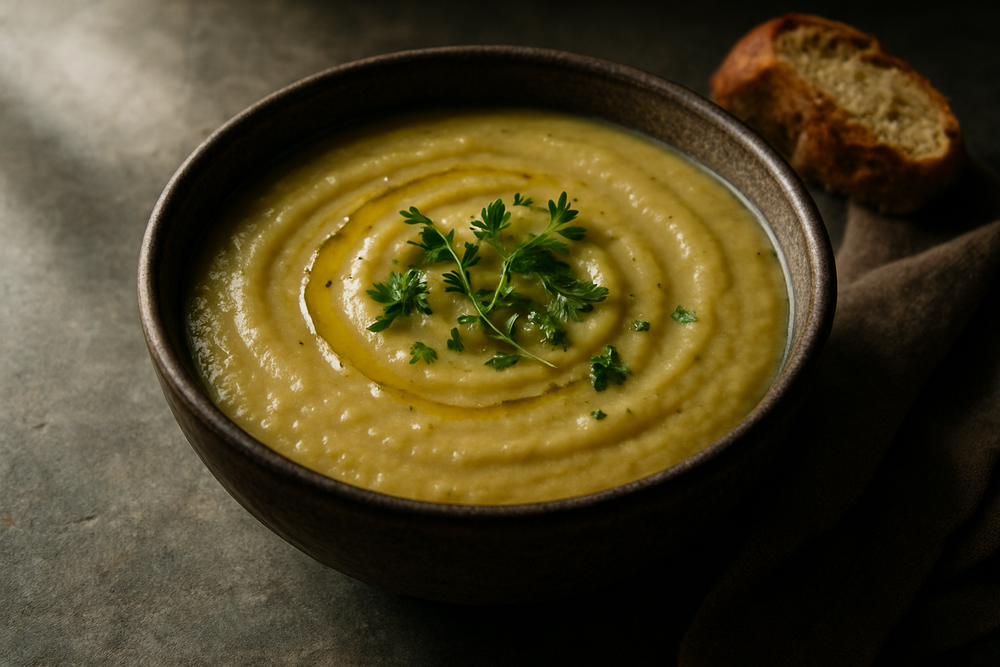
Split Peas · Photograph
Split peas (Pisum sativum) are simply dried, hulled peas that have been split in half—but don't let their humble appearance fool you. These shelf-stable legumes pack an impressive nutritional punch, offering substantial plant protein, exceptional fiber content, and a range of minerals that support heart health, blood sugar control, and digestive wellness.
Key Nutrients
% Daily Value based on 2,000 cal diet
Key active compounds
Split peas contain several bioactive compounds that contribute to their health benefits:
- Phytates (phytic acid) - Natural phosphorus compounds that may help protect against colon cancer and support bone health, while also acting as antioxidants
- Resistant starch - A type of starch that resists digestion, supporting healthy gut bacteria and helping stabilize blood sugar
- Polyphenols and flavonoids - Plant antioxidants that may reduce oxidative stress and inflammation throughout the body
- Saponins - Compounds associated with cholesterol-lowering effects and potential anti-cancer properties
- Oligosaccharides - Prebiotic fibers that feed beneficial gut bacteria, though they can cause gas in some people
Who benefits most from split peas
People seeking plant-based protein: With 16g of complete protein per cup, split peas are ideal for vegetarians, vegans, or anyone reducing animal product consumption while maintaining adequate protein intake.
Individuals managing blood sugar: The low glycemic index and high fiber content make split peas particularly valuable for people with diabetes, prediabetes, or insulin resistance who need steady energy without blood sugar spikes.
Budget-conscious healthy eaters: Split peas provide exceptional nutrition per dollar, making them perfect for families, students, or anyone wanting to eat well on a tight budget without sacrificing nutritional quality.
Athletes and active individuals: The combination of plant protein, complex carbohydrates, and minerals supports both performance and recovery while being easy on the digestive system when properly prepared.
Prep and pairing ideas
Split peas shine in one-pot meals that maximize both nutrition and convenience. Classic split pea soup remains popular because it transforms simple ingredients into a satisfying, complete meal.
Basic preparation: Rinse split peas and simmer in water or broth (3:1 ratio) for 30-60 minutes until soft and creamy. No soaking required, though a few hours of soaking can reduce cooking time.
Flavor enhancers: Bay leaves, garlic, onions, and herbs like thyme complement split peas' earthy flavor. A splash of vinegar or lemon juice at the end brightens the dish and may help with nutrient absorption.
Texture variations: Cook until completely broken down for smooth soups, or stop cooking earlier for more texture in salads and grain bowls.
Common pairings that boost nutrition
Split peas + root vegetables: Carrots, celery, and sweet potatoes add vitamins A and C while creating classic comfort food combinations that enhance iron absorption from the split peas.
Split peas + leafy greens: Stirring in spinach, kale, or chard during the last few minutes of cooking boosts folate, vitamin K, and adds fresh color and nutrients to hearty split pea dishes.
Split peas + whole grains: Serving split pea soup with brown rice, quinoa, or whole grain bread creates complete amino acid profiles while adding additional fiber and B vitamins for sustained energy.
Bottom line
Split peas deliver impressive nutrition in an affordable, convenient package that supports multiple aspects of health. Their combination of plant protein, exceptional fiber content, and essential minerals makes them particularly valuable for heart health, blood sugar management, and digestive wellness.
The key to success with split peas is proper preparation—cooking them thoroughly until creamy and soft—and starting gradually if you're new to eating legumes regularly. Once your system adapts, split peas can become a reliable foundation for satisfying, nutritious meals that support your health goals without straining your budget.
Whether you're managing a health condition, following a plant-based diet, or simply looking to add more nutrient-dense foods to your routine, split peas offer proven benefits backed by solid research.
How Split Peas Compares
| Compared with | What's different |
|---|---|
| Split Peas vs. Whole Dried Peas | Cook faster and break down into a creamy texture, whereas whole peas stay firm. |
| Split Peas vs. Red Lentils | Higher in fiber and protein with a starchier, creamier texture compared to earthy lentils. |
| Split Peas vs. Chickpeas | Have a milder, sweeter flavor and a softer texture than larger, firmer chickpeas. |
Health Benefits
Things to Know
Start gradually: If you're not used to eating legumes regularly, begin with smaller portions (¼-½ cup) to allow your digestive system to adjust
Cook thoroughly: Split peas should be simmered until completely soft, not just tender—this improves both safety and digestibility
Gas and bloating: Some people experience digestive discomfort; cooking thoroughly, starting with small amounts, and gradually increasing intake can help
Blood sugar medications: High-fiber meals with split peas may enhance the effects of diabetes medications—monitor blood sugar carefully and consult your healthcare provider
Blood pressure medications: Regular legume consumption may have modest blood pressure-lowering effects that could interact with antihypertensive drugs
Kidney concerns: People with advanced kidney disease should be mindful of potassium content in split pea dishes
Iron absorption: The phytates in split peas can reduce iron absorption from the same meal—pair with vitamin C-rich foods to enhance absorption
Pregnancy and nursing: Split peas are safe and beneficial during pregnancy, providing folate and protein, but introduce gradually if you haven't been eating legumes regularly
Shop This Ingredient
Stock your pantry with quality split peas.
Buy on AmazonAs an Amazon Associate, Plantopedia earns from qualifying purchases. This costs you nothing extra and helps us keep the encyclopedia free.
Frequently Asked Questions
Heart and circulation Split peas offer multiple cardiovascular benefits through their unique combination of fiber, plant protein, and minerals. The soluble fiber in split peas helps reduce LDL (bad) cholesterol by binding with cholesterol-containing bile acids and removing them from the body. Studies of legume consumption consistently show modest but meaningful reductions in both total and LDL cholesterol. The magnesium in split peas supports healthy blood pressure regulation, while their naturally low sodium and high potassium content creates an ideal mineral balance for cardiovascular health. Research suggests that people who eat legumes like split peas regularly have lower rates of heart disease and stroke. Digestive health and microbiome The exceptional fiber content in split peas—16 grams per cup—supports digestive health in multiple ways. Insoluble fiber adds bulk to stool and promotes regular bowel movements, while soluble fiber feeds beneficial gut bacteria that produce short-chain fatty acids. These fatty acids help maintain colon health and may have anti-inflammatory effects throughout the body. The prebiotic effect of split peas can improve microbiome diversity, which is linked to better immune function and even mood regulation. However, the fermentable fibers that benefit gut bacteria can also cause gas in some people, especially when intake is increased rapidly. Blood sugar and metabolism Split peas are particularly valuable for blood sugar management due to their low glycemic index and high fiber content. The combination of protein, fiber, and complex carbohydrates slows digestion and glucose absorption, leading to more stable blood sugar levels after meals. Research on legume consumption shows that replacing higher-glycemic foods with beans, lentils, or split peas improves both immediate post-meal glucose responses and longer-term glycemic control. This makes split peas especially beneficial for people with prediabetes, diabetes, or anyone looking to maintain steady energy levels throughout the day. Inflammation and recovery Emerging research suggests that diets rich in legumes like split peas may have significant anti-inflammatory effects. The combination of fiber, magnesium, and phytochemicals appears to reduce systemic inflammation markers, which is linked to lower risk of chronic diseases. The plant protein in split peas also supports muscle recovery and maintenance without the inflammatory compounds found in some animal proteins. This makes split peas valuable for active individuals and older adults looking to preserve muscle mass.
Dried split peas (green or yellow) are your best option for nutrition, cost, and versatility. Unlike whole dried peas, split peas don't require soaking and cook relatively quickly—usually 30-60 minutes until soft and creamy. Green and yellow varieties are nutritionally similar, with green having a slightly more robust flavor. Canned or prepared split pea soups can be convenient but often contain excess sodium and may lack the fiber density of homemade versions. If choosing prepared options, look for low-sodium varieties with minimal added ingredients. Split pea flour provides protein and fiber but lacks the intact structure benefits of whole cooked split peas. It can be useful for baking or as a thickener, but whole cooked split peas are preferable for maximum health benefits. The key is cooking split peas thoroughly until they break down into a soft, creamy texture. This not only improves digestibility but also creates the satisfying, hearty consistency that makes split pea dishes so appealing.
Research on legume consumption suggests that ½ to 1 cup of cooked split peas per serving provides measurable health benefits. Having split peas several times per week aligns with dietary guidelines that recommend legumes as a primary protein source. For beginners, start with ¼ to ½ cup servings and gradually increase as your digestive system adapts. People already eating high-fiber diets can typically handle full servings immediately. Daily consumption is safe for most people, but variety in legume types (rotating between split peas, lentils, black beans, etc.) ensures a broader range of nutrients and prevents dietary monotony. Listen to your body's response and adjust accordingly—some people thrive on daily legume consumption, while others prefer every other day.
Quick Answers
Common questions, answered in a line.
Split peas are an excellent source of plant-based protein, providing 16 grams of complete protein per cup. This makes them an ideal food for vegetarians, vegans, or anyone looking to reduce animal product consumption while maintaining adequate protein levels.
Split peas are highly beneficial for blood sugar management because they have a low glycemic index and high fiber content. These qualities help prevent blood sugar spikes and provide steady energy, which is especially useful for individuals with diabetes or insulin resistance.
Unlike many other dried legumes, split peas do not require soaking before cooking. You can simply rinse them and simmer in a 3:1 ratio of liquid to peas for 30 to 60 minutes, although a few hours of soaking can further reduce the cooking time.
Split peas contain phytates and saponins, which are compounds associated with bone health, antioxidant protection, and cholesterol-lowering effects. They also contain resistant starch and oligosaccharides, which act as prebiotics to support healthy gut bacteria.
To maximize nutrition, pair split peas with root vegetables like carrots for Vitamin A, or whole grains like brown rice to create a complete amino acid profile. Adding Vitamin C-rich foods or a splash of lemon juice can also help enhance iron absorption.
If you experience gas or bloating from split peas, try starting with smaller portions of 1/4 to 1/2 cup and ensuring they are cooked until completely soft. Gradually increasing your intake over time allows your digestive system to adapt to the high fiber and oligosaccharide content.
People with advanced kidney disease should be mindful of the potassium content in split peas. Additionally, those on blood sugar or blood pressure medications should monitor their levels closely, as the high fiber and legume content may enhance the effects of these drugs.
For Readers in the USA
Local context — sourcing, seasonality, and regional notes.
In the U.S., you can find split peas year-round in the dry goods or canned vegetable aisle of major retailers like Walmart, Kroger, and Publix. They are also widely available in the bulk bins of natural food stores like Whole Foods Market, where you can often choose between green and yellow varieties.
The vast majority of split peas in the U.S. are grown in the Pacific Northwest (Idaho and Washington) and the Northern Plains (North Dakota and Montana). While they are harvested in late summer and early fall, their long shelf life makes them a seasonal staple for winter comfort foods across the country.
Both green and yellow split peas are popular in the U.S., with green peas offering a slightly sweeter, earthier flavor and yellow peas providing a milder, nuttier profile. While both are used in traditional American split pea soup, yellow varieties are also frequently featured in South Asian-inspired "dal" dishes found in many metropolitan areas.
Look for the USDA Organic seal on packaging to ensure the peas were grown without synthetic pesticides or fertilizers. Additionally, the FDA regulates labeling for split peas as a "low-fat" and "high-fiber" food, provided they meet specific nutritional thresholds per serving.
AI Clinical Review
- Strong on fundamentals: split peas are nutrient-dense and affordable, offering ~16 g protein and ~16 g fiber per cooked cup plus folate, potassium, iron, magnesium, and zinc.
- Cardiometabolic benefits are well characterized for legumes: regular intake can modestly improve LDL cholesterol, blood pressure, and post‑meal glucose responses when they replace more refined foods.
- Digestive health points are accurate: the mix of soluble/insoluble fiber and resistant starch supports a healthy microbiome, with gas possible as intake rises.
- Practical guidance is sound: no pre‑soak required, thorough cooking improves texture and tolerability; watching sodium in canned soups is sensible.
- “Complete protein” needs nuance: split peas contain all essential amino acids but are relatively low in methionine/cysteine; overall daily variety meets protein quality needs without combining foods at a single meal.
- Phytates, saponins, and polyphenols are promising, but human trials linking typical split‑pea intakes to cancer risk reduction or meaningful cholesterol changes from these compounds alone are limited.
- Anti‑inflammatory effects are suggested, yet much of the evidence comes from broader dietary patterns that include legumes; direct biomarker changes from split peas specifically are modest and variable.
- Non‑heme iron being “safer” than heme iron is debated; while observational links exist for high heme iron intakes, non‑heme iron is simply less readily absorbed, and overall iron status still matters.
- Amounts: 1/2–1 cup cooked per serving is a practical range for most adults. Increase gradually and cook until very soft to reduce gas; split peas are high in FODMAP GOS, which can bother sensitive guts.
- Medications: improved glycemic control and small blood‑pressure reductions from higher‑fiber legume patterns can affect diabetes or antihypertensive regimens—monitor and discuss changes with your clinician.
- Kidney disease: split peas are relatively high in potassium and phosphorus; those with advanced CKD or on potassium‑sparing drugs should review portions with a renal dietitian.
- Allergies/sensitivities: pea allergy exists and may cross‑react in some people with peanut/legume allergies; be cautious with pea protein–fortified foods if you have known legume allergies.
Mention soaking/cooking tolerance tips where relevant; avoid raw legume prep errors.
References
- PubMed — Nutritional composition and health benefits of peas-a bibliometric research (pubmed.ncbi.nlm.nih.gov)
- University of Rochester Medical Center — Content - Health Encyclopedia - URochester Medicine (urmc.rochester.edu)
- USDA FoodData Central — USDA FoodData Central (fdc.nal.usda.gov)
- PMC, National Library of Medicine — A Comprehensive Review of Pea (Pisum sativum L.): Chemical Composition, Processing, Health Benefits, and Food Applications (pmc.ncbi.nlm.nih.gov)
Know Your Numbers
Eating healthy is a start. Now get to know your biomarkers.
Food changes bloodwork — inflammation, lipids, blood sugar and nutrient status all respond to what you eat. 59 markers from $59.
- Results in 7–10 days at 2,000+ Quest sites
- Licensed provider reviews every result
- One flat price, no membership, HSA/FSA eligible
Educational information only, not medical advice. Panels are ordered and reviewed through our licensed partner; Plantopedia may earn a commission.