Sugar Snap Peas — health benefits and uses
A modern garden pea prized fresh for its sweetness.
The Short Answer
Sugar snap peas are a nutrient-dense cross between garden and snow peas, providing 60 mg of vitamin C and 25 mcg of vitamin K per serving to support immune and bone health.

Sugar Snap Peas · Photograph
Discover the science-backed sugar snap peas health benefits, from immune support and digestive health to bone health and blood sugar balance. Get nutrition facts, safe prep tips, and practical ways to add this sweet, crunchy vegetable to your diet every day.
Key Nutrients
% Daily Value based on 2,000 cal diet
Key active compounds in sugar snap peas
Sugar snap peas contain several categories of beneficial plant compounds alongside their well-known vitamins and minerals.
- Carotenoids (including beta-carotene): Pigmented compounds that give plants their yellow-orange color and are found even in green vegetables. The body can convert some carotenoids into vitamin A. They act as antioxidants — molecules that help neutralize unstable particles called free radicals that can damage cells over time.
- Flavonoids: A broad family of polyphenolic compounds (plant-derived molecules with multiple ring structures) distributed widely in fruits and vegetables. They contribute to antioxidant capacity and may support vascular (blood vessel) health.
- Phenolic acids: Plant-derived aromatic molecules present in many vegetables and legumes that may contribute to antioxidant and anti-inflammatory effects observed with higher plant food intakes.
- Saponins: Naturally occurring glycosides (sugar-bonded molecules) found in legumes including peas. Studied in laboratory and animal models for potential cholesterol-modulating and immune effects, though human evidence specific to sugar snap peas is minimal.
Prep and pairing ideas
Sugar snap peas are one of the most forgiving vegetables to work with — minimal prep, no cooking required, and they complement a wide range of flavors.
Common pairings:
- Snap peas + hummus or tahini dip: The natural sweetness of raw snap peas contrasts well with the savory, earthy depth of chickpea-based dips. This pairing also combines plant protein sources and adds complementary minerals.
- Snap peas + sesame oil, ginger, and garlic (stir-fry): A 90-second stir-fry with these aromatics brings out the sweetness of the peas while adding anti-inflammatory compounds (gingerols in ginger, allicin precursors in garlic). Toss over brown rice or buckwheat noodles for a quick meal.
- Snap peas + lemon juice and fresh mint (simple salad): Thinly sliced raw snap peas dressed with lemon juice and mint make a bright, refreshing side. The vitamin C in lemon juice amplifies iron absorption from any leafy greens you add alongside.
Quick prep tips:
- Rinse under cold water just before eating (washing ahead and storing wet speeds spoilage).
- Store dry in a perforated bag or open container in the refrigerator crisper; most fresh sugar snap peas stay crisp for 4–7 days.
- For snacking, pre-portion into small containers after purchase so they are grab-and-go ready all week.
Bottom line
Sugar snap peas are a genuinely easy win for most people. They are low in calories, high in crunch, and deliver a meaningful hit of vitamin C, vitamin K, fiber, and several protective plant compounds in a form that is ready to eat with zero cooking. The evidence for their benefits is mostly indirect — drawn from their nutrient profile and broad vegetable research rather than snap-pea-specific clinical trials — but their nutritional case is solid and consistent with established dietary guidelines.
Eat them raw for maximum vitamin C, flash-cook them to keep the snap and improve tolerability, and pair them widely. Remove the string if it is tough. Buy fresh or frozen depending on season and budget. And treat them as one enjoyable, crunchy part of a varied, plant-forward diet rather than a standalone solution to any health concern.
How Sugar Snap Peas Compares
| Compared with | What's different |
|---|---|
| Sugar Snap Peas vs. Snow Peas | Snap peas have thick, edible pods and round peas; snow peas are flat with tiny, immature seeds. |
| Sugar Snap Peas vs. Garden Peas (English Peas) | Snap peas are eaten whole with the pod; garden peas have tough, fibrous pods that must be discarded. |
Health Benefits
Things to Know
Warfarin or other vitamin K–sensitive anticoagulants: Vitamin K affects how these medications work. You do not need to avoid snap peas, but keeping your intake consistent from week to week helps your prescriber maintain a stable medication dose. A sudden large increase or decrease in vitamin K–rich foods can shift how the drug performs.
IBS or sensitive digestion: The fiber and some naturally occurring carbohydrates (FODMAPs — fermentable short-chain carbohydrates that can trigger IBS symptoms) in peas may cause gas or bloating in susceptible individuals. Cooking lightly and starting with small portions can help.
Legume allergies: Sugar snap peas are in the legume family. People with confirmed allergies to peas, lentils, or peanuts (also a legume) should discuss snap pea consumption with an allergist before eating them regularly.
Kidney disease with potassium restriction: Snap peas contribute modest potassium per serving, but cumulative vegetable intake can add up. If you follow a renal diet with potassium limits, count them in your daily total.
Antihypertensive medications: People on potassium-sparing diuretics or ACE inhibitors should be mindful of cumulative potassium intake from vegetables including peas.
Antidiabetic medications: While sugar snap peas have a mild blood glucose impact, coordinating any dietary changes with your healthcare provider is worthwhile if you take insulin or oral hypoglycemic agents.
Pregnancy: Folate in snap peas is beneficial during pregnancy, but no specific cautions apply. Include them freely as part of a varied diet.
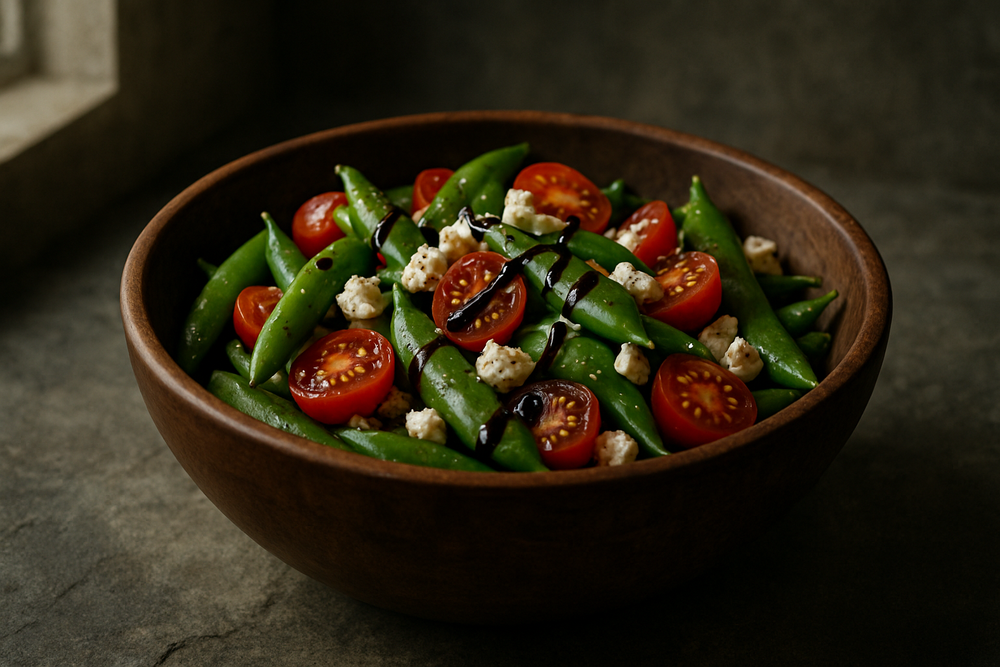
Prep Ideas
- — Snap peas + hummus or tahini dip: The natural sweetness of raw snap peas contrasts well with the savory, earthy depth of chickpea-based dips. This pairing also combines plant protein sources and adds complementary minerals.
- — Snap peas + sesame oil, ginger, and garlic (stir-fry): A 90-second stir-fry with these aromatics brings out the sweetness of the peas while adding anti-inflammatory compounds (gingerols in ginger, allicin precursors in garlic). Toss over brown rice or buckwheat noodles for a quick meal.
- — Snap peas + lemon juice and fresh mint (simple salad): Thinly sliced raw snap peas dressed with lemon juice and mint make a bright, refreshing side. The vitamin C in lemon juice amplifies iron absorption from any leafy greens you add alongside.
- — Rinse under cold water just before eating (washing ahead and storing wet speeds spoilage).
- — Store dry in a perforated bag or open container in the refrigerator crisper; most fresh sugar snap peas stay crisp for 4–7 days.
- — For snacking, pre-portion into small containers after purchase so they are grab-and-go ready all week.
Glossary
Shop This Ingredient
Stock your pantry with quality sugar snap peas.
Buy on AmazonAs an Amazon Associate, Plantopedia earns from qualifying purchases. This costs you nothing extra and helps us keep the encyclopedia free.
Frequently Asked Questions
The evidence below reflects what research tells us about the nutrients in sugar snap peas and broader vegetable intake patterns. Large clinical trials isolating sugar snap peas specifically are not yet available, so most claims should be read as "associated with" rather than "proven to cause." Heart and circulation Sugar snap peas are low in saturated fat, free of cholesterol, and naturally low in sodium — three characteristics that dietary guidelines consistently associate with heart-healthy eating. They also supply dietary fiber, folate, and potassium. Folate (a B vitamin) helps regulate homocysteine, an amino acid that at elevated blood levels has been associated with increased cardiovascular risk. Potassium supports normal fluid balance and is linked to healthy blood pressure in human dietary research. Fiber — particularly the soluble type — may help moderate LDL cholesterol levels. Evidence here is indirect: it is based on the nutrient profile of snap peas and broad vegetable intake data, not trials on snap peas alone. Still, including them as part of an overall vegetable-rich diet is consistent with heart-health guidance. Digestive health and the gut Fiber is the main story here. A 1-cup (100 g) serving provides about 2.6 g of dietary fiber — roughly 9% of a typical daily target. Eating the whole pod (rather than shelling the peas) maximizes this benefit, since the pod itself contributes both insoluble fiber (which adds bulk to stools and supports regularity) and some soluble fiber (which feeds beneficial gut bacteria). Human studies consistently show that dietary fiber from vegetables supports stool regularity and overall digestive function. Sugar snap peas also have a high water content, which works alongside fiber to keep digestion moving smoothly. For people with sensitive digestion or irritable bowel syndrome (IBS — a functional gut condition causing abdominal discomfort and altered bowel habits), starting with a small portion and increasing gradually may reduce the likelihood of gas or bloating. Blood sugar and metabolism Sugar snap peas are a non-starchy vegetable with a relatively modest carbohydrate content (about 7.6 g per 100 g) and a meaningful fiber contribution, which helps slow glucose (blood sugar) absorption after a meal. Their low energy density — only 42 calories per 100 g — also makes them a useful substitute for higher-calorie, higher-glycemic snacks. Human evidence on blood sugar comes mainly from broader legume and vegetable studies rather than trials focused on sugar snap peas specifically. That said, their nutritional profile aligns well with dietary patterns recommended for people managing blood glucose, including those with type 2 diabetes or prediabetes. As always, any dietary changes for blood sugar management should be discussed with a healthcare provider. Inflammation and oxidative stress Oxidative stress refers to an imbalance between free radicals and the body's ability to neutralize them — a state linked over time to chronic inflammation and disease risk. Sugar snap peas' vitamin C content (about 53% Daily Value per serving) and carotenoids both contribute to antioxidant defense. Broader human research consistently associates higher fruit and vegetable intake — and specifically higher dietary antioxidant intake — with lower markers of inflammation. No trials have directly tested sugar snap peas for anti-inflammatory outcomes, so the connection remains logical and indirect. Think of them as one contributor within a varied, plant-rich diet rather than a standalone anti-inflammatory food. Immune system support and bone health Vitamin C is well established as essential for immune function. It supports the activity of immune cells (including neutrophils and lymphocytes), plays a role in skin barrier integrity, and helps the body absorb non-heme iron — the type of iron found in plant foods. Getting adequate vitamin C from food is associated with shorter duration of some infections in research, though results vary. Vitamin K is the other standout here. This fat-soluble vitamin (meaning it needs dietary fat to be absorbed properly) activates proteins involved in blood clotting and bone mineralization. Per 100 g, sugar snap peas deliver about 21% of the Daily Value — a meaningful contribution toward the daily target. These functions are based on established nutritional science rather than snap-pea-specific trials.
Both work well, and the best choice usually comes down to texture preference and what you are making. Raw: Eating sugar snap peas raw preserves the most heat-sensitive vitamin C, delivers maximum crunch, and requires zero prep beyond a quick rinse. If the string along the pod seam feels tough — especially on larger pods — pinch the stem end and pull it back to remove it. This small step improves both texture and digestibility. Flash-cooked (lightly steamed or sautéed for 2–3 minutes): Brief cooking softens the fiber slightly, which can benefit people with sensitive digestion, while keeping the snap largely intact. Vitamin C will decrease somewhat with heat, but minerals and fiber are not significantly affected by light cooking. Stir-fried: A quick high-heat stir-fry with minimal time (60–90 seconds) keeps color and crunch while integrating snap peas beautifully into mixed vegetable dishes. Frozen: Frozen sugar snap peas are blanched (briefly boiled, then chilled) before freezing, which reduces some water-soluble vitamins compared with fresh. However, fiber, minerals, and most B vitamins are well-preserved, making frozen a nutritionally solid and convenient option when fresh is not available. One practical note: overcooking sugar snap peas until they turn khaki-green is a sign that both color compounds (chlorophyll) and heat-sensitive nutrients have broken down significantly. Keep the heat brief and the color bright.
No specific therapeutic dose has been established from clinical trials for sugar snap peas. Practical guidance comes from dietary pattern recommendations: General population: A ½ to 1 cup (50–100 g) serving, eaten several times per week, is a realistic and evidence-consistent contribution to the vegetable group. U.S. dietary guidelines recommend 2–3 cups of vegetables per day for most adults; sugar snap peas can comfortably account for a full serving within that target. As a snack: A 1-cup (100 g) serving at 42 calories is a low-calorie-density snack that can help bridge the gap between meals without significantly affecting blood glucose. Start low if new to high-fiber eating: If you are significantly increasing vegetable intake, adding ½ cup of snap peas and gradually building up over 1–2 weeks is gentler on digestion than a sudden large increase. No upper limit concern: There is no established upper limit for sugar snap peas as a food. Eating 2 cups daily would still be nutritionally reasonable for most healthy adults. Consistency matters more than quantity: The benefits associated with vegetable-rich diets come from long-term dietary patterns, not single servings. Looking to build an eating plan around your health goals? Browse the Plantopedia Goals Hub for evidence-aligned ingredient guides organized by what you want to support.
Quick Answers
Common questions, answered in a line.
Sugar snap peas contain carotenoids (like beta-carotene), flavonoids, phenolic acids, and saponins. These plant-derived compounds act as antioxidants that help neutralize unstable free radicals, support vascular health, and may provide anti-inflammatory effects.
Sugar snap peas are generally safe for pregnancy and provide folate, which is a beneficial nutrient during this time. As with any food, they should be included as part of a varied, plant-forward diet to support overall health.
People taking Warfarin or other vitamin K-sensitive anticoagulants should maintain a consistent intake of sugar snap peas. Because these peas are rich in vitamin K, sudden large changes in how much you eat can affect how the medication performs.
If you have IBS or a sensitive digestive system, start with small portions of sugar snap peas and cook them lightly. The fiber and naturally occurring fermentable carbohydrates (FODMAPs) in the peas may cause gas or bloating in susceptible individuals.
Store sugar snap peas dry in a perforated bag or open container in the refrigerator crisper to keep them fresh for 4 to 7 days. Avoid washing them until just before you plan to eat them, as storing them wet can speed up spoilage.
Sugar snap peas are legumes, so individuals with confirmed allergies to peas, lentils, or peanuts should consult an allergist before eating them. While they are a healthy vegetable, they may trigger reactions in those with specific legume sensitivities.
To boost iron absorption from leafy greens, pair sugar snap peas with lemon juice. The high vitamin C content in the lemon juice works with the nutrients in the peas to help your body better absorb iron from other vegetables in your meal.
For Readers in the USA
Local context — sourcing, seasonality, and regional notes.
In the United States, sugar snap peas are primarily grown in California and the Pacific Northwest, with peak domestic seasons occurring in spring and early summer. While these regions lead production, many home gardeners across USDA zones 3–9 plant them as soon as the soil can be worked in early spring.
You can find sugar snap peas year-round at major US retailers like Kroger, Walmart, and Whole Foods, typically sold in 8-ounce or 1-pound breathable plastic bags in the produce aisle. For the freshest local options, look for them at community farmers markets from April through June in most states.
Look for the USDA Organic seal if you want to ensure the peas were grown without synthetic pesticides or fertilizers, as legumes are sometimes treated to prevent fungal issues. Regardless of the label, the FDA recommends washing all fresh produce under cold running water before consumption to remove lingering soil or microbes.
Sugar snap peas were developed in the US in the 1970s as a cross between garden peas and snow peas, and they are now a staple in American crudité platters and school lunches. They have become a popular "convenience vegetable" in the US because the entire pod is edible, unlike traditional English shelling peas.
AI Clinical Review
- Accurately presents sugar snap peas as a low-calorie, non‑starchy vegetable with meaningful vitamin C, vitamin K, and fiber, consistent with USDA nutrient data.
- Explains digestive and metabolic upsides clearly: whole‑pod fiber supports regularity and can blunt post‑meal glucose rise compared with refined snacks.
- Describes immune and bone‑health links appropriately via vitamin C (immune and iron absorption) and vitamin K (clotting and bone proteins).
- Offers practical prep guidance (raw for vitamin C; brief cooking to maintain crunch) and rightly notes frozen options remain nutritious.
- Most health claims are extrapolated from broader vegetable/legume research; randomized trials on sugar snap peas specifically (e.g., cholesterol, glycemic control, inflammation markers) are limited.
- The impact of specific phytochemicals in snap peas (flavonoids, phenolic acids, saponins) on human outcomes and effective intakes isn’t well defined.
- Nutrient bioavailability differences by preparation (raw vs. lightly cooked vs. blanched/frozen) in snap peas haven’t been comprehensively quantified.
- Practical intake: ½–1 cup per serving, a few times per week, fits most diets; raw maximizes vitamin C, while 1–3 minutes of light cooking can improve tolerability; frozen is a sound stand‑in when fresh isn’t available.
- Vitamin K and blood thinners: because snap peas provide vitamin K, people on warfarin should keep weekly intake consistent and coordinate with their clinician.
- Digestive sensitivity: peas contain FODMAPs; those with IBS may do better starting with small portions and/or lightly cooked pods.
- Special populations: discuss regular intake with a clinician if you have a legume allergy, chronic kidney disease or are on potassium‑sparing diuretics/ACE inhibitors, or if you use insulin/oral diabetes medications and are changing carbohydrate patterns.
Very safe; remove the string if tough.
References
- USDA FoodData Central — Snap peas, raw, nutrient data (fdc.nal.usda.gov)
- USDA SNAP-Ed Seasonal Produce Guide: Peas (snaped.fns.usda.gov)
- MyPlate: Vegetables food group guidance (myplate.gov)
- University of Minnesota Extension — Sugar Snap Peas (Real Life Good Food) (reallifegoodfood.umn.edu)
- Medical News Today — Peas: Nutrition, benefits, types, and more (medicalnewstoday.com)
- Healthline — Snow Peas vs. Sugar Snap Peas: What's the Difference? (healthline.com)
- Nutrition-and-you.com — 10 Snap Peas Nutrition Facts and Health Benefits (nutrition-and-you.com)
- PGCPS Food and Nutrition — Sugar Snap Peas Information Sheet (pgcps.org)
- NIH Office of Dietary Supplements — Vitamin K Fact Sheet for Health Professionals (ods.od.nih.gov)
- NIH Office of Dietary Supplements — Vitamin C Fact Sheet for Health Professionals (ods.od.nih.gov)
Know Your Numbers
Eating healthy is a start. Now get to know your biomarkers.
Food changes bloodwork — inflammation, lipids, blood sugar and nutrient status all respond to what you eat. 59 markers from $59.
- Results in 7–10 days at 2,000+ Quest sites
- Licensed provider reviews every result
- One flat price, no membership, HSA/FSA eligible
Educational information only, not medical advice. Panels are ordered and reviewed through our licensed partner; Plantopedia may earn a commission.