Thyme — health benefits and uses
Flavor-first apothecary angle; use food amounts rather than supplement claims
The Short Answer
Thyme is an aromatic Mediterranean herb rich in thymol, a compound with potent antimicrobial and antioxidant properties. It provides 13% of the Daily Value for Vitamin K and Vitamin A in a single tablespoon serving, supporting bone and eye health.

Thyme · Photograph
Thyme (Thymus vulgaris) is a fragrant Mediterranean herb that brings earthy, resinous flavor to soups, stews, and roasted vegetables while contributing antioxidant compounds to your meals. This member of the mint family has been seasoning dishes and supporting wellness for thousands of years, from ancient Egyptian temples to modern Mediterranean kitchens.
Key Nutrients
% Daily Value based on 2,000 cal diet
Key active compounds in thyme
- Thymol: The main essential oil component that provides antimicrobial and antioxidant effects
- Carvacrol: A phenolic compound that works alongside thymol for antimicrobial activity
- Rosmarinic acid: A potent antioxidant found in many mint family herbs
- Luteolin and apigenin: Flavonoids that contribute to thyme's anti-inflammatory potential
- Naringenin: A flavonoid that supports the herb's free radical-scavenging capacity
- Zeaxanthin and lutein: Carotenoids that act as antioxidants, particularly for eye health
Common pairings that maximize thyme's benefits
Thyme + legumes: The herb's digestive-supporting properties complement beans and lentils while adding Mediterranean flavor to plant-protein dishes.
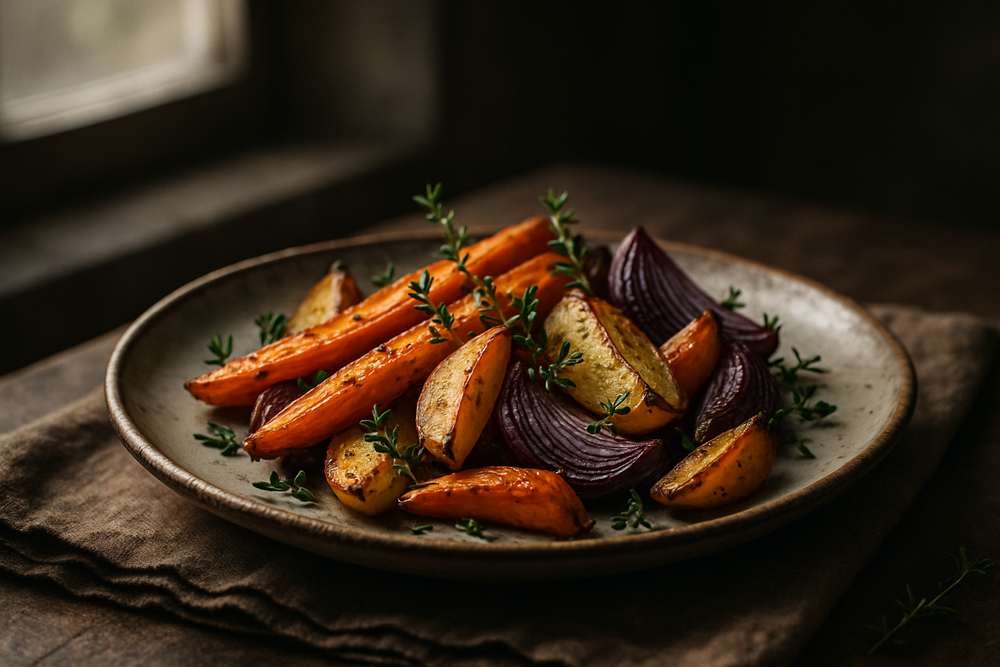
Thyme + roasted vegetables: Long cooking develops thyme's earthy notes while the herb's antioxidants complement the carotenoids in colorful vegetables like carrots, sweet potatoes, and bell peppers.
Thyme + olive oil + garlic: This classic Mediterranean trio creates flavorful marinades and cooking bases that may offer synergistic antioxidant benefits from combining different plant compounds.
Buying guide: Choosing quality thyme
Fresh thyme: Look for bright green leaves without dark spots or wilting. Store in the refrigerator wrapped in damp paper towels for up to a week.
Dried thyme: Choose organic when possible and store in airtight containers away from light and heat. Replace annually for best flavor and potency.
Thyme-infused products: Herbal vinegars, oils, and salt blends can add convenience but check ingredient lists for additives.
Essential oils: Not recommended for culinary use - these concentrated forms require special handling and dilution.
Prep and pairing ideas
Add fresh thyme sprigs to slow-cooked stews and remove before serving. Strip fresh leaves for quick-cooking dishes, salads, and herb rubs. Combine dried thyme with other Mediterranean herbs like oregano and rosemary for seasoning blends.
Try thyme in white bean soups, roasted winter vegetables, herb-crusted tofu or tempeh, and grain pilafs. The herb also pairs beautifully with lemon in marinades and dressings.
Bottom line on thyme health benefits and uses
Thyme offers a perfect example of how flavorful cooking can support wellness. While we can't call it a cure or treatment, this aromatic herb brings proven antioxidant compounds, essential nutrients, and centuries of culinary wisdom to your kitchen.
Whether you choose fresh or dried, thyme transforms simple plant-based ingredients into satisfying meals that align with healthy eating patterns. Start with small amounts, experiment with different preparations, and enjoy this Mediterranean staple as part of a diverse, plant-forward diet.
Try our meal planner to discover more ways to incorporate antioxidant-rich herbs like thyme into your weekly cooking routine.
How Thyme Compares
| Compared with | What's different |
|---|---|
| Thyme vs. Oregano | Earthy and minty flavor compared to Oregano's pungent, peppery, and slightly bitter profile. |
| Thyme vs. Marjoram | Thyme has smaller, needle-like leaves and a woodier scent compared to Marjoram's floral sweetness. |
| Thyme vs. Rosemary | Stronger pine and citrus notes with much larger, needle-like leaves that don't soften as easily. |
Health Benefits
Things to Know
Allergies: People allergic to other mint family herbs (oregano, basil, rosemary) may also react to thyme
Pregnancy: Culinary amounts are generally safe, but avoid concentrated supplements or essential oils
Blood thinning: High amounts may theoretically interact with anticoagulant medications due to vitamin K content
Hormone sensitivity: While culinary use appears safe, those with hormone-sensitive conditions should use concentrated forms cautiously
Children: Stick to food-level amounts appropriate for age; avoid essential oils
Shop This Ingredient
Stock your pantry with quality thyme.
Buy on AmazonAs an Amazon Associate, Plantopedia earns from qualifying purchases. This costs you nothing extra and helps us keep the encyclopedia free.
Frequently Asked Questions
Research suggests several areas where thyme's compounds may offer benefits, though most evidence comes from laboratory and animal studies rather than human trials. Heart and circulation Thyme's antioxidant compounds may help protect blood vessels from oxidative damage. Laboratory studies show that thymol and carvacrol can scavenge free radicals and may support healthy blood pressure regulation, though human studies specifically on culinary thyme are limited. The herb fits well into heart-healthy eating patterns like the Mediterranean diet, where aromatic herbs help reduce reliance on excess salt while adding flavor to vegetable-rich meals. Digestive health and microbiome Traditional use of thyme for digestive comfort aligns with laboratory findings on its carminative (gas-reducing) and antimicrobial properties. Thyme's essential oils show activity against various food-borne bacteria and may support a healthy gut environment. The herb's aromatic compounds can make fiber-rich legume and vegetable dishes more appealing, potentially supporting digestive wellness by encouraging consumption of beneficial plant foods. Blood sugar and metabolism Some preclinical studies suggest thyme polyphenols may influence glucose metabolism and reduce oxidative stress related to blood sugar management. However, human trials are lacking, so any benefits likely come from thyme's role in flavoring naturally blood-sugar-friendly foods like beans and vegetables. Inflammation and recovery Thyme's phenolic compounds, particularly rosmarinic acid and flavonoids, demonstrate anti-inflammatory effects in laboratory settings. While this doesn't translate directly to clinical anti-inflammatory effects from cooking with thyme, the herb contributes to the overall anti-inflammatory potential of a plant-rich diet.
Both fresh and dried thyme offer culinary and nutritional benefits, with some key differences: Fresh thyme provides bright, complex flavor and higher vitamin C content. Strip leaves from woody stems before adding to dishes. Fresh works particularly well in lighter preparations, quick-cooking vegetables, and as a finishing herb. Dried thyme offers concentrated flavor and minerals like iron and manganese. It withstands long cooking times better and provides consistent seasoning year-round. Use about one-third the amount compared to fresh in recipes. Thyme tea made from either form (1-2 teaspoons per cup of hot water) offers a traditional way to enjoy the herb's aromatic and potentially soothing properties.
For most people, 1-2 teaspoons of dried thyme or 1-2 tablespoons of fresh thyme per day represents typical culinary use. This amount provides flavor benefits while staying well within traditional dietary patterns. Start with smaller amounts if you're new to cooking with thyme, as its flavor can be assertive. You can gradually increase use as your palate adapts. For thyme tea, 1-2 teaspoons of dried herb per cup of water, steeped for 5-10 minutes, follows traditional preparation methods.
Quick Answers
Common questions, answered in a line.
Thyme contains several active compounds including thymol, carvacrol, rosmarinic acid, and flavonoids like luteolin and apigenin. These components work together to provide antimicrobial, antioxidant, and anti-inflammatory effects. The herb also contains carotenoids such as zeaxanthin and lutein which support eye health.
The best way to store fresh thyme is in the refrigerator wrapped in damp paper towels, where it will stay fresh for up to a week. When choosing fresh sprigs, look for bright green leaves that show no signs of wilting or dark spots. Regardless of the form, keep dried thyme in airtight containers away from heat and light.
Thyme and legumes are an ideal pairing because the herb's digestive-supporting properties complement beans and lentils in plant-protein dishes. It also pairs well with roasted vegetables, where long cooking times develop its earthy flavor notes. Additionally, combining thyme with olive oil and garlic creates a synergistic antioxidant effect.
Thyme essential oils are not recommended for culinary use because these are highly concentrated forms of the herb that require special handling and dilution. For cooking, it is safer and more appropriate to use fresh or dried thyme leaves. Always stick to food-level amounts for children and avoid essential oils entirely in their diet.
People with allergies to other mint family herbs, such as oregano, basil, or rosemary, may also experience a reaction to thyme. While culinary amounts are generally safe, high intake may interact with blood-thinning medications due to the herb's vitamin K content. Those with hormone-sensitive conditions should also avoid using concentrated forms of thyme.
Culinary amounts of thyme are generally considered safe during pregnancy, but concentrated supplements and essential oils should be avoided. It is always best to stick to standard food preparations rather than high-potency extracts. For children, the herb should only be used in age-appropriate culinary amounts.
For Readers in the USA
Local context — sourcing, seasonality, and regional notes.
In the United States, fresh thyme is available year-round at major grocery chains like Kroger, Publix, and Safeway, typically found in the refrigerated produce section. You can also find organic varieties at specialty retailers like Whole Foods or local farmers markets during the peak summer growing season.
English thyme and French thyme are the most common varieties found in US garden centers and grocery stores, both offering the classic savory flavor profile. Other popular regional variations include Lemon Thyme, which is widely used in American coastal cuisine for its bright, citrusy notes.
Thyme thrives as a perennial in USDA Hardiness Zones 5 through 9, making it a staple in home gardens across most of the continental United States. In colder northern states, it is often grown as an annual or brought indoors for the winter to protect it from deep freezes.
When buying dried thyme in the US, look for the USDA Organic seal to ensure the herb was grown without synthetic pesticides or irradiation. The FDA regulates dried herbs as "generally recognized as safe" (GRAS), but checking for third-party certifications can help verify purity and sourcing.
AI Clinical Review
- Accurately identifies thyme’s key bioactive compounds (thymol, carvacrol, rosmarinic acid, flavonoids) and their antioxidant/antimicrobial activity.
- Emphasizes that most benefit evidence comes from lab/animal studies and that culinary use differs from concentrated extracts—an important distinction.
- Places thyme within Mediterranean-style eating, where herbs help flavor plant-forward, lower-sodium meals that support cardiometabolic health.
- Sensibly contrasts fresh vs. dried thyme for flavor and stability, and notes tea as a traditional, food-level preparation.
- Human clinical trials on thyme (at culinary doses) for blood pressure, glycemic control, or anti-inflammatory effects are limited; findings from essential oils or high-dose extracts don’t directly translate to cooking amounts.
- Antimicrobial and microbiome benefits from typical culinary use are plausible but unproven; heat and digestion reduce exposure to volatile oils.
- Micronutrient contributions exist but are modest because serving sizes are small—thyme should complement, not replace, nutrient-dense foods.
- Claims around hormone-sensitive conditions are not well established for food-level intake; current data are insufficient to draw conclusions.
- Typical culinary ranges (about 1–2 teaspoons dried or 1–2 tablespoons fresh per day) are reasonable; thyme tea at 1–2 teaspoons dried herb per cup steeped 5–10 minutes is a food-like use. Avoid ingesting essential oils, which are highly concentrated and can be toxic.
- Allergies can occur, especially in people sensitive to other mint-family herbs (oregano, rosemary, basil). Discontinue if you notice oral itching, rash, or wheeze.
- Medication considerations: vitamin K in thyme is relatively low at culinary amounts, but those on warfarin should keep overall vitamin K intake consistent. Essential-oil–based products may also interact with medications—avoid without clinician guidance.
- Pregnancy and children: Culinary use is generally considered safe in pregnancy and for kids; avoid concentrated supplements or essential oils during pregnancy, breastfeeding, and in young children unless advised by a clinician.
Use culinary framing; avoid treatment claims or supplement-dose guidance.
References
- USDA FoodData Central - Thyme, fresh and dried nutritional data (fdc.nal.usda.gov)
- NCCIH Herbs at a Glance - General herbal safety principles (nccih.nih.gov)
- "Biological and pharmacological properties of Thymus vulgaris" - PMC review article (pmc.ncbi.nlm.nih.gov)
- McCormick Science Institute - Thyme overview and culinary applications (mccormickscienceinstitute.com)
- Journal of Food Science - Antimicrobial properties of thyme essential oil components
- European Food Safety Authority - Safety assessment of thyme in food use
- Mediterranean diet research - Role of culinary herbs in traditional dietary patterns
- Antioxidant activity studies - Thymol and carvacrol free radical scavenging capacity
Know Your Numbers
Eating healthy is a start. Now get to know your biomarkers.
Food changes bloodwork — inflammation, lipids, blood sugar and nutrient status all respond to what you eat. 59 markers from $59.
- Results in 7–10 days at 2,000+ Quest sites
- Licensed provider reviews every result
- One flat price, no membership, HSA/FSA eligible
Educational information only, not medical advice. Panels are ordered and reviewed through our licensed partner; Plantopedia may earn a commission.