Vegan Butter — health benefits and uses
Fat, texture, and satiety angle; clarify strict WFPB vs flexible plant-based use
The Short Answer
Vegan butter is a dairy-free spread made from plant oils that provides approximately 100 calories and 11g of fat per tablespoon. It is designed to mimic the melting point and flavor of dairy butter using ingredients like canola, palm, or coconut oil.
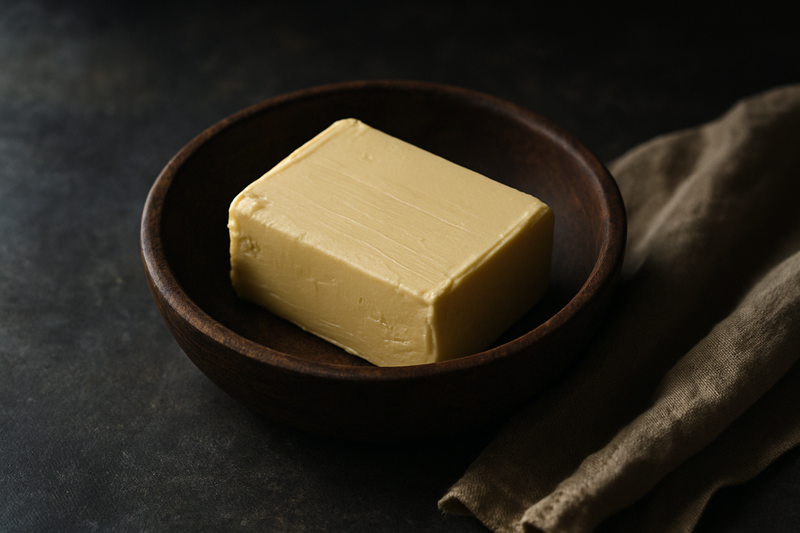
Vegan Butter · Photograph
Vegan butter — also sold as plant-based butter, dairy-free butter, or non-dairy buttery spread — is a category of fat-rich spreads designed to replicate the flavor, texture, and cooking behavior of dairy butter without using any animal products. Most versions are made from refined vegetable oils, emulsifiers, salt, and water, sometimes with added vitamins or plant sterols. Unlike dairy butter, which comes from cow's milk fat, vegan butter has no single defining ingredient: the product you buy could be based on canola oil, palm oil, coconut oil, soybean oil, or a blend of several. That distinction matters more than the label.
Key Nutrients
% Daily Value based on 2,000 cal diet
Key active compounds in vegan butter
The nutritionally relevant compounds in vegan butter come almost entirely from the oils it is made from, with some added via fortification. Unlike whole plant foods, there is no inherent phytochemical complexity.
- Saturated fatty acids (e.g., palmitic acid from palm oil, lauric acid from coconut oil): Raise LDL cholesterol at high intakes; amount varies widely by brand.
- Monounsaturated fatty acids (MUFAs) (e.g., oleic acid from high-oleic sunflower or canola oil): Associated with favorable lipid profiles; higher MUFA versions are preferable.
- Polyunsaturated fatty acids (PUFAs) (e.g., linoleic acid — an omega-6 — from soybean or sunflower oil): Can lower LDL cholesterol when they replace saturated fat; best in balance with omega-3 fats.
- Plant sterols and stanols (added in specialty spreads): Structurally similar to cholesterol; compete with cholesterol absorption in the gut, reducing LDL by approximately 8–15% at doses of 1.5–3 g/day.
- Tocopherols (vitamin E family): Naturally present in plant oils; act as fat-soluble antioxidants that protect cell membranes from oxidative damage.
- Carotenoids (e.g., beta-carotene): Sometimes naturally present in oils or added as a coloring agent and precursor to vitamin A.
- Emulsifiers and food additives (e.g., sunflower lecithin, guar gum, natural flavors): Stabilize the oil-water mixture; some individuals with sensitive guts may notice bloating from certain emulsifiers.
How Vegan Butter Compares
| Compared with | What's different |
|---|---|
| Vegan Butter vs. Dairy Butter | Derived from animal fats with higher saturated fat; vegan butter uses plant-based oil blends. |
| Vegan Butter vs. Margarine | Specifically formulated to mimic butter flavor and melting point, whereas margarine is more utilitarian. |
| Vegan Butter vs. Coconut Oil | Contains roughly 90mg of sodium and emulsifiers, while coconut oil is a single-ingredient pure fat. |
Health Benefits
Things to Know
Vegan butter is calorie-dense: just two tablespoons adds 160–200 calories. Portion awareness matters, especially for weight management.
Check labels for partially hydrogenated oils — an indicator of industrial trans fats. Most modern vegan butters are trans-fat-free, but some older or cheaper formulations may still use them.
Palm oil and palm kernel oil are technically "plant-based" but are among the highest in saturated fat of any vegetable oils; they also carry environmental concerns (deforestation). Look for palm oil-free vegan butters if this matters to you.
Sodium content can be significant. Choose unsalted or low-sodium versions if you have hypertension or are closely monitoring sodium intake.
Strict WFPB dieters: Vegan butter is classified as an extracted, highly processed fat and

Shop This Ingredient
Stock your pantry with quality vegan butter.
Buy on AmazonAs an Amazon Associate, Plantopedia earns from qualifying purchases. This costs you nothing extra and helps us keep the encyclopedia free.
Frequently Asked Questions
This is the area where the research is most developed and the nuance is most important. Heart and circulation Replacing dairy butter with a plant-based spread made from liquid unsaturated oils consistently reduces LDL ("bad") cholesterol in human trials and large observational studies. This works because: Vegan butter contains zero dietary cholesterol (found only in animal foods). Versions based on canola, high-oleic sunflower, or soybean oil are lower in saturated fat than dairy butter and provide more heart-friendly MUFAs and PUFAs. Plant sterol-enriched spreads are the most studied: clinical trials show that consuming about 1.5–2 tablespoons per day of a sterol-fortified spread (delivering 1.5–3 g of plant sterols) across meals can lower LDL cholesterol by 8–15% in people with elevated LDL. This effect is additive with a heart-healthy diet and sometimes with statin medications. However, these benefits are not universal across all vegan butters: Palm oil-based and coconut oil-based stick vegan butters can contain 3–4 g of saturated fat per tablespoon — similar to dairy butter. The advantage over dairy butter is mainly the absence of cholesterol and lactose, not a substantially better fat profile. Evidence is strongest for replacing butter with liquid plant oils (especially extra-virgin olive oil), not with another solid spread. The step from dairy butter to a liquid-oil-dominant spread is beneficial; the step from that spread to whole-food fat sources is even better. Digestive health and microbiome Vegan butter is best described as digestively neutral in small amounts for most people. It provides no fiber, no prebiotics (food for beneficial gut bacteria), and no fermented compounds. High-fat foods in general slow gastric emptying (the rate at which food leaves the stomach), which can be uncomfortable in large amounts and problematic for people with gallbladder disease, pancreatitis, or fat malabsorption. Some individuals may experience bloating from the emulsifiers used in certain spreads. For gut health, whole-food fats — nuts, seeds, avocado — come packaged with fiber that supports the microbiome in ways that refined vegan butter simply cannot. Blood sugar and metabolism Dietary fats have minimal direct effect on blood glucose because they contain no carbohydrate. In the short term, adding fat to a carbohydrate-containing meal may slightly slow the rise in blood sugar by slowing gastric emptying, but this is not a meaningful therapeutic effect. The more important consideration is long-term diet quality: research links replacing saturated fat and trans fat with polyunsaturated fat to modest improvements in insulin sensitivity (how well your cells respond to insulin) over time, while diets high in saturated fat and trans fat are associated with impaired insulin action. Vegan butters made from liquid unsaturated oils are modestly favorable here compared with dairy butter; products high in palm or coconut oil are not. For blood sugar management, the priority remains whole, minimally processed plant foods — vegetables, legumes, intact grains, fruit — not refined fats of any kind. Inflammation and recovery Human data specifically on vegan butter and inflammation markers are lacking. What the research does show is that dietary patterns higher in polyunsaturated and monounsaturated fats (and lower in saturated fat and trans fat) are associated with lower circulating CRP (C-reactive protein, a key marker of whole-body inflammation) and less cardiovascular disease over time. A vegan butter made from unsaturated oils will generally be less pro-inflammatory than dairy butter or an old-style stick margarine, but this benefit is modest compared with simply eating more whole-food plant fats. Thinking of vegan butter as an anti-inflammatory food would be an overreach. Hormones and cycle health Fats are necessary for steroid hormone production (estrogen, testosterone, cortisol all require fat-based precursors), so extremely low-fat diets can disrupt hormone balance — particularly reproductive hormones — in some people. Small amounts of vegan butter as part of a varied diet are unlikely to harm hormonal health and may help those who struggle to get enough total fat from whole-food sources. That said, heavy reliance on saturated-fat-rich vegan butters rather than whole-food fats is not ideal for cardiometabolic or hormonal balance. For hormone support on a plant-based diet, prioritize nuts, ground flaxseed, chia seeds, and soy foods over refined fat spreads.
Not all vegan butters are created equal. The fat blend is the single most important factor. Soft tub spreads (refrigerated, liquid-oil dominant): These are typically the closest to the plant-oil margarines used in cholesterol-lowering studies. Made from canola, soybean, high-oleic sunflower, or similar liquid oils, they tend to have 1.5 g or less of saturated fat per tablespoon and spread easily. If you use vegan butter regularly, this is the category to focus on. Sterol-enriched versions offer the most documented heart benefit. Stick vegan butters: Designed to behave like a butter stick in baking, these are typically firmer because they contain more solid fats — often palm kernel oil, palm oil, or coconut oil. Saturated fat is usually 3–4 g per tablespoon. They perform well in pastry and baked goods but offer less cardiovascular benefit than tub spreads. Plant sterol–enriched spreads: A specialty category available in many supermarkets (look for brands that state "contains plant sterols" or "helps reduce cholesterol"). Most useful for people with elevated LDL cholesterol who want a functional food component alongside other dietary changes. Used at 1.5–2 tablespoons per day across meals. Cooking and baking blends: Some products combine vegan butter with liquid oils for versatility. Read the ingredient list: if palm oil or coconut oil is listed first or second, treat it like a stick butter from a nutrition standpoint. WFPB perspective: None of these are truly whole-food options. If the choice is between liquid extra-virgin olive oil and any form of vegan butter for sautéing, olive oil is nutritionally preferable. Reserve vegan butter for baking applications or specific uses where its solid-fat properties are genuinely needed.
Quick Answers
Common questions, answered in a line.
Vegan butter is a plant-based spread made from refined vegetable oils, water, salt, and emulsifiers designed to mimic dairy butter. Common oil bases include canola, palm, coconut, or soybean oil, often with added vitamins or plant sterols for nutrition.
Vegan butter contains tocopherols (vitamin E) and sometimes carotenoids like beta-carotene, which act as fat-soluble antioxidants. These compounds help protect cell membranes from oxidative damage and are either naturally present in the oils or added for coloring.
Yes, vegan butter is calorie-dense, typically containing between 160 and 200 calories in just two tablespoons. Because of this high energy density, portion awareness is important for individuals focused on weight management.
Specialty vegan spreads enriched with plant sterols and stanols can lower LDL cholesterol by 8–15% when consumed at doses of 1.5–3 grams per day. These plant compounds work by competing with cholesterol absorption in the gut.
Some people with sensitive guts may experience bloating from the emulsifiers and food additives used in vegan butter. Common stabilizing ingredients include sunflower lecithin and guar gum, which are used to keep the oil and water mixture from separating.
Most modern vegan butters are trans-fat-free, but you should check labels for partially hydrogenated oils to confirm. These industrial trans fats are more likely to be found in older or cheaper formulations of plant-based spreads.
If you are monitoring sodium or have hypertension, it is best to choose unsalted or low-sodium versions of vegan butter. The sodium content in standard versions can be significant, making label checking essential for heart health.
For Readers in the USA
Local context — sourcing, seasonality, and regional notes.
You can find vegan butter at major US retailers like Walmart, Target, Kroger, and Whole Foods, as well as specialty natural food stores. Popular domestic brands include Earth Balance, Miyoko’s Creamery, and Country Crock Plant Butter, which are often shelved in the dairy aisle next to traditional butter.
The USDA Organic seal on vegan butter ensures the product is made without synthetic pesticides, GMOs, or hexane-extracted oils. While many US-based brands offer organic versions, shoppers should check the packaging for the green and white circular logo to verify these standards are met.
American consumers often refer to these products interchangeably as plant-based butter, non-dairy spread, or margarine, though the FDA distinguishes between them based on fat content. Newer premium products often use the term "cultured" or "European-style" to describe varieties made with traditional fermentation methods rather than just oil blends.
Vegan butter is available year-round in the US and is not subject to seasonal availability, though consumption often peaks during the American holiday baking season. During November and December, many US grocery stores increase their stock of sticks versus tubs to accommodate traditional recipes like pie crusts and cookies.
AI Clinical Review
- Health impact depends on the oil blend, not the “vegan” label; soft tub spreads made from liquid oils (higher in MUFAs/PUFAs) generally have less saturated fat than stick-style products.
- Replacing dairy butter with unsaturated plant‑oil spreads can lower LDL (“bad”) cholesterol; sterol‑enriched spreads can reduce LDL about 8–15% when they provide roughly 1.5–3 g/day of plant sterols.
- Vegan butter is calorie‑dense and relatively nutrient‑poor compared with whole‑food fats (nuts, seeds, avocado); “use sparingly” is reasonable for most people.
- Modern formulations typically avoid industrial trans fats, but checking labels for “partially hydrogenated oils” remains prudent.
- Direct trials linking vegan butter itself (not just its fatty acid profile) to long‑term outcomes like heart attacks or mortality are limited; benefits are inferred from replacing saturated fat with unsaturated fat.
- Data on emulsifiers and the gut microbiome are mixed and person‑specific; some may notice bloating, while others do not.
- Inflammation and insulin sensitivity appear more influenced by overall dietary pattern than by any single spread; head‑to‑head data among different vegan butter bases (e.g., palm vs canola) are sparse.
- For heart health, compare labels: aim for lower saturated fat (about ≤1.5 g per tablespoon) and consider sterol‑enriched options if you’re managing high LDL; typical effective sterol intakes are 1.5–3 g/day, divided with meals.
- People with gallbladder disease, pancreatitis, or fat‑malabsorption disorders may need to limit added fats, including vegan butter—check with a clinician.
- Those with sitosterolemia (a rare lipid disorder) should avoid plant sterol–enriched products; discuss any use with your care team if you have familial lipid conditions or take lipid‑lowering medications.
- If you’re sodium‑sensitive, choose lower‑sodium versions; watch portions since two tablespoons add ~160–200 calories. Vegans should not rely on spreads for vitamin B12 or D—use reliable dietary sources or supplements as advised by a clinician.
Flag strict WFPB limitations for extracted oils and highly processed fat products.
References
- PMC, National Library of Medicine — Plant based butters (pmc.ncbi.nlm.nih.gov)
- PubMed — Improving the selenium supply of vegans and omnivores with Brazil nut butter compared to a dietary supplement in a randomized controlled trial (pubmed.ncbi.nlm.nih.gov)
- PubMed — Butter and Plant-Based Oils Intake and Mortality (pubmed.ncbi.nlm.nih.gov)
- PMC, National Library of Medicine — Vegan Diet Health Benefits in Metabolic Syndrome (pmc.ncbi.nlm.nih.gov)
- USDA FoodData Central — USDA FoodData Central (fdc.nal.usda.gov)
- ScienceDirect — S2590259823000298 (sciencedirect.com)
- ScienceDirect — S0002916522040990 (sciencedirect.com)
Know Your Numbers
Eating healthy is a start. Now get to know your biomarkers.
Food changes bloodwork — inflammation, lipids, blood sugar and nutrient status all respond to what you eat. 59 markers from $59.
- Results in 7–10 days at 2,000+ Quest sites
- Licensed provider reviews every result
- One flat price, no membership, HSA/FSA eligible
Educational information only, not medical advice. Panels are ordered and reviewed through our licensed partner; Plantopedia may earn a commission.