Vegan Mayo — health benefits and uses
Fat, texture, and satiety angle; clarify strict WFPB vs flexible plant-based use
The Short Answer
Vegan mayo is an egg-free condiment made by emulsifying plant oils with liquids like soy milk or aquafaba. It is cholesterol-free and typically contains 11g of fat and 90 calories per tablespoon.

Vegan Mayo · Photograph
Vegan mayo — short for vegan mayonnaise — is an egg-free, plant-based version of the classic creamy condiment. Most commercial and homemade versions work by emulsifying (blending fat and water into a stable, creamy mixture) refined vegetable oil with a plant-based liquid such as soy milk or aquafaba (the liquid from a can of chickpeas), plus acid, salt, and seasonings. The result looks and spreads much like conventional mayo, but without any animal ingredients.
Key Nutrients
% Daily Value based on 2,000 cal diet
Key active compounds
Vegan mayo does not contain dramatic amounts of any single beneficial compound, but the following are worth knowing about:
- Monounsaturated fatty acids (MUFAs): A type of unsaturated fat (fat with one double bond in its chemical chain) found in oils like canola, high-oleic sunflower, and olive oil. Associated with improved blood lipid profiles when they replace saturated fats.
- Polyunsaturated fatty acids (PUFAs) — linoleic acid and alpha-linolenic acid (ALA): Essential fatty acids your body cannot make on its own. Linoleic acid is an omega-6 fat; ALA is an omega-3 fat. Both are present in varying amounts depending on which oil is used. Common seed-oil-based vegan mayos tend to be much higher in omega-6 than omega-3.
- Phytosterols: Plant compounds structurally similar to cholesterol that naturally occur in vegetable oils. They compete with cholesterol for absorption in the gut and can modestly lower LDL (low-density lipoprotein, often called "bad" cholesterol) at high doses — though the amounts in a tablespoon or two of mayo are too small to have a meaningful effect on their own.
- Vitamin E (tocopherols): A fat-soluble antioxidant (a compound that helps protect cells from oxidative damage) naturally present in small amounts in vegetable oils.
- Vitamin K1 (phylloquinone): Needed for blood clotting and bone metabolism; found in modest amounts in canola and soybean oils.
Is vegan mayo good or bad for your health? What the evidence says
Heart and circulation
The most evidence-based benefit of vegan mayo is substitution-based: replacing butter, lard, or egg-based conventional mayo with a plant oil–based vegan mayo reduces dietary cholesterol to zero and lowers saturated fat intake. Large randomized controlled trials and meta-analyses (studies that pool data from many trials) consistently show that replacing saturated fat with unsaturated fat from vegetable oils lowers LDL cholesterol and reduces coronary heart disease risk.
However, this benefit only applies when vegan mayo is genuinely replacing something worse — not being added on top of an already fat-rich diet. And it does not mean the more vegan mayo, the better. Organisations like the American Heart Association recommend getting most of your fat from plant sources but emphasize small amounts of oil, not liberal use of mayo-style condiments.
Strict WFPB and heart-disease-reversal programs (such as those associated with Ornish or Esselstyn protocols) go further and advise avoiding all extracted oils — including vegan mayo — in favor of whole-food fat sources like nuts, seeds, and avocado, where the fat comes packaged with fiber and micronutrients.
Evidence level: Moderate (for oil substitution effects on lipids; no direct human trials on vegan mayo specifically)
Digestive health and microbiome
There are no robust human trials looking at vegan mayo and gut health specifically. What we do know from general nutrition research is that high-fat, low-fiber foods can slow digestion, and for some people — particularly those with acid reflux, irritable bowel syndrome, or gallbladder issues — large amounts of fat in one sitting can worsen symptoms.
Some commercial vegan mayos contain added emulsifiers (ingredients like polysorbates or carrageenan used to keep oil and water from separating). A small number of observational and animal studies have raised questions about certain emulsifiers and gut microbiome health, but direct human evidence at condiment-level doses is limited and mixed.
If you have a sensitive gut, oil-free versions made from tofu or white beans are likely to be better tolerated.
Evidence level: Emerging/limited
Blood sugar and metabolism
Standard oil-based vegan mayo contains almost no carbohydrate, so it does not meaningfully spike blood glucose or insulin. For people managing type 2 diabetes or insulin resistance (reduced sensitivity to insulin, the hormone that controls blood sugar), vegan mayo is unlikely to be a direct problem in small amounts.
That said, vegan mayo is calorie-dense and provides no satiety-supporting fiber or protein. Overconsumption can contribute to weight gain, which indirectly worsens insulin sensitivity over time.
Evidence level: Moderate (for fat and blood sugar patterns generally; vegan mayo specifically is not studied)
Inflammation and recovery
Seed-oil-based vegan mayo (soybean, sunflower, safflower) is typically high in omega-6 linoleic acid and very low in omega-3 fatty acids. A high omega-6 to omega-3 ratio in the diet has been discussed as a potential driver of inflammation, but controlled human studies generally do not show a strong pro-inflammatory effect of linoleic acid at typical dietary intakes when omega-3 consumption is adequate.
For most people using one to two tablespoons occasionally, the omega-6 contribution from vegan mayo is unlikely to be a major independent driver of inflammation. Overall diet quality and body weight matter far more. That said, heavy daily use of omega-6-rich seed oils at the expense of omega-3 sources (like flaxseed, chia, or walnuts) is worth considering.
Evidence level: Emerging
Hormones and cycle health
Vegan mayo made with soy milk may contain trace amounts of soy isoflavones (plant compounds that interact weakly with estrogen receptors in the body), but the doses from typical condiment use are extremely small — too small to replicate the effects seen in studies of whole soy foods like edamame or tofu. From a hormonal standpoint, vegan mayo is best seen as a minor contributor to overall fat intake rather than a therapeutic tool.
Very low-fat diets (below approximately 15–20% of calories from fat) can, in some individuals, affect sex hormone production and menstrual regularity. If you follow an extremely low-fat WFPB diet for medical reasons and notice hormonal changes, that is a conversation for your healthcare provider — not a reason to add more mayo.
Evidence level: Emerging/limited
Prep and pairing ideas
Common pairings: making vegan mayo work smarter
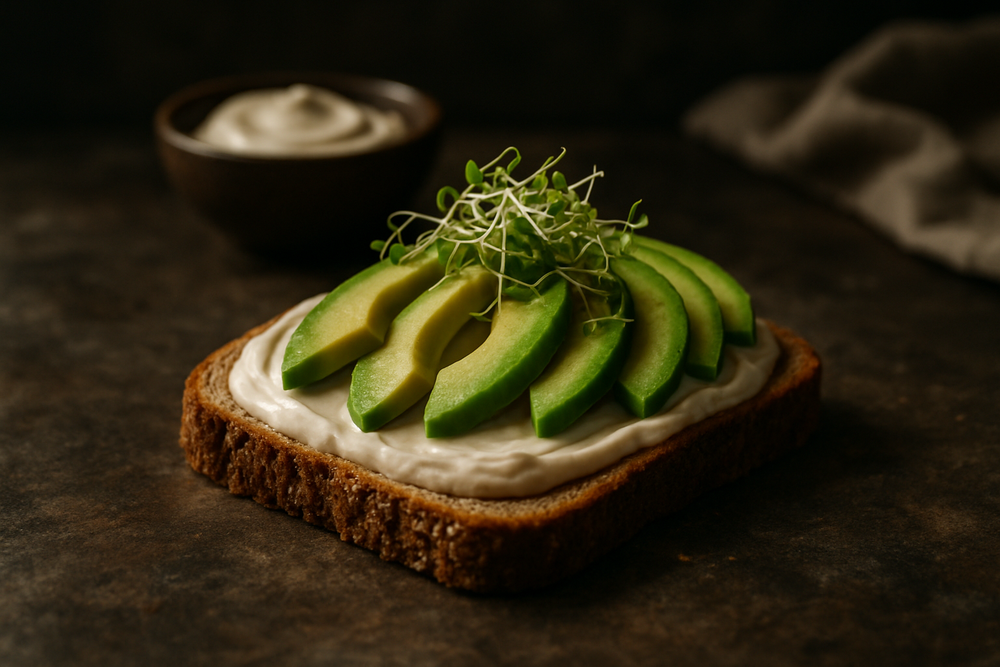
1. Vegan mayo + mashed avocado (50/50 blend) Cut the calorie density in half while adding fiber, potassium, and folate. Use as a sandwich spread or base for a lighter "aioli." The avocado also adds creaminess that means you need less overall.
2. Vegan mayo + lemon juice + garlic + fresh herbs = quick dip base A tablespoon of vegan mayo thinned with l
How Vegan Mayo Compares
| Compared with | What's different |
|---|---|
| Vegan Mayo vs. Traditional Mayonnaise | Contains egg yolks and cholesterol, whereas vegan mayo is cholesterol-free and plant-based. |
| Vegan Mayo vs. Avocado | A whole-food fat source containing fiber and micronutrients absent in emulsified oils. |
| Vegan Mayo vs. Greek Yogurt (Plain) | Lower in fat and calories but lacks the thick, creamy emulsion of oil-based mayo. |
Health Benefits
Things to Know
Ultra-processed food flag: Most commercial vegan mayo qualifies as an ultra-processed food (a product made primarily from industrial ingredients rather than whole foods). Consistent observational data link high ultra-processed food intake to increased risks of obesity, cardiovascular disease, and type 2 diabetes — though the causality is complex and not specific to mayo.
Allergen alert: Many vegan mayos use soy milk, soy protein, mustard, pea protein, or aquafaba (chickpea liquid). Check labels carefully if you have soy, legume, or mustard allergies.
Warfarin and vitamin K: Canola and soybean oil–based mayo contains small amounts of vitamin K1. This is unlikely to cause problems, but if you take warfarin (a blood-thinning medication that is sensitive to vitamin K intake), keep your vegan mayo use consistent and discuss it with your healthcare provider.
Lipid-lowering medications: No direct drug interaction, but heavy use of added fats and ultra-processed foods can undermine cholesterol- and weight-management goals that medications like statins are supporting.
High blood pressure: Some commercial vegan mayos are moderately high in sodium. If you are managing hypertension, check the sodium per serving and factor it into your daily total (aim for under 2,300 mg/day per most guidelines).
Gallbladder or pancreatic conditions: High-fat condiments like oil-based mayo can trigger symptoms in people with gallbladder disease or pancreatic insufficiency. Use with caution or stick to oil-free versions under medical guidance.
Pregnancy: Standard vegan mayo is generally safe in pregnancy since it does not carry the Salmonella risk associated with raw egg-containing traditional mayo. However, watch sodium content and overall fat intake. Consult your midwife or OB about specific dietary patterns.
Weight management: Vegan mayo is easy to overconsume. A "generous spread" on a sandwich can easily reach 3–4 tablespoons (270–360 calories from mayo alone) without feeling like much.
Shop This Ingredient
Stock your pantry with quality vegan mayo.
Buy on AmazonAs an Amazon Associate, Plantopedia earns from qualifying purchases. This costs you nothing extra and helps us keep the encyclopedia free.
Frequently Asked Questions
This is where the choice matters most. | Form | Fat source | WFPB fit | Calorie density | |---|---|---|---| | Standard oil-based (commercial or homemade) | Refined vegetable oil | Poor–moderate | High (90 cal/tbsp) | | Reduced-fat / "light" vegan mayo | Diluted oil + starches/gums | Poor | Moderate (35–50 cal/tbsp) | | Oil-free tofu- or bean-based | Silken tofu, cannellini beans, cauliflower | Good | Low (10–25 cal/tbsp) | | Nut- or cashew-based (no added oil) | Whole cashews/nuts | Moderate | Moderate-high (still calorie-dense, but whole-food fat) | The WFPB verdict in plain language: Oil-based vegan mayo (including commercial brands like Vegenaise or Hellmann's Vegan): Use sparingly or not at all in strict WFPB patterns. Oil-free tofu or bean mayo: The most compatible option; provides some protein and fiber. Cashew-based: Preferable to extracted oil, but still calorie-dense — fine in moderate amounts for healthy adults not managing weight or cardiovascular disease. If buying commercial vegan mayo, look for versions that use high-oleic sunflower or canola oil (higher in MUFAs), have low sodium (under 100 mg per tablespoon), and contain minimal additives.
Quick Answers
Common questions, answered in a line.
Vegan mayo is an egg-free, plant-based version of the classic condiment made by emulsifying vegetable oil with liquids like soy milk or aquafaba. This process blends fat and water into a stable, creamy mixture that looks and spreads like conventional mayonnaise.
Yes, vegan mayo is a heart-healthy alternative to butter or egg-based mayo because it reduces dietary cholesterol to zero and lowers saturated fat intake. Replacing saturated fats with the unsaturated fats found in vegetable oils is linked to lower LDL cholesterol and reduced heart disease risk.
Vegan mayo generally has a minimal impact on blood sugar because it contains almost no carbohydrates and does not cause a spike in glucose or insulin. While safe for those managing type 2 diabetes in small amounts, its high calorie density means overconsumption could indirectly affect metabolism.
Vegan mayo is made using plant-based emulsifiers and oils, which eliminates the Salmonella risk often associated with traditional mayo containing raw eggs. While generally safe, pregnant individuals should still monitor the sodium content and overall fat density of commercial brands.
Vegan mayo is a calorie-dense food that provides no fiber or protein, making it very easy to overconsume. A generous spread can add 270–360 calories to a meal, so it should be used in small amounts if you are focused on weight management.
Individuals taking Warfarin should be aware that vegan mayos made with canola or soybean oil contain small amounts of Vitamin K1. While unlikely to cause major issues, it is important to keep intake consistent and consult a healthcare provider regarding blood-thinning medications.
People with sensitive digestion or conditions like gallbladder disease may find that the high fat content in oil-based vegan mayo worsens their symptoms. For better tolerance, the article suggests trying oil-free versions made from tofu or white beans.
For Readers in the USA
Local context — sourcing, seasonality, and regional notes.
You can buy vegan mayo at nearly every major US grocery chain, including Kroger, Walmart, Target, Publix, and Whole Foods Market. Specialized brands like Just Mayo, Hellmann’s Vegan, and Follow Your Heart are typically found in the refrigerated natural foods section or the shelf-stable condiment aisle.
In the US, vegan mayo labeled "Organic" must meet USDA standards, meaning the oils are non-GMO and produced without synthetic pesticides. Check for the USDA Organic seal to ensure the soybean or sunflower oils used in the emulsion adhere to these federal federal regulations.
While conventional mayonnaise is strictly defined by the FDA as containing egg yolks, vegan alternatives are typically marketed as "dressing," "spread," or "plant-based mayo." This labeling distinction ensures products comply with US identity standards while clearly signaling they are egg-free to consumers.
AI Clinical Review
- It correctly frames vegan mayo as an extracted-fat condiment: calorie‑dense, low in protein and fiber, and not a nutrient-dense “health food.” The snapshot (~90 kcal and ~10 g fat per tablespoon, very low saturated fat, no cholesterol) matches typical labels.
- The substitution message is sound: swapping butter or egg-based mayo for plant‑oil mayo can lower saturated fat and LDL cholesterol, based on robust evidence for replacing saturated fat with unsaturated fat.
- It appropriately distinguishes dietary patterns: occasional use can fit Mediterranean-style eating, while strict whole‑food plant‑based (WFPB) reversal protocols often limit or avoid all added oils.
- Practical guidance on product types (standard, “light,” oil‑free tofu/bean, cashew‑based) and what to look for (higher‑oleic oils, lower sodium, fewer additives) is helpful for real‑world choices.
- There are no direct human trials on vegan mayo itself; most health inferences come from research on vegetable oils and overall dietary patterns.
- Emulsifiers and gut health remain an active area of study. Animal and observational data raise questions, but human evidence at typical condiment intakes is limited and mixed.
- The omega‑6/omega‑3 inflammation debate is nuanced; controlled trials generally don’t show pro‑inflammatory effects of linoleic acid when omega‑3 intake is adequate, but ideal ratios for individuals aren’t settled.
- Hormonal effects of trace soy isoflavones from soy‑based mayo appear negligible, yet high‑quality human data specific to condiment‑level exposure are sparse.
- Portion matters: 1 tablespoon ≈ 90 calories. Spreading 3–4 tablespoons can add 270–360 calories quickly; consider smaller amounts or oil‑free blends (tofu/bean) or avocado‑mayo mixes to lighten the load.
- Match the form to your goals: oil‑free tofu/bean versions are most compatible with WFPB or weight‑management aims; cashew‑based options are whole‑food fats but still energy‑dense; standard oil‑based mayo can fit sparingly in balanced diets.
- Medical considerations: if you take warfarin, keep intake consistent due to small amounts of vitamin K in canola/soy‑based mayo; high‑fat condiments may aggravate gallbladder or pancreatic conditions; check sodium if you have hypertension; review labels if you have soy/legume/mustard allergies; vegan mayo without raw egg is generally safe in pregnancy—confirm specifics with your clinician.
- For diabetes or insulin resistance: vegan mayo won’t spike glucose, but excess calories can affect weight and insulin sensitivity over time—portion control and overall diet quality remain key.
Flag strict WFPB limitations for extracted oils and highly processed fat products.
References
- PMC, National Library of Medicine — Consumer Acceptance and Perceived Sensory Characteristics of Commercial Vegan Mayonnaise (pmc.ncbi.nlm.nih.gov)
- PubMed — Production of vegan mayonnaise using polysaccharide-conjugated mung bean protein isolate (pubmed.ncbi.nlm.nih.gov)
- PubMed — Physicochemical and structural properties of vegan mayonnaise prepared with peanut sprout oil and aquafaba (pubmed.ncbi.nlm.nih.gov)
- PubMed — Comparing effects of soybean oil- and palm olein-based mayonnaise consumption on the plasma lipid and lipoprotein profiles in human subjects: a double-blind randomized controlled trial with (pubmed.ncbi.nlm.nih.gov)
- PMC, National Library of Medicine — Functionalization of a Vegan Mayonnaise with High Value Ingredient Derived from the Agro-Industrial Sector (pmc.ncbi.nlm.nih.gov)
- USDA FoodData Central — USDA FoodData Central (fdc.nal.usda.gov)
Know Your Numbers
Eating healthy is a start. Now get to know your biomarkers.
Food changes bloodwork — inflammation, lipids, blood sugar and nutrient status all respond to what you eat. 59 markers from $59.
- Results in 7–10 days at 2,000+ Quest sites
- Licensed provider reviews every result
- One flat price, no membership, HSA/FSA eligible
Educational information only, not medical advice. Panels are ordered and reviewed through our licensed partner; Plantopedia may earn a commission.