Wheat Germ — health benefits and uses
Long valued as the 'heart' of the wheat kernel and a vitamin E source.
The Short Answer
Wheat germ is the nutrient-dense embryo of the wheat kernel, providing 6.5g of protein and 4.5mg of Vitamin E per quarter-cup serving. It is commonly used as a nutritional booster for yogurt, smoothies, and baked goods to increase intake of B vitamins and
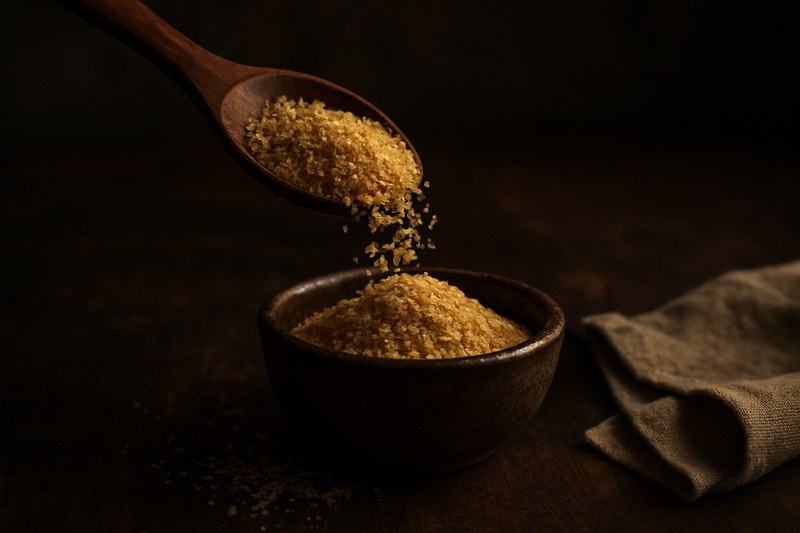
Wheat Germ · Photograph
Discover wheat germ health benefits and how to use it every day — from sprinkling on cereal and yogurt to baking it into bread. Learn about its vitamin E content, fiber, protein, heart and blood sugar research, gluten cautions, and how to store it so it stays fresh.
Key Nutrients
% Daily Value based on 2,000 cal diet
Key active compounds
Wheat germ's benefits trace back to a layered mix of nutrients and plant compounds:
- Tocopherols (vitamin E family): Fat-soluble antioxidants — molecules that neutralize unstable free radicals before they can damage cells. Wheat germ is one of the richest whole-food sources.
- Spermidine (a polyamine): A naturally occurring compound found in plant and animal cells; particularly abundant in wheat germ. In experimental research, spermidine is linked to autophagy (the body's cellular "self-cleaning" process) and healthy aging, though direct wheat-germ human trials are limited.
- Phytosterols: Plant-derived compounds structurally similar to cholesterol. They compete with dietary cholesterol for absorption in the gut, which can modestly lower LDL cholesterol — the type associated with cardiovascular risk.
- Policosanols: Long-chain plant alcohols found in wheat germ wax, studied for possible lipid-lowering effects, though human evidence is mixed.
- Carotenoids: Pigmented antioxidant compounds present in small amounts; support eye and cardiovascular health.
- Folate (B9), thiamin (B1), niacin (B3), B6: A broad B-vitamin complex supporting energy metabolism, DNA synthesis, and nervous system function.
Prep and pairing ideas
Wheat germ is one of the easier ingredients to work into existing meals because it largely disappears into textures without altering flavor dramatically.
Buying guide
- Toasted vs. raw: Toasted is easier to find and has a longer fridge life; raw maximizes polyamines and natural oils.
- Organic vs. conventional: Both are nutritionally similar. Choose based on preference and budget.
- Check the date: Wheat germ has a shorter shelf life than most pantry staples. Buy from stores with high turnover and check the "best by" date.
- Label tip: Ingredient list should read simply "wheat germ" or "toasted wheat germ" — avoid products with added sugars, hydrogenated oils, or lengthy ingredient lists. Some products are labelled "stabilized wheat germ," meaning they have been lightly heat-treated to slow rancidity.
Common pairings
- Wheat germ + Greek yogurt + berries: A classic combination. The yogurt's protein and probiotics complement wheat germ's fiber and vitamin E, while berries add polyphenols (antioxidant plant pigments). Start with 1–2 tablespoons sprinkled on top.
- Wheat germ + oatmeal + banana: Mixing wheat germ into morning oats adds zinc, magnesium, and extra protein without changing the texture noticeably. Banana contributes potassium and natural sweetness.
- Wheat germ + smoothies: Blend 1–2 tablespoons into any fruit-and-vegetable smoothie for a nutrient boost that is virtually undetectable in flavor. Pairs especially well with almond milk, spinach, and frozen mango.
Bottom line
Wheat germ is a compact, versatile whole-food upgrade that delivers vitamin E, fiber, protein, folate, magnesium, and zinc in just a few tablespoons. Early human research suggests modest benefits for cholesterol levels (mainly in people with elevated lipids) and blood sugar control (mainly in people with type 2 diabetes or insulin resistance), with lower-dose trials in healthy people showing limited effects.
It is not a cure or a treatment for anything, and it is not suitable for people with celiac disease, non-celiac gluten sensitivity, or wheat allergy. Store it in the fridge or freezer to prevent rancidity, start with small amounts to let your digestion adjust, and treat it as one nutritious component of a varied, plant-rich diet rather than a magic bullet.
If you are exploring food-as-medicine approaches to heart health, blood sugar support, or digestive wellness, wheat germ is a genuinely evidence-adjacent ingredient worth including.
Want to explore more whole-food approaches? Browse the Plantopedia goals library to find ingredient combinations matched to your health priorities.
How Wheat Germ Compares
| Compared with | What's different |
|---|---|
| Wheat Germ vs. Wheat Bran | Higher in protein and healthy fats, whereas wheat bran is mostly insoluble fiber for digestion. |
| Wheat Germ vs. Ground Flaxseed | Higher in Vitamin E and zinc, while flaxseed provides significantly more omega-3 fatty acids. |
| Wheat Germ vs. Whole Wheat Flour | Wheat germ is the nutrient-dense embryo of the kernel; whole wheat flour includes the starchy endosperm. |
Health Benefits
Things to Know
Gluten alert: Wheat germ contains gluten. It is completely off the table for anyone with celiac disease or non-celiac gluten sensitivity, and may trigger reactions in people with wheat allergy.
Rancidity risk: Because of its high unsaturated fat content, wheat germ oxidizes (breaks down) quickly once opened. Store in an airtight container in the refrigerator (up to 3–4 months) or freezer (up to 6+ months). Smell before using — a stale or paint-like odor means it has gone rancid.
GI sensitivity: Increasing fiber too quickly can cause gas, bloating, or loose stools. Start with 1 tablespoon per day and build up gradually. Drink plenty of water.
Blood sugar medications: If you have type 2 diabetes or insulin resistance and begin using substantial amounts of wheat germ daily, modest improvements in blood sugar could amplify the effect of glucose-lowering drugs (insulin, sulfonylureas, metformin). Monitor your levels and consult your provider.
Kidney disease: Wheat germ is relatively high in phosphorus and moderately high in potassium. People with advanced chronic kidney disease or those on phosphorus/potassium restrictions should check with their nephrologist (kidney specialist) before adding large quantities.
Vitamin E and blood thinners: Food-level wheat germ is generally safe, but if you are also taking high-dose vitamin E supplements or wheat germ oil and an anticoagulant (blood thinner) like warfarin, the combined vitamin E load could increase bleeding risk. Talk to your doctor.
Pregnancy: Wheat germ's folate content is a genuine bonus during pregnancy (folate supports fetal neural tube development). However, if you are pregnant and managing blood sugar, discuss any significant dietary additions with your midwife or OB.
FWGE and cancer care: Fermented wheat germ extract is being researched as an adjunct to conventional cancer treatment. It should never replace standard therapy and must be coordinated with your oncology team.

Prep Ideas
- — **Toasted vs. raw:** Toasted is easier to find and has a longer fridge life; raw maximizes polyamines and natural oils.
- — **Organic vs. conventional:** Both are nutritionally similar. Choose based on preference and budget.
- — **Check the date:** Wheat germ has a shorter shelf life than most pantry staples. Buy from stores with high turnover and check the "best by" date.
- — **Label tip:** Ingredient list should read simply "wheat germ" or "toasted wheat germ" — avoid products with added sugars, hydrogenated oils, or lengthy ingredient lists. Some products are labelled "stabilized wheat germ," meaning they have been lightly heat-treated to slow rancidity.
- — **Wheat germ + Greek yogurt + berries:** A classic combination. The yogurt's protein and probiotics complement wheat germ's fiber and vitamin E, while berries add polyphenols (antioxidant plant pigments). Start with 1–2 tablespoons sprinkled on top.
- — **Wheat germ + oatmeal + banana:** Mixing wheat germ into morning oats adds zinc, magnesium, and extra protein without changing the texture noticeably. Banana contributes potassium and natural sweetness.
- — **Wheat germ + smoothies:** Blend 1–2 tablespoons into any fruit-and-vegetable smoothie for a nutrient boost that is virtually undetectable in flavor. Pairs especially well with almond milk, spinach, and frozen mango.
Glossary
Shop This Ingredient
Stock your pantry with quality wheat germ.
Buy on AmazonAs an Amazon Associate, Plantopedia earns from qualifying purchases. This costs you nothing extra and helps us keep the encyclopedia free.
Frequently Asked Questions
Heart and circulation An 18-week study in adults with elevated blood lipids (fats in the blood, including cholesterol and triglycerides) found that daily raw wheat germ intake lowered total cholesterol by roughly 8–9%, LDL ("bad") cholesterol by about 15%, and triglycerides by about 11%. That is a meaningful shift for a dietary change. The likely drivers include phytosterols blocking cholesterol absorption, vitamin E reducing oxidative stress on blood vessels, and healthy polyunsaturated fats replacing less favorable fats. That said, a more recent crossover trial in healthy adults using just 6 g of wheat germ per day in bread found no significant changes in cholesterol or other cardiovascular markers. A systematic review concluded that evidence exists but is limited by small sample sizes and weak study design. Takeaway: modest cholesterol benefits appear most likely in people who already have elevated lipids and who consume meaningful amounts — not in healthy adults at very low doses. Digestive health and microbiome Wheat germ provides both soluble and insoluble fiber, which feeds gut bacteria and adds bulk to stools. A pilot study in overweight adults found modest but measurable improvements in gut-health-related markers after wheat germ supplementation. A narrative review noted limited evidence that wheat germ may reduce certain potentially harmful gut bacteria, suggesting a mild prebiotic effect (a prebiotic is a food component that selectively nourishes beneficial gut bacteria). The evidence here is emerging and modest — wheat germ is a reasonable fiber upgrade, but it is not a dramatic gut intervention on its own. Introduce it gradually if you have a sensitive digestive system. Blood sugar and metabolism This is one of the more compelling research areas. A study in people with type 2 diabetes using approximately 30 g of wheat germ twice daily over six months reported a substantial drop in HbA1c (a measure of average blood sugar over 2–3 months) from 8.4% to 6.4% — a shift that moved participants into a near-normal range. A randomized controlled pilot study in overweight adults also found modest improvements in fasting glucose and insulin resistance markers. Again, the lower-dose trial in healthy adults (6 g/day) found no glycemic effect, suggesting dose and baseline metabolic health matter. Wheat germ's fiber, magnesium, and possible displacement of refined carbohydrates likely all play a role. People with diabetes who add significant amounts should monitor blood glucose closely and keep their care team informed. Inflammation and recovery Direct human data on wheat germ and systemic inflammation (the body's ongoing low-level immune response, which plays a role in many chronic diseases) are thin. Animal studies suggest wheat germ can dampen inflammatory signaling in gut and fat tissue. Much of the published inflammation research involves fermented wheat germ extract (FWGE) — a distinct clinical product — rather than culinary wheat germ, so findings do not translate directly to your breakfast bowl. Mood and mental wellbeing One small but interesting randomized study found that wheat germ consumption over 12 weeks significantly reduced stress and depression scores in patients with type 2 diabetes. Researchers speculated this may reflect improved metabolic control, or the contribution of B vitamins, magnesium, and folate to neurotransmitter production. It is a single small study, so treat this as early-stage evidence rather than a firm conclusion.
Raw (crude) wheat germ The most natural option. Preserves natural oils, polyamines including spermidine, and the full complement of nutrients. The tradeoff: higher moisture and oil content means it goes rancid faster. Always refrigerate after opening and use within the recommended window (usually 2–4 months). Toasted wheat germ Lightly heat-treated for a deeper, nuttier flavor and better shelf stability. Most protein, fiber, B vitamins, and minerals survive toasting with minimal loss. Vitamin E may decrease slightly with heat, but toasted wheat germ remains a nutritionally strong option and is the most widely available form in grocery stores. Wheat germ oil Extracted from the germ; concentrated in vitamin E and unsaturated fats, but it lacks fiber and most B vitamins. High-dose wheat germ oil supplements carry different safety considerations (particularly for people on blood thinners) and should not be treated as equivalent to eating whole wheat germ. Fermented wheat germ extract (FWGE) A concentrated, fermented clinical product tested in oncology settings. Its composition and dosing are entirely different from culinary wheat germ, and its use should only happen under medical supervision. Bottom line on form: For everyday food use, toasted wheat germ is the most practical and widely available option. If you prefer raw for potential spermidine benefits, buy small quantities and keep them cold.
Human studies have used widely varying amounts — from as little as 6 g (about 1 tablespoon) to as much as 60 g (about 6 tablespoons) per day. Here is a practical guide: General nutrition boost: 1–2 tablespoons (7–14 g) per day is a reasonable starting point for most people. This is enough to add meaningful vitamin E, fiber, and B vitamins without overwhelming your digestive system. Studies showing lipid benefits: Tended to use higher doses in the 25–60 g range, mainly in people with elevated cholesterol. These levels are achievable through food (60 g is roughly half a cup) but represent a much larger dietary commitment. Studies showing blood sugar benefits: Used approximately 30 g twice daily (60 g total) in people with type 2 diabetes. That is a significant daily amount — work up gradually and monitor glucose. Start low: Begin with 1 tablespoon, see how your digestion responds over a week, then increase if desired. Not a replacement for whole grains: Wheat germ is best thought of as a complement to a diet already rich in whole grains, vegetables, and legumes — not a standalone supplement. There is no formally established recommended daily intake for wheat germ specifically. The ranges above reflect what has been used in clinical research and everyday culinary practice.
Quick Answers
Common questions, answered in a line.
Wheat germ is a nutritional powerhouse containing high levels of vitamin E, B vitamins (folate, thiamin, B6), fiber, protein, and minerals like zinc and magnesium. It also contains plant compounds such as phytosterols, policosanols, and spermidine, which are linked to cellular health.
Wheat germ may support heart health by providing phytosterols, which compete with dietary cholesterol for absorption in the gut to modestly lower LDL cholesterol levels. It also contains vitamin E and carotenoids, antioxidants that support cardiovascular function.
You should store wheat germ in an airtight container in the refrigerator for up to 3–4 months or in the freezer for 6 months or more. Because of its high unsaturated fat content, it can go rancid quickly if left at room temperature; always smell it for a paint-like odor before use.
You can easily add wheat germ to your diet by sprinkling 1–2 tablespoons onto Greek yogurt, mixing it into oatmeal, or blending it into fruit and vegetable smoothies. It can also be baked into bread or used as a nutrient-dense topping for cereal.
No, wheat germ is not gluten-free and must be avoided by anyone with celiac disease, non-celiac gluten sensitivity, or a wheat allergy. It is a concentrated part of the wheat kernel and contains the proteins that trigger these conditions.
Wheat germ contains spermidine, a compound linked in experimental research to autophagy, which is the body's natural cellular "self-cleaning" process. While human trials are limited, this process is generally associated with healthy aging and cellular maintenance.
If you have type 2 diabetes, you should monitor your blood sugar closely when adding wheat germ, as it may improve glucose control and amplify the effects of medications like insulin or metformin. Always consult your healthcare provider before making significant dietary changes.
For Readers in the USA
Local context — sourcing, seasonality, and regional notes.
In the United States, you can find wheat germ in the baking aisle or the hot cereal section of major grocery chains like Kroger, Publix, and Safeway. It is also a staple in the bulk bins of health-focused retailers like Whole Foods Market or Sprouts Farmers Market.
Wheat is grown year-round across the U.S., with "Winter Wheat" harvested in the late spring and summer in states like Kansas, and "Spring Wheat" harvested in the northern plains by early autumn. Because wheat germ is a processed byproduct of milling, it is widely available and "in season" at American markets throughout the year.
The USDA Organic seal ensures that the wheat was grown without synthetic fertilizers or prohibited pesticides, which may be a priority for those looking to avoid glyphosate residues commonly used in conventional US wheat farming. Both organic and conventional versions offer the same core vitamins and minerals.
The most recognizable brand in the U.S. is Kretschmer, which has been a household name for decades and is often sold in glass jars to preserve freshness. You will also frequently see store brands (like 365 by Whole Foods) and Bob’s Red Mill, which is popular for offering both raw and toasted varieties.
AI Clinical Review
- Clearly explains what wheat germ is and why it’s nutrient-dense, highlighting vitamin E, B vitamins, minerals, fiber, and plant protein in practical serving sizes.
- Accurately differentiates whole wheat germ from wheat germ oil and fermented wheat germ extract (FWGE), which have distinct compositions and safety profiles.
- Summarizes the clinical signal for cholesterol and blood-sugar support, noting benefits are more likely at higher intakes and in people with dyslipidemia or type 2 diabetes.
- Provides useful storage guidance (refrigeration/freezing) and realistic ways to incorporate 1–2 tablespoons into meals.
- Lipid and glycemic findings come from small, heterogeneous trials with varying doses; lower-dose studies in healthy adults often show no effect.
- Microbiome and inflammatory outcomes are preliminary; much mechanistic work (e.g., spermidine/autophagy) is based on experimental or non-dietary models.
- Mental health improvements reported in a small study of people with diabetes are intriguing but not yet generalizable.
- Data on policosanols from wheat germ wax remain mixed, so any cholesterol effect should be attributed to the overall food matrix rather than a single compound.
- Contains gluten—avoid if you have celiac disease, non-celiac gluten sensitivity, or wheat allergy.
- Start with 1 tablespoon daily and increase gradually to limit GI discomfort; higher intakes used in some studies (25–60 g/day) are optional and should be individualized.
- If you use significant amounts and take diabetes medications, monitor glucose; if you use vitamin E supplements or wheat germ oil alongside anticoagulants (e.g., warfarin), discuss with your clinician.
- People with advanced kidney disease should consider the phosphorus/potassium load and review with their care team; always store in the fridge or freezer and discard if it smells rancid.
Contains gluten; goes rancid fast, refrigerate. Distinct from wheat germ oil.
References
- USDA FoodData Central — wheat germ, crude (nutrition data) (fdc.nal.usda.gov)
- Systematic review: Can wheat germ have a beneficial effect on human health? (pmc.ncbi.nlm.nih.gov)
- Human trial: Wheat germ lowers plasma lipids in hyperlipidemic subjects (18-week study) (pubmed.ncbi.nlm.nih.gov)
- RCT: Wheat germ in bread and cardiovascular risk markers in healthy adults — BMJ Open (bmjopen.bmj.com)
- Pilot RCT: Wheat germ supplementation, glucose homeostasis, and gut health in overweight adults (pubmed.ncbi.nlm.nih.gov)
- RCT: Effects of wheat germ on mental health in type 2 diabetes patients (pubmed.ncbi.nlm.nih.gov)
- Research article: Wheat germ as a polyamine (spermidine) source (pmc.ncbi.nlm.nih.gov)
- Systematic review: Health effects of fermented wheat germ extract (FWGE) (pmc.ncbi.nlm.nih.gov)
- Animal study: Wheat germ modulates inflammatory signaling in gut and adipose tissue (ncbi.nlm.nih.gov)
- University of Illinois Extension: Add valuable nutrients to the diet with wheat germ (practical guide) (extension.illinois.edu)
Know Your Numbers
Eating healthy is a start. Now get to know your biomarkers.
Food changes bloodwork — inflammation, lipids, blood sugar and nutrient status all respond to what you eat. 59 markers from $59.
- Results in 7–10 days at 2,000+ Quest sites
- Licensed provider reviews every result
- One flat price, no membership, HSA/FSA eligible
Educational information only, not medical advice. Panels are ordered and reviewed through our licensed partner; Plantopedia may earn a commission.