White Corn — health benefits and uses
Sacred to Mesoamerican cultures, where maize was seen as the substance of humanity itself.
The Short Answer
White corn is a nutritious whole grain providing 4.2g of fiber and 408mg of potassium per cup. It is a gluten-free source of B vitamins and resistant starch, which supports gut health and metabolic function.
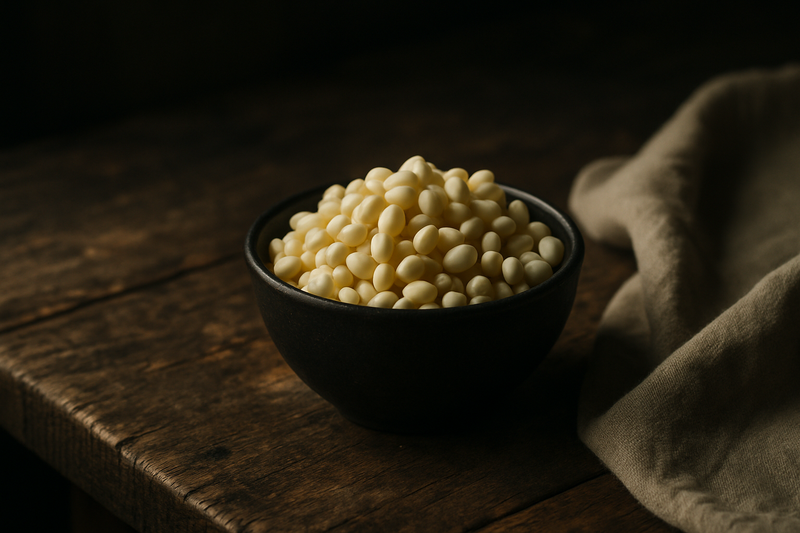
White Corn · Photograph
Discover white corn nutrition and health benefits, from fiber and B vitamins to its low glycemic index and nixtamalization advantages. Learn how this gluten-free whole grain fits into a healthy diet, how it compares to yellow corn, and which forms—fresh, frozen, or masa harina—give you the most nutritional value.
Key Nutrients
% Daily Value based on 2,000 cal diet
Key active compounds in white corn
White corn's nutritional value comes from several types of compounds working together:
- Phenolic acids (e.g., ferulic acid, p-coumaric acid): Plant-derived antioxidant compounds concentrated in the bran and germ of corn kernels. They may influence inflammatory and metabolic pathways, though most evidence comes from lab and animal studies rather than direct human trials.
- Polyphenols (general): A broad class of plant compounds with antioxidant and cell-signaling functions. White sweet corn is characterized as a notable polyphenol source among cereal grains, which may help reduce oxidative stress (cellular damage from unstable molecules called free radicals).
- Resistant starch: A type of starch that passes through the small intestine undigested and is fermented by bacteria in the colon. This fermentation produces short-chain fatty acids like butyrate, which support colon cell health and may benefit glucose metabolism.
- Phytosterols: Plant sterols structurally similar to cholesterol. Found in small amounts in corn, they may modestly reduce LDL cholesterol absorption as part of a plant-rich diet.
- B vitamins (thiamin, pantothenic acid, folate): Water-soluble vitamins essential for energy metabolism, DNA synthesis, and nervous system function.
Prep and pairing ideas
White corn is one of the more forgiving ingredients in a plant-based kitchen. A few practical ways to work it in:
- Corn and black bean salsa: Combine fresh or frozen white corn kernels with black beans, diced red onion, cilantro, lime juice, and a little cumin. The beans add complementary protein and additional fiber, and the lime brightens the polyphenol profile.
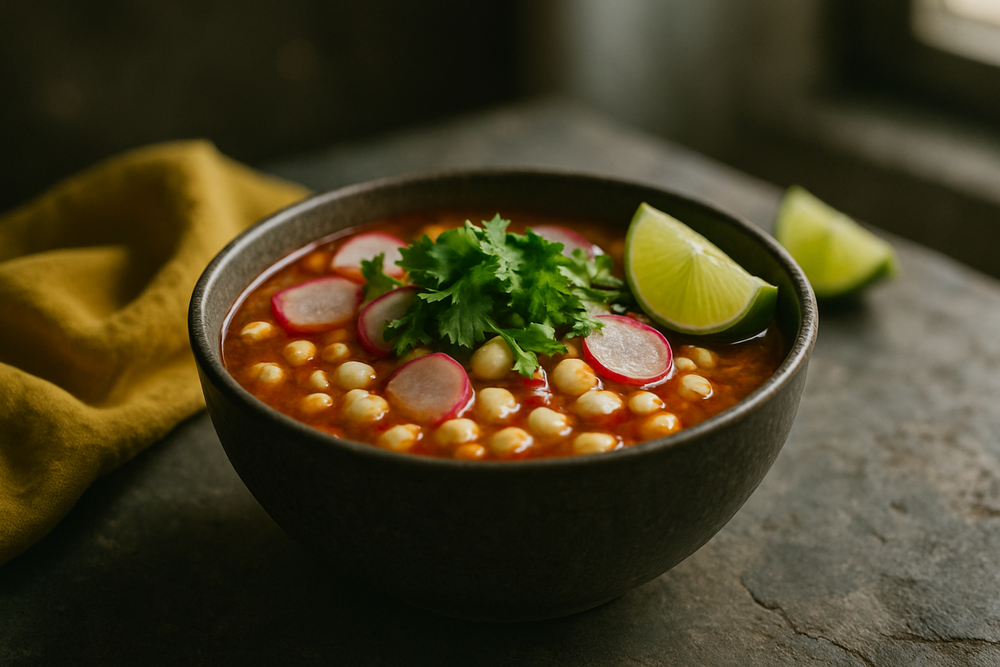
- Hominy pozole verde: Use dried nixtamalized white corn (hominy) as the base of a brothy Mexican stew with tomatillos, peppers, and herbs. This is one of the best ways to experience nixtamalized corn's improved nutrient availability in a satisfying, whole-food meal.
- Corn on the cob with herb oil: Brush a boiled or grilled ear with a small amount of olive oil, smoked paprika, and fresh herbs. Pairing corn with a small amount of healthy fat slows gastric emptying and can further moderate the blood glucose response.
Buying guide tips:
- Fresh: Look for husks that are bright green and tightly wrapped; silk should be golden and slightly sticky, not dry. White corn seasons peak in mid-to-late summer.
- Frozen: Choose plain frozen kernels with no added sauces, butter, or salt on the ingredient list.
- Masa harina: Look for "masa harina made from whole corn" or "nixtamalized whole-grain corn" on the label. Bob's Red Mill and Maseca both offer widely available options; Maseca is traditional but made from degermed corn, while Bob's Red Mill offers a whole-grain version.
- Canned: Choose "no salt added" or "low sodium" versions; always rinse before eating.
Bottom line
White corn is a genuinely nutritious, naturally gluten-free whole grain that brings fiber, resistant starch, B vitamins, and a handful of important minerals to the table in a mild, versatile package. The evidence for its specific health benefits is largely borrowed from the broader whole-grain literature—which is strong—rather than from trials on white corn alone. That's a fair caveat, but it doesn't diminish corn's role as a quality whole-food carbohydrate source.
Where white corn earns extra credit is in its traditional processed forms. Nixtamalized tortillas and hominy aren't just cultural staples—they're examples of food preparation that meaningfully improves nutrient availability, a fact now supported by nutritional science. The key, as always, is form: whole corn, frozen kernels, traditional tortillas, and hominy are your best options. Refined corn snacks, heavily salted canned corn, and puffed corn cereals are a different nutritional category entirely.
If you're building a WFPB plate, white corn fits naturally alongside legumes, leafy greens, and other whole grains—no special treatment required.
Explore more on Plantopedia: Looking for ways to build meals around whole grains and other plant-based staples? Browse our goals guide for dietary patterns tailored to common health priorities.
How White Corn Compares
| Compared with | What's different |
|---|---|
| White Corn vs. Yellow Corn | Contains carotenoids like lutein and zeaxanthin, whereas white corn lacks these pigments. |
| White Corn vs. Hominy | Has a tougher skin and larger, chewy kernels created through a lime-soaking process. |
| White Corn vs. Field Corn | A different species with higher protein and fat, often ground into a fine cornmeal. |
Health Benefits
Things to Know
Corn allergy: Though less common than peanut or tree nut allergy, corn allergy does exist. If you have a history of multiple food allergies, speak with an allergist before adding corn liberally to your diet.
Celiac disease and gluten sensitivity: White corn is naturally gluten-free. However, cross-contamination in processing facilities is a real risk. Look for certified gluten-free labels on cornmeal, masa harina, and packaged corn products if you have celiac disease.
Diabetes and blood sugar management: Count corn toward your total daily carbohydrate intake. Choose whole or minimally processed forms, watch portion sizes, and pair with protein and fat to moderate glucose response.
Irritable bowel syndrome (IBS) or sensitive digestion: The fiber and fermentable carbohydrates in corn can cause bloating or gas in some people. Start with smaller portions (½ cup) and increase gradually over a few weeks.
Chronic kidney disease (CKD): White corn contains phosphorus (169 mg/cup) and potassium (408 mg/cup). People on phosphorus- or potassium-restricted diets should account for corn in their meal planning and discuss intake with a registered dietitian.
Medication absorption: High-fiber meals can modestly slow the absorption of some oral medications. If you take time-sensitive medications, consider separating them from very high-fiber meals by 1–2 hours.
Mycotoxin awareness: In regions where grain storage conditions are suboptimal, dried corn and cornmeal can harbor mycotoxins (toxic compounds produced by molds), particularly aflatoxins. Buying from reputable suppliers and storing dried corn in cool, dry conditions reduces this risk.
Prep Ideas
- — Corn and black bean salsa: Combine fresh or frozen white corn kernels with black beans, diced red onion, cilantro, lime juice, and a little cumin. The beans add complementary protein and additional fiber, and the lime brightens the polyphenol profile.
- — Hominy pozole verde: Use dried nixtamalized white corn (hominy) as the base of a brothy Mexican stew with tomatillos, peppers, and herbs. This is one of the best ways to experience nixtamalized corn's improved nutrient availability in a satisfying, whole-food meal.
- — Corn on the cob with herb oil: Brush a boiled or grilled ear with a small amount of olive oil, smoked paprika, and fresh herbs. Pairing corn with a small amount of healthy fat slows gastric emptying and can further moderate the blood glucose response.
- — Fresh: Look for husks that are bright green and tightly wrapped; silk should be golden and slightly sticky, not dry. White corn seasons peak in mid-to-late summer.
- — Frozen: Choose plain frozen kernels with no added sauces, butter, or salt on the ingredient list.
- — Masa harina: Look for "masa harina made from whole corn" or "nixtamalized whole-grain corn" on the label. Bob's Red Mill and Maseca both offer widely available options; Maseca is traditional but made from degermed corn, while Bob's Red Mill offers a whole-grain version.
- — Canned: Choose "no salt added" or "low sodium" versions; always rinse before eating.
Glossary
Shop This Ingredient
Stock your pantry with quality white corn.
Buy on AmazonAs an Amazon Associate, Plantopedia earns from qualifying purchases. This costs you nothing extra and helps us keep the encyclopedia free.
Frequently Asked Questions
The honest answer is that most of the human evidence comes from whole-grain research broadly, not from studies isolating white corn specifically. That's worth saying upfront. What we can say is that white corn, when eaten in whole or minimally processed forms, contributes to the kinds of dietary patterns that research consistently associates with better health outcomes. Heart and circulation Prospective cohort studies (long-term observational research that tracks people over time) show that higher whole-grain intake is associated with smaller increases in waist circumference, blood pressure, and fasting blood glucose—all markers that collectively influence cardiovascular risk. A review of whole versus refined grain research published in Advances in Nutrition found that replacing refined grains with whole grains can improve blood lipids (fats in the blood), blood pressure, and vascular health markers, primarily through mixed-grain dietary patterns that often include whole corn products. White corn contributes to this picture through its fiber, resistant starch, phytosterols, and magnesium content. Direct randomized controlled trials (RCTs) on white corn alone are limited, so these benefits are extrapolated from the broader whole-grain evidence base. How you prepare corn matters enormously: boiled or grilled corn on the cob and whole-grain tortillas are far more favorable than fried corn chips high in sodium and added fats. Digestive health and microbiome One cup of white sweet corn delivers roughly 4.2 g of dietary fiber—a mix of insoluble fiber (which adds bulk to stool and supports regularity) and resistant starch (which feeds beneficial gut bacteria). Cereal fiber intake is consistently linked to reduced constipation risk and improved bowel habits in human studies. The fermentable carbohydrates in corn also contribute to the production of butyrate and other short-chain fatty acids in the colon, which support the gut lining and may benefit overall gut microbiome diversity. White corn benefits for digestion are most pronounced when you eat it as whole kernels rather than as refined cornmeal or corn-based snack foods, which have reduced fiber content. Blood sugar and metabolism White corn's glycemic index (GI)—a measure of how quickly a food raises blood glucose compared to pure glucose—sits around 55, placing it in the low-GI category. Its glycemic load (GL) per typical 100 g serving is approximately 9–10, which indicates a modest overall blood sugar effect when eaten in reasonable portions. To put that in perspective, white bread has a GI of roughly 70–75 and a much higher GL per serving. White corn and blood sugar control is a reasonable goal for people managing insulin resistance or prediabetes, provided corn is counted toward total carbohydrate intake and paired with protein, healthy fat, and non-starchy vegetables to further blunt the glucose response. More refined or puffed corn products—cornflakes, some snack chips—can have significantly higher GI values, so form matters. Inflammation and recovery Diets rich in whole grains are associated in observational studies with lower levels of C-reactive protein (CRP)—a blood marker of systemic inflammation—compared to diets dominated by refined grains. White corn contains phenolic acids and polyphenols that may modulate oxidative stress and inflammatory pathways. However, direct human trials measuring anti-inflammatory effects of white corn specifically are scarce. Current evidence here is largely indirect and mechanistic (based on lab research), so "may support lower inflammation as part of a whole-food diet" is the accurate framing.
The form you choose makes a real difference in nutritional value. Here's a practical breakdown: Fresh white corn on the cob (boiled, steamed, or grilled): The gold standard for retaining intact fiber, resistant starch, and water-soluble vitamins. One ear is a built-in portion size. Glycemic index stays in the low range. Frozen white corn kernels: Nutritionally similar to fresh. Flash-frozen shortly after harvest, so vitamins are well-preserved. Convenient for soups, grain bowls, and stir-fries. Nixtamalized products—traditional corn tortillas, masa harina, hominy: Made from whole white corn kernels treated with an alkaline solution. Offers improved niacin and mineral bioavailability compared to plain ground corn. Traditional masa-based tortillas made from whole kernels count as a whole-grain food. Commercial versions vary in fortification and calcium content. Dried whole kernels (for pozole or stews): Retain bran and germ when minimally processed. Require soaking and long cooking, but deliver full fiber and micronutrients. Whole-grain white cornmeal or grits: Look for "whole grain" on the label—this means the bran and germ are still present. Degermed or enriched versions behave more like refined flour nutritionally. Canned white corn: Still provides fiber and most micronutrients, but often contains added sodium. Rinsing canned corn under water can reduce sodium by roughly 40%. Choose low-sodium or no-salt-added versions when possible.
General whole-grain guidelines from MyPlate and major dietary frameworks recommend 3 to 8 servings of grains per day (depending on calorie needs), with at least half being whole grains. White corn can contribute 1 to 2 of those servings—roughly 1 to 2 cups of cooked kernels or 1 to 2 ears of corn, or 2 to 4 small traditional corn tortillas made from whole-grain masa. In the human cohort data on whole grains and cardiometabolic health, measurable benefits were observed starting at about 1 to 3 whole-grain servings per day across a mixed whole-grain pattern. White corn is one contributor to that pattern, not the entire picture. Practical starting point: If corn is new to your diet, begin with ½ cup of cooked kernels or 1 small tortilla with a meal to assess digestive tolerance. Move toward 1 cup (or 1 ear) per sitting once your gut has adjusted. There is no established upper limit for corn consumption in healthy people, but variety across different whole grains is generally preferred over relying on any single grain.
Quick Answers
Common questions, answered in a line.
White corn contains phenolic acids, polyphenols, and resistant starch that help combat oxidative stress and support metabolic health. These plant compounds, concentrated in the bran and germ, may influence inflammatory pathways and protect cells from damage by free radicals.
Yes, white corn is a naturally gluten-free whole grain, making it safe for those with gluten sensitivities. However, individuals with celiac disease should look for "certified gluten-free" labels on packaged products like masa harina to avoid potential cross-contamination during processing.
Nixtamalization is a traditional preparation process for corn that significantly improves the availability of its nutrients. By using nixtamalized forms like hominy or whole-grain masa harina, you can access higher nutritional value compared to standard refined corn products.
White corn supports digestive health through its fiber content and resistant starch, which is fermented by bacteria in the colon. This fermentation produces butyrate, a short-chain fatty acid that supports colon cell health and may improve glucose metabolism.
Individuals with diabetes should choose whole or minimally processed white corn, watch their portion sizes, and pair it with protein or healthy fats. This combination helps slow gastric emptying and moderates the blood glucose response compared to eating corn alone.
White corn provides essential B vitamins, including thiamin, pantothenic acid, and folate. These water-soluble vitamins are necessary for energy metabolism, DNA synthesis, and proper nervous system function.
When buying fresh white corn, look for husks that are bright green and tightly wrapped with golden, slightly sticky silk. If buying canned versions, choose "no salt added" or "low sodium" options and rinse the kernels before eating to reduce sodium intake.
For Readers in the USA
Local context — sourcing, seasonality, and regional notes.
White sweet corn is most abundant in U.S. grocery stores from June through August, with peak harvests occurring in major producing states like Florida, California, and the Midwest. While available year-round in frozen or canned forms, fresh local varieties typically appear at farmers markets during the height of the summer heat.
In the U.S., white corn is a staple in Southern and Southwestern cuisines, often appearing as "Silver Queen" sweet corn or as the base for white corn grits and traditional Mexican-style tortillas. While yellow corn is more common in the Northeast and Midwest for animal feed and syrup, white varieties are highly prized for human consumption due to their sweeter, more delicate flavor profile.
You can find fresh white corn at major retailers like Kroger, Walmart, and Safeway, while specialty whole-grain masa harina is widely available at Whole Foods Market or regional Hispanic grocers. Most U.S. supermarkets carry frozen and canned white corn year-round, often labeled as "shoepeg" or "white sweet corn" under house brands.
To ensure your corn is not genetically modified, look for the "USDA Organic" seal or the "Non-GMO Project Verified" label, as a significant portion of conventional field corn in the U.S. is bioengineered. While most sweet corn sold fresh for eating is not GMO, choosing organic certification is the most reliable way for U.S. consumers to avoid synthetic pesticides and GE traits.
AI Clinical Review
- Accurately frames white corn as a naturally gluten‑free grain and emphasizes that whole or minimally processed forms (fresh/frozen kernels, traditional tortillas, hominy) deliver the most benefit.
- Explains nixtamalization (lime/alkali treatment) clearly and correctly notes its role in making niacin and some minerals more available—historically preventing pellagra.
- Positions health effects within the broader whole‑grain evidence rather than over‑claiming for white corn alone; this is an appropriately cautious interpretation.
- Provides useful, practical guidance on forms, shopping, and preparation, including attention to sodium in canned corn and potential digestive tolerance.
- Direct human trials isolating white corn’s effects (on lipids, glycemia, inflammation) are limited; most data come from mixed whole‑grain patterns, so benefits are inferred rather than proven for white corn specifically.
- Antioxidant/anti‑inflammatory claims (polyphenols, phenolic acids) are supported mainly by lab or animal studies; clinically meaningful effects in humans remain uncertain.
- Glycemic index/load and resistant starch content vary by cultivar, processing (e.g., nixtamalization), cooking/cooling, and meal composition—so a single GI estimate may not apply to all corn products.
- Nutrient values differ among products made from whole‑grain vs degermed corn; fortification and calcium content in masa/tortillas can vary widely by brand.
- If you manage blood sugar, count corn toward your carbohydrate budget; typical portions are about 1 ear or 1 cup kernels, and pairing with protein and healthy fat can blunt glycemic rise.
- For celiac disease or strict gluten avoidance, choose products labeled certified gluten‑free to reduce cross‑contact risk in milling/processing.
- People with chronic kidney disease should factor in potassium and phosphorus from corn products and review portions with a clinician or dietitian.
- Many staples like tortillas, hominy, and grits are usually made from white field corn (dent/flint) rather than sweet corn; nutrition is broadly similar, but fiber, calcium (if lime‑treated), and GI can differ—look for “whole grain” and “nixtamalized” on labels when possible.
Naturally gluten-free; nixtamalized corn products offer better nutrient availability.
References
- USDA FoodData Central – white sweet corn nutrient data (fdc.nal.usda.gov)
- USDA-derived nutrition facts for white sweet corn, cooked (uhhospitals.org)
- MyFoodData – raw white sweet corn nutrition facts (USDA basis) (tools.myfooddata.com)
- Nutrivore – white sweet corn nutrient profiling (nutrivore.com)
- Glycemic index and blood sugar impact of white corn (insulinresistance.health)
- Glycemic index of corn: GI, GL, and blood sugar impact (caleye.fit)
- White corn nutrition and uses overview (organicfacts.net)
- Tufts University: Eating whole grains linked to smaller increases in waist size, blood pressure, and blood sugar (now.tufts.edu)
- Whole and refined grains and health – review, Advances in Nutrition (PMC) (pmc.ncbi.nlm.nih.gov)
- MyPlate dietary guidelines for grains – USDA (myplate.gov)
Know Your Numbers
Eating healthy is a start. Now get to know your biomarkers.
Food changes bloodwork — inflammation, lipids, blood sugar and nutrient status all respond to what you eat. 59 markers from $59.
- Results in 7–10 days at 2,000+ Quest sites
- Licensed provider reviews every result
- One flat price, no membership, HSA/FSA eligible
Educational information only, not medical advice. Panels are ordered and reviewed through our licensed partner; Plantopedia may earn a commission.