Winged Beans — health benefits and uses
A tropical legume where nearly the whole plant is edible.
The Short Answer
Winged beans are nutrient-dense legumes known for their high protein content (7g per cup) and frilly, four-angled pods. They are rich in vitamin C and iron, supporting immune function and blood health when cooked in stir-fries or salads.

Winged Beans · Photograph
Discover the winged bean health benefits and side effects in this evidence-aligned guide. Explore winged bean nutrition facts, protein content, digestion support, bone health, and how to safely cook these frilly four-angled pods from Southeast Asian cuisine.
Key Nutrients
% Daily Value based on 2,000 cal diet
Key Active Compounds (Phytochemicals)
- Flavonoids — A class of polyphenolic (multi-ringed plant pigment) compounds found throughout the plant. Contribute to free-radical scavenging, vascular protection, and modulation of inflammatory pathways; may partly explain proposed cardiometabolic benefits.
- Saponins — Glycosidic compounds (sugar-bonded molecules) that produce a soap-like foam. Associated experimentally with cholesterol-lowering, antimicrobial, and immune-modulating effects.
- Phytosterols — Plant-derived sterols structurally similar to cholesterol. May reduce intestinal cholesterol absorption when consumed regularly as part of a high-legume diet.
- Phenolic acids and polyphenols — A broad group of antioxidant plant compounds. Show radical-scavenging and anti-inflammatory activity in experimental models.
- Protease inhibitors and lectins — Proteins naturally found in legumes that can interfere with digestion when eaten raw. Proper cooking reduces their negative impact significantly, though some residual activity may have mild anticarcinogenic (cancer-protective) effects according to preliminary research.
Prep and Pairing Ideas
Common Pairings
Winged beans + sesame dressing A classic Thai-style salad pairs blanched winged bean pods with toasted sesame oil, fish sauce (or soy sauce for a vegan version), lime juice, and crushed peanuts. The fat in sesame oil helps absorb the fat-soluble carotenoids in the pods — a practical nutritional bonus.
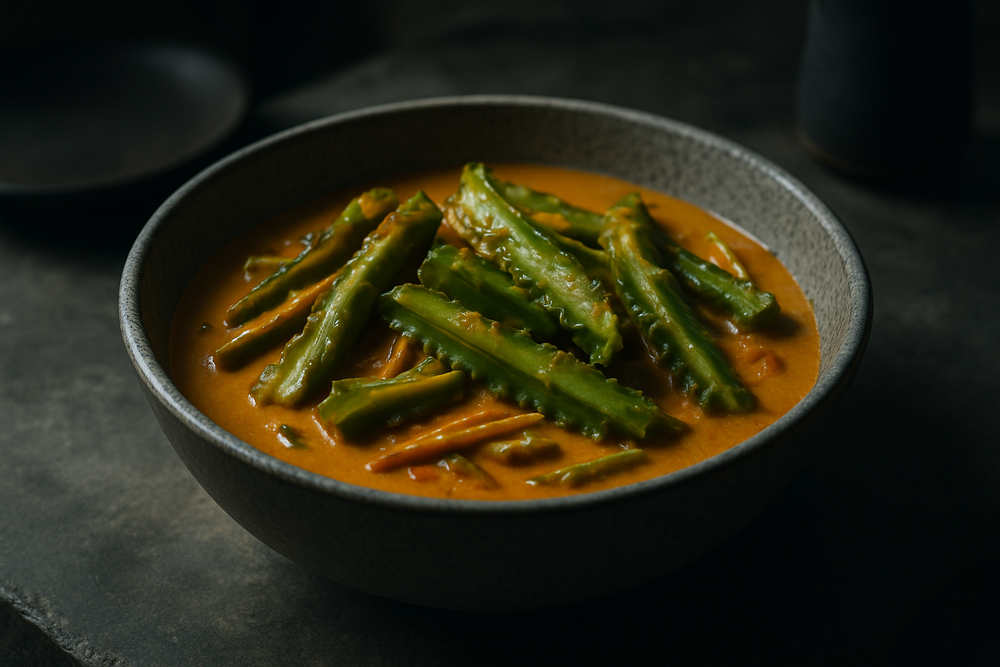
Winged beans + coconut milk curry Simmering sliced pods or cooked mature seeds in a light coconut milk and turmeric curry base is a common approach in Sri Lankan and Indonesian cooking. Coconut milk adds healthy fats that further support carotenoid absorption, while turmeric contributes additional anti-inflammatory compounds.
Winged beans + eggs (or tofu) Stir-frying winged bean pods with scrambled eggs or firm tofu creates a protein-complementing meal. The vitamin C in the pods enhances iron absorption from both the beans and any plant-based proteins you pair them with.
Basic Prep Tips
- Trim the ends and slice pods diagonally into 1–2 cm pieces for stir-fries or salads.
- Blanch in boiling water for 2–3 minutes, then plunge into ice water to preserve color and crunch before using in salads.
- For mature seeds: soak overnight in cold water, drain, then boil for 45–60 minutes until fully tender before adding to dishes.
- Store fresh pods unwashed in a sealed bag in the refrigerator; use within 3–4 days for best texture and nutrient retention.
Bottom Line
Winged beans are one of the most nutritionally complete pod vegetables available — unusually high in protein and fiber for a fresh vegetable, meaningful in folate, vitamin C, iron, and calcium, and accompanied by a range of antioxidant plant compounds. The evidence for their health benefits is promising and mechanistically plausible across heart health, digestion, blood sugar management, bone support, and immune function, but most of it comes from nutritional analysis and laboratory research rather than large human clinical trials specific to winged beans. That is not a reason to avoid them — it is a reason to view them as a valuable whole food within a varied diet rather than a targeted therapeutic agent.
The key practical rules: cook them before eating, introduce them gradually to avoid digestive discomfort, and enjoy them in the ways Southeast Asian cooks have for centuries — sliced into salads, stir-fried briefly to preserve their crunch, or simmered into a coconut curry alongside other whole foods.
Looking to build a broader plant-based eating pattern around ingredients like winged beans? Explore ingredient-led eating plans by health goal on Plantopedia.
How Winged Beans Compares
| Compared with | What's different |
|---|---|
| Winged Beans vs. Green Beans | Winged beans have frilly, angular edges and much higher protein (7g per cup) than standard snap beans. |
| Winged Beans vs. Okra | Winged beans have a crunchy, leafy texture whereas okra is mucilaginous (slimy) when cooked. |
Health Benefits
Things to Know
Cook before eating.: Raw winged beans contain lectins and trypsin inhibitors (compounds that interfere with protein digestion) at levels that can cause nausea, digestive upset, or reduced nutrient absorption. Cooking — even a few minutes of stir-frying or a brief blanch — deactivates the majority of these.
Introduce gradually.: High-fiber legumes can cause gas, bloating, or loose stools if added to the diet too quickly. Start with small portions (50 g or so) and build up over a few weeks.
Legume or soy allergy.: Winged beans share some protein structures with soybeans and other legumes. If you have a known legume or soy allergy, speak to your doctor before trying winged beans.
Kidney disease.: The mature seeds are relatively high in potassium and phosphorus. People with advanced chronic kidney disease (CKD) who need to limit these minerals should check with their healthcare team before significantly increasing intake.
Diabetes medications.: Substantially increasing legume intake can modestly improve blood glucose control, which could amplify the effect of glucose-lowering medications. Monitor blood sugar and discuss with your doctor.
Blood pressure medications and diuretics.: The potassium content from a legume-rich diet may interact with drugs that affect potassium handling, particularly in those with reduced kidney function.
Pregnancy.: Moderate amounts of cooked winged bean pods or seeds as part of a balanced diet are generally considered safe. High-dose extracts or supplements are not recommended due to absent safety data.
IBS and sensitive digestion.: The fermentable carbohydrates (FODMAPs — short-chain carbohydrates that can trigger gut symptoms) in legumes may worsen bloating and cramping in some people with irritable bowel syndrome. If you have IBS, start with very small amounts and assess tolerance.
Prep Ideas
- — Trim the ends and slice pods diagonally into 1–2 cm pieces for stir-fries or salads.
- — Blanch in boiling water for 2–3 minutes, then plunge into ice water to preserve color and crunch before using in salads.
- — For mature seeds: soak overnight in cold water, drain, then boil for 45–60 minutes until fully tender before adding to dishes.
- — Store fresh pods unwashed in a sealed bag in the refrigerator; use within 3–4 days for best texture and nutrient retention.
Glossary
Shop This Ingredient
Stock your pantry with quality winged beans.
Buy on AmazonAs an Amazon Associate, Plantopedia earns from qualifying purchases. This costs you nothing extra and helps us keep the encyclopedia free.
Frequently Asked Questions
Heart and Circulation Winged beans offer several nutrients associated in broader human research with heart health: soluble and insoluble fiber, folate (which supports healthy homocysteine levels — a marker linked to cardiovascular risk), potassium, and an array of antioxidant phytochemicals. The mature seeds also contain phytosterols, which in human studies have been shown to modestly reduce LDL (low-density lipoprotein) cholesterol when consumed as part of a legume-rich diet. That said, there are no large human clinical trials specifically testing winged beans for cardiovascular outcomes. Most of the supporting data come from compositional analysis and in vitro (laboratory) studies, plus the well-established evidence that diets high in legumes and fiber are linked to lower heart disease risk. Winged beans as part of a heart-healthy, whole-food pattern are plausible contributors — but they are not a standalone treatment. Winged Bean Benefits for Digestion Dietary fiber is one of the most robustly supported nutrients for digestive health in human research, and winged beans are a meaningful source. The fiber in both the pods and seeds can help add bulk to stools, support regular bowel movements, and feed beneficial gut bacteria — a concept known as a prebiotic (food for helpful microbes) effect. Legumes in general have consistent human evidence for digestive health support, and winged beans can reasonably be expected to behave similarly. One important caveat: because of their fermentable fiber and resistant starch content, rapidly increasing your winged bean intake can cause gas and bloating. Introducing them gradually and staying well-hydrated makes the transition more comfortable for most people. Is Winged Bean Good for Diabetes and Blood Sugar? The combination of protein, fiber, and complex carbohydrates in winged beans gives them a low-to-moderate glycemic impact (meaning they raise blood sugar more gradually than refined carbohydrates). Human evidence that legumes as a food group support better postprandial (after-meal) glucose control and long-term glycemic management is strong. Winged beans specifically have not been the subject of dedicated human glycemic index trials, so the blood sugar benefit is extrapolated from their macronutrient profile and the broader legume evidence base. In vitro and animal studies suggest that protein fractions and polyphenols from winged beans may also modulate enzymes involved in carbohydrate metabolism. Until human trials confirm these effects, blood sugar benefits should be considered probable but not proven. If you take glucose-lowering medications, discuss any significant increase in legume intake with your doctor. Winged Bean Benefits for Bone Health The mature seeds in particular are a noteworthy plant-based source of calcium, magnesium, and phosphorus — three minerals essential for bone density and structural integrity. While the pods themselves provide more modest amounts of calcium (about 54 mg per 100 g), regular consumption of both pods and seeds as part of a varied diet can contribute to overall mineral intake. There are no clinical trials specifically examining winged bean consumption and bone density outcomes in humans, but the micronutrient contributions align with general evidence for adequate calcium and magnesium intake in bone health maintenance. Winged Bean Benefits for the Immune System Winged beans contribute vitamin C, vitamin A (via provitamin carotenoids — plant pigments the body converts to vitamin A), iron, zinc, and folate, all of which play well-established roles in immune function, wound repair, and resistance to infection. The vitamin C content in the pods also improves the absorption of non-heme iron (the form of iron found in plants), which is a practical benefit for those eating primarily plant-based meals. Laboratory studies have also reported antimicrobial and immune-modulating activities in winged bean extracts, attributed to flavonoids, saponins, and other phytochemicals. These findings are preclinical (early-stage, not yet in human trials), so claiming immune "boosting" would overstate the evidence — but the nutrient profile alone offers a solid, evidence-backed foundation. Inflammation and Recovery Winged beans are not an anti-inflammatory medicine, but they contribute an array of antioxidant compounds — vitamin C, carotenoids, polyphenols — that in human research are associated with lower markers of inflammation when consumed as part of varied plant-rich diets. Lab studies show winged bean extracts can scavenge free radicals and modulate inflammatory signaling pathways, though these findings are experimental and not yet confirmed in human trials.
The answer depends on what you are trying to achieve. Immature pods (fresh vegetable form) are lower in calories, higher in vitamin C and folate, and quicker to cook. They are ideal for people looking to add a high-protein vegetable to salads and stir-fries without substantially increasing caloric or fat intake. Pods should always be cooked — even briefly blanching or stir-frying for a few minutes is enough to significantly reduce anti-nutritional factors like lectins and trypsin inhibitors. Mature dried seeds are nutritionally denser in nearly every way — higher in protein (around 29 g per 100 g), healthy fats, calcium, magnesium, zinc, and total calories. They are used more like other dry beans or soybeans, requiring soaking overnight and thorough boiling until completely tender. Seeds can be added to stews, curried dishes, or ground into flour for baking. Leaves, flowers, and tubers are also edible and nutritious, though less commonly used and less thoroughly studied from a nutritional standpoint. Young leaves can be cooked like other greens; flowers can be used as a garnish or cooked vegetable; tubers are starchy and protein-rich but rarely appear in markets outside their growing regions. For most people eating winged beans as part of a balanced diet, the cooked immature pods are the easiest entry point.
People eating a whole-food plant-based diet Winged beans are a rare vegetable that meaningfully contributes to protein targets without supplements. The vitamin C in the pods boosts absorption of the plant-based iron they contain — a useful combination. Mature seeds provide plant-based calcium and zinc, two nutrients sometimes under-consumed on vegan diets. People looking to support digestive regularity The fiber content in both pods and seeds supports stool bulk and gut microbiota diversity. Lower calorie density means you can eat a satisfying volume without excess calories. Variety matters in gut health: rotating winged beans with other legumes and vegetables diversifies the fiber types your gut bacteria feed on.
Winged beans are eaten as food rather than taken as a supplement, and no standardized therapeutic dosage exists from human clinical trials. As a practical guide: Fresh cooked pods: 50–100 g (roughly ½ to 1 cup) per serving, 3–5 times per week, fits within typical dietary legume and vegetable intake recommendations. Mature cooked seeds: 50–80 g cooked per serving (similar to the serving size for other dry beans or lentils). Start low: If you are new to winged beans or legumes in general, begin with about 50 g and allow your gut microbiome a few weeks to adapt before increasing portion size. No upper limit from evidence: There is no published safe upper limit for winged bean food consumption in healthy adults. Excess is more likely to cause digestive discomfort than toxicity at typical food-level amounts. The USDA MyPlate guidelines recommend that adults aim for 1½ to 2 cups of vegetables per day, with legumes counted in both the vegetable and protein groups — winged beans can satisfy both simultaneously.
Quick Answers
Common questions, answered in a line.
You must cook winged beans before eating them to deactivate natural compounds like lectins and protease inhibitors that can interfere with digestion. Even a brief blanching or stir-frying is sufficient to make them safe for consumption. Eating them raw may lead to nausea or digestive upset.
Winged beans contain flavonoids, saponins, phytosterols, and phenolic acids that provide antioxidant and anti-inflammatory protection. These plant chemicals contribute to heart health, immune modulation, and the scavenging of free radicals in the body.
People with known legume or soy allergies should consult a doctor before trying winged beans, as they share similar protein structures. Additionally, those with advanced chronic kidney disease may need to limit their intake due to the high potassium and phosphorus content in mature seeds.
To store winged beans, place the unwashed fresh pods in a sealed bag and keep them in the refrigerator. For the best texture and nutrient retention, you should use the pods within 3 to 4 days.
Prepare winged beans by trimming the ends and slicing the pods diagonally into small pieces for stir-fries or salads. To preserve their bright color and crunch, blanch them in boiling water for 2–3 minutes and then immediately plunge them into ice water.
Cooking winged beans with healthy fats, such as sesame oil or coconut milk, helps your body absorb the fat-soluble carotenoids found in the pods. Pairing them with vitamin C-rich ingredients also enhances the absorption of iron from the beans and other plant proteins.
For Readers in the USA
Local context — sourcing, seasonality, and regional notes.
In the United States, you can find fresh winged beans primarily at H Mart, 99 Ranch Market, and local Southeast Asian specialty grocers. While rare in mainstream chains like Kroger or Safeway, they are increasingly available at farmers markets in tropical regions like Florida and Hawaii.
Winged beans thrive in USDA Plant Hardiness Zones 9–11, with the most successful commercial production occurring in South Florida, Hawaii, and Puerto Rico. Because they are short-day plants that require specific light cycles to flower, they are typically harvested in the US from late fall through early spring.
In the US, winged beans are most commonly known as the "Goa bean" or "Asparagus bean," though they are also referred to as "Four-angled beans" in many Asian-American communities. These names distinguish them from the common green bean or the yardlong bean found in similar produce sections.
While the USDA does not have specific grading standards for winged beans, they are regulated under the same FDA food safety guidelines as other imported or domestically grown legumes. Look for the USDA Organic seal if you want to ensure the pods were grown without synthetic pesticides or fertilizers.
AI Clinical Review
- Accurately highlights winged bean pods as unusually protein-dense for a vegetable and distinguishes the richer nutrient profile of the mature seeds (protein, minerals).
- Emphasizes cooking to reduce lectins and trypsin inhibitors—important for tolerability and nutrient availability.
- Appropriately frames potential benefits (heart, digestion, glycemic control, bone and immune support) as consistent with broader legume research rather than specific clinical trials in winged bean.
- Provides practical prep guidance and clearly contrasts pods vs. seeds, helping readers choose forms that fit their goals.
- There are no large human trials specifically testing winged beans for cardiovascular, glycemic, bone, or immune outcomes; most claims are extrapolated from nutrient composition and general legume data.
- Antioxidant, antimicrobial, and anti-inflammatory effects come mainly from in vitro or animal studies; real-world relevance and effective intake levels in humans remain uncertain.
- Glycemic impact for winged beans has not been validated in formal human glycemic index studies; benefits are plausible but not yet confirmed.
- While winged beans contain all essential amino acids, “complete protein” does not automatically equal high protein quality; overall diet variety still matters.
- Safety and tolerance: Always cook pods and seeds; start with smaller portions to minimize gas/bloating. The article’s serving ranges (about 50–100 g cooked pods; similar cooked seed portions) are reasonable food-level amounts.
- Medication/health conditions: People with diabetes on glucose-lowering drugs should monitor for improved glycemic control; those with chronic kidney disease or on ACE inhibitors/ARBs or potassium‑sparing diuretics should be mindful of potassium/phosphorus from frequent legume intake.
- Allergies and sensitivities: Individuals with known legume/soy allergy should exercise caution; those with IBS may react to FODMAPs—gradual introduction and portion control can help assess tolerance.
- Pregnancy and supplements: Culinary amounts of cooked pods/seeds are generally acceptable; avoid concentrated extracts or supplements due to limited safety data.
Cook the pods before eating.
References
- USDA FoodData Central — winged beans, immature seeds, cooked, boiled, drained (nutrition data reference): (fdc.nal.usda.gov)
- MyPlate vegetables group guidance (USDA public health dietary framework for vegetables and legumes): (myplate.gov)
- Nutrition-and-You — winged bean nutrition facts and health overview (consumer-facing nutrient summary): (nutrition-and-you.com)
- FoodStruct — winged beans nutrient profile: (foodstruct.com)
- Legume Science — Biochemical composition, bioactivity, processing, and food applications of winged bean (peer-reviewed scientific review): (onlinelibrary.wiley.com)
- PMC — Therapeutic potential of Psophocarpus tetragonolobus (peer-reviewed experimental evidence summary): (pmc.ncbi.nlm.nih.gov)
- Indian Horticulture journal — Winged bean: a nutritionally rich underutilized vegetable crop (horticultural and nutritional review): (epubs.icar.org.in)
- Herbazest — winged bean herb profile and traditional uses (consumer monograph with traditional context): (herbazest.com)
- Boldsky — winged beans nutrition, benefits, recipes (overview with culinary context): (boldsky.com)
Know Your Numbers
Eating healthy is a start. Now get to know your biomarkers.
Food changes bloodwork — inflammation, lipids, blood sugar and nutrient status all respond to what you eat. 59 markers from $59.
- Results in 7–10 days at 2,000+ Quest sites
- Licensed provider reviews every result
- One flat price, no membership, HSA/FSA eligible
Educational information only, not medical advice. Panels are ordered and reviewed through our licensed partner; Plantopedia may earn a commission.