Yardlong Beans — health benefits and uses
A staple warm-climate legume vegetable in Asian cooking.
The Short Answer
Yardlong beans are nutrient-dense legumes providing 3.4g of fiber and 18.8mg of vitamin C per cup. They are best prepared by stir-frying or blanching to maintain their crisp texture and high levels of folate and provitamin A.

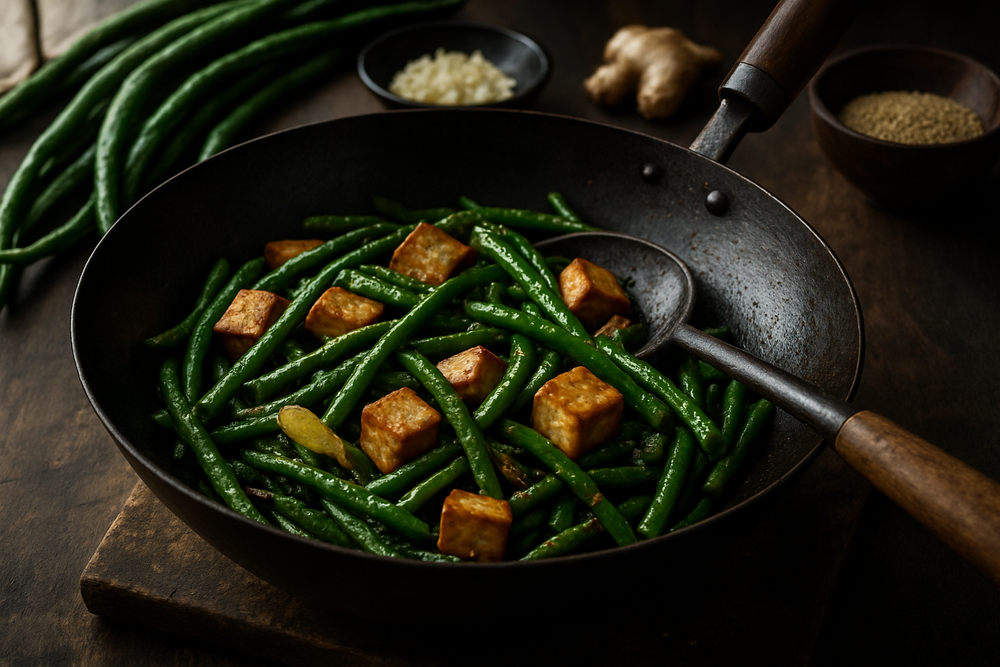
Yardlong Beans · Photograph
Discover yardlong beans health benefits and how to cook them: nutrition facts, digestive support, heart health, blood sugar, antioxidants, safety tips, and easy stir-fry ideas — all backed by evidence and written in plain English.
Key Nutrients
% Daily Value based on 2,000 cal diet
Key active compounds
Yardlong beans owe much of their health potential to the following phytochemicals:
- Flavonoids — A broad class of polyphenolic plant compounds (found in many colorful plants) with antioxidant and cell-signaling properties. They help neutralize free radicals (unstable molecules that can damage cells) and may support vascular and anti-inflammatory pathways.
- Phenolic acids — Aromatic plant acids such as caffeic and ferulic acid. They contribute to yardlong beans' total antioxidant capacity and may protect lipids, proteins, and DNA from oxidative damage in laboratory studies.
- Saponins — Surface-active glycosides (sugar-linked compounds) common in legumes. They may help bind and reduce cholesterol absorption; evidence comes mainly from broader legume research.
- Phytosterols — Plant-derived compounds structurally similar to cholesterol. They can compete with cholesterol for absorption in the gut, supporting modest reductions in blood cholesterol when eaten regularly alongside other plant foods.
- Resistant starch and prebiotic oligosaccharides — Types of fiber and starch that bypass digestion in the small intestine and are fermented by beneficial bacteria in the colon, promoting short-chain fatty acid production and gut barrier support.
Prep and pairing ideas
Yardlong beans are forgiving in the kitchen and absorb flavors well. Here are three practical pairings and why they work:
1. Yardlong beans + garlic + sesame oil (classic Chinese stir-fry) High-heat stir-frying in a wok for 3–5 minutes keeps the beans bright green and slightly crisp while garlic adds sulfur compounds (allicin) with their own cardioprotective properties. A drizzle of sesame oil at the end provides healthy unsaturated fats that help absorb the fat-soluble carotenoids in the beans.
2. Yardlong beans + tofu + ginger (protein-balanced bowl) Pairing yardlong beans with firm tofu boosts the protein content of the meal substantially, creating a more complete amino acid profile. Ginger contributes gingerols with anti-nausea and anti-inflammatory properties, and the combination works well over brown rice or quinoa for a satisfying WFPB meal.
3. Yardlong beans + chili + lime (Thai-style salad) A brief blanch (30–60 seconds in boiling water, then cold water to stop cooking) leaves beans crisp for salads. Fresh lime juice is rich in vitamin C, which enhances the absorption of the iron in yardlong beans — a smart nutritional pairing. Chili flakes add capsaicin, which may support metabolism and circulatory health in emerging research.
Storage tip: Fresh yardlong beans keep for 3–5 days in a sealed bag in the refrigerator crisper drawer. They wilt quickly at room temperature, so refrigerate promptly after purchase.
Bottom line
Yardlong beans are a nutrient-dense, low-calorie pod vegetable that earns its place in any plant-forward kitchen. They're rich in fiber, folate, vitamin C, and provitamin A carotenoids, and they deliver a useful mix of prebiotic fibers and antioxidant phytochemicals. Research suggests they can support digestive health, heart health, and steadier blood sugar as part of an overall high-vegetable, high-fiber diet. Direct clinical evidence specifically for yardlong bean pods is still limited, so most benefits are extrapolated from their nutrient profile and broader legume science.
The practical bottom line: cook them before eating, introduce them gradually if legumes are new to your diet, and enjoy them as one of many colorful vegetables in a varied plant-based eating pattern. They're versatile, affordable, and genuinely good for you — even if they're not quite a yard long.
How Yardlong Beans Compares
| Compared with | What's different |
|---|---|
| Yardlong Beans vs. Green Beans | Thinner, more flexible pods that can reach 18–30 inches long and have a denser, chewier texture. |
| Yardlong Beans vs. Snap Peas | Much longer with a sweeter, nuttier flavor and a less snappy, more flexible crunch. |
Health Benefits
Things to Know
Always cook yardlong beans.: Raw pods contain lectins (proteins that can bind to the gut lining and cause nausea or digestive upset in larger quantities). Standard stir-frying, steaming, boiling, or sautéing inactivates these compounds.
Introduce gradually.: If you're not used to eating legumes regularly, start with a small portion (½ cup cooked) and build up over 1–2 weeks to allow your gut microbiome to adjust.
Stay hydrated.: Higher fiber intake works best with adequate fluid intake to support bowel motility.
Legume allergies: People with known allergies to related legumes (cowpea, common bean) may react to yardlong beans. If you have a legume allergy, speak to a healthcare provider before trying them.
IBS and sensitive digestion: The fermentable oligosaccharides in yardlong beans belong to the FODMAP category (types of carbohydrates that can trigger symptoms in some people with irritable bowel syndrome). If you follow a low-FODMAP diet, discuss portion sizes with a dietitian.
Kidney disease: People on potassium-restricted diets should be mindful of cumulative potassium intake from multiple plant foods, though yardlong beans are only moderately high in potassium.
Anticoagulants (e.g., warfarin): Yardlong beans contain vitamin K, which plays a role in blood clotting. Consistent — not necessarily reduced — intake is the key; abrupt changes in green vegetable consumption can affect medication dosing.
Antidiabetic medications: Because yardlong beans lower the glycemic load of a meal, people on medication for diabetes should monitor blood sugar and discuss any significant dietary shifts with their care team.
Pregnancy and young children: Consume only thoroughly cooked beans; avoid raw or undercooked pods.
Glossary
Shop This Ingredient
Stock your pantry with quality yardlong beans.
Buy on AmazonAs an Amazon Associate, Plantopedia earns from qualifying purchases. This costs you nothing extra and helps us keep the encyclopedia free.
Frequently Asked Questions
Most of the evidence linking yardlong beans to specific health outcomes is indirect — built on their nutrient and phytochemical profile and extrapolated from wider legume and vegetable research. Yardlong-bean-specific human clinical trials are limited, so the benefits below are framed appropriately. Heart and circulation Yardlong beans are low in saturated fat and sodium, and they provide dietary fiber, potassium, and small amounts of plant protein — a combination that collectively supports healthy blood pressure, cholesterol, and vascular function when part of a balanced diet. Their saponins and phytosterols may help reduce LDL cholesterol (the "bad" kind) absorption, while flavonoids and phenolic acids contribute antioxidant protection against oxidative damage to blood vessel walls. General legume intake is associated with reduced cardiovascular risk in observational studies (studies that track diet and outcomes in large populations over time). Yardlong beans haven't been tested alone in cardiovascular trials, but fitting them into a high-vegetable, high-fiber diet is consistent with heart-health guidance from major nutrition bodies. Digestive health and microbiome Yardlong beans offer a mix of soluble fiber (which dissolves in water and slows digestion), insoluble fiber (which adds bulk to stool and speeds transit), and resistant starch. Together, these can promote bowel regularity and feed the beneficial bacteria that live in your colon — a role known as a prebiotic effect. Early laboratory and compositional analyses suggest their oligosaccharides (short chains of sugar molecules) support short-chain fatty acid production, which in turn helps maintain gut barrier integrity. As with other legumes, some people experience temporary gas or bloating, particularly when they first increase intake or if beans are undercooked. Introducing them gradually and cooking them thoroughly helps minimize this. Blood sugar and metabolism Yardlong beans have a low glycemic load (a measure of how much a food raises blood sugar, factoring in both quality and quantity of carbohydrate). Their fiber and resistant starch slow carbohydrate digestion and the release of glucose into the bloodstream, supporting a smoother blood sugar response after meals. A registered clinical trial looking at freeze-dried cowpea leaves — from the same species, Vigna unguiculata — is investigating whether adding them to a high-carbohydrate meal reduces post-meal glucose spikes in healthy adults, which points to real scientific interest in this plant family for glycemic regulation. That said, no published human trial has tested yardlong bean pods specifically for blood sugar outcomes. For people with prediabetes or type 2 diabetes, including yardlong beans as a high-fiber vegetable within an overall dietary pattern is more evidence-aligned than treating them as a stand-alone therapy. Inflammation and recovery Compositional analyses report that flavonoids and phenolic acids in yardlong beans can neutralize reactive oxygen species (unstable molecules linked to cellular damage and chronic inflammation) in laboratory settings. Observational data on polyphenol-rich vegetables and legumes generally support lower inflammatory markers in people who eat them regularly. However, no human intervention study has directly measured inflammatory markers — such as CRP (C-reactive protein, a blood marker of inflammation) — in response to yardlong bean consumption specifically. The most accurate framing: yardlong beans contribute antioxidant and phytonutrient variety within a plant-based diet that is broadly associated with lower inflammatory burden. Bones and micronutrients Yardlong beans provide vitamin A, vitamin C, folate, calcium, and magnesium — nutrients that collectively support bone structure, collagen synthesis (the protein that gives bones their flexibility), and immune function. Their vitamin C content is particularly useful because it enhances the absorption of non-heme iron (the type of iron found in plant foods). No clinical trial has examined yardlong beans and bone density specifically, but as part of a diet rich in varied vegetables and legumes, they contribute meaningfully to the micronutrient base that bone health depends on.
Buying guide: fresh, frozen, and beyond Fresh young pods are the gold standard for flavor, texture, and nutrient retention. Look for pods that are bright green, firm, and blemish-free, ideally 30–45 cm long. Avoid pods that are yellowing, limp, or have visible bumps (a sign the seeds inside are maturing and the pod will be tougher). Frozen yardlong beans are a practical alternative and retain most of their fiber and minerals well. Check the label to confirm there are no added salt or sauces, especially if you're managing blood pressure. Canned yardlong beans are less common in Western markets but available in some Asian grocery stores. Rinse them well to reduce sodium content, though expect a softer texture. Mature dried seeds are nutritionally denser — higher in protein, calories, and minerals — but require thorough soaking and boiling before eating, similar to other dried legumes. Label tips: For fresh beans, no label is needed, but at markets, ask if they're pesticide-treated and wash well regardless. For any packaged form, the shorter the ingredient list, the better — ideally just beans, water, and perhaps a small amount of salt.
No specific therapeutic dose has been established for yardlong beans — they're a food, not a supplement. In practice, most culinary use falls in the range of ½ to 1 cup of cooked pods (roughly 50–100 g) once or twice a day as part of mixed vegetable and legume dishes. For general dietary guidance, most nutrition authorities recommend adults eat 2–3 cups of vegetables per day across a variety of colors and types. Yardlong beans can comfortably contribute to that total. Starting with ½ cup and increasing gradually lets your digestive system adapt to the prebiotic fiber without discomfort. There's no evidence that eating larger amounts is harmful for most people, but since they contribute fermentable fibers and potassium, people with IBS or kidney disease should personalize portions with a healthcare provider or registered dietitian. Looking to build more vegetables into your health goals? Explore our plant-based goals guide for practical approaches to eating more whole foods daily.
Quick Answers
Common questions, answered in a line.
You should always cook yardlong beans before eating them because raw pods contain lectins. These proteins can bind to the gut lining and cause nausea or digestive upset, but they are inactivated by standard stir-frying, steaming, boiling, or sautéing.
Yardlong beans support heart health through phytosterols and saponins that help reduce cholesterol absorption. Additionally, cooking them with garlic adds cardioprotective sulfur compounds, while their fiber content supports overall vascular health.
Yardlong beans promote digestive health by providing resistant starch and prebiotic oligosaccharides. These fibers are fermented by beneficial bacteria in the colon, which supports the gut barrier and produces helpful short-chain fatty acids.
You should pair yardlong beans with vitamin C sources like fresh lime juice to enhance the absorption of the beans' iron content. Another smart pairing is adding healthy fats like sesame oil, which helps your body absorb the fat-soluble carotenoids found in the vegetable.
People taking warfarin or other anticoagulants should maintain a consistent intake of yardlong beans because they contain vitamin K. Since vitamin K plays a role in blood clotting, abrupt changes in your consumption of these green vegetables can affect your medication dosing.
Yes, yardlong beans can support steadier blood sugar levels because they lower the glycemic load of a meal. However, individuals on antidiabetic medications should monitor their levels closely and consult a healthcare team when making significant dietary shifts.
Yardlong beans contain several powerful antioxidants including flavonoids, phenolic acids like caffeic and ferulic acid, and provitamin A carotenoids. These compounds help neutralize free radicals and protect lipids, proteins, and DNA from oxidative damage.
For Readers in the USA
Local context — sourcing, seasonality, and regional notes.
In the United States, you can find fresh yardlong beans at H Mart, 99 Ranch Market, and local farmers markets in warm regions like California, Florida, and Hawaii. Some specialty Whole Foods locations may also stock them during the peak summer season.
Yardlong beans are typically in season from mid-summer through early fall in the US, as they require high heat and humidity to thrive. For most American states, the peak availability spans from July through September.
In the U.S., yardlong beans are frequently called long beans, snake beans, or asparagus beans due to their flavor profile and appearance. You may also see them labeled by their Filipino name, Sitaw, in many American-Asian grocery stores.
While not a major US commodity crop, yardlong beans are often grown by small-scale organic farmers; look for the USDA Organic seal to ensure they were produced without synthetic pesticides. Imported varieties are subject to FDA residue monitoring to meet US safety standards.
AI Clinical Review
- Accurately describes yardlong beans as a low-calorie, fiber- and micronutrient-rich vegetable (vitamin C, folate, provitamin A), consistent with food-composition data.
- Appropriately frames potential heart, digestive, and glycemic benefits as part of an overall high-vegetable, high-fiber eating pattern rather than a stand‑alone therapy.
- Explains prebiotic fibers/resistant starch and why gradual increases help digestion; practical cooking tips (quick stir-fry, blanching) to preserve nutrients are sensible.
- Helpful pairings (e.g., lime/vitamin C for iron absorption; a little oil for carotenoids) and clear guidance to cook beans to inactivate lectins.
- Most health claims are extrapolated from broader legume/vegetable research; human trials on yardlong bean pods themselves are scarce.
- Antioxidant data are largely from lab assays; translating this to meaningful reductions in disease risk in people is not yet demonstrated.
- Glycemic control findings from related cowpea leaves may not generalize to the pods or typical culinary amounts; dose and form matter.
- LDL‑lowering effects from phytosterols/saponins in a standard vegetable serving are likely modest; overall dietary pattern remains the major driver.
- Reasonable intake: 1/2–1 cup cooked per serving, once or twice daily within total vegetable goals; increase gradually if legumes are new to you.
- Safety: Eat cooked, not raw, to reduce lectins; brief blanching or standard stir‑frying is adequate for young pods. Expect some gas at first; hydration helps.
- Who should be cautious: people on warfarin (keep vitamin K intake consistent), those with IBS sensitive to FODMAPs (consider smaller portions), anyone with legume allergy, and those with kidney disease monitoring overall potassium.
- Form matters: Frozen is comparable to fresh; rinse canned to lower sodium. Mature dried seeds are more calorie- and protein-dense and require soaking/boiling—portion sizes should be adjusted accordingly.
Cook before eating; raw legumes contain lectins.
References
- USDA FoodData Central — Yardlong beans, raw (nutrient data) (fdc.nal.usda.gov)
- MyPlate.gov — Vegetables and healthy eating guidance (myplate.gov)
- PMC11428976 — Peer-reviewed analysis of metabolite profiles and antioxidant properties in yardlong beans (pmc.ncbi.nlm.nih.gov)
- ClinicalTrials.gov — Impact of cowpea (Vigna unguiculata) leaves on postprandial blood glucose (human trial protocol) (ctv.veeva.com)
- Nutrition-and-You — Yard long beans: nutrition facts and health benefits overview (nutrition-and-you.com)
- VitaLibrary — Yardlong bean prebiotic benefits, fiber, and applications (vitalibrary.com)
- VitaLibrary — Yardlong bean nutrition, benefits, and cooking guide (vitalibrary.com)
- TheLivingLook — Yardlong bean glycemic load, fiber, and cooking uses (thelivinglook.com)
- Wikipedia — Asparagus bean (yardlong bean) overview and botanical classification (en.wikipedia.org)
- NutritionRef — Cooked yardlong beans macro- and micronutrient analysis (nutritionref.com)
Know Your Numbers
Eating healthy is a start. Now get to know your biomarkers.
Food changes bloodwork — inflammation, lipids, blood sugar and nutrient status all respond to what you eat. 59 markers from $59.
- Results in 7–10 days at 2,000+ Quest sites
- Licensed provider reviews every result
- One flat price, no membership, HSA/FSA eligible
Educational information only, not medical advice. Panels are ordered and reviewed through our licensed partner; Plantopedia may earn a commission.