Yerba Mate — health benefits and uses
Used across South America as a stimulating, focus-supporting daily tea.
The Short Answer
Yerba mate is a caffeinated herbal tea that provides a balanced energy boost through a combination of caffeine, theobromine, and antioxidants like chlorogenic acid. It is traditionally brewed from the leaves of the Ilex paraguariensis plant.
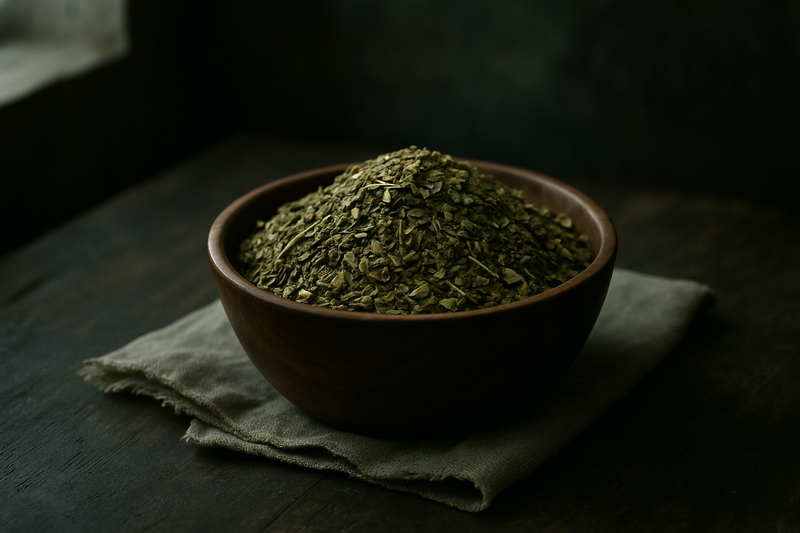
Yerba Mate · Photograph
Explore the real yerba mate tea benefits and side effects — from caffeine-driven energy and antioxidant support to esophageal risk and caffeine interactions. A balanced, evidence-aligned guide for curious beginners and daily drinkers alike.
Key Nutrients
% Daily Value based on 2,000 cal diet
Key active compounds in yerba mate
- Caffeine — The dominant methylxanthine; about 0.7–2% of dry leaf weight. Drives alertness, reduced fatigue, and faster reaction time.
- Theobromine — A milder methylxanthine cousin of caffeine (0.3–0.9% dry weight) that may gently dilate blood vessels and smooth out the stimulant effect.
- Theophylline — Present in small quantities; a known bronchodilator (airway-relaxing compound) at pharmaceutical doses, contributing subtly at typical mate intake.
- Chlorogenic acids — The most abundant polyphenols; linked to antioxidant activity and possible effects on glucose metabolism and lipid oxidation.
- Caffeic acid — A phenolic acid supporting antioxidant defenses.
- Quercetin — A flavonoid (a class of plant pigment with antioxidant properties) found throughout the plant kingdom; may support vascular health.
- Rutin — A flavonoid glycoside that may strengthen capillary walls and contribute to overall antioxidant capacity.
- Matesaponins (triterpene saponins) — Foam-producing plant glycosides unique to yerba mate; linked in preclinical studies to cholesterol-lowering and anti-inflammatory effects.
- Polycyclic aromatic hydrocarbons (PAHs) — Not a benefit: these carcinogenic compounds form during smoking/drying and are higher in smoked commercial varieties; they contribute to esophageal cancer risk at very hot temperatures.
Prep and pairing ideas
Classic hot mate in a mug: Steep 1.5 tsp loose leaf in 80 °C water for 4 minutes. Add a slice of lemon to brighten the grassy flavor and boost the antioxidant environment (vitamin C from citrus may help preserve polyphenols).
Tereré (cold mate): Pack a gourd and top with cold water or chilled citrus juice — a popular Paraguayan summer drink. Eliminates temperature risk entirely and still delivers polyphenols and caffeine effectively.
Mate-smoothie base: Brew a strong cup, let it cool, and use as the liquid base for a green smoothie with banana, spinach, and almond butter. The caffeine and polyphenols pair well with protein and fiber for sustained energy.
Common pairings: why they work
- Yerba mate + lemon or lime juice: Citric acid and vitamin C may help preserve chlorogenic acids during brewing and add brightness to cut bitterness.
- Yerba mate + dark chocolate or cacao nibs: Both contain theobromine; the combination offers layered, mild stimulation. Cacao's flavonoids add to the antioxidant total.
- Yerba mate + whole grain toast or oats: The fiber slows caffeine absorption, potentially smoothing the energy curve and reducing jitteriness — a practical breakfast pairing.
Bottom line
Yerba mate is a genuinely interesting whole-plant food with a compelling compound profile: caffeine and theobromine for clean, layered energy, and a rich suite of polyphenols and saponins that may support antioxidant status, lipid metabolism, and cardiometabolic health. The brain-focus and energy benefits rest on solid caffeine science. The cardiometabolic and anti-inflammatory benefits are plausible and supported by early human data, but need larger, longer trials to confirm.
The safety picture is nuanced. Moderate consumption of unsmoked, air-dried mate brewed at a comfortable drinking temperature is appropriate for most healthy adults. The real risks — esophageal cancer association and caffeine overload — are avoidable with temperature awareness, choosing unsmoked varieties, and staying within sensible daily amounts. If you are pregnant, have a cardiovascular condition, take medication, or have a history of esophageal problems, talk to your doctor before making mate a daily habit.
For most people, 1–3 cups of properly brewed, air-dried yerba mate is a reasonable, evidence-compatible addition to a varied plant-rich diet.
Explore more energy and focus ingredients on Plantopedia → /goals
How Yerba Mate Compares
| Compared with | What's different |
|---|---|
| Yerba Mate vs. Green Tea | Mate contains theobromine for a smoother energy lift and has more antioxidants than green tea. |
| Yerba Mate vs. Coffee | Mate has a grassy, herbal flavor and 70–85 mg of caffeine per cup, while coffee has about 95 mg. |
Health Benefits
Things to Know
Caffeine ceiling: Keep total daily caffeine (from all sources — coffee, tea, energy drinks, mate) under 400 mg. Most healthy adults can manage 1–4 cups of brewed mate without issue.
Temperature matters: Very hot mate (above ~65 °C / 149 °F at the mouth) has been consistently linked in observational studies to increased esophageal cancer risk. Let it cool slightly before sipping.
Smoked vs. unsmoked: Smoked commercial yerba mate contains higher levels of PAHs. Choose air-dried varieties when possible.
Pregnancy and breastfeeding: Limit total caffeine to ~200 mg/day as commonly recommended; discuss yerba mate use with a healthcare provider.
Cardiovascular conditions: Caffeine can raise blood pressure and heart rate transiently. People with hypertension, arrhythmias, or a history of palpitations should use caution and consult their doctor.
Anxiety and insomnia: Stimulant effects can worsen nervousness and disrupt sleep. Avoid mate in the afternoon or evening if sleep is a concern.
Acid reflux / GERD / peptic ulcer: Hot, caffeinated liquids can aggravate symptoms — monitor your response carefully.
Esophageal cancer history or risk: Be especially cautious about very hot and smoked preparations.
Drug interactions:
Other stimulants (coffee, energy drinks, decongestants) — additive stimulant load
Theophylline bronchodilators — possible amplified cardiovascular effects from combined methylxanthines
Antihypertensive and antiarrhythmic drugs — caffeine may partially counteract effects
Sedatives and anxiolytics — caffeine can oppose calming outcomes
CYP1A2-metabolized drugs — high mate intake may theoretically alter drug metabolism (similar to heavy coffee; data for mate specifically are limited)
Children and adolescents: More sensitive to caffeine; high-dose or frequent mate is not appropriate for younger users.
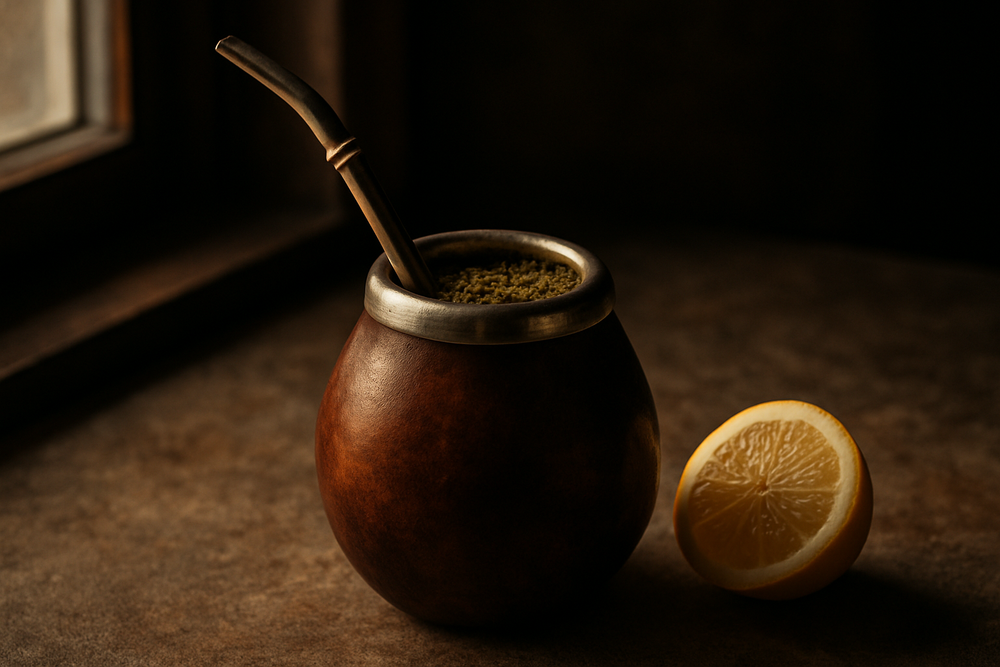
Prep Ideas
- — **Yerba mate + lemon or lime juice:** Citric acid and vitamin C may help preserve chlorogenic acids during brewing and add brightness to cut bitterness.
- — **Yerba mate + dark chocolate or cacao nibs:** Both contain theobromine; the combination offers layered, mild stimulation. Cacao's flavonoids add to the antioxidant total.
- — **Yerba mate + whole grain toast or oats:** The fiber slows caffeine absorption, potentially smoothing the energy curve and reducing jitteriness — a practical breakfast pairing.
Shop This Ingredient
Stock your pantry with quality yerba mate.
Buy on AmazonAs an Amazon Associate, Plantopedia earns from qualifying purchases. This costs you nothing extra and helps us keep the encyclopedia free.
Frequently Asked Questions
The research on yerba mate health benefits is genuinely interesting but still in its early stages. Below is an honest summary by body system. Heart and circulation Several human reviews report that regular yerba mate consumption can increase plasma antioxidant capacity — meaning the blood becomes better at neutralizing harmful free radicals (unstable molecules that damage cells). Some small trials also show modest improvements in LDL cholesterol (the "bad" kind) and markers of lipid oxidation in adults with cardiovascular risk factors. The likely mechanisms involve chlorogenic acids and matesaponins reducing oxidative stress on blood vessel walls. However, most trials are short-term (weeks, not years), involve small groups, and use varying preparations, so large randomized controlled trials confirming long-term heart outcomes are still needed. Evidence is promising but not yet conclusive. Digestive health and microbiome Yerba mate's bitter saponins and polyphenols may stimulate bile flow and gut motility (the rhythmic movement that pushes food through the digestive tract), and laboratory work hints at possible prebiotic effects on gut bacteria. In practice, many South Americans drink mate after meals as a digestive aid — but this is cultural tradition rather than proven clinical benefit. Direct human trial data on digestion are thin. Importantly, caffeine and very hot liquids can worsen symptoms in people with acid reflux (GERD) or peptic ulcer disease, so individual digestive tolerance varies considerably. Blood sugar and metabolism A handful of small human studies, mostly in people with obesity or metabolic syndrome, suggest yerba mate may modestly improve insulin sensitivity (how well cells respond to insulin) and slow carbohydrate absorption. Chlorogenic acids are the most likely drivers, partly by inhibiting an enzyme that breaks down starch in the gut. The evidence here is emerging rather than established. No major diabetes guideline recommends yerba mate as a primary treatment. If you are managing blood sugar, consider any potential benefit adjunctive to diet and lifestyle rather than a stand-alone intervention. Inflammation and recovery Yerba mate consistently raises antioxidant capacity in human studies, and reduced oxidative stress (the cellular imbalance caused by too many free radicals) can indirectly dampen chronic inflammation. Laboratory and animal studies show that its polyphenols may turn down pro-inflammatory signaling pathways. Direct evidence for reduced inflammatory markers like C-reactive protein (CRP) in humans is less consistent. Think of yerba mate's anti-inflammatory support as a secondary benefit of its antioxidant activity, not a primary clinical effect proven in large trials. Energy, focus, and brain health This is where yerba mate's evidence is strongest. Caffeine's ability to improve alertness, reduce fatigue, and sharpen focus is one of the most replicated findings in nutrition science. Yerba mate delivers this reliably, and many users report a smoother ride than coffee — an effect often attributed to theobromine and the polyphenol buffer rounding out the stimulant curve. A traditional 300–400 mg caffeine gourd session is comparable to 3–4 cups of coffee in stimulant load. For focus and cognitive support, 70–170 mg caffeine (1–2 mugs) is a reasonable, evidence-supported range.
Buying guide: choosing the right form Traditional gourd (chimarrão / tereré): The most immersive experience and the highest polyphenol yield because leaves infuse repeatedly. Use unsmoked, air-dried yerba mate and water that is hot but not boiling (around 70–80 °C / 158–176 °F). Avoid scalding water — this is the key temperature safety point. Loose leaf in a mug or French press: 1–2 teaspoons (3–6 g) steeped for 3–5 minutes in hot (not boiling) water. Yields 70–85 mg caffeine per cup. A practical everyday option that minimizes thermal injury risk by being easier to control. Tea bags: Convenient and consistent; caffeine per bag varies by brand (check labels). Less polyphenol richness than loose leaf or gourd infusions but lower PAH exposure. Standardized extracts (capsules / powders): Useful for those who dislike the taste or need precise doses. Typical ranges in the literature: 500–1,000 mg extract per day. Caffeine content varies widely between products — always read the label. Ready-to-drink bottled mate: Watch for added sugar (some contain 13–30 g per bottle) and higher caffeine concentrations. Fine occasionally, not ideal as a daily staple. Label tip: Look for "air-dried" or "unsmoked" (sometimes labeled sin humo in Spanish) to minimize PAH exposure. Organic certification reduces pesticide concerns. Avoid products without clear caffeine disclosure.
There is no single universally agreed daily dose for yerba mate, but human studies and expert guidance generally land in a similar range: Beginners: Start with 1 small cup (about 3 g dried leaf, 70 mg caffeine) per day to assess tolerance — especially if you are caffeine-sensitive. Moderate regular use: 1–3 cups per day (approximately 3–9 g dried leaf, 70–200 mg caffeine) is the most commonly used range in research settings and everyday practice. Traditional gourd sessions: A full gourd session can deliver 200–400 mg caffeine total. If you drink this way, count it as your primary caffeine source and limit other caffeinated drinks. Supplement extracts: 500–1,000 mg standardized extract per day appears in guidance literature, but check the caffeine content on the label and count it toward your daily total. Upper limit to keep in mind: Most health authorities, including the European Food Safety Authority (EFSA), suggest staying under 400 mg of total caffeine per day from all sources for healthy adults. Timing: Avoid mate in the 6 hours before bedtime to protect sleep quality. Start low, go slow is the right approach — especially if you're new to caffeinated herbal teas or switching from coffee.
Quick Answers
Common questions, answered in a line.
Yerba mate contains caffeine, theobromine, and theophylline, which work together to improve alertness and reduce fatigue. These methylxanthines are supported by chlorogenic acids and flavonoids that provide antioxidant activity and may help smooth out the stimulant effect for layered energy.
Drinking yerba mate at temperatures above 65°C (149°F) is consistently linked to an increased risk of esophageal cancer. You should allow the tea to cool slightly or prepare it as a cold beverage, such as Paraguayan Tereré, to eliminate this temperature-related risk entirely.
Choosing air-dried or unsmoked yerba mate is recommended because smoked varieties contain higher levels of polycyclic aromatic hydrocarbons (PAHs). These carcinogenic compounds form during the traditional smoking process and are a primary concern for long-term health.
Yerba mate may help lower cholesterol and support cardiometabolic health due to the presence of matesaponins and quercetin. These plant compounds are linked to lipid oxidation and strengthened capillary walls, though larger human trials are still needed to confirm long-term effects.
Adding lemon or lime juice to yerba mate can brighten the flavor and help preserve the tea's beneficial chlorogenic acids during brewing. The vitamin C and citric acid from the fruit help maintain the antioxidant environment of the drink.
Yerba mate can interact with other stimulants, theophylline bronchodilators, blood pressure medications, and certain sedatives. Because caffeine can counteract calming effects or amplify cardiovascular loads, it is best to consult a doctor if you are on medication.
For Readers in the USA
Local context — sourcing, seasonality, and regional notes.
You can find yerba mate at major US retailers like Whole Foods, Sprouts, and Trader Joe's, or at local Latin American markets (mercados). While specialty shops offer traditional loose-leaf brands like Guayaki or Cruz de Malta, many conventional supermarkets now stock pre-packaged tea bags or ready-to-drink cans.
While yerba mate is native to South America, small-scale experimental cultivation occurs in USDA Hardiness Zones 9-11, specifically in parts of Florida, Hawaii, and Southern California. However, because the plant requires high humidity and specific soil, almost all yerba mate sold in the US is imported from Argentina, Brazil, or Paraguay.
The FDA regulates yerba mate as a dietary ingredient, and consumers should look for the "USDA Organic" seal to ensure the leaves were grown without synthetic pesticides. Because yerba mate is often processed by smoking, the organic label is a helpful indicator for those seeking cleaner, air-dried production methods.
AI Clinical Review
- Clearly explains yerba mate’s key actives (caffeine, theobromine, polyphenols) and how they translate to energy, focus, and antioxidant effects.
- Accurately frames human evidence as modest and short-term for lipid and oxidative-stress markers, avoiding overclaims about disease prevention.
- Highlights the major safety issue: very hot intake and smoked products increase risk, with practical advice to choose air‑dried mate and moderate temperatures.
- Provides sensible intake guidance (generally 1–3 cups/day and keeping total caffeine under ~400 mg) and helpful preparation options for everyday use.
- Cardiometabolic benefits (cholesterol, insulin sensitivity) are promising but based on small, heterogeneous trials without long-term clinical outcomes.
- Digestive and microbiome claims remain largely mechanistic or traditional; human trials with symptom or microbiota endpoints are limited.
- Anti-inflammatory effects are inferred from improved antioxidant capacity; consistent reductions in inflammatory markers (e.g., CRP) aren’t yet shown.
- Cognitive advantages beyond caffeine itself (e.g., a “smoother” feel from theobromine/polyphenols) are plausible but not well isolated in head‑to‑head studies.
- Caffeine considerations: start with ~1 cup (~70–85 mg caffeine), count all sources toward a ~400 mg/day ceiling, and avoid within ~6 hours of bedtime if sleep is an issue.
- Who should be cautious: individuals with anxiety, insomnia, hypertension, arrhythmias, reflux/ulcer symptoms, or those taking other stimulants, theophylline, or CYP1A2‑metabolized drugs—check with a clinician.
- Pregnancy and breastfeeding: aim to keep total caffeine under ~200 mg/day; a traditional gourd session can exceed this quickly; children/teens are more sensitive to stimulants.
- Preparation matters: let hot mate cool below scalding (~65 °C/149 °F), prefer unsmoked/air‑dried products, and consider cold tereré to minimize temperature‑related risk.
Contains caffeine; very hot, frequent consumption has been linked to esophageal risk.
References
- USDA FoodData Central — yerba mate nutritional data (fdc.nal.usda.gov)
- Human trial: Yerba Mate Tea and Oxidative Stress Markers — PMC review of human evidence showing improved antioxidant capacity (pmc.ncbi.nlm.nih.gov)
- Comprehensive review: Yerba Mate — A Long but Current History — covers phytochemistry, bioactivity, and safety in humans (pmc.ncbi.nlm.nih.gov)
- NIH LiverTox: Yerba Mate — safety and hepatotoxicity assessment from the National Institute of Diabetes and Digestive and Kidney Diseases (ncbi.nlm.nih.gov)
- Systematic review: Yerba Mate physiological effects in humans — covers cardiovascular, metabolic, and stimulant outcomes (sciencedirect.com)
- GoodRx: Yerba Mate Benefits and Risks — 8 Health Facts — clinician-reviewed overview of benefits and cautions (goodrx.com)
- Yerba Mate as a Source of Elements and Bioactive Compounds — detailed phytochemical and mineral analysis (storage.prod.researchhub.com)
- Side effects and safety explainer — Science Insights — overview of esophageal risk, PAHs, and caffeine concerns (scienceinsights.org)
- Mate Mundo: How Often Can You Drink Yerba Mate? Contraindications — practical dosage and interaction guidance (matemundo.co.uk)
Know Your Numbers
Eating healthy is a start. Now get to know your biomarkers.
Food changes bloodwork — inflammation, lipids, blood sugar and nutrient status all respond to what you eat. 59 markers from $59.
- Results in 7–10 days at 2,000+ Quest sites
- Licensed provider reviews every result
- One flat price, no membership, HSA/FSA eligible
Educational information only, not medical advice. Panels are ordered and reviewed through our licensed partner; Plantopedia may earn a commission.