Alfalfa Sprouting Seeds — health benefits and uses
Called father of all foods in Arabic tradition and valued as a mineral-rich sprout.
The Short Answer
Alfalfa sprouts are low-calorie germinated seeds providing 1.3g of protein and 10.1mcg of Vitamin K per cup. They are popular for their crunchy texture in sandwiches but require careful handling to avoid bacterial risks associated with raw sprouts.
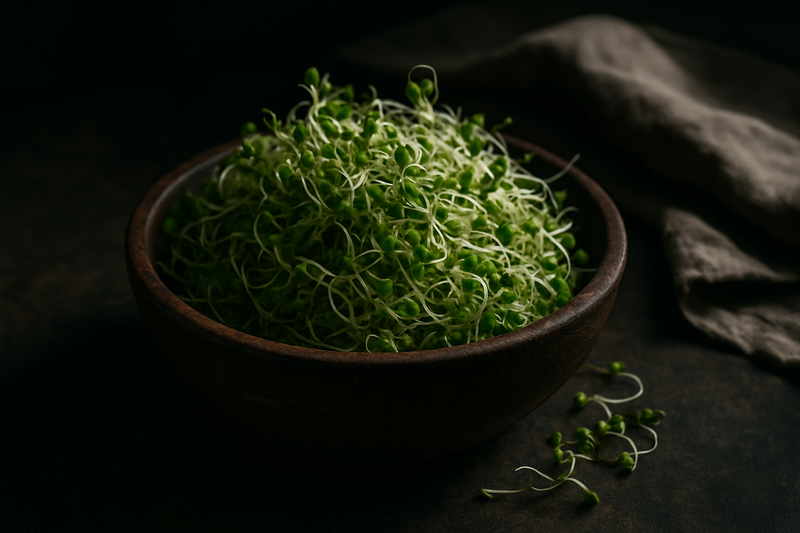
Alfalfa Sprouting Seeds · Photograph
Discover the real alfalfa sprouts benefits and side effects — from vitamin K and plant protein to raw sprout safety risks, L-canavanine and lupus concerns, warfarin interactions, and a simple step-by-step jar sprouting guide.
Key Nutrients
% Daily Value based on 2,000 cal diet
Key active compounds in alfalfa sprouts
- Vitamin K (phylloquinone) — The fat-soluble vitamin responsible for normal blood clotting and contributing to bone health; alfalfa sprouts are a modest source.
- Folate (vitamin B9) — A B-vitamin essential for DNA synthesis and healthy cell division; especially relevant during pregnancy and for cardiovascular health.
- Saponins — Naturally occurring glycosides (soap-like plant compounds) that in animal and lab studies show potential cholesterol-lowering activity, though human evidence for alfalfa sprouts specifically is limited.
- Phytoestrogens (coumestrol and isoflavones) — Plant compounds that weakly mimic estrogen in the body. At typical culinary serving sizes the clinical effect appears small, but they are relevant for people with hormone-sensitive conditions.
- Flavonoids — A broad family of polyphenolic antioxidant compounds found across most plant foods; alfalfa sprouts are a minor source compared with fruit or leafy greens, but they contribute to overall antioxidant intake.
- L-canavanine — A non-protein amino acid analog (a molecule that structurally resembles an amino acid but is not used for building proteins) found in alfalfa seeds. High-dose concentrated alfalfa supplements have been linked in case reports to lupus-like autoimmune reactions. The risk from typical food servings of sprouts is uncertain but warrants caution for susceptible individuals.
- Beta-carotene — A provitamin A carotenoid with antioxidant activity that the body can convert to vitamin A to support vision and immune function.
Prep and pairing ideas
Buying guide: fresh, home-sprouted, or supplement?
- Fresh sprouts (store-bought): Look for sprouts kept refrigerated at or below 40°F (4°C). Check the best-by date and avoid any package with a sour smell, sliminess, or visible discoloration. Refrigerate immediately and use within 2–3 days of opening.
- Sprouting seeds for home growing: Buy seeds explicitly labeled "for sprouting" or "food grade" from a reputable supplier. These undergo testing that field agricultural seeds do not. Organic labeling does not automatically mean safer from bacteria — hygiene in sprouting still matters. Store dry seeds in an airtight container away from heat and light; they keep for 1–4 years.
- Supplements (tablets, powders, teas): These are a different product category than food-grade sprouts. They deliver more concentrated levels of alfalfa constituents and are not reviewed in this guide as a food recommendation. Consult a healthcare provider before using.
Three practical pairings
- Alfalfa sprouts + avocado + whole grain toast: The sprouts add crunch and vitamin K; avocado contributes healthy monounsaturated fats that help absorb fat-soluble vitamins including vitamin K. The fiber in whole grain bread rounds out the meal's digestive profile.
- Alfalfa sprouts + lemon-dressed lentil salad: Combining sprouts with lemon juice pairs their iron content with vitamin C (from the lemon), which improves non-heme iron absorption from the lentils. A simple, digestion-supporting combination.
- Alfalfa sprouts + cold rice paper rolls with tofu: Wrapping sprouts in rice paper with tofu, cucumber, and fresh herbs keeps everything raw and unprocessed. The tofu contributes additional plant protein and calcium to complement the sprouts' lighter nutrient contribution.
Classic uses:
- Pile onto sandwiches and wraps in the final layer before closing — they wilt under heavy, wet toppings.
- Use as a topping for grain bowls, noodle dishes, and cold noodle salads.
- Fold into spring rolls or add to sushi rolls for texture.
- Stir into soups or stir-fries in the last 30 seconds of cooking if you want a safer option without losing all texture.
Storage tip: Fresh sprouts last 3–5 days refrigerated in their original container or loosely covered. Moisture accelerates spoilage; do not wash until just before use.
Bottom line
Alfalfa sprouts are a genuinely useful whole-plant food — crisp, mild-flavored, very low in calories, and a simple way to add vitamin K, folate, and a little plant protein to everyday meals. They slot naturally into sandwiches, salads, and grain bowls, and growing them at home is one of the most accessible whole-food habits you can build.
The evidence for specific health benefits is modest; their real strength is as a nutrient-dense, low-calorie component of a broader plant-rich diet. The honest safety picture, however, is important: raw alfalfa sprouts carry a real bacterial contamination risk, and public health agencies have clear guidance that vulnerable groups should not eat them raw. Anyone with lupus or autoimmune conditions, on warfarin, or taking hormone-related therapies should have a conversation with their healthcare provider before making sprouts a regular part of their routine.
If you eat a varied whole-food plant-based diet and handle sprouts safely, alfalfa sprouts are a low-risk, worthwhile addition to your plate.
Looking to explore where alfalfa sprouts fit in your broader health goals? Browse the Plantopedia goals library for curated ingredient combinations built around specific health aims.
How Alfalfa Sprouting Seeds Compares
| Compared with | What's different |
|---|---|
| Alfalfa Sprouting Seeds vs. Broccoli Sprouts | Broccoli sprouts contain significantly higher levels of sulforaphane for antioxidant support. |
| Alfalfa Sprouting Seeds vs. Mung Bean Sprouts | Mung bean sprouts are thicker, crunchier, and have higher protein and calorie content per cup. |
| Alfalfa Sprouting Seeds vs. Clover Sprouts | Clover sprouts have a very similar appearance but a slightly milder, less nutty flavor profile. |
Health Benefits
Things to Know
Raw sprout bacterial risk: All raw sprouts, including alfalfa, are a recognized higher-risk food for foodborne illness. This is not a fringe concern — it is endorsed by the CDC, FDA, and NHS.
L-canavanine and lupus: People with systemic lupus erythematosus (SLE) or lupus-like autoimmune conditions are generally advised to avoid high-dose alfalfa supplements and to discuss regular alfalfa sprout consumption with their doctor.
Warfarin and other blood thinners: Alfalfa sprouts provide vitamin K, which can reduce the effectiveness of warfarin (a vitamin K-antagonist anticoagulant). If you are on warfarin, the key is consistency — do not suddenly start eating large amounts of alfalfa sprouts. Discuss any dietary changes with your healthcare provider and have your INR (international normalized ratio — the blood test that measures how quickly your blood clots) monitored accordingly.
Phytoestrogens and hormone-sensitive conditions: People with hormone-sensitive cancers (certain breast cancers) or taking selective estrogen receptor modulators (SERMs) may want to discuss regular intake with their clinician, though the estrogen-like effect of typical sprout servings appears small.
Pregnancy: Pregnant women are specifically advised against raw sprouts due to infection risk from pathogens that can harm both mother and fetus. Cooked sprouts are the safer option.
Immunocompromised individuals: Anyone on chemotherapy, post-transplant immunosuppression, or with advanced HIV should avoid raw sprouts and discuss cooked intake with their care team.
Children under 5: Avoid raw sprouts; lightly cooked is the minimum, thoroughly cooked is preferred.
Supplement forms vs. food: Dried alfalfa leaf or seed supplements are more concentrated and have been more commonly linked to adverse reports than culinary sprout servings. Treat supplements as a separate category requiring its own clinical conversation.
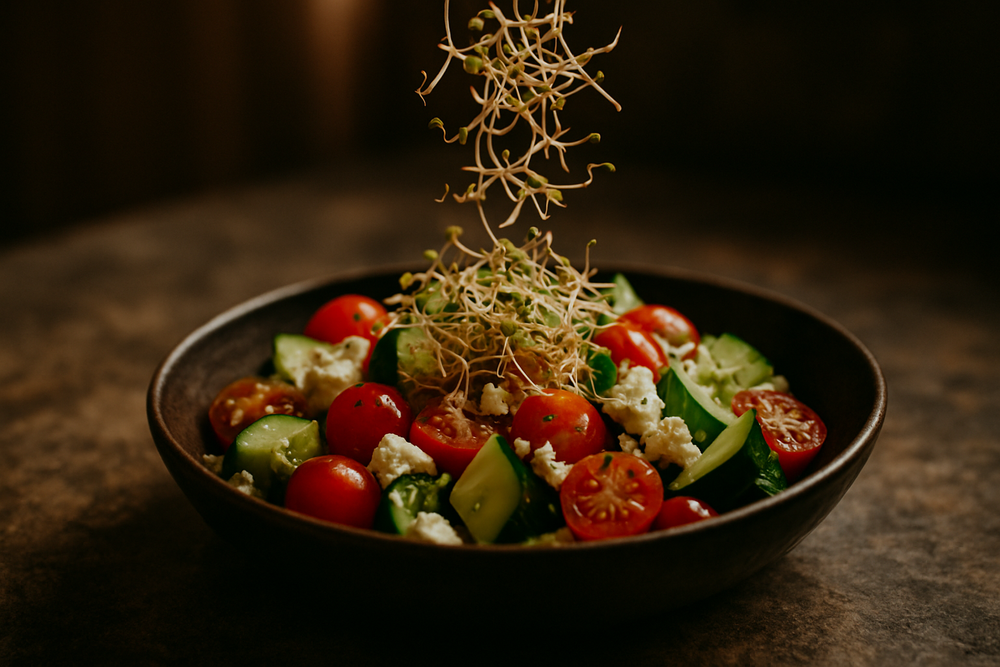
Prep Ideas
- — Fresh sprouts (store-bought): Look for sprouts kept refrigerated at or below 40°F (4°C). Check the best-by date and avoid any package with a sour smell, sliminess, or visible discoloration. Refrigerate immediately and use within 2–3 days of opening.
- — Sprouting seeds for home growing: Buy seeds explicitly labeled "for sprouting" or "food grade" from a reputable supplier. These undergo testing that field agricultural seeds do not. Organic labeling does not automatically mean safer from bacteria — hygiene in sprouting still matters. Store dry seeds in an airtight container away from heat and light; they keep for 1–4 years.
- — Supplements (tablets, powders, teas): These are a different product category than food-grade sprouts. They deliver more concentrated levels of alfalfa constituents and are not reviewed in this guide as a food recommendation. Consult a healthcare provider before using.
- — Alfalfa sprouts + avocado + whole grain toast: The sprouts add crunch and vitamin K; avocado contributes healthy monounsaturated fats that help absorb fat-soluble vitamins including vitamin K. The fiber in whole grain bread rounds out the meal's digestive profile.
- — Alfalfa sprouts + lemon-dressed lentil salad: Combining sprouts with lemon juice pairs their iron content with vitamin C (from the lemon), which improves non-heme iron absorption from the lentils. A simple, digestion-supporting combination.
- — Alfalfa sprouts + cold rice paper rolls with tofu: Wrapping sprouts in rice paper with tofu, cucumber, and fresh herbs keeps everything raw and unprocessed. The tofu contributes additional plant protein and calcium to complement the sprouts' lighter nutrient contribution.
- — Pile onto sandwiches and wraps in the final layer before closing — they wilt under heavy, wet toppings.
- — Use as a topping for grain bowls, noodle dishes, and cold noodle salads.
- — Fold into spring rolls or add to sushi rolls for texture.
- — Stir into soups or stir-fries in the last 30 seconds of cooking if you want a safer option without losing all texture.
Glossary
Shop This Ingredient
Stock your pantry with quality alfalfa sprouting seeds.
Buy on AmazonAs an Amazon Associate, Plantopedia earns from qualifying purchases. This costs you nothing extra and helps us keep the encyclopedia free.
Frequently Asked Questions
Research on alfalfa sprouts as a standalone therapeutic food is genuinely limited. Most human clinical trials that have used alfalfa sprouts at all have used them as a placebo control group when testing more bioactive sprouts like broccoli sprouts — which itself tells you something. That said, there are real, evidence-aligned reasons to include them in your diet. Heart and circulation Alfalfa sprouts contain no cholesterol or saturated fat, and provide small amounts of potassium and magnesium — both linked to healthier blood pressure levels across dietary studies. No randomized trials exist linking alfalfa sprout intake directly to heart disease outcomes. The practical benefit is more about displacement: replacing high-calorie, high-sodium toppings (deli meats, heavy condiments) with sprouts adds volume and texture without adding cardiovascular burden. Digestive health and gut health At roughly 0.8 g of fiber per cup, alfalfa sprouts are a modest contributor to overall fiber intake rather than a stand-alone digestive remedy. No clinical trials have assessed alfalfa sprouts for constipation, irritable bowel syndrome, or gut microbiome changes. Their high water content and light crunch may support satiety and add textural variety that encourages people to eat more vegetables overall — a meaningful indirect effect on digestive health when part of a high-fiber diet. Blood sugar and metabolism With only 1.3 g of total carbohydrate per cup, alfalfa sprouts have a negligible impact on post-meal blood glucose (the rise in blood sugar after eating). No specific glucose-lowering effect has been demonstrated in human trials. For people managing blood sugar, they work as a low-glycemic (low blood-sugar-impact) bulk-adding ingredient — a way to make a meal more filling without raising the carbohydrate load. Inflammation and recovery There are no human trials showing anti-inflammatory benefits from eating culinary amounts of alfalfa sprouts. Lab and animal studies have explored saponins and flavonoids, but those findings have not translated into clinical evidence for sprouts specifically. Importantly, the L-canavanine content means that for people with certain autoimmune conditions — particularly systemic lupus erythematosus (SLE) — high-dose alfalfa products may worsen rather than help inflammation. This concern is mainly linked to supplements, not moderate food servings, but it is relevant context. Alfalfa sprouts plant protein and antioxidants Alfalfa sprouts contribute 1.3 g of plant protein per cup — small, but not nothing when you are stacking sprouts on top of a meal that already contains beans, tofu, or legumes. Their vitamin C and beta-carotene content adds to your overall antioxidant intake. Vitamin C also enhances the absorption of non-heme iron (the type of iron found in plant foods), which matters if you pair sprouts with an iron-rich plant food.
This is one of the most practically important questions about alfalfa sprouts, and the answer depends on who is eating them. For low-risk adults: Raw alfalfa sprouts in sandwiches, salads, and bowls are a common and generally acceptable choice. The flavor is mild, the texture is delicate, and most of the vitamin C and folate is preserved without heat. For higher-risk groups: Public health agencies including the CDC clearly recommend that children under 5, adults over 65, pregnant women, and anyone with a weakened immune system avoid raw or lightly cooked sprouts and eat them only when thoroughly cooked — enough heat to kill bacteria throughout. Brief stir-frying or adding sprouts to a hot dish for the final few minutes of cooking reduces risk significantly. Why the concern? The warm, humid conditions that make seeds sprout are also ideal conditions for bacteria — including Salmonella, E. coli, and Listeria — to multiply rapidly. Alfalfa sprouts have been linked to multiple CDC-documented outbreaks of Salmonella in the United States, including as recently as December 2022. The bacteria can be present on the seed itself before sprouting begins, which means no amount of rinsing alone fully eliminates the risk in high-risk individuals. Nutritional trade-off: Light cooking reduces vitamin C content but does not meaningfully change protein, fiber, vitamin K, or mineral content. The safety benefit of cooking outweighs the minor nutrient loss for vulnerable groups.
Daily amount: There is no established therapeutic dose because alfalfa sprouts are a food, not a supplement. Culinary use is typically ¼ to 1 cup (roughly 15–60 g) per day as a garnish or salad base. Starting with smaller amounts (1–2 tablespoons) makes sense if you are new to sprouts or have a sensitive digestive system. How to grow alfalfa sprouts in a jar at home: Day 1 – Soak: Measure 1–2 tablespoons of food-grade alfalfa sprouting seeds. Rinse thoroughly in a clean strainer. Place in a clean wide-mouth glass jar with 1 cup of cool, clean water. Cover the jar mouth with a piece of cheesecloth or a sprouting lid and secure with a rubber band or the jar ring. Soak at room temperature for 8–12 hours (overnight works well). Day 1 – Drain: After soaking, drain the water completely through the mesh lid, then rinse again with clean water and drain thoroughly. Tilt the jar at roughly a 45-degree angle, mesh side down, in a bowl or dish rack so air circulates and residual water drains away. Avoid direct sunlight initially. Days 2–4 – Rinse and drain twice daily: Rinse with cool, clean water and drain completely each morning and evening. Shake gently to separate seeds. Keep at room temperature (65–75°F / 18–24°C is ideal). Days 3–5 – Move to indirect light: Once the first green leaves (cotyledons — the seed's first leaves) appear, move the jar to indirect natural light to encourage chlorophyll development, giving the sprouts their characteristic pale green color. Harvest: Sprouts are ready when they are 1–2 inches long with small green leaves, typically days 4–6. Give a final rinse, drain thoroughly, and refrigerate in the jar or a clean covered container. Use within 3–5 days. Safety during home sprouting: Use clean equipment — sanitize jars between batches. Rinse consistently and completely; standing water is the enemy. If sprouts smell sour or off at any stage, discard the batch and start fresh. High-risk individuals (pregnant, immunocompromised, elderly, young children) should cook home-sprouted sprouts before eating.
Quick Answers
Common questions, answered in a line.
People with lupus or autoimmune conditions should exercise caution due to L-canavanine, a compound in alfalfa that may trigger lupus-like reactions. High-dose supplements are most strongly linked to these issues, but food-grade sprouts warrant a discussion with a healthcare provider for susceptible individuals.
Alfalfa sprouts contain vitamin K, which can interfere with the effectiveness of warfarin and other blood-thinning medications. If you take these medications, it is important to maintain a consistent intake of vitamin K and consult your doctor before making sprouts a regular part of your diet.
Pregnant women are advised to avoid raw alfalfa sprouts due to the risk of bacterial contamination from pathogens like Salmonella or E. coli. These infections can harm both the mother and the fetus, so sprouts should be thoroughly cooked if consumed during pregnancy.
When buying fresh sprouts, choose packages refrigerated at or below 40°F (4°C) that have a fresh smell and no signs of sliminess or discoloration. For home growing, only use seeds explicitly labeled "for sprouting" or "food grade" to ensure they have undergone safety testing.
To maximize freshness, store unwashed sprouts in the refrigerator for 3 to 5 days, keeping them in their original container or loosely covered. Moisture accelerates spoilage, so you should only wash the sprouts immediately before you plan to eat them.
Alfalfa sprouts contain phytoestrogens like coumestrol and isoflavones, which weakly mimic the hormone estrogen in the body. While the clinical effect is small at typical serving sizes, individuals with hormone-sensitive conditions should consult a clinician about regular consumption.
For Readers in the USA
Local context — sourcing, seasonality, and regional notes.
You can find alfalfa sprouts at major US grocery chains like Whole Foods, Trader Joe’s, Kroger, and Safeway, usually located in the refrigerated produce section near the tofu or bagged salads. Many local farmers markets also host specialty microgreen vendors who sell freshly harvested sprouts year-round.
The FDA recommends that children, the elderly, pregnant women, and persons with weakened immune systems avoid eating raw alfalfa sprouts due to the risk of foodborne illness. To reduce risk, the agency suggests cooking sprouts thoroughly to kill harmful bacteria like Salmonella or E. coli.
While alfalfa is grown as a forage crop across the US (notably in California, Idaho, and Montana), sprouting seeds are available year-round because they are grown indoors in controlled environments. This makes them a consistent "seasonless" produce item in every US climate zone.
USDA Organic certification for alfalfa seeds ensures they were grown without synthetic pesticides or GMOs, but it does not eliminate the biological risk of bacterial contamination during the sprouting process. Always look for the USDA Organic seal if you want to avoid synthetic agricultural inputs.
AI Clinical Review
- Appropriately positions alfalfa sprouts as a low-calorie, micronutrient-rich garnish (not a “superfood”), noting modest vitamin K, folate, vitamin C, and small protein contributions.
- Clearly explains the real—but population-specific—food safety risk of raw sprouts and aligns advice with public health guidance (pregnancy, young children, older adults, and immunocompromised people should avoid raw; cooking reduces risk).
- Accurately distinguishes between culinary sprouts and concentrated supplements, highlighting L‑canavanine concerns primarily with high-dose products and in people with lupus.
- Sensible, patient-centered guidance on warfarin: vitamin K consistency matters and INR monitoring may need adjustment.
- Human trials specifically testing alfalfa sprouts for lipids, inflammation, glycemic control, or clinical outcomes are sparse; much of the mechanistic rationale (e.g., saponins, flavonoids) comes from lab or animal data.
- The real-world impact of phytoestrogens (e.g., coumestrol) at typical serving sizes is uncertain and may vary with seed source and sprouting conditions.
- L‑canavanine content and potential autoimmune effects likely vary by seed lot and sprout age; a clear threshold for risk from food-level intakes hasn’t been established.
- Reported nutrient values can shift with sprout maturity, light exposure, and handling, so exact percentages may differ from databases.
- Typical culinary amounts are about ¼–1 cup (15–60 g) per day; start smaller if your digestion is sensitive.
- If you’re pregnant, immunocompromised, over 65, or serving young children, choose thoroughly cooked sprouts and ask about raw sprouts when dining out.
- On warfarin, keep vitamin K intake steady and coordinate any dietary change with your clinician; direct oral anticoagulants (e.g., apixaban, rivaroxaban) are not vitamin K–dependent.
- People with lupus or related autoimmune conditions should avoid concentrated alfalfa supplements and discuss frequent sprout intake with their care team; when sprouting at home, sanitize equipment and discard any batch with off odors or slime.
Contains L-canavanine; those with lupus should limit. Raw sprouts carry a bacterial risk.
References
- USDA FoodData Central — alfalfa seeds, sprouted, raw (NDB No. 11001): Nutrition data used throughout this page (fdc.nal.usda.gov)
- CDC outbreak investigation: Salmonella Typhimurium linked to alfalfa sprouts (December 2022): Documents a recent multistate outbreak of Salmonella traced to raw alfalfa sprouts (cdc.gov)
- CDC consumer advice — Salmonella Montevideo and raw sprouts: Earlier CDC guidance confirming raw sprouts as a recognized source of foodborne illness risk (archive.cdc.gov)
- University of Rochester Medical Center nutrition encyclopedia — alfalfa seeds, sprouted, raw: Consumer-friendly nutrient summary aligned with USDA data (urmc.rochester.edu)
- PubMed — Randomized controlled trial of broccoli sprouts in atopic adults with asthma (alfalfa sprouts used as placebo control): Demonstrates that alfalfa sprouts were selected as a low-phytochemical control, confirming they are not expected to produce the same bioactive effects as cruciferous sprouts (pubmed.ncbi.nlm.nih.gov)
- Food safety overview of risks associated with raw sprouts: Evidence-based summary of why warm humid sprouting conditions support bacterial proliferation (123foodscience.com)
- Vegetarian Times — raw sprouts safety overview: Consumer-oriented review of sprout safety practices and washing limitations (vegetariantimes.com)
- MyPlate.gov — protein foods and plant-based protein options: USDA guidance on plant-based protein sources, including seeds and sprouts (myplate.gov)
- USDA ARS SR28 nutrient database report for alfalfa sprouts: Original source database for micronutrient values cited in this article (ars.usda.gov)
Know Your Numbers
Eating healthy is a start. Now get to know your biomarkers.
Food changes bloodwork — inflammation, lipids, blood sugar and nutrient status all respond to what you eat. 59 markers from $59.
- Results in 7–10 days at 2,000+ Quest sites
- Licensed provider reviews every result
- One flat price, no membership, HSA/FSA eligible
Educational information only, not medical advice. Panels are ordered and reviewed through our licensed partner; Plantopedia may earn a commission.