Atchara (Fermented Green Papaya Relish) — health benefits and uses
A Filipino table staple served to cut through rich, smoky flavors.
The Short Answer
Atchara is a Filipino fermented relish made from green papaya that provides 90 mg of Vitamin C and 1800 IU of Vitamin A per 1/4 cup serving. It contains the enzyme papain, which aids protein digestion, and serves as a probiotic source when naturally fermented.
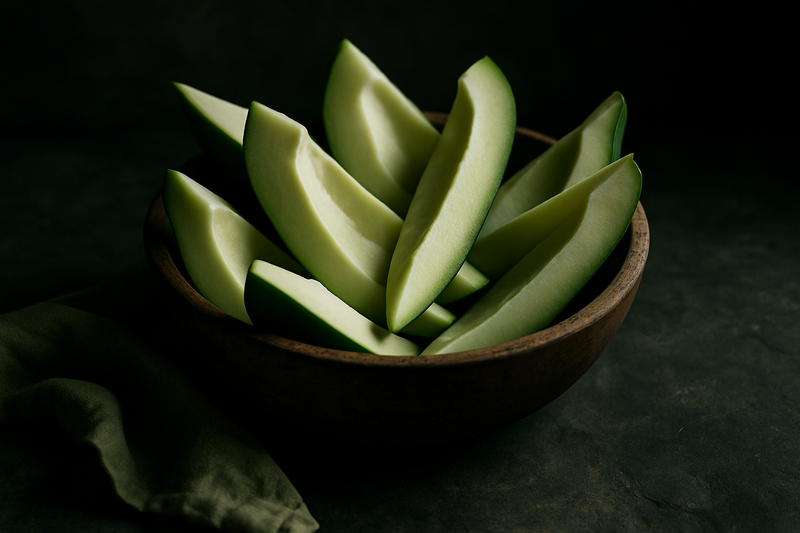
Atchara (Fermented Green Papaya Relish) · Photograph
Discover the atchara health benefits backed by research — from gut health and digestion to antioxidants and blood sugar. Learn about atchara nutrition facts, safety tips, and how this Filipino fermented green papaya relish fits into a whole-food diet.
Key Nutrients
% Daily Value based on 2,000 cal diet
Key active compounds in atchara
- Papain and proteolytic enzymes — Protein-digesting enzymes concentrated in unripe green papaya; may support protein breakdown during digestion. Levels depend on papaya ripeness and processing temperature.
- Carotenoids (including beta-carotene) — Orange-yellow pigments in papaya and carrot that the body converts to vitamin A; also act as antioxidants that help neutralize cell-damaging molecules called reactive oxygen species (ROS).
- Phenolic compounds and flavonoids — A broad family of plant-based antioxidants; lactic acid fermentation may help preserve or slightly increase their concentration.
- Lactic acid bacteria (LAB) — Beneficial bacteria such as Lactobacillus species that develop during natural salt-brine fermentation; the potential probiotic agents in naturally fermented atchara.
- Organic acids (lactic acid, acetic acid) — Acids that lower the pH of the brine, preserve the food, influence flavor, and may gently modulate the gut environment.
- Vitamin C (ascorbic acid) — An immune-supporting, collagen-building antioxidant vitamin well represented in both green papaya and carrot.
Buying guide: choosing the right atchara
Fresh/refrigerated naturally fermented atchara: Look for jars kept in the refrigerator section, without a use-by date far in the future (long shelf stability at room temperature usually means pasteurization has killed live cultures). Ingredients should be simple: green papaya, carrot, garlic, ginger, vinegar or salt, minimal sugar.
Jarred shelf-stable atchara: Widely available in Filipino grocery stores and online. Check the label: sugar is often listed as the second or third ingredient in commercial versions. A 2-tablespoon (30 g) serving can contain 5–10 g of added sugar in sweet commercial styles — meaningful if you are watching total sugar intake.
Label tips:
- Shorter ingredient list = closer to whole food
- Avoid versions with artificial preservatives, artificial colours, or high-fructose corn syrup
- "Unpasteurized" or "raw" on the label suggests live cultures are present
- Look for sodium per serving: aim for under 300 mg per ¼-cup serving if you are monitoring blood pressure
Making your own: Home fermentation gives you full control over sugar and salt. A basic recipe uses green papaya, carrot, ginger, garlic, a small amount of salt or a light sugar-and-vinegar brine, and time. See the prep section below for pairing ideas.
Prep and pairing ideas
Atchara is most at home as a bright counterpoint to rich, savory dishes — its sourness and crunch act as a natural palate cleanser.
Classic: grilled fish or chicken + atchara + steamed rice The acidity of atchara cuts through charred, fatty flavors while papain in the green papaya may help with protein digestion from the meal.
Plant-based bowl: tofu or tempeh + atchara + brown rice + wilted greens The sweet-sour crunch of atchara adds contrast and a vitamin C hit that enhances non-heme iron absorption (the type of iron found in plant foods) from the greens and legumes.
Banh mi-style sandwich or wrap: crusty bread or lettuce wrap + mashed beans + herbs + atchara Using atchara in place of conventional pickles brings more nutritional variety — carotenoids, papain, and potential live cultures — than a standard vinegar cucumber pickle.
Storage tip: Naturally fermented atchara is best kept refrigerated and used within 2–3 weeks of opening. Vinegar-based jarred atchara typically keeps for several months refrigerated. Always use a clean spoon to avoid contaminating the jar.
Myths vs facts
Myth: All atchara is a probiotic food. Fact: Only naturally fermented (lactic acid brine) versions of atchara may contain live bacteria. The majority of commercial and homemade recipes use vinegar as the primary acid, which inhibits live culture development. Check labels or make your own to know what you are getting.
Myth: Eating atchara will lower your blood sugar like clinical FPP studies show. Fact: The blood-sugar research was done with standardized, concentrated fermented papaya powder at doses of 3–6 g per day — far exceeding what a tablespoon of condiment provides, and without the added sugar found in most atchara. The relish itself is not a blood sugar treatment.
Myth: More atchara means more gut benefits. Fact: Larger servings also mean more sodium and sugar, which can cause other problems. A small, regular serving within a varied diet is more useful than large portions eaten occasionally.
Bottom line
Atchara is a genuinely interesting fermented food with a favorable nutritional profile — high in vitamin C and provitamin A carotenoids, a source of plant fiber and protein-digesting enzymes, and potentially rich in live beneficial bacteria when naturally fermented. The broader clinical research on fermented papaya preparations supports antioxidant, anti-inflammatory, and possibly cardiometabolic benefits, though the strongest evidence is for concentrated FPP supplements, not for the relish itself.
As a small side dish eaten regularly alongside balanced meals, atchara is a smart, culturally rooted way to include fermented plant foods in your diet. The most important variables you control are the recipe: choose low-sugar, low-sodium, naturally fermented versions whenever possible and treat it as the flavorful condiment it is, not a standalone therapy.
Looking to understand how fermented foods fit your broader health goals? Explore the Plantopedia gut and digestive health hub.
How Atchara (Fermented Green Papaya Relish) Compares
| Compared with | What's different |
|---|---|
| Atchara (Fermented Green Papaya Relish) vs. Kimchi | Sweeter and milder, made with green papaya rather than spicy cabbage and chili paste. |
| Atchara (Fermented Green Papaya Relish) vs. Sauerkraut | Crunchy and fresh-pickled in sugar and vinegar, whereas sauerkraut is salty and soft. |
| Atchara (Fermented Green Papaya Relish) vs. Achar | A sweeter Filipino condiment versus the savory, spice-heavy mustard seed and oil pickles of India. |
Health Benefits
Things to Know
Sodium: Many atchara recipes are high in salt. If you have hypertension (high blood pressure), heart failure, or chronic kidney disease, check sodium content carefully and favor low-salt versions.
Added sugar: Sweet atchara can contribute significant carbohydrates. People with type 2 diabetes or metabolic syndrome should choose low-sugar recipes and treat atchara as a small condiment, not a side dish.
Acidity and reflux: The vinegar and organic acids in atchara can aggravate symptoms of GERD (gastroesophageal reflux disease), gastritis, or peptic ulcers. If acidic foods bother you, reduce portion size or try a less acidic naturally fermented version.
Pregnancy: Traditional caution surrounds large amounts of unripe papaya latex, which contains concentrated papain and may stimulate uterine contractions. The small culinary quantities in atchara are generally considered safe, but pregnant individuals should err on the side of moderation and consult their midwife or doctor.
Papaya or latex allergy: People with known papaya or latex allergy may experience cross-reactive allergic reactions and should avoid atchara.
Immunocompromised individuals: If you are on chemotherapy, immunosuppressant drugs following organ transplant, or have advanced immune deficiency, unpasteurized fermented foods carry a small general infection risk. Discuss with your clinician.
Medication interactions: High-sodium atchara may blunt the effect of antihypertensive (blood pressure-lowering) medications if eaten frequently in large portions. The added sugar in sweet versions can affect post-meal glucose management for people on insulin or other antidiabetic drugs. Those on anticoagulants (blood thinners) such as warfarin should discuss significant dietary changes with their provider, as antioxidant-rich fermented foods can theoretically influence platelet function.
Glossary
Shop This Ingredient
Stock your pantry with quality atchara (fermented green papaya relish).
Buy on AmazonAs an Amazon Associate, Plantopedia earns from qualifying purchases. This costs you nothing extra and helps us keep the encyclopedia free.
Frequently Asked Questions
The honest answer is: the benefits are real but most of the hard clinical data comes from standardized FPP supplements, not from the relish itself. Here is what the research shows area by area. Heart and circulation Several randomized and open clinical studies using oral FPP in adults with diabetes or elevated cardiovascular risk found improvements in markers such as C-reactive protein (a blood measure of inflammation), LDL/HDL cholesterol ratio, uric acid, and serum ferritin. These studies used 3–6 g per day of standardized powder for 2–14 weeks — roughly equivalent to far more fermented papaya than a typical atchara portion delivers. Any heart benefit from atchara itself is indirect and likely modest, coming from small amounts of antioxidants in papaya and carrot. Importantly, high-sodium and high-sugar atchara recipes can directly work against cardiovascular health by raising blood pressure and spiking blood glucose, so the form of atchara you choose matters as much as eating it at all. Digestive health and the gut microbiome This is the area where atchara earns its traditional reputation most logically. Green papaya contributes papain and fiber; fermentation (when it is genuinely lactic acid fermentation, not just vinegar) introduces live LAB that may support a healthy gut microbiome — the community of microorganisms living in the digestive tract. Organic acids from fermentation can also stimulate gastric secretions, which may explain why atchara has long been paired with fatty grilled dishes. Formal controlled trials specifically on atchara for digestive symptoms are limited, but there is plausible biological reasoning and a growing body of work on fermented vegetable foods more broadly. The key caveat: vinegar-based quick pickles have little or no live culture content. Blood sugar and metabolism An open randomized clinical trial found that 3 g per day of FPP for about two months significantly reduced fasting and post-meal blood glucose in adults with type 2 diabetes. However, because many atchara recipes include notable added sugar, atchara should not be treated as a blood sugar remedy. People managing diabetes should view it as a small flavor accent and favor low-sugar, naturally fermented versions while counting it within their total carbohydrate budget for the meal. Inflammation and oxidative stress Multiple human studies with FPP in conditions such as type 2 diabetes, thalassemia (a blood disorder), liver cirrhosis, and aging report enhanced total antioxidant status — the body's overall capacity to neutralize ROS — and reductions in oxidative stress markers including oxidized DNA and pro-inflammatory cytokines (cell-signaling proteins that drive inflammation). A randomized clinical study also found that a standardized fermented papaya gel applied to the gums in chronic periodontitis (gum disease) improved clinical oral parameters and reduced inflammatory cytokines. These findings are reasonably well supported for concentrated FPP; atchara likely contributes a smaller antioxidant effect at condiment portions. Immune support and broader wellbeing A two-year double-blind randomized trial in middle-aged and elderly adults found that FPP improved several quality-of-life domains and was associated with changes in aging-related biomarkers linked to blood vessel lining health. Early research also explores possible neuroprotective effects. These findings are promising but belong to the supplement category, not to atchara as food.
This is one of the most practical questions about atchara, and the answer hinges on what you want from it. Naturally fermented atchara is made by packing grated green papaya and vegetables in a lightly salted brine and allowing wild lactic acid bacteria to do their work over several days at room temperature. This method can produce live LAB cultures and a measurably higher antioxidant capacity compared to fresh ingredients. If gut microbiome support is your goal, this is the version to seek. Quick-pickled (vinegar-based) atchara is the most common commercial and home version. The vinegar creates acidity instantly, killing or preventing microbial growth. It still provides fiber, vitamin C, carotenoids, and papain, but it is not a probiotic food. Think of it as a nutrient-rich, low-calorie condiment rather than a fermented functional food. Standardized FPP supplements are in a separate category entirely — they are controlled nutraceuticals used in clinical research and cannot be replicated by eating atchara. For a whole-food, plant-based approach, a naturally fermented, low-sugar, low-sodium atchara made with minimal processing offers the best nutritional profile.
There is no established clinical dose for atchara as a condiment. Typical Filipino serving practice is 1–2 tablespoons (15–30 g) to ¼ cup (about 60 g) as a side per meal. For general health purposes, a small serving — roughly 2 tablespoons alongside a meal — is a sensible starting point and avoids overloading on sugar or sodium. If you are new to fermented foods, start with 1 tablespoon and gradually increase; some people experience temporary bloating or loose stools when introducing new fermented or high-fiber foods. For specific health goals: Gut health: Daily small servings of naturally fermented atchara as part of a diverse fermented food intake is a reasonable approach. Antioxidant support: Focus on naturally fermented, low-sugar recipes to maximize carotenoid and phenolic intake. Diabetes management: Stick to 1–2 tablespoons of low-sugar atchara per meal and count it within your total carbohydrate intake. Blood pressure: Choose low-sodium recipes; look for versions with under 150 mg sodium per tablespoon. Clinical FPP supplement studies used 3–6 g per day of concentrated powder — a very different product that should not be compared directly to atchara.
Quick Answers
Common questions, answered in a line.
Atchara provides high levels of vitamin C and provitamin A carotenoids, alongside plant fiber and protein-digesting enzymes like papain. When naturally fermented, it may also contain beneficial lactic acid bacteria that support gut health.
Atchara contains papain and other proteolytic enzymes concentrated in unripe green papaya, which may help the body break down protein during digestion. Its acidity also serves as a palate cleanser for rich, savory dishes.
Look for unpasteurized atchara in the refrigerator section with a short ingredient list and no artificial preservatives. Avoid shelf-stable jars that use high-fructose corn syrup or list sugar as the second or third ingredient.
Pregnant individuals should consume atchara in moderation and consult a doctor due to traditional concerns about unripe papaya latex. Large amounts of the enzyme papain, found in green papaya, may stimulate uterine contractions.
Atchara can be high in sodium and added sugars, which may affect blood pressure and glucose management. The organic acids and vinegar in the relish can also aggravate symptoms of GERD, gastritis, or peptic ulcers in sensitive individuals.
Naturally fermented atchara should be kept refrigerated and typically stays fresh for 2 to 3 weeks after opening. Commercial vinegar-based versions can last several months in the refrigerator, but you should always use a clean spoon to prevent contamination.
Atchara is an excellent pairing for plant-based bowls featuring tofu, tempeh, or beans because its vitamin C content enhances the absorption of non-heme iron. Its sour crunch also provides a nutritious alternative to standard vinegar pickles in wraps or sandwiches.
For Readers in the USA
Local context — sourcing, seasonality, and regional notes.
You can find green papaya for atchara year-round at major Asian grocery chains like H-Mart, 99 Ranch Market, and Seafood City, as well as some specialized Whole Foods locations. In the U.S., these are typically imported from Mexico or Florida, where they are harvested before ripening to maintain the necessary firm texture.
In the United States, look for "unpasteurized" or "raw" labels in the refrigerated fermented foods aisle to ensure the atchara contains live probiotics. Most shelf-stable jars found in the international aisle are vinegar-preserved and heat-treated, meaning they lack the live cultures found in traditional fermented versions.
Commercial atchara sold in the U.S. is regulated by the FDA as an acidified food, which often requires a high vinegar content or heat processing to ensure shelf safety. While this makes the product shelf-stable for American pantries, it often results in a higher sugar content to balance the acidity compared to home-fermented batches.
While tropical papayas grow year-round in Hawaii and Southern Florida, the peak availability for fresh green papaya in U.S. mainland markets is generally during the summer and fall. If fresh fruit is unavailable, some U.S. specialty markets sell pre-shredded green papaya in the refrigerated or frozen produce section.
AI Clinical Review
- Clearly distinguishes naturally fermented atchara (potential for live “good” bacteria) from vinegar‑pickled versions that are unlikely to contain live cultures.
- Appropriately separates the culinary relish from standardized fermented papaya preparation (FPP) used in clinical trials, tempering expectations about health effects from typical food portions.
- Highlights plausible nutrition benefits from green papaya and vegetables (vitamin C, provitamin A carotenoids, fiber, and papain) and explains how fermentation can add organic acids and microbes.
- Sensibly flags sugar and sodium as the main factors that can offset potential benefits and advises treating atchara as a small condiment rather than a “functional” dose.
- Most human data involve FPP supplements at gram‑level doses; there are no controlled trials testing typical atchara servings, so the magnitude of benefit from the relish remains uncertain.
- Probiotic potential depends on live, specific lactic acid bacteria strains and viable counts; these vary widely in home and small‑batch ferments and are rarely labeled.
- Antioxidant and anti‑inflammatory findings from FPP may not translate directly to food forms; bioactive levels and absorption can differ after grating, brining, heating, or pasteurization.
- Digestive support from papain is biologically plausible, but enzyme activity can decline with heat and acid, and has not been quantified in customary atchara recipes.
- Portion guidance: 1–2 tablespoons (15–30 g) alongside a meal is a reasonable start; larger servings can raise sodium and added sugar intake.
- Form matters: choose naturally fermented, unpasteurized, lower‑sugar/lower‑sodium versions if seeking live cultures; vinegar‑based or pasteurized products are not probiotic.
- Who should be cautious: people with hypertension or kidney disease (sodium), diabetes (added sugars), GERD or gastritis (acidity), latex or papaya allergy, and immunocompromised individuals (unpasteurized ferments). Pregnant individuals should keep portions modest and discuss questions with their clinician.
- Medications: frequent high‑sodium condiments can counter blood‑pressure control; added sugars can affect post‑meal glucose for those using insulin or other antidiabetic drugs. When in doubt, check with your healthcare provider.
Often contains added sugar and vinegar; seek naturally fermented versions.
References
- USDA FoodData Central — papaya (raw) nutrition data (fdc.nal.usda.gov)
- Systematic review: benefits of fermented papaya in human health (2022) (pubmed.ncbi.nlm.nih.gov)
- Review: applications and bioefficacy of fermented papaya preparation (2010) (pubmed.ncbi.nlm.nih.gov)
- Human trial: fermented papaya preparation on biomarkers in type 2 diabetes (Mauritian adults) (sciencedirect.com)
- Interim report from 2-year double-blind RCT: FPP on immune, endothelial health, quality of life in elderly adults (ffhdj.com)
- Human trial: standardized fermented papaya gel on periodontitis and inflammatory markers (ncbi.nlm.nih.gov)
- Review: lactic acid fermentation in papaya — antioxidant compounds, health impacts (scielo.org.mx)
- In vitro study: fermented papaya effects on platelets in type 2 diabetes (sciencedirect.com)
- How to make naturally fermented green papaya atchara — recipe and method (culturedliving.com.au)
- Recipe-derived atchara nutrition estimate (visualfoodie.com)
Know Your Numbers
Eating healthy is a start. Now get to know your biomarkers.
Food changes bloodwork — inflammation, lipids, blood sugar and nutrient status all respond to what you eat. 59 markers from $59.
- Results in 7–10 days at 2,000+ Quest sites
- Licensed provider reviews every result
- One flat price, no membership, HSA/FSA eligible
Educational information only, not medical advice. Panels are ordered and reviewed through our licensed partner; Plantopedia may earn a commission.