Fermented Lemon Chili Paste — health benefits and uses
Blends the digestive traditions of preserved citrus and fermented chili in one condiment.
The Short Answer
Fermented lemon chili paste is a probiotic condiment made from whole lemons and chilies aged with salt. It provides a complex sour-spicy flavor profile while delivering capsaicin and citrus flavonoids like hesperidin.
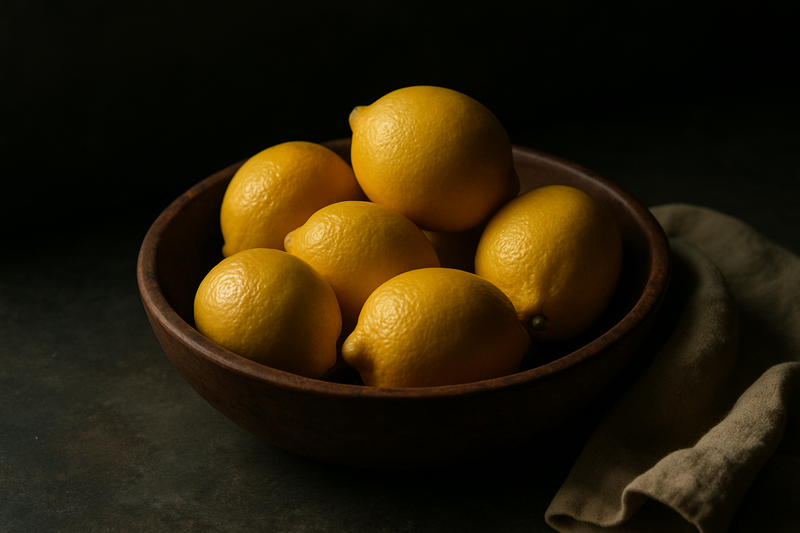
Fermented Lemon Chili Paste · Photograph
Fermented lemon chili paste is exactly what it sounds like: whole lemons and fresh chili peppers (Capsicum annuum or Capsicum frutescens, depending on variety) packed with salt and left to ferment into a tangy, fiery, deeply flavored condiment. Think of it as a cross between preserved lemons and a probiotic hot sauce — sour, spicy, and complex in a way that plain hot sauce rarely achieves.
Key Nutrients
% Daily Value based on 2,000 cal diet
Key active compounds
- Capsaicin — The primary pungent compound in hot chili peppers. Activates a receptor called TRPV1 (a heat-sensing protein in nerve cells), producing the burning sensation and modestly increasing energy expenditure. Linked in observational research to lower cardiovascular mortality.
- Dihydrocapsaicin and related capsaicinoids — Structurally similar to capsaicin; together they make up the total "heat" of the pepper and may share its cardiometabolic associations.
- Citrus flavonoids (hesperidin, eriocitrin, naringin) — Polyphenols (plant compounds with antioxidant and anti-inflammatory properties) concentrated in lemon peel and pith. Including whole lemons in the ferment means these compounds are present in a way they would not be in lemon juice alone.
- Limonene and citrus essential oils — Volatile aromatic compounds from the peel that contribute the paste's bright, floral top notes and have mild antioxidant properties in lab studies.
- Carotenoids (beta-carotene, capsanthin, lutein) — Fat-soluble pigments that give red chili peppers their color; act as antioxidants and some convert to vitamin A in the body.
- Phenolic acids and other polyphenols — A broad group of plant compounds from both lemons and chilies; fermentation can convert some into more bioavailable (easier to absorb) forms.
- Lactic acid and organic acids — Produced by lactic acid bacteria (LAB) during fermentation. Lower the pH of the paste, preserving it naturally and contributing the tangy flavor. May support gut microbial ecology as substrate for beneficial bacteria.
- Live lactic acid bacteria (LAB) — Present in unpasteurized versions; strains like Lactobacillus and Leuconostoc are typical in vegetable ferments and are what qualify the paste as a probiotic-style food.
Prep and pairing ideas
Fermented lemon chili paste is most useful when you think of it as a finishing condiment and flavor foundation, not an ingredient you cook at high heat (which would destroy any live cultures).
Three practical pairings:
- Stirred into cooked whole grains (farro, millet, brown rice): The lactic acid in the paste acts like a vinaigrette — it brightens and lifts the earthy flavor of whole grains in a way that plain salt cannot. Start with ½ tsp per serving and adjust. The grains' starch also mutes the heat, making this a manageable entry point for chili-heat beginners.
- Whisked into tahini dressing: Combine 1 tsp fermented lemon chili paste + 2 tbsp tahini + 1 tbsp water + a small squeeze of fresh lemon. The paste does the work of both the acid and the heat, so you need fewer separate ingredients. Drizzle over roasted cauliflower, sweet potato, or any grain bowl.
- Swirled into lentil or bean soup: Add ½–1 tsp per bowl just before serving. The acidity cuts through the richness of legumes and adds complexity without extra fat. For maximum probiotic benefit, add it after the soup is ladled out rather than while still boiling.
Storage: Refrigerate after opening. Homemade versions keep 2–4 weeks refrigerated; commercial products vary — follow the label. A thin layer of olive oil on top can help keep the surface anaerobic and slow oxidation.
Bottom line
Fermented lemon chili paste is a genuinely interesting whole-food condiment. It earns its place on a plant-based table not because a tablespoon of it will transform your health markers, but because it makes the foods most associated with long-term health — whole grains, legumes, vegetables — noticeably more delicious. That is not a small thing.
The evidence supporting fermented foods and chili-rich diets is real, if still maturing. Regular chili pepper intake is associated with lower cardiovascular mortality across multiple large studies. High-fermented-food dietary patterns have been shown to increase gut microbial diversity and reduce inflammatory markers in controlled trials. This paste does both at once.
The sodium is the most important practical caveat. Use it as a seasoning — a teaspoon or two at a time — not a sauce. Choose unpasteurized refrigerated versions when possible. And if you have hypertension, kidney disease, GERD, or a sensitive gut, get specific guidance from your healthcare provider before making it a daily habit.
Used thoughtfully, fermented lemon chili paste is one of the more compelling whole-food ways to add brightness, heat, and fermented complexity to an already healthy eating pattern.
How Fermented Lemon Chili Paste Compares
| Compared with | What's different |
|---|---|
| Fermented Lemon Chili Paste vs. Sriracha | Higher acidity and salt content with floral citrus notes from the inclusion of lemon rinds. |
| Fermented Lemon Chili Paste vs. Hot Sauce | A thinner, vinegary liquid without the pulpy texture of fermented lemon peel and whole chilies. |
| Fermented Lemon Chili Paste vs. Preserved Lemons | Fermented lemon chili paste adds significant heat, whereas preserved lemons are purely salty and tangy. |
Health Benefits
Things to Know
Sodium adds up fast.: One tablespoon can deliver 150–300 mg of sodium. If you use it multiple times a day, account for it in your daily total (the recommended limit for most adults is 2,300 mg/day; lower for those with hypertension or kidney disease).
Hypertension and heart failure: High-sodium condiments can blunt the effect of blood-pressure medications and contribute to fluid retention. Use small amounts and speak with your care team about sodium budgeting.
Chronic kidney disease: Both sodium and potassium intake may need to be carefully managed; check with your nephrologist.
GERD, gastritis, and peptic ulcers: Spicy and acidic foods are common triggers. Start with a very small amount and discontinue if symptoms worsen.
IBS and IBD: Capsaicin can trigger pain, urgency, or loose stools in sensitive individuals. Garlic-containing versions also add FODMAPs.
Pregnancy: Commercially prepared products are generally safe; approach homemade wild-fermented pastes with caution due to less predictable microbial content.
Immunocompromised individuals: Prioritize commercially produced, regulated fermented products over home ferments.
Medication interactions:
Antihypertensives (ACE inhibitors, ARBs, diuretics): High sodium from condiments can counteract blood-pressure-lowering effects.
NSAIDs: No direct interaction at food doses, but spicy and acidic foods can worsen NSAID-related gastric irritation.
PPIs and H2 blockers: No pharmacological interaction, but acidic-spicy foods may worsen the underlying condition these drugs treat.
Anticoagulants: No significant interaction expected at typical condiment amounts.
Migraine: Acidic and spicy foods are triggers for some people. Monitor your response.
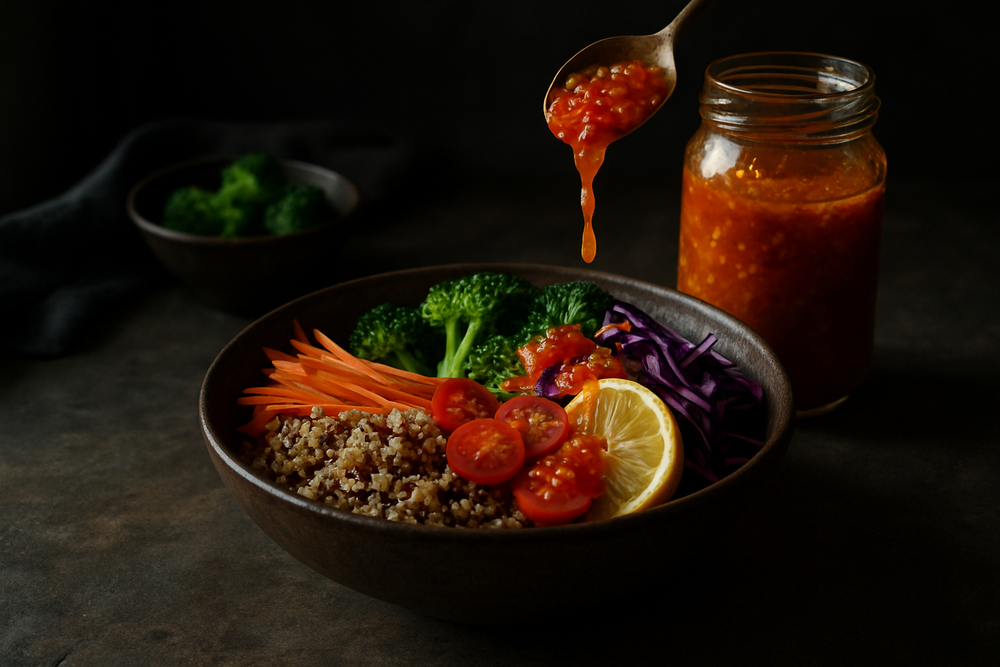
Prep Ideas
- — Stirred into cooked whole grains (farro, millet, brown rice): The lactic acid in the paste acts like a vinaigrette — it brightens and lifts the earthy flavor of whole grains in a way that plain salt cannot. Start with ½ tsp per serving and adjust. The grains' starch also mutes the heat, making this a manageable entry point for chili-heat beginners.
- — Whisked into tahini dressing: Combine 1 tsp fermented lemon chili paste + 2 tbsp tahini + 1 tbsp water + a small squeeze of fresh lemon. The paste does the work of both the acid and the heat, so you need fewer separate ingredients. Drizzle over roasted cauliflower, sweet potato, or any grain bowl.
- — Swirled into lentil or bean soup: Add ½–1 tsp per bowl just before serving. The acidity cuts through the richness of legumes and adds complexity without extra fat. For maximum probiotic benefit, add it after the soup is ladled out rather than while still boiling.
Glossary
Shop This Ingredient
Stock your pantry with quality fermented lemon chili paste.
Buy on AmazonAs an Amazon Associate, Plantopedia earns from qualifying purchases. This costs you nothing extra and helps us keep the encyclopedia free.
Frequently Asked Questions
Gut health and microbiome The question "is fermented lemon chili paste good for digestion?" has a nuanced answer. In a landmark Stanford randomized controlled trial (RCT), adults who ate roughly six daily servings of fermented foods over ten weeks showed meaningfully increased gut microbial diversity and reductions in several inflammatory proteins compared to those eating a high-fiber diet. A separate RCT found that about half a cup of fermented vegetables per day for two months produced only slight microbiota shifts without significant changes in diversity or inflammatory markers, suggesting that dose and duration matter. What does this mean for a teaspoon of fermented lemon chili paste? At that volume, the probiotic exposure is modest — helpful as one piece of a broader fermented-food routine, but unlikely to drive dramatic changes on its own. Think of it as a daily deposit rather than a one-time investment. Live cultures are only present in unpasteurized, refrigerated versions; pasteurized products retain organic acids and flavor but not living bacteria. The acidity and capsaicin can also stimulate digestive secretions in some people, which may feel like improved digestion. Others — particularly those with IBS (irritable bowel syndrome), GERD (gastroesophageal reflux disease), or active IBD (inflammatory bowel disease) — may find the combination of spicy and acidic genuinely irritating. Tolerance here is highly individual. Heart health and circulation Research on fermented lemon chili paste for heart health and inflammation draws from two separate but complementary bodies of evidence. First, the chili pepper data: the large Italian Moli-sani cohort study found that adults eating chili peppers four or more times per week had 23% lower all-cause mortality and significantly lower cardiovascular mortality compared with rare consumers, after adjusting for major risk factors. A subsequent meta-analysis of observational studies including over 570,000 participants confirmed associations between regular chili intake and lower cardiovascular and cancer-related mortality. Second, fermented vegetable studies: the same RCT that tested half a cup of fermented vegetables daily found no significant improvement in cardiovascular risk markers over two months, suggesting that benefits — if they exist — require longer time horizons or are mediated through broader dietary patterns. Importantly, the high sodium in fermented condiments is a real counterpoint. Consistently high sodium intake is associated with elevated blood pressure, which is one of the most modifiable cardiovascular risk factors. Using small amounts of this paste to flavor otherwise low-sodium, plant-rich meals is the practical sweet spot. Digestive health and microbiome (deeper dive) Beyond the general fermented-food data above, it is worth noting what fermentation specifically does to lemon and chili. Including the whole lemon — peel and all — means the ferment contains peel-derived compounds like hesperidin and limonene that would not survive in a simple squeeze of juice. Fermentation can also transform phenolic compounds into forms that are more readily absorbed in the gut. That said, most human data on fermented foods focuses on cabbage, soy, or dairy; citrus-chili combinations have not been directly tested in clinical trials. Inflammation and recovery The Stanford fermented-food trial showed reduced interleukin-6 (IL-6) — an inflammatory signaling molecule — in participants eating a diverse range of fermented foods daily. Capsaicin also has well-documented anti-inflammatory properties in cell and animal studies, and the citrus flavonoids in lemon peel have demonstrated antioxidant and vascular-protective effects in limited human research. At condiment doses, you are unlikely to replicate the anti-inflammatory effects seen in controlled trials using much larger quantities. The more realistic framing: fermented lemon chili paste can make it genuinely pleasurable to eat anti-inflammatory whole foods — and that behavioral effect may matter more than any direct pharmacological one. Blood sugar and metabolism No studies have directly tested this paste on blood glucose or insulin. Capsaicin has shown modest thermogenic (calorie-burning) effects in some short-term trials, and the paste is very low in digestible carbohydrates (under 2 g per tablespoon). Its main contribution to metabolic health is practical: as a calorie-free flavor booster that makes high-fiber, low-glycemic meals — whole grains, legumes, vegetables — genuinely appealing. People with diabetes should monitor total meal composition and total sodium rather than worrying about the carbohydrate content of the paste itself.
This comes down to what you want from it. Unpasteurized, refrigerated paste is your best bet if live cultures are the goal. Look for products stored in the refrigerated section, with no preservatives or vinegar listed (vinegar is sometimes added to shortcut the fermentation process and does not confer the same benefits). Ideally, the ingredient list is short: lemons, chili peppers, salt. Pasteurized or shelf-stable versions are heat-treated after fermentation, which kills live bacteria. They still offer organic acids, capsaicin, citrus flavonoids, and the culinary benefits of fermentation — just not probiotics. If you cannot consistently refrigerate, or if food safety is a concern (see cautions below), these are a reasonable trade-off. Homemade wild-fermented paste can be exceptionally rich in live bacteria, and making it is straightforward. The key variables are salt concentration (typically 2–3% by weight of the total ingredients), hygiene, and keeping the mixture below the brine surface to maintain anaerobic (oxygen-free) conditions. Homemade ferments made under uncertain hygienic conditions carry more food safety risk — this is especially relevant for immunocompromised individuals, pregnant people, and older adults. Variations with garlic, herbs, or seeds add additional polyphenols and prebiotic fibers but also increase FODMAP content (short-chain carbohydrates that can trigger IBS symptoms). If you have IBS or FODMAP sensitivity, garlic-containing versions may not suit you.
The whole food plant-based home cook who hits flavor fatigue Stirs 1 tsp into lentil soup, farro, or roasted vegetables to add depth without oil or sugar Wants a condiment that complements rather than competes with the whole food ingredients Already eats fermented foods regularly and wants more variety beyond sauerkraut and kimchi The gut-health curious person building a diverse fermented-food routine Understands that no single food is a probiotic silver bullet and is adding variety strategically Keeps a refrigerated, unpasteurized version and uses it regularly across the week Pairs it with other cultured foods (yogurt, kefir, miso) rather than treating it as a standalone solution
There is no established clinical dose for this specific condiment. Here is a practical framework based on the available evidence: Typical culinary use: 1–2 teaspoons (5–10 g) per serving, one to two times a day. This is the range where flavor benefit is real and sodium contribution stays manageable for most healthy adults. Upper practical range: Up to 1–2 tablespoons (15–30 g) spread across meals — but at the higher end, sodium begins to accumulate meaningfully (300–600 mg from the condiment alone). Research context: Fermented vegetable trials that showed gut microbiota changes used roughly half a cup (75–100 g) per day — far more than typical condiment use. The take-home is that small daily amounts contribute to a fermented-food pattern rather than producing dramatic standalone effects. Start low: If you are new to fermented foods or sensitive to spice, start with ¼ teaspoon and build up over 1–2 weeks. GI adaptation to increased fermented-food intake is common and usually mild. Sodium-conscious users: Count it toward your daily sodium budget. On low-sodium days or if using other high-sodium foods (miso, soy sauce, olives, canned beans with salt), be proportionally more conservative. Low sodium tips for using fermented chili paste: Rinse rinsable foods (canned beans, for example) before adding the paste, choose unsalted whole grains as the base, and use the paste as the only salty element in a dish rather than layering it with other condiments.
Quick Answers
Common questions, answered in a line.
Fermented lemon chili paste is a tangy, fiery condiment made by fermenting whole lemons and fresh chili peppers with salt. It functions like a cross between a probiotic hot sauce and preserved lemons, offering a complex flavor profile that includes sour, spicy, and floral notes.
Fermented lemon chili paste contains capsaicin, citrus flavonoids, carotenoids, and live lactic acid bacteria (LAB). These compounds, including hesperidin from lemon peel and capsaicin from peppers, provide antioxidant, anti-inflammatory, and probiotic properties to the condiment.
You can use fermented lemon chili paste as a finishing condiment for cooked whole grains, tahini dressings, or lentil and bean soups. Because it contains live cultures, it is best added to dishes after cooking rather than being exposed to high heat which can destroy beneficial bacteria.
People with hypertension, kidney disease, GERD, or sensitive guts should use fermented lemon chili paste with caution. The paste is high in sodium, which can interfere with blood pressure management, and its acidity and spice can trigger symptoms for those with acid reflux or IBS.
Fermented lemon chili paste should be refrigerated after opening to maintain quality and safety. Homemade versions typically last between 2 to 4 weeks in the refrigerator, and adding a thin layer of olive oil on top can help slow oxidation and keep the surface anaerobic.
Fermentation can improve the nutritional profile of lemon chili paste by converting certain polyphenols into more bioavailable forms that are easier for the body to absorb. Additionally, the process produces lactic acid, which lowers the pH for natural preservation and supports gut health.
For Readers in the USA
Local context — sourcing, seasonality, and regional notes.
You can find commercial fermented lemon chili paste at specialty grocers like Whole Foods Market, high-end independent markets, or through online retailers specializing in craft ferments. While standard grocery stores like Kroger or Safeway may carry plain chili pastes, the fermented lemon variety is typically located in the refrigerated functional food section near the sauerkraut and kimchi.
Domestic production of lemons and chili peppers peaks during different seasons, but Florida and California provide a steady year-round supply for artisanal producers. California-grown Eureka lemons are harvested primarily in winter and spring, while Fresno or Jalapeño peppers are at their peak in late summer, making late August a popular time for American small-batch fermentation brands to start new cycles.
Look for the USDA Organic seal and the "Keep Refrigerated" label to ensure you are getting a product with live cultures and no synthetic pesticides. Because the FDA does not strictly define the term "probiotic" on food labels, checking for "unpasteurized" or "contains live cultures" is the best way to verify the presence of beneficial bacteria in American-made pastes.
While the specific lemon-chili combination is a global fusion, it is frequently used in the US as a modern plant-based substitute for spicy fish sauces or as a "zesty" topping for California-style grain bowls. It aligns with the growing American culinary trend of "acid-tripping" or layering different types of acidity (lactic and citric) to enhance the flavor of roasted vegetables and legumes.
AI Clinical Review
- Clearly explains that unpasteurized, refrigerated versions may contain live beneficial bacteria, while pasteurized, shelf‑stable products do not — a key distinction for “probiotic” potential.
- Frames the condiment realistically: teaspoon‑level servings add flavor and can support a fermented‑food pattern, but won’t drive large microbiome shifts on their own.
- Accurately reflects current evidence: a randomized controlled trial (RCT; people are assigned to diets by researchers) linked higher fermented‑food intake with greater microbial diversity and lower inflammatory markers, while large observational studies (track habits without assigning them) associate regular chili intake with lower mortality.
- Emphasizes sodium as the main nutritional caveat and offers practical, WFPB‑friendly ways to use the paste without excess salt.
- There are no clinical trials on fermented lemon chili paste specifically; benefits are inferred from research on other fermented vegetables and on chili consumption, so the effect size at teaspoon doses is uncertain.
- Observational links between chili intake and lower mortality cannot prove cause‑and‑effect and may be influenced by other lifestyle or dietary factors; capsaicin dose and pepper variety also vary widely.
- Short, small RCTs of fermented vegetables have shown limited cardiometabolic changes; meaningful effects may require higher amounts, longer duration, or broader dietary shifts than typical condiment use provides.
- Claims about fermentation increasing polyphenol “bioavailability” are biologically plausible but come mostly from lab or small human studies and may not translate directly to this citrus‑chili combination.
- Sodium adds up: about 150–300 mg per tablespoon; most adults are advised to stay at or below 2,300 mg/day, and many with hypertension, CKD, or heart failure have lower targets — factor condiment use into your daily budget.
- Form matters: choose unpasteurized, refrigerated products if live cultures are your goal; pasteurized versions keep flavor and organic acids but not live bacteria. Homemade ferments can be excellent but carry more variability; people who are pregnant, immunocompromised, or older may prefer commercial options.
- GI sensitivity varies: the combination of acidity and capsaicin can aggravate GERD, gastritis, IBS, or active IBD — start with a small amount and increase only as tolerated.
- Practical use: 1–2 teaspoons per meal, up to once or twice daily, is a reasonable range for most healthy adults; add after cooking to preserve any live cultures, and avoid stacking with other salty condiments if you’re watching sodium.
High salt and spicy; use as a small-quantity seasoning.
References
- USDA FoodData Central — nutrient data for lemons, chili peppers, and fermented foods (fdc.nal.usda.gov)
- Stanford Medicine: High-fermented-food diet increases microbiome diversity and lowers inflammation — randomized controlled trial summary (med.stanford.edu)
- Fermented foods, their microbiome and potential health benefits — peer-reviewed review (pmc.ncbi.nlm.nih.gov)
- Effects of fermented vegetables on gut microbiota for cardiovascular disease prevention — randomized trial (cambridge.org)
- Safety and functional enrichment of gut microbiome with fermented milk — randomized controlled trial (nature.com)
- Chili pepper intake and all-cause and disease-specific mortality — meta-analysis of observational studies (pubmed.ncbi.nlm.nih.gov)
- Meta-analysis evaluating chili pepper intake and mortality — open-access full text (pmc.ncbi.nlm.nih.gov)
- Chili pepper consumption and mortality in Italian adults — Moli-sani cohort study (jacc.org)
- Impact of chili pepper intake on all-cause and cardiovascular mortality — systematic review and meta-analysis abstract (ahajournals.org)
- The Impact of Fermented Milk Products Containing Bifidobacterium longum on gut microbiota — randomized placebo-controlled trial (pubmed.ncbi.nlm.nih.gov)
Know Your Numbers
Eating healthy is a start. Now get to know your biomarkers.
Food changes bloodwork — inflammation, lipids, blood sugar and nutrient status all respond to what you eat. 59 markers from $59.
- Results in 7–10 days at 2,000+ Quest sites
- Licensed provider reviews every result
- One flat price, no membership, HSA/FSA eligible
Educational information only, not medical advice. Panels are ordered and reviewed through our licensed partner; Plantopedia may earn a commission.
Filed Under
Health Goals This Supports
Related Ingredients
- Fermented Chayote
Also supports Energy
- Fermented Cranberry Relish
Also supports Energy
- Fermented Escabeche (Pickled Jalapeños & Vegetables)
Also supports Energy
- Fermented Green Chili Paste
Also supports Energy
- Fermented Mango Pickle (Aam ka Achar)
Also supports Energy
- Fermented Radish Pods
Also supports Energy