Barley Miso (Mugi Miso) — health benefits and uses
A rustic Japanese country miso long favored for everyday nourishment.
The Short Answer
Barley miso, or Mugi Miso, is a fermented paste made from soybeans and barley known for its deep, earthy flavor and gut-healthy probiotics. It is traditionally used in soups and dressings, providing a rich source of bioactive peptides and soy isoflavones.
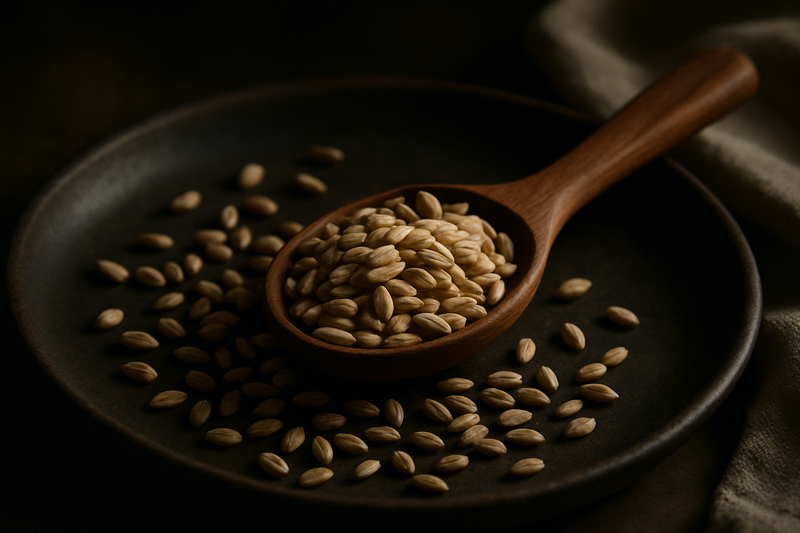
Barley Miso (Mugi Miso) · Photograph
Discover the barley miso health benefits backed by research — from gut microbiome support to heart health — plus nutrition facts, sodium warnings, gluten content, probiotic tips, and easy ways to use mugi miso in everyday cooking.
Key Nutrients
% Daily Value based on 2,000 cal diet
Key active compounds in barley miso
The bioactivity of barley miso comes largely from what fermentation creates, not just the raw ingredients:
- Soy isoflavones (genistein and daidzein): Polyphenolic compounds — plant-based molecules with antioxidant and mild estrogen-like activity — naturally present in soybeans and partially transformed by fermentation into more bioavailable forms.
- Fermentation-derived bioactive peptides: Short protein fragments produced when koji enzymes break down barley and soy proteins during fermentation. Some have demonstrated ACE-inhibitory activity (meaning they may help relax blood vessels in experimental models) and antioxidant effects.
- Melanoidins and Maillard reaction products: Brown-colored polymers that form during long fermentations and aging. They contribute to the deep color and flavor of aged miso and act as antioxidants, helping to neutralize reactive molecules in the body.
- Phenolic acids and polyphenols: Plant-derived phenolic compounds that fermentation can transform into more active forms, contributing to the overall antioxidant profile.
- Live lactic acid bacteria and yeasts (unpasteurized only): Microorganisms present in unheated barley miso that may survive passage into the gut and influence the microbiome.
- Barley beta-glucan (from whole barley): A soluble dietary fiber well-studied for its role in cholesterol management and blood sugar regulation.
Prep and pairing ideas
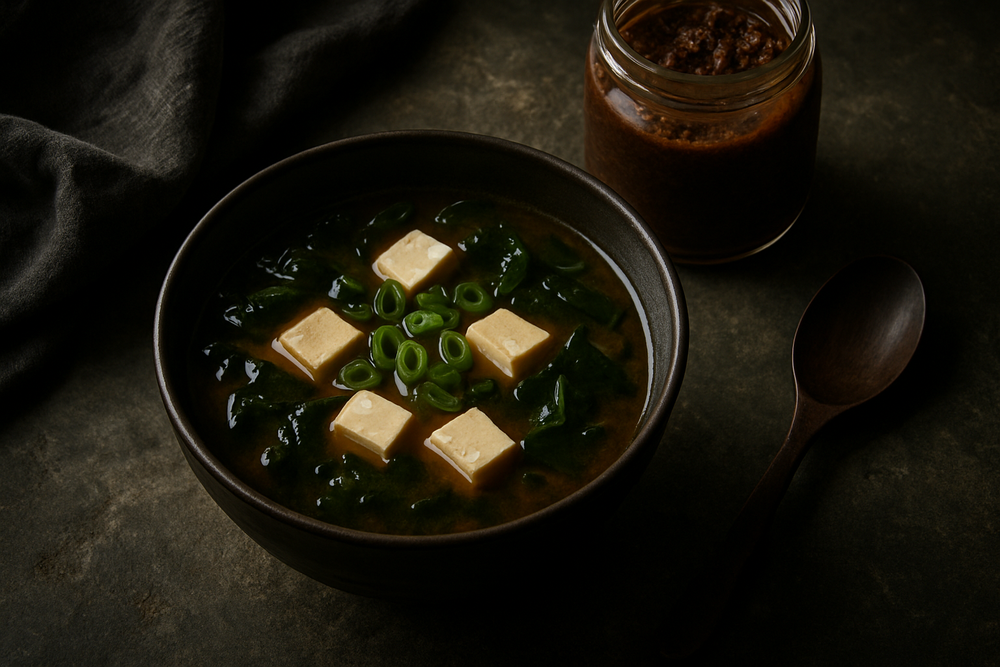
Classic miso soup: Dissolve 1–1.5 teaspoons of barley miso in a ladle of hot (not boiling) dashi or vegetable broth off the heat, then stir back into the pot. Add silken tofu, wakame seaweed, and sliced scallions.
Three practical pairings:
- Barley miso + roasted root vegetables: The paste's sweetness and earthiness amplify caramelized flavors in carrots, parsnips, and sweet potatoes. Thin 1 tablespoon with 1 tablespoon rice vinegar and drizzle over roasted veg before serving.
- Barley miso + tahini (sesame paste): Whisked together with lemon juice and a little warm water, these two fermented/whole-food ingredients create a deeply savory dressing for grain bowls and steamed greens. The miso provides salt and umami; tahini adds fat and creaminess.
- Barley miso + ginger in a vegetable braise: Stir 1–2 teaspoons of miso and 1 teaspoon of freshly grated ginger into a braise of winter greens (kale, bok choy) with a small amount of sesame oil. The miso flavors the liquid without overpowering the greens.
Storage tip: Always refrigerate unpasteurized miso after opening. Press a piece of parchment paper directly against the paste surface before sealing to minimize air exposure and prevent surface oxidation. It will keep for months and, in some cases, years.
Bottom line
Barley miso is one of the most nutritionally interesting fermented seasonings available — a whole-food, umami-packed paste that provides modest protein, small but meaningful amounts of iron and zinc, and (when unpasteurized) live microorganisms with potential gut-health benefits. Research suggests miso broadly may support cardiovascular markers and digestive health, with barley miso offering the added advantage of prebiotic beta-glucan fiber from whole grain barley.
The unavoidable flip side is its very high sodium content. Used thoughtfully — as a tablespoon-scale seasoning in a genuinely low-sodium, vegetable-forward diet — barley miso can be a valuable whole-food addition for most healthy people. Used generously or by those with sodium-sensitive conditions, the risks outweigh the benefits. Know your sodium budget, check your labels, choose unpasteurized when probiotic benefit is the goal, and keep the portion size modest.
Looking for ingredients that complement a gut-health or heart-health focused diet? Explore Plantopedia's goals guide for curated combinations across all categories.
How Barley Miso (Mugi Miso) Compares
| Compared with | What's different |
|---|---|
| Barley Miso (Mugi Miso) vs. White Miso (Shiro Miso) | Lighter, sweeter, and shorter fermentation time than the dark, earthy barley miso. |
| Barley Miso (Mugi Miso) vs. Red Miso (Aka Miso) | Made with rice koji instead of barley, offering a sharper salty profile and no gluten. |
Health Benefits
Things to Know
High sodium: One tablespoon delivers roughly 200–540 mg sodium depending on the brand — a significant fraction of the 2,300 mg daily limit for most adults and potentially exceeding reduced targets (1,500 mg) for those with hypertension, heart failure, or chronic kidney disease.
Contains gluten: Barley is a gluten-containing grain. Barley miso is not safe for people with celiac disease or non-celiac gluten sensitivity.
Contains soy: Most barley miso formulations include soybeans. Avoid if you have a soy allergy or intolerance.
Hormone-sensitive conditions: Soy isoflavones have mild phytoestrogen activity. People with estrogen receptor-positive breast cancer or other hormone-sensitive conditions should discuss soy food intake with their oncologist or physician.
Medication interactions:
Antihypertensives and diuretics: High sodium from miso can partially blunt blood-pressure-lowering effects and complicate fluid management.
MAO inhibitors: Fermented foods can contain biogenic amines such as tyramine, which can interact dangerously with certain antidepressants. Use caution and consult your prescriber.
Warfarin (blood thinners): Regular consumption of fermented soy foods may modestly influence vitamin K intake; keep your miso intake consistent if you take warfarin.
Glucocorticoids and NSAIDs: Combined with high-sodium foods, these medications may increase risk of fluid retention.
Pregnancy: High-sodium foods require general caution; moderate culinary use within a balanced diet is typically acceptable, but discuss with your midwife or doctor.
Gastric health: High salt intake has been associated with gastric mucosal irritation in some research; limit intake if you have a history of gastric conditions.
Prep Ideas
- — Barley miso + roasted root vegetables: The paste's sweetness and earthiness amplify caramelized flavors in carrots, parsnips, and sweet potatoes. Thin 1 tablespoon with 1 tablespoon rice vinegar and drizzle over roasted veg before serving.
- — Barley miso + tahini (sesame paste): Whisked together with lemon juice and a little warm water, these two fermented/whole-food ingredients create a deeply savory dressing for grain bowls and steamed greens. The miso provides salt and umami; tahini adds fat and creaminess.
- — Barley miso + ginger in a vegetable braise: Stir 1–2 teaspoons of miso and 1 teaspoon of freshly grated ginger into a braise of winter greens (kale, bok choy) with a small amount of sesame oil. The miso flavors the liquid without overpowering the greens.
Glossary
Shop This Ingredient
Stock your pantry with quality barley miso (mugi miso).
Buy on AmazonAs an Amazon Associate, Plantopedia earns from qualifying purchases. This costs you nothing extra and helps us keep the encyclopedia free.
Frequently Asked Questions
Heart health and circulation Research on miso and cardiovascular health is genuinely interesting — and genuinely complicated. Several Japanese population studies suggest that regular miso soup intake is not associated with the same blood pressure increases you might expect from consuming an equivalent amount of sodium from table salt or processed foods. Fermentation-derived peptides that inhibit ACE (angiotensin-converting enzyme — a protein involved in narrowing blood vessels) and the antioxidant compounds in miso may help offset some of sodium's vasoconstrictive effects. However, this evidence is observational and confounded by traditional Japanese dietary patterns that are rich in vegetables, fish, and other protective foods. Controlled human trials are small and limited. The bottom line: miso may be a less harmful source of sodium than ultra-processed alternatives, but it is still a high-sodium food, and anyone at risk for hypertension or heart disease needs to factor that in. Barley miso benefits for gut health and the microbiome This is where barley miso has a genuinely compelling story. Unpasteurized miso contains lactic acid bacteria and yeasts — live microbes that can contribute to the gut microbiome. Broader fermented-food intervention studies (not miso-specific) have reported improvements in gut microbiota diversity and subjective digestive comfort, and mechanistic work suggests miso fermentation produces short-chain fatty acids (molecules that feed the cells lining the colon) and other metabolites that may support intestinal barrier function. Barley adds another layer: it is a source of beta-glucan and prebiotic fiber — food for the beneficial bacteria already living in your gut. When you combine live cultures with prebiotic substrates in a single food, you get what researchers sometimes call a "synbiotic" effect. Human data specific to barley miso and digestion are modest, but the plausibility is strong. Key point: To get potential probiotic benefits, choose unpasteurized barley miso and add it to soups after the heat is turned off, or stir it into cool dressings and dips rather than boiling it. Blood sugar and metabolism Evidence here is early and indirect. Miso provides modest protein and fiber with minimal sugar per typical serving, which is unlikely to spike blood glucose on its own — especially when used as a seasoning for vegetable-heavy meals. Some observational work links higher intake of fermented soy foods to better metabolic profiles in large Asian cohorts, but controlled trials isolating barley miso's effect on fasting glucose or insulin simply haven't been done at meaningful scale. Consider this an area of promise, not proven benefit. Inflammation and oxidative stress Barley miso contains several antioxidants — phenolic compounds, melanoidins, and isoflavones — that can neutralize free radicals in laboratory and animal studies. Some observational data link traditional miso-rich diets to lower markers of oxidative stress compared with Westernized diets. Direct clinical trials measuring inflammatory proteins like C-reactive protein after miso consumption are scarce and underpowered. Any anti-inflammatory benefit should be considered preliminary and not used to justify high consumption given the sodium load. Hormones and soy isoflavones Soy isoflavones — present in barley miso because it contains soybeans — have mild phytoestrogen (plant-based estrogen-like) activity and have been studied in relation to menopausal symptoms, bone health, and hormone-sensitive conditions. The evidence from miso specifically is thin; most trials used isolated soy or soy milk. At typical culinary amounts (1–2 tablespoons per day), the phytoestrogenic effect is likely modest. People with hormone-sensitive conditions should discuss soy food intake with their clinician.
The gut-health focused plant-based eater Eats minimal fermented foods and wants to add more diverse sources without supplements. Enjoys hearty soups and wants a flavoring that also contributes live cultures and prebiotic fiber. Is not sodium-restricted and can use 1 tablespoon comfortably within a low-sodium overall diet. The adventurous home cook reducing ultra-processed foods Wants to replace packaged soup bases and soy sauces with a whole-food umami source. Is comfortable reading labels to compare sodium across miso varieties. Enjoys experimenting with Japanese-inspired broths, glazes, and vegetable braises.
| Form | Best for | Probiotic potential | | --- | --- | --- | | Unpasteurized paste (refrigerated) | Miso soup added off-heat, dressings, dips | High — live cultures intact | | Pasteurized paste | Cooking-in (glazes, braises, baked dishes) | Low — heat has eliminated live microbes | | Instant miso soup powder/concentrate | Convenience; not for probiotic benefit | Minimal to none | Label tips for buying barley miso: Look for short ingredient lists: barley, soybeans (or soy), water, sea salt, and koji culture. "Unpasteurized" or "living miso" on the label signals live microbial activity — store it in the fridge and use within the recommended period after opening. Organic certifications reduce exposure to pesticide residues, which can affect the microbial populations in fermented foods. Check the sodium per serving column, not just per 100 g — values range widely across brands. Aged miso (aged 1–3 years) tends to have more complex flavor and higher melanoidin content; shorter-fermented varieties are milder and sweeter.
There is no established clinical dose for barley miso. Traditional Japanese dietary patterns typically involve 1–2 tablespoons (15–30 g) spread across one to two servings of miso soup daily, alongside a low-sodium overall diet rich in vegetables, legumes, and whole grains. General guidance for most healthy adults: A practical starting point is 1 teaspoon (around 6 g) per dish and building from there as you assess how it fits your overall sodium budget. 1–2 tablespoons (15–30 g) per day is a range consistent with traditional culinary use, but only if the rest of your diet is genuinely low in sodium. If you have hypertension, heart failure, or kidney disease, even 1 teaspoon per day may exceed safe sodium additions for you — discuss with your clinician. Start small, not to manage GI side effects, but to learn how much sodium that portion contributes relative to your total daily intake. Because barley miso is a flavoring, not a food you eat in large portions, the "dose" is inherently self-limiting for most people.
Quick Answers
Common questions, answered in a line.
Barley miso is not gluten-free because it is made using barley, a grain that naturally contains gluten. It is unsafe for individuals with celiac disease or non-celiac gluten sensitivity, so those following a gluten-free diet should seek alternatives like soy-only miso.
Barley miso is high in sodium, typically containing between 200 mg and 540 mg per tablespoon depending on the brand. This amount represents a significant portion of the recommended 2,300 mg daily limit and can be problematic for those with hypertension or kidney disease.
Unpasteurized barley miso contains live lactic acid bacteria and yeasts that may support the gut microbiome. These microorganisms, along with prebiotic beta-glucan fiber from the barley, contribute to digestive health, provided the miso is not boiled during cooking.
To preserve the live probiotics in unpasteurized barley miso, you should dissolve the paste in hot liquid off the heat rather than boiling it. Common uses include whisking it into dashi for soup, blending it with tahini for dressings, or using it as a glaze for roasted root vegetables.
People with soy allergies, celiac disease, or those on sodium-restricted diets should avoid barley miso. Additionally, individuals taking MAO inhibitors or those with hormone-sensitive conditions should consult a doctor due to the presence of tyramine and soy isoflavones.
Barley miso contains bioactive peptides with ACE-inhibitory activity and beta-glucan fiber, both of which are studied for their roles in heart health and cholesterol management. However, its high sodium content means it must be consumed in moderation to avoid negative cardiovascular effects.
For Readers in the USA
Local context — sourcing, seasonality, and regional notes.
In the United States, you can find barley miso at major grocery chains like Whole Foods Market and Sprouts, or at local Asian grocers like H-Mart and Mitsuwa. Many specialty health food stores also stock domestic brands that produce unpasteurized, craft-batch versions.
While barley miso is imported year-round, it is particularly popular in the US during the fall and winter months for use in hearty soups and stews. Domestic producers in cooler regions like New England and the Pacific Northwest often highlight it as a seasonal staple for cold-weather cooking.
When shopping in the US, look for the USDA Organic seal to ensure the soybeans and barley used are non-GMO and grown without synthetic pesticides. The FDA requires all miso labels to clearly list sodium content, which is crucial for Americans monitoring their daily salt intake.
AI Clinical Review
- Clear explanation of what barley miso (mugi miso) is, how it’s made, and why unpasteurized versions may carry live cultures that could support gut health when added off-heat.
- Strong, consumer-relevant emphasis on sodium: miso is a high‑sodium seasoning (about 200–540 mg per tablespoon depending on brand) and should be budgeted within daily limits, especially for those managing blood pressure or kidney disease.
- Accurate allergen guidance: barley miso contains gluten and usually soy, so it’s not appropriate for people with celiac disease, non‑celiac gluten sensitivity, or soy allergy.
- Balanced review of potential benefits (umami, small amounts of protein, iron, zinc; fermentation‑derived compounds) while noting that miso is used as a seasoning, not a primary protein or fiber source.
- Most health data are on miso broadly or on fermented soy foods, not specifically on barley miso; direct, well‑controlled human trials isolating barley miso’s effects are limited.
- Cardiovascular findings are largely observational and confounded by overall dietary patterns; miso should not be assumed to be “blood‑pressure neutral” despite intriguing mechanistic data (e.g., ACE‑inhibitory peptides).
- Gut health claims are plausible but not definitive: survival of miso microbes through digestion and clinically meaningful outcomes in humans need more study; beta‑glucan from barley contributes, but the actual amount per typical serving is modest.
- Early signals for metabolic and anti‑inflammatory effects exist, yet randomized clinical trials specific to miso—particularly barley miso—are small and inconsistent.
- Portion and sodium: a practical starting point is ~1 teaspoon per dish; 1–2 tablespoons per day may fit only if the rest of the diet is truly low in sodium (general limit ~2,300 mg/day; many with hypertension target ~1,500 mg/day).
- Form matters: choose unpasteurized/refrigerated miso if you want potential live‑culture benefits and stir it in after cooking; pasteurized versions are fine for high‑heat uses but won’t provide probiotics.
- Safety and populations: not suitable for celiac disease or soy allergy; those with hypertension, heart failure, chronic kidney disease, or a history of gastric issues should use sparingly and consider discussing with a clinician.
- Medication considerations: MAO inhibitors (tyramine risk), antihypertensives/diuretics (sodium load), and warfarin (keep intake of soy/fermented soy foods consistent) warrant individualized guidance.
Contains gluten from barley; high sodium.
References
- USDA FoodData Central — miso nutrition data (fdc.nal.usda.gov)
- Japanese Traditional Miso and Koji Making — peer-reviewed review of fermentation science and health (pmc.ncbi.nlm.nih.gov)
- Miso: A traditional nutritious & health-endorsing fermented food — comprehensive review of human and experimental evidence (pmc.ncbi.nlm.nih.gov)
- BBC Good Food — Top 10 health benefits of miso (dietitian-reviewed explainer) (bbcgoodfood.com)
- Lima Food — Barley Miso product nutrition facts (limafood.com)
- South River Miso — Organic Three-Year Barley Miso product and ingredient information (southrivermiso.com)
- Mono Japan — Barley Miso ingredients and nutrition breakdown (shop.monojapan.nl)
- Gold Mine Natural Foods — Organic Barley Miso nutrition facts (goldminenaturalfoods.com)
- EatThisMuch — Barley Miso, Premium Organic Country nutrition data (eatthismuch.com)
- Yutaka — Barley Mugi Miso Paste product page (yutaka.london)
Know Your Numbers
Eating healthy is a start. Now get to know your biomarkers.
Food changes bloodwork — inflammation, lipids, blood sugar and nutrient status all respond to what you eat. 59 markers from $59.
- Results in 7–10 days at 2,000+ Quest sites
- Licensed provider reviews every result
- One flat price, no membership, HSA/FSA eligible
Educational information only, not medical advice. Panels are ordered and reviewed through our licensed partner; Plantopedia may earn a commission.