Beets — health benefits and uses
Color, fiber, and everyday plate-building angle
The Short Answer
Beets are highly nutritious root vegetables that provide 20% of your daily folate and 2.2g of fiber per cup. They are unique for their high concentration of natural nitrates and betalain antioxidants, which support heart health and blood pressure.

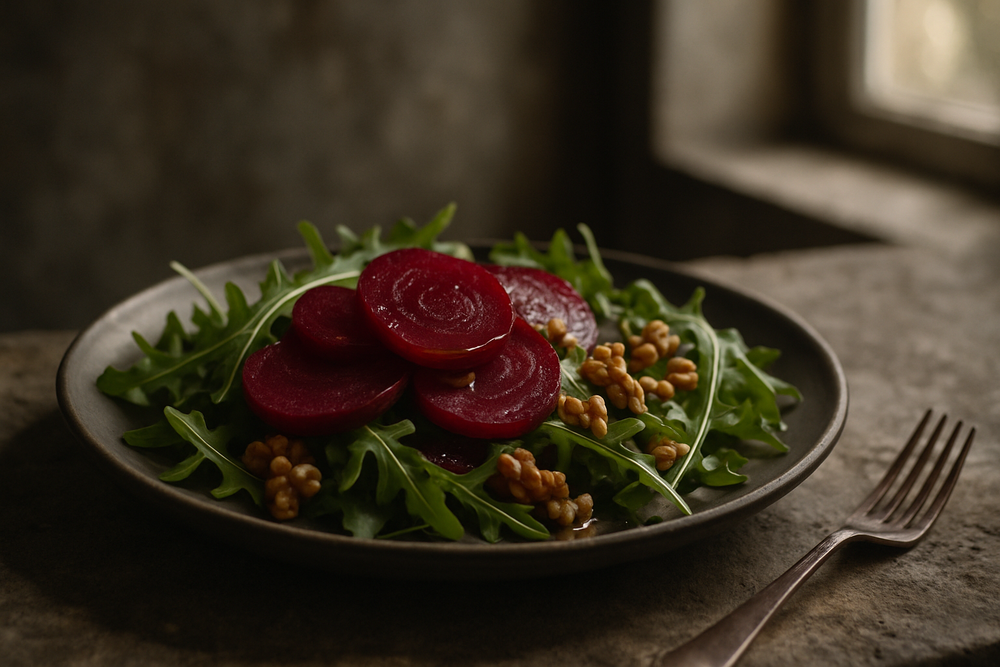
Beets · Photograph
Beetroot (Beta vulgaris) has earned attention as a nutritional powerhouse, packed with unique compounds that may support cardiovascular health and provide antioxidant benefits. This vibrant red root vegetable contains natural nitrates, betalains, and essential nutrients that research suggests could benefit your heart, circulation, and overall health.
Key Nutrients
% Daily Value based on 2,000 cal diet
Key active compounds in beetroot
Betalains (Primary antioxidants)
- Betanin: The dominant red pigment with potent antioxidant activity
- Betacyanins: Purple-red pigments unique to beetroot
- Betaxanthins: Yellow-orange pigments supporting cellular protection
Nitrates
- Inorganic nitrate (NO₃): Converts to nitric oxide, supporting blood vessel function
- Natural concentration varies by growing conditions and beetroot form
Polyphenols and flavonoids
- Tiliroside, astragalin, rhamnocitrin: Support antioxidant activity
- Phenolic compounds: Provide additional cellular protection
Other bioactives
- Saponins: Natural compounds with potential health benefits
- Carotenoids: Fat-soluble antioxidants
- Triterpenes: Additional antioxidant compounds
Buying guide: choosing the best form of beetroot
Fresh whole beetroot
- Highest fiber content
- Complete nutrient profile
- Lower nitrate bioavailability than juice
- Best for: Those wanting complete nutrition and fiber benefits
Beetroot juice (fresh)
- Higher nitrate concentration
- Better absorption of active compounds
- No fiber content
- Best for: Cardiovascular support focus
Fermented beetroot juice
- Enhanced betalain content compared to fresh juice
- Potential probiotic benefits
- Stronger flavor profile
- Best for: Maximum antioxidant potential
Beetroot powder/supplements
- Concentrated and convenient
- Variable quality between brands
- Check for third-party testing
- Best for: Consistent daily intake
Label tips:
- Look for organic when possible (beetroot can concentrate pesticides)
- Avoid added sugars in juices
- Check nitrate content if listed
- Choose glass containers over plastic for juices
Common pairings that enhance beetroot benefits
Beetroot + citrus fruits The vitamin C in citrus may help preserve beetroot's nitrates and enhance iron absorption from beetroot. Try beetroot juice with a squeeze of lemon or pair roasted beetroot with orange segments.
Beetroot + leafy greens Combining beetroot with spinach or arugula creates a nitrate-rich combination that may provide enhanced cardiovascular benefits. The varied nutrient profiles complement each other well.
Beetroot + healthy fats Pairing beetroot with nuts, seeds, or olive oil may improve absorption of fat-soluble compounds like carotenoids. Try beetroot salad with walnuts or drizzle roasted beetroot with olive oil.
Bottom line on beetroot health benefits
Beetroot offers a unique combination of nitrates, betalains, and essential nutrients that research suggests may support cardiovascular health and provide antioxidant benefits. The strongest evidence supports potential blood pressure benefits through natural nitrate content, while the antioxidant properties of betalains show promise for reducing inflammation markers.
The key is choosing the right form for your goals—juice for concentrated nitrates, whole beetroot for complete nutrition and fiber, or fermented varieties for enhanced betalains. Start with small amounts to assess tolerance, especially since beeturia affects many people.
While beetroot can be a valuable addition to a healthy diet, it works best as part of an overall heart-healthy lifestyle including regular exercise, stress management, and a varied diet rich in fruits and vegetables.
Ready to incorporate more functional foods into your daily routine? Explore our meal planner to discover personalized ways to add beetroot and other nutrient-dense ingredients to your diet.
How Beets Compares
| Compared with | What's different |
|---|---|
| Beets vs. Radish | Radishes have a peppery, spicy bite compared to the earthy, sweet profile of beets. |
| Beets vs. Golden Beet | Golden beets are milder and sweeter, lacking the intense earthiness and red staining pigments. |
| Beets vs. Turnip | Turnips have a sharper, cruciferous taste and provide more Vitamin C but less folate than beets. |
Health Benefits
Things to Know
Begin with 1/4 to 1/2 cup juice or 1 small beetroot
Monitor for beeturia (harmless red urine)
Some people experience digestive upset with large amounts
May enhance blood pressure medication effects
Consult your doctor if taking antihypertensive drugs
Avoid with phosphodiesterase-5 inhibitors without medical supervision
Pregnancy and breastfeeding: Food amounts generally safe, consult provider for supplements
Kidney stones: Contains oxalates, limit if you have a history of oxalate stones
Blood sugar: Monitor if diabetic, as beetroot contains natural sugars
Take on an empty stomach for better nitrate absorption
Effects may be most noticeable 2-3 hours after consumption
Some people prefer morning intake to avoid potential sleep disruption
Best Forms
Those wanting complete nutrition and fiber benefits
Cardiovascular support focus
Maximum antioxidant potential
Consistent daily intake
Shop This Ingredient
Stock your pantry with quality beets.
Buy on AmazonAs an Amazon Associate, Plantopedia earns from qualifying purchases. This costs you nothing extra and helps us keep the encyclopedia free.
Frequently Asked Questions
Heart and circulation The most researched area for beetroot health benefits involves cardiovascular support. The natural nitrates in beetroot convert to nitric oxide through a process that doesn't require oxygen, potentially supporting blood vessel function and healthy circulation. Research suggests this may help support normal blood pressure levels, though individual responses vary significantly. The potassium content also supports heart rhythm regulation and muscle function, while the betalains may help protect blood vessels from oxidative stress. Digestive health and microbiome Beetroot's fiber content supports regular bowel movements and may help feed beneficial gut bacteria. The betalains might also provide antioxidant protection to the digestive tract, though more human research is needed to confirm these effects. Raw beetroot provides more fiber than juice forms, making whole beetroot particularly beneficial for digestive health. Blood sugar and metabolism Early research suggests beetroot's fiber and antioxidant compounds might help support healthy blood sugar responses, though this area needs more human studies. The natural sugars in beetroot are balanced by fiber and other nutrients that may help moderate absorption. Inflammation and recovery The betalains in beetroot demonstrate impressive antioxidant activity in laboratory studies—some research shows betanin has ten times higher antioxidant activity than vitamin E. This suggests potential benefits for reducing inflammation markers, though more human clinical trials are needed to confirm these effects in real-world settings. Some athletes use beetroot juice for recovery support, though evidence for performance benefits remains mixed.
General guidance: Start with 1/4 to 1/2 cup (60-120ml) beetroot juice daily Whole beetroot: 1 small to medium beetroot (about 100g) Beetroot powder: Follow manufacturer instructions, typically 1-2 teaspoons Progression approach: Week 1: Start with smallest recommended amount Week 2: Increase gradually if well-tolerated Ongoing: Find your optimal amount based on response and tolerance Maximum considerations: Most research uses up to 250ml (about 1 cup) beetroot juice Higher amounts don't necessarily provide additional benefits Individual tolerance varies significantly Remember that consistency matters more than large single doses. Daily moderate amounts tend to work better than occasional large servings.
Quick Answers
Common questions, answered in a line.
Juice is the best form of beetroot for cardiovascular support because it contains a higher nitrate concentration and allows for better absorption of active compounds. Fresh beetroot juice provides these benefits without fiber, allowing for more efficient delivery of heart-healthy nitrates.
Beetroot contains betalains, such as betanin and betacyanins, which provide potent antioxidant activity and may help reduce inflammation markers. These unique pigments, along with polyphenols and flavonoids like tiliroside, support cellular protection throughout the body.
Pairing beetroot with citrus fruits like lemon or orange can help preserve natural nitrates and enhance the absorption of iron. Combining it with healthy fats like olive oil or nuts also improves the intake of fat-soluble nutrients like carotenoids.
Beetroot may enhance the effects of blood pressure medications, so individuals taking antihypertensive drugs should consult a doctor before increasing their intake. It is also advised to avoid beetroot in combination with phosphodiesterase-5 inhibitors without medical supervision.
People with a history of kidney stones should limit beetroot intake because it contains oxalates, which can contribute to stone formation. Additionally, those with diabetes should monitor their blood sugar levels due to the vegetable's natural sugar content.
Fermented beetroot juice provides the maximum antioxidant potential because it has an enhanced betalain content compared to fresh juice. It also offers potential probiotic benefits and a stronger flavor profile for those focused on cellular protection.
Beeturia is a harmless condition where the consumption of beets causes urine to turn red or pink. It affects many people and is simply a sign of how the body processes the vegetable's pigments.
For Readers in the USA
Local context — sourcing, seasonality, and regional notes.
Beets are available in U.S. grocery stores year-round, but their peak seasons are spring and fall in most regions. While California and Texas produce them throughout the winter, northern states typically harvest them from July through late October before the ground freezes.
You can find fresh beets at major U.S. retailers like Whole Foods, Kroger, and Safeway, as well as at local farmers markets during the harvest season. Look for the USDA Organic seal if you want to avoid synthetic pesticides, as root vegetables can absorb soil residues.
Golden beets and Chioggia (candy-striped) beets are popular American heirloom varieties known for a milder, sweeter flavor than the common red Detroit Dark Red. These varieties are highly sought after in U.S. farm-to-table cooking because they do not bleed color as intensely as red beets.
While the FDA does not strictly regulate nitrate levels in beet supplements, U.S. consumers should look for products with 'NSF Certified for Sport' or 'USP' seals to ensure purity. These third-party certifications help verify that the powder or juice contains what is listed on the label without harmful contaminants.
AI Clinical Review
- Explains well that beetroot’s nitrates convert to nitric oxide, which can support blood vessel function and modestly lower blood pressure in some adults, typically peaking 2–3 hours after intake. • Accurately distinguishes forms: whole beets for fiber and broader nutrition vs juice/powder for higher, more readily absorbed nitrate content. • Highlights betalains as antioxidant pigments and fairly presents them as promising rather than proven for inflammation. • Covers practical basics like starting with small amounts and recognizing harmless beeturia (red urine/stool).
- Anti‑inflammatory and “recovery” benefits are based mostly on lab studies and short, small human trials; effects on meaningful clinical outcomes remain uncertain. • Exercise performance findings are mixed and context‑dependent (dose, timing, fitness level, and sport type). • Claims around microbiome effects and fermented beet products (e.g., beet kvass) need more rigorous human research. • Blood sugar and metabolic benefits are preliminary; evidence does not yet support using beetroot as a primary glycemic control strategy.
- Typical study doses: about 250–500 mL beetroot juice or 70–140 mL concentrated “shots” (≈4–8 mmol nitrate). Many people start at 60–120 mL/day and adjust to tolerance. • Safety: Beetroot can lower blood pressure—check with a clinician if you use antihypertensives, have low BP, or take PDE‑5 inhibitors. Consider potassium load in advanced kidney disease or with potassium‑sparing meds. High oxalate content—limit if you form calcium‑oxalate kidney stones. • Practical tips: Benefits rely on oral bacteria for nitrate conversion; strong antibacterial mouthwash near dosing can blunt effects. Nitrate content varies widely by brand and batch—look for third‑party testing and avoid added sugars in juices. • Common, benign effects include beeturia and occasional GI upset; reduce dose or take with food if sensitive.
Frame as food education, not disease treatment.
References
- USDA FoodData Central beetroot nutrition data (fdc.nal.usda.gov)
- Functional properties of beetroot in nutrition and disease - PMC review (pmc.ncbi.nlm.nih.gov)
- Current knowledge on beetroot bioactive compounds - PMC (pmc.ncbi.nlm.nih.gov)
- Red beetroot composition and health effects review (clinmedjournals.org)
- NIH National Center for Complementary and Integrative Health on dietary supplements (nccih.nih.gov)
- Analysis of nutritional composition of beetroot powder (thepharmajournal.com)
- Mayo Clinic beetroot and blood pressure information (mayoclinic.org)
- Evaluating bioactive compounds of beetroot and their properties (pdfs.semanticscholar.org)
Know Your Numbers
Eating healthy is a start. Now get to know your biomarkers.
Food changes bloodwork — inflammation, lipids, blood sugar and nutrient status all respond to what you eat. 59 markers from $59.
- Results in 7–10 days at 2,000+ Quest sites
- Licensed provider reviews every result
- One flat price, no membership, HSA/FSA eligible
Educational information only, not medical advice. Panels are ordered and reviewed through our licensed partner; Plantopedia may earn a commission.