Black pepper is the "King of Spices" for a reason. Driven by the bioactive piperine, it acts as a powerful bioenhancer that can increase nut
Flavor-first apothecary angle; use food amounts rather than supplement claims
The Short Answer
Black pepper contains the bioactive compound piperine, which acts as a bioenhancer to significantly increase the absorption of nutrients like turmeric's curcumin. Just one teaspoon provides 5% of your daily manganese and 2% of your Vitamin K.

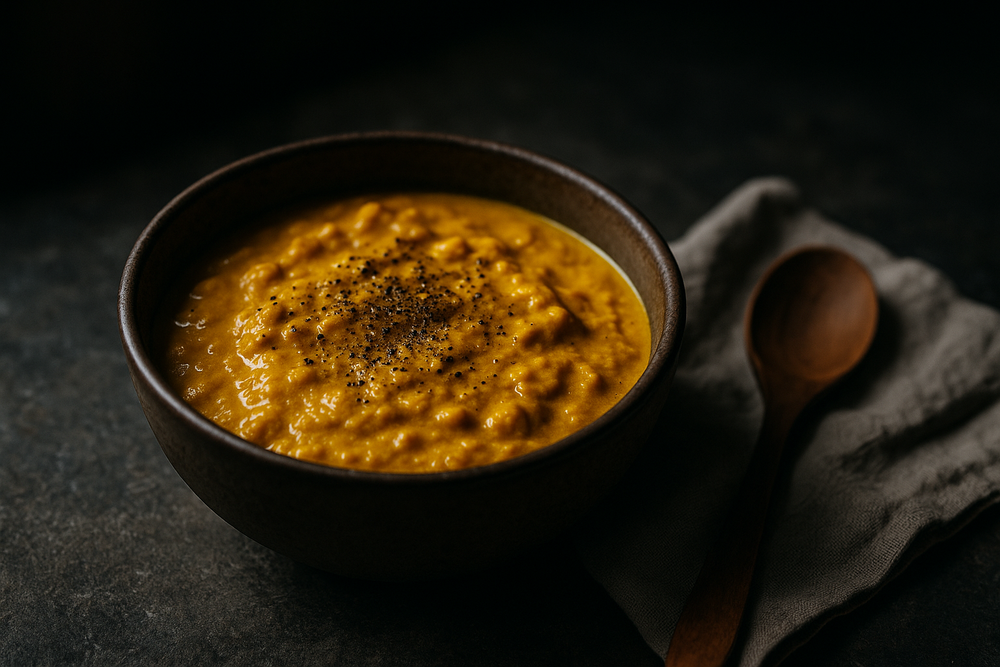
Black Pepper · Photograph
In a world of expensive supplements, black pepper is a cost-effective "force multiplier." Its ability to increase the bioavailability of curcumin transforms a standard meal into a therapeutic one. By improving how we absorb what we eat, black pepper ensures that the vitamins and minerals in our diet are utilized efficiently rather than simply passing through the digestive tract.
Key Nutrients
% Daily Value based on 2,000 cal diet
Key Takeaways
- 1. Piperine, the primary alkaloid in black pepper, dramatically increases the bioavailability of other nutrients, most notably curcumin from turmeric.
- 2. Research indicates potential for improving cholesterol profiles by lowering LDL and triglycerides while raising HDL.
- 3. Stimulates digestive enzymes and helps break down dietary fats for better gastrointestinal efficiency.
- 4. High concentrations of piperine and flavonoids help neutralize free radicals and reduce markers of oxidative stress.
- 5. Most effective when freshly ground and paired with healthy fats or colorful vegetables rich in beta-carotene.
Why Black Pepper Health Benefits Matter
In a world of expensive supplements, black pepper is a cost-effective "force multiplier." Its ability to increase the bioavailability of curcumin transforms a standard meal into a therapeutic one. By improving how we absorb what we eat, black pepper ensures that the vitamins and minerals in our diet are utilized efficiently rather than simply passing through the digestive tract.
Key Active Compounds in Black Pepper
- Piperine: The lead bioactive responsible for heat and nutrient bioenhancement.
- $\beta$-Caryophyllene: A terpene that interacts with the body's inflammatory pathways.
- Limonene: A monoterpene that supports antioxidant activity and phase II detoxification.
- Quercetin & Kaempferol: Flavonoids that provide cellular protection against oxidative damage.
- Pinene (Alpha & Beta): Aromatic compounds with potential antimicrobial properties.
Prep and Pairing Ideas
- The "Golden" Rule: Always add a generous crack of black pepper to turmeric-based dishes like curries or golden milk.
- The Fat Factor: Pair pepper with avocado, olive oil, or grass-fed butter to aid in the absorption of its fat-soluble compounds.
- Fruit Twist: Try a light sprinkle on strawberries or mango to experience how the piperine enhances the fruit's natural sweetness and antioxidant uptake.
Conclusion
Black pepper health benefits extend far beyond its role as a simple seasoning. The research-backed effects of piperine on cholesterol levels, inflammation markers, and nutrient absorption make black pepper a valuable addition to a health-focused diet. The beauty of black pepper lies in its accessibility and versatility. Unlike expensive superfoods, black pepper is affordable, widely available, and easy to incorporate into daily meals.
Whether you're looking to enhance the absorption of other supplements, support cardiovascular health, or simply add more antioxidants to your diet, black pepper offers a simple, science-backed option. Start with normal culinary amounts and pay attention to how your body responds. For most people, regular use of freshly ground black pepper in cooking provides an easy way to access these potential health benefits.
How Black Pepper Compares
| Compared with | What's different |
|---|---|
| Black Pepper vs. White Pepper | Harvested from the same plant but fermented and dried to develop heat and piperine. |
| Black Pepper vs. Pink Peppercorns | Sweeter and milder with no piperine; comes from a different plant family entirely. |
| Black Pepper vs. Green Peppercorns | Immature berries preserved in brine or vinegar, offering a fresh, tart, and less spicy profile. |
Health Benefits
Things to Know
Medication Interactions: Piperine can slow the metabolism of certain drugs (like blood thinners or anti-seizure meds), making them more potent. Consult a physician if on prescription medication.
Digestive Sensitivity: High doses can irritate the stomach lining or cause heartburn in sensitive individuals.
Vitamin K Content: While small, the vitamin K in pepper should be noted by those on specific anticoagulant therapies.
Common Uses
- —Specifically paired with turmeric and fat-soluble vitamins (A, D, E, K) to maximize their uptake.
- —Integrated into heart-healthy diets to assist in managing lipid levels and arterial health.
- —Used in culinary preparations to ease heavy meals and stimulate hydrochloric acid in the stomach.
- —Added to soups, stews, and marinades to provide a daily dose of protective plant compounds.
Best Forms
The best choice. Grinding at the moment of consumption preserves volatile essential oils and piperine potency.
Standardized (95%+) extracts are used primarily for high-level bioenhancement, usually in tandem with turmeric.
Convenient but loses its aromatic and medicinal potency quickly when exposed to air and light.
Prep Ideas
- — The "Golden" Rule: Always add a generous crack of black pepper to turmeric-based dishes like curries or golden milk.
- — The Fat Factor: Pair pepper with avocado, olive oil, or grass-fed butter to aid in the absorption of its fat-soluble compounds.
- — Fruit Twist: Try a light sprinkle on strawberries or mango to experience how the piperine enhances the fruit's natural sweetness and antioxidant uptake.
Glossary
Shop This Ingredient
Stock your pantry with quality black pepper.
Buy on AmazonAs an Amazon Associate, Plantopedia earns from qualifying purchases. This costs you nothing extra and helps us keep the encyclopedia free.
Frequently Asked Questions
Black pepper may help support heart health by improving cholesterol levels, reducing inflammation markers, and enhancing the absorption of other nutrients. The compound piperine is responsible for most of these benefits. It also acts as an antioxidant, protecting your cells from oxidative stress and supporting the body's natural defense systems.
For general health, one to two teaspoons of ground black pepper daily in food is safe and beneficial. If using piperine supplements, typical doses range from 5 to 20mg per day, but you should start with lower amounts. Always use freshly ground pepper to ensure you get the maximum essential oils.
Research suggests black pepper may support digestion by helping break down fats and enhancing nutrient absorption. It stimulates the secretion of digestive enzymes and hydrochloric acid in the stomach. It is particularly effective at increasing the bioavailability of other compounds, such as curcumin from turmeric, making your entire meal more nutritionally accessible.
Studies show that piperine in black pepper may help reduce inflammatory markers, such as C-reactive protein, and increase antioxidant enzymes, particularly in people with metabolic concerns. Neutralizing free radicals helps suppress the chronic inflammatory responses that can lead to long-term health issues, making it a powerful tool for systemic wellness.
Black pepper is generally safe in culinary amounts. However, concentrated piperine supplements may interact with certain medications by significantly enhancing their absorption, which can be dangerous for drugs with narrow therapeutic windows. You should consult your healthcare provider if you take prescription drugs before starting any high-dose piperine or black pepper extract.
Yes, research shows that piperine can increase curcumin bioavailability. This occurs because piperine inhibits the metabolic pathway that would normally eliminate curcumin from the body too quickly. This is why many turmeric supplements include black pepper extract and why the spices are traditionally paired in health-focused cooking.
Quick Answers
Common questions, answered in a line.
Piperine is the primary bioactive compound in black pepper responsible for its characteristic heat and its role as a nutrient bioenhancer. By acting as a "force multiplier," piperine improves how the body absorbs vitamins, minerals, and other beneficial plant compounds.
Black pepper interacts with turmeric by significantly increasing the bioavailability of curcumin, transforming a standard meal into a therapeutic one. This synergistic relationship, often called the "Golden Rule," helps the body utilize curcumin more efficiently.
Black pepper may affect certain medications because the compound piperine can slow the metabolism of specific drugs, such as blood thinners or anti-seizure medications. This can make these medications more potent in the body, so you should consult a physician if you are on prescriptions.
Black pepper contains several key active compounds beyond piperine, including terpenes like β-Caryophyllene, Limonene, and Pinene, and flavonoids like Quercetin and Kaempferol. These components contribute to antioxidant activity, antimicrobial properties, and cellular protection.
To maximize nutrient absorption, black pepper should be paired with healthy fats such as avocado, olive oil, or grass-fed butter. Adding pepper to these fats helps the body absorb its specific fat-soluble compounds and other fat-soluble vitamins like A, D, E, and K.
Black pepper is known as a "force multiplier" because it ensures that the vitamins and minerals in your diet are utilized efficiently rather than simply passing through the digestive tract. It acts as a bioenhancer that increases the uptake of nutrients and other supplements.
For Readers in the USA
Local context — sourcing, seasonality, and regional notes.
While the US is a leading importer, commercial cultivation is largely restricted to tropical regions like Hawaii and South Florida (USDA Zone 11+). Most black pepper sold in US grocery stores is sourced from Vietnam, India, or Indonesia because the plant requires high humidity and temperatures that mainland US climates cannot provide year-round.
Black pepper is a staple in every major US grocery chain, from budget-friendly retailers like Walmart and Aldi to premium markets like Whole Foods and Sprouts. Specialty spice shops and high-end grocers often carry regional varieties like Tellicherry or Malabar, which are prized for their larger peppercorns and complex flavor profiles.
In the US, "tellicherry" refers to larger, more mature peppercorns that are often considered higher grade by culinary enthusiasts. While most Americans use standard "table grind," chefs and health-conscious consumers often prefer purchasing whole peppercorns to grind at home, as this preserves the volatile oils and bioactives like piperine better than pre-ground versions.
The USDA Organic seal on black pepper ensures the spice was grown without synthetic pesticides or irradiation, which is a common sterilization method for imported spices. The FDA oversees the safety of spice imports, ensuring that black pepper meets strict standards for contaminants like salmonella or heavy metals before it reaches US shelves.
AI Clinical Review
- Black pepper’s key alkaloid, piperine, can act as a “bioenhancer.” In human studies, adding purified piperine to curcumin markedly increases curcumin’s blood levels, which helps explain the traditional turmeric–pepper pairing.
- Culinary use is a practical, affordable way to include black pepper; freshly grinding preserves more of its volatile aroma compounds.
- Early clinical work suggests piperine may modestly improve some lipid and inflammation markers in people with metabolic concerns.
- The article correctly frames black pepper as a complement to a healthy diet rather than a standalone cure.
- Many benefits come from studies using standardized piperine extracts, not typical amounts of pepper used in food; it’s uncertain how much everyday seasoning reproduces those effects.
- Cardiometabolic outcomes (cholesterol, blood sugar, blood pressure, clinical events) lack large, long-duration randomized trials; some positive findings come from small or multi-ingredient studies.
- Digestive and microbiome claims are based largely on animal, cell, or short-term human data; mechanisms in real-world eating patterns remain to be confirmed.
- Reported percentages of specific compounds and antioxidant content vary by cultivar, processing, and storage, so exact figures may not generalize.
- Typical culinary amounts (for many people, about 1/4–1/2 tsp per day, adjusted to tolerance) are generally safe; larger intakes may trigger heartburn or GI irritation—use with food and monitor symptoms.
- Medication interactions: piperine can inhibit drug-metabolizing pathways (e.g., CYP3A4 and P-gp), potentially raising levels of certain medicines (e.g., anticoagulants, immunosuppressants, calcium-channel blockers, antiretrovirals, and others). If you take prescription meds or have a narrow therapeutic window drug, check with your clinician before using piperine-containing supplements.
- Pregnancy and breastfeeding: stick to culinary amounts; the safety of high-dose piperine extracts hasn’t been established.
- Essential oils and concentrated extracts aren't the same as the spice; ingesting essential oils isn’t advised without professional guidance due to their potency and risk of mucosal irritation. Black pepper contributes only small amounts of vitamins/minerals at usual intakes; its principal value is flavor plus possible bioenhancement.
Use culinary framing; avoid treatment claims or supplement-dose guidance.
References
- USDA FoodData Central - Black pepper nutrition data (fdc.nal.usda.gov)
- Biomedical Applications of Black Pepper review (biomedres.us)
- PMC research on bioactive properties of black pepper (pmc.ncbi.nlm.nih.gov)
- Black pepper and health claims comprehensive review (pubmed.ncbi.nlm.nih.gov)
- NIH National Center for Complementary and Integrative Health - Spices for health (nccih.nih.gov)
- Mayo Clinic - Spices and heart health (mayoclinic.org)
- Healthline nutrition analysis of black pepper (healthline.com)
Know Your Numbers
Eating healthy is a start. Now get to know your biomarkers.
Food changes bloodwork — inflammation, lipids, blood sugar and nutrient status all respond to what you eat. 59 markers from $59.
- Results in 7–10 days at 2,000+ Quest sites
- Licensed provider reviews every result
- One flat price, no membership, HSA/FSA eligible
Educational information only, not medical advice. Panels are ordered and reviewed through our licensed partner; Plantopedia may earn a commission.