Cumin seeds are a nutritional powerhouse known for their exceptional iron content and digestive-supporting essential oils. Discover how cumi
Flavor-first apothecary angle; use food amounts rather than supplement claims
The Short Answer
Cumin is an earthy, aromatic spice prized for its high iron content and digestive benefits. It contains cuminaldehyde, which stimulates digestive enzymes to help process proteins and fibers more efficiently.

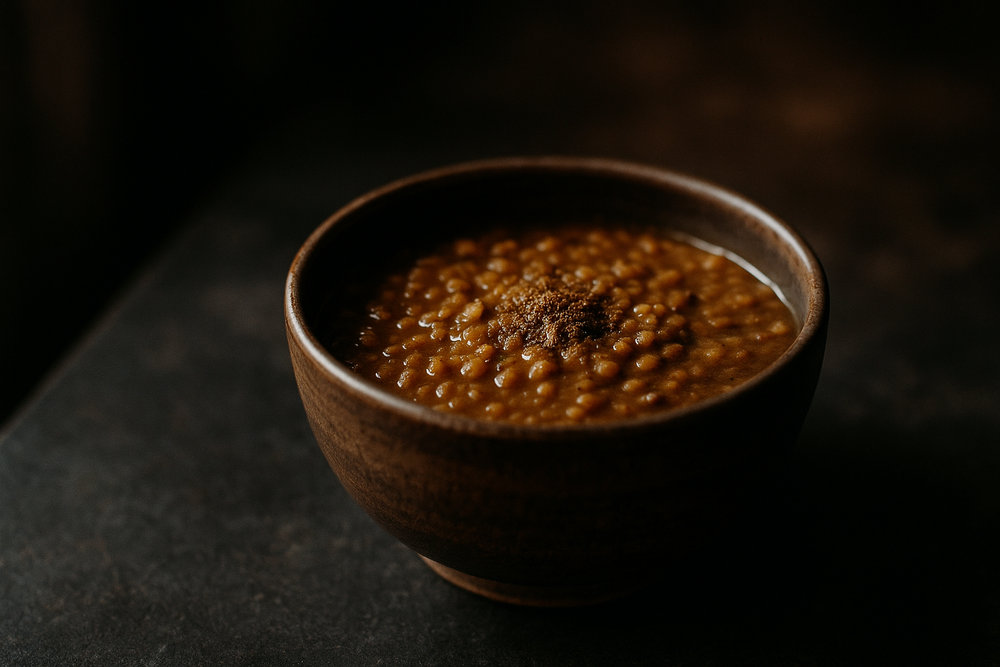
Cumin · Photograph
In the landscape of modern nutrition, cumin is a practical tool for addressing mineral deficiencies and inflammatory stress. Its high iron content is critical for oxygen transport and immune function, while its suite of flavonoids helps mitigate oxidative damage from environmental pollutants and processed diets. By facilitating better digestion of complex proteins and fibers, cumin helps the body maximize nutrient uptake while minimizing the discomfort often associated with high-fiber, plant-based eating patterns.
Key Nutrients
% Daily Value based on 2,000 cal diet
Key Takeaways
- 1. Provides roughly 1.3mg of iron per teaspoon, making it one of the most concentrated plant-based sources of this essential mineral.
- 2. Contains cuminaldehyde, which triggers the secretion of pancreatic enzymes and bile to assist in nutrient breakdown.
- 3. Loaded with flavonoids like apigenin and luteolin that help neutralize free radicals and combat systemic inflammation.
- 4. Traditionally used to relax the digestive tract, helping to alleviate gas, bloating, and gastrointestinal discomfort.
- 5. Features plant sterols, such as \beta-sitosterol, that may help maintain healthy cholesterol levels by inhibiting absorption.
Why Cumin Health Benefits Matter for Modern Wellness
In the landscape of modern nutrition, cumin is a practical tool for addressing mineral deficiencies and inflammatory stress. Its high iron content is critical for oxygen transport and immune function, while its suite of flavonoids helps mitigate oxidative damage from environmental pollutants and processed diets. By facilitating better digestion of complex proteins and fibers, cumin helps the body maximize nutrient uptake while minimizing the discomfort often associated with high-fiber, plant-based eating patterns.
Key Active Compounds
- Cuminaldehyde: The primary volatile oil that stimulates digestive secretions and offers antimicrobial potential.
- Flavonoids: Including quercetin and catechin, which provide robust antioxidant and anti-inflammatory support.
- \beta-sitosterol: A phytosterol that competes with cholesterol for absorption in the small intestine.
- Luteolin & Apigenin: Specialized plant pigments studied for their ability to modulate immune responses.
- Manganese & Magnesium: Essential trace minerals required for bone structure and enzyme cofactor regulation.
Conclusion
Cumin is a versatile and nutritionally dense spice that offers profound support for digestion, mineral status, and antioxidant defense. Its ability to stimulate essential digestive enzymes and provide a significant source of plant-based iron makes it a cornerstone of functional nutrition.
By prioritizing whole seeds and intentional food pairings, you can effectively use this ancient spice to enhance your metabolic health and digestive resilience. Want to create meal plans that maximize the benefits of cumin? Try our meal planner to design cumin-rich dishes that support your health goals.
How Cumin Compares
| Compared with | What's different |
|---|---|
| Cumin vs. Fennel Seed | Milder, sweeter flavor with a distinct licorice-like aroma compared to cumin's earthy bitterness. |
| Cumin vs. Coriander | Citrusy and floral notes; cumin is warmer, nuttier, and significantly higher in iron. |
| Cumin vs. Caraway Seed | Smaller and darker seeds with a sharp, cooling anise flavor used primarily in European baking. |
Health Benefits
Things to Know
Iron Overload Precautions: Due to its extreme iron density, individuals with hemochromatosis or other iron-storage conditions should monitor their intake of cumin.
Apiaceae Family Allergies: If you are allergic to celery, parsley, or fennel, use cumin cautiously as cross-reactivity is possible within this plant family.
Anticoagulant Interactions: Because of its high flavonoid content, cumin may theoretically enhance the effects of blood-thinning medications. Consult your doctor if you take these medications.
Sodium Sensitivity: Cumin naturally contains about 24mg of sodium per teaspoon. While low, this should be factored into strict sodium-controlled diets.
The Bioavailability Booster: Pair cumin with Vitamin C-rich foods like lime juice or tomatoes. Vitamin C helps convert the non-heme iron in cumin into a more absorbable form.
The Legume Companion: Always add cumin to lentils, chickpeas, or beans. The carminative oils help the body digest the complex oligosaccharides in beans, which are typically the cause of gas.
The Digestive Infusion: Steep crushed cumin seeds in hot water with a slice of ginger for a potent digestive tea that supports gut comfort after a large meal.
Culinary Target: 1-3 teaspoons (3-9g) daily is the typical range for accessing health benefits through cooking.
Initial Dosing: Start with 1/2 teaspoon daily to help your digestive system adapt to the volatile oils.
Storage Advice: Whole seeds remain potent for up to 24 months when stored in a cool, dark place, whereas ground powder should be replaced twice a year for maximum benefit.
Common Uses
- —Often consumed as a post-meal tea or added to heavy dishes to prevent bloating and support gut motility.
- —Frequently used in vegetarian and vegan diets to help meet daily iron requirements naturally.
- —Integrated into spice blends to enhance the flavor of heart-healthy, low-sodium meals.
- —Utilized for its mineral content (magnesium and manganese) to support bone health and cellular energy production.
Active Compounds
The primary volatile oil that stimulates digestive secretions and offers antimicrobial potential.
Including quercetin and catechin, which provide robust antioxidant and anti-inflammatory support.
A phytosterol that competes with cholesterol for absorption in the small intestine.
Specialized plant pigments studied for their ability to modulate immune responses.
Essential trace minerals required for bone structure and enzyme cofactor regulation.
Best Forms
The gold standard. Whole seeds protect the volatile oils from air and light, preserving the highest levels of cuminaldehyde and antioxidants.
Lightly toasting whole seeds in a dry pan for 30 seconds before grinding releases the essential oils and maximizes both flavor and bioactive potency.
Convenient for daily use, but ensure it is stored in a dark, airtight container and used within six months to avoid rancidity of its natural oils.
Prep Ideas
- — The Bioavailability Booster: Pair cumin with Vitamin C-rich foods like lime juice or tomatoes. Vitamin C helps convert the non-heme iron in cumin into a more absorbable form.
- — The Legume Companion: Always add cumin to lentils, chickpeas, or beans. The carminative oils help the body digest the complex oligosaccharides in beans, which are typically the cause of gas.
- — The Digestive Infusion: Steep crushed cumin seeds in hot water with a slice of ginger for a potent digestive tea that supports gut comfort after a large meal.
Glossary
Shop This Ingredient
Stock your pantry with quality cumin.
Buy on AmazonAs an Amazon Associate, Plantopedia earns from qualifying purchases. This costs you nothing extra and helps us keep the encyclopedia free.
Frequently Asked Questions
Cumin may support digestive health through its carminative properties and its essential oils, which can stimulate digestive enzymes. It's also rich in antioxidant flavonoids that may help reduce inflammation and support heart health. However, most benefits are based on traditional use and emerging research rather than definitive human clinical trials.
For culinary use, 1-3 teaspoons (3-9g) of whole or ground cumin daily is typical and safe. There's no established therapeutic dose since high-quality human studies are limited. Start with smaller amounts, such as 1/2 teaspoon, and increase gradually to assess tolerance, ensuring the high iron content suits your specific health needs.
Whole cumin seeds are generally preferred because they retain volatile oils and phytochemicals better than ground powder. Whole seeds are also more shelf-stable and less likely to be adulterated. You can toast and grind them fresh for optimal flavor and nutrient content, which ensures you receive the highest concentration of cuminaldehyde.
Cumin is generally safe for most people in culinary amounts. However, it's very high in iron (829% RDA per 100g), which could be problematic for those with iron overload disorders. It's also relatively high in sodium. People with Apiaceae family allergies (like celery or fennel) should use caution when first starting.
Traditional use and emerging research suggest cumin may support digestion through its essential oils, particularly cuminaldehyde, which may stimulate digestive enzyme secretion and reduce gas. The seeds have carminative properties that may help with bloating and digestive discomfort, though more human studies are needed to confirm these specific clinical effects.
Quick Answers
Common questions, answered in a line.
Cumin provides a significant source of plant-based iron, which is critical for oxygen transport and immune function. Its high iron density makes it a practical tool for addressing mineral deficiencies, particularly in vegetarian or vegan diets.
Cumin contains flavonoids like quercetin and catechin, which help mitigate oxidative damage from environmental pollutants and processed diets. These specialized plant pigments provide robust antioxidant and anti-inflammatory support to the body.
Cumin contains the volatile oil cuminaldehyde, which stimulates essential digestive secretions and enzymes. This process facilitates the better digestion of complex proteins and fibers, helping the body maximize nutrient uptake.
Cumin contains β-sitosterol, a phytosterol that competes with cholesterol for absorption in the small intestine. It also contains flavonoids that may theoretically influence blood-thinning medications, supporting heart health through various metabolic pathways.
To improve the bioavailability of the non-heme iron in cumin, you should pair it with Vitamin C-rich foods like lime juice or tomatoes. This combination helps convert the mineral into a form that is more easily absorbed by the body.
Cumin is a natural source of manganese and magnesium, two essential trace minerals required for bone structure. These minerals also act as necessary enzyme cofactors for regulating various cellular processes.
Adding cumin to legumes like lentils or beans helps the body digest complex oligosaccharides, which are the typical cause of gas. Its carminative oils support gut comfort and motility when consuming high-fiber, plant-based meals.
While generally safe, cumin contains about 24mg of sodium per teaspoon. Individuals on strictly sodium-controlled diets should factor this natural sodium content into their daily intake calculations.
For Readers in the USA
Local context — sourcing, seasonality, and regional notes.
Cumin is widely available at major U.S. grocery chains like Kroger, Walmart, and Whole Foods, often found in the spice aisle as "comino" or cumin. For high-quality whole seeds or unique varieties like black cumin, specialty retailers like Penzeys Spices or local international markets are top choices.
While the U.S. imports most cumin from India and Mexico, home gardeners in USDA Hardiness Zones 5–9 can successfully grow cumin as long as they have a long, hot growing season. Seeds should be sown indoors in early spring since the plant requires roughly 120 days of warm weather to reach harvest.
In the U.S., cumin is a fundamental ingredient in Tex-Mex and Southwestern cuisines, where it provides the characteristic "earthy" flavor in chili powders and taco seasonings. It is also a staple in the growing domestic market for Indian and Middle Eastern cooking, such as in curries and falafel.
The FDA regulates cumin as a "Generally Recognized as Safe" (GRAS) spice, though it frequently monitors imports for potential lead contamination or undeclared allergens like peanut flour. Choosing USDA Organic certified cumin ensures the product was grown without synthetic pesticides or irradiation.
AI Clinical Review
- Accurately frames cumin as a flavor-first spice with potential functional benefits, while noting that high‑quality human trials are limited.
- Highlights plausible digestive effects tied to volatile compounds like cuminaldehyde and the carminative (gas‑reducing) tradition of use.
- Calls out cumin’s notable iron density for a spice and gives realistic culinary dosing (about 1–3 teaspoons/day) rather than “mega‑dose” claims.
- Sensibly favors whole seeds for aroma, potency, and shelf stability, with practical tips on toasting and fresh grinding.
- Digestive benefits (enzyme stimulation, reduced bloating) are biologically plausible, but controlled human studies are small or scarce; real‑world effects are likely modest.
- Cardiometabolic outcomes (cholesterol, blood sugar, weight) come mostly from small, short‑term trials using specific extracts or standardized powders; results can’t be assumed from typical cooking amounts.
- Antioxidant/anti‑inflammatory findings are largely from lab or animal models; translation to meaningful clinical endpoints in people remains uncertain.
- The contribution of cumin’s iron to overall status is unclear because spice portions are small and non‑heme iron absorption varies by the meal context.
- Dose/form: Culinary amounts (about 1/2–3 tsp daily) are generally well tolerated; concentrated extracts or essential oils deliver much higher exposures and should be used cautiously and ideally with professional guidance.
- Safety: Use caution if you have Apiaceae family allergies (celery, parsley, fennel). Those with iron‑overload conditions (e.g., hemochromatosis) should avoid high supplemental intakes. Pregnancy/lactation: stick to food amounts due to limited data at medicinal doses.
- Medications: If you take anticoagulants or diabetes medications, check with a clinician before using supplemental forms—interactions are theoretical, but prudent monitoring is wise.
- Labels and sourcing: Plain cumin is naturally low in sodium; higher sodium typically reflects seasoning blends that include salt. Choose reputable brands (whole seeds reduce adulteration risk) and confirm you’re buying Cuminum cyminum—not “black cumin” (Nigella sativa), which is a different plant.
Use culinary framing; avoid treatment claims or supplement-dose guidance.
References
- USDA FoodData Central - Cumin nutrition data (fdc.nal.usda.gov)
- PMC research review on cumin biochemical composition (pmc.ncbi.nlm.nih.gov)
- WebMD overview of cumin health benefits (webmd.com)
- Nutrition and You comprehensive cumin guide (nutrition-and-you.com)
- BBC Good Food cumin nutrition analysis (bbcgoodfood.com)
- Wikipedia cumin entry noting limited therapeutic evidence (en.wikipedia.org)
- NIH/NCCIH herbs database for safety information (nccih.nih.gov)
Know Your Numbers
Eating healthy is a start. Now get to know your biomarkers.
Food changes bloodwork — inflammation, lipids, blood sugar and nutrient status all respond to what you eat. 59 markers from $59.
- Results in 7–10 days at 2,000+ Quest sites
- Licensed provider reviews every result
- One flat price, no membership, HSA/FSA eligible
Educational information only, not medical advice. Panels are ordered and reviewed through our licensed partner; Plantopedia may earn a commission.