Black Tahini — health benefits and uses
Black sesame prized in TCM to nourish kidney and liver essence and darken hair.
The Short Answer
Black tahini is a nutrient-dense paste made from unhulled black sesame seeds, providing 180mg of calcium and 2.7mg of iron per 2-tablespoon serving. It offers a deeper, earthier flavour and higher antioxidant content than standard white tahini.
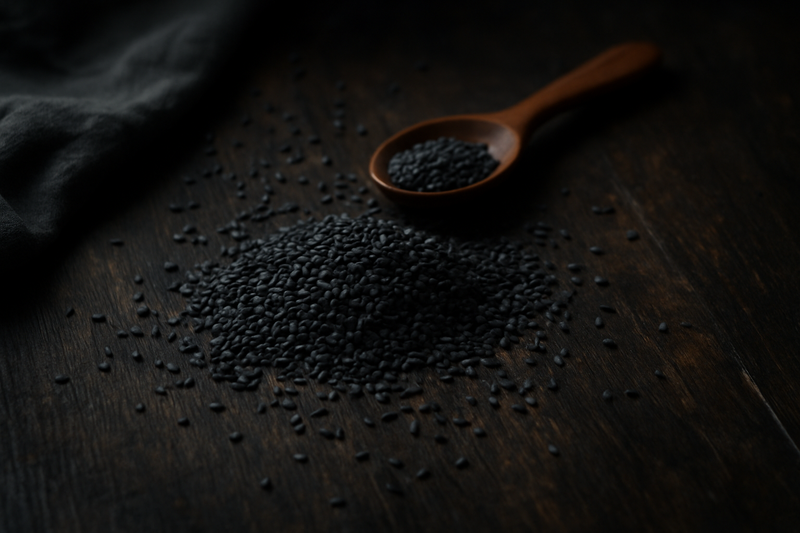
Black Tahini · Photograph
Discover black tahini health benefits and nutrition in this evidence-aligned guide. Learn about its calcium, iron, and antioxidant content, how it compares to regular tahini, safe daily amounts, and the best ways to use it in dressings and desserts.
Key Nutrients
% Daily Value based on 2,000 cal diet
Key active compounds
- Sesamin — The most studied sesame lignan. Human meta-analyses show it can reduce total cholesterol, LDL cholesterol ("bad" cholesterol), and systolic blood pressure when supplemented in controlled trials.
- Sesamolin — A structurally related lignan that contributes to antioxidant activity and may support healthy lipid (fat) metabolism, primarily shown in experimental studies.
- Sesamol — A phenolic compound (a type of antioxidant chemical) derived from sesame lignans during processing or metabolism. Helps protect fats in the paste from oxidation.
- Tocopherols — The family of compounds that includes Vitamin E. Present in sesame seeds and oils; help protect cell membranes from oxidative damage.
- Phytosterols — Plant sterols structurally similar to cholesterol. They compete with dietary cholesterol for absorption in the gut, which may modestly lower LDL cholesterol over time.
- Melanin-like pigments and polyphenols — The dark-coloured compounds concentrated in black sesame's hull. These give black tahini its distinctive colour and appear to provide stronger antioxidant capacity than the lighter compounds in white sesame varieties, based on comparative seed studies.
Prep and pairing ideas
Black tahini's depth of flavour makes it genuinely versatile once you move past expecting it to behave like peanut butter.
Dressings and sauces: Whisk 1 tablespoon of black tahini with lemon juice, a small clove of raw garlic, a pinch of salt, and warm water until smooth. The result is a striking dark grey dressing that works beautifully over roasted vegetables, grain bowls, or shredded cabbage. The lemon juice also boosts iron absorption — a practical nutritional pairing.
Desserts and sweet applications: Black tahini is the natural partner for chocolate, miso, and honey in desserts. Swirl a teaspoon through vanilla ice cream, stir it into brownie batter, or use it in black sesame halva. The slight bitterness balances sweetness well, similar to how dark chocolate works in baking.
Spreads and dips: Blend with roasted aubergine (eggplant), lemon, and cumin for a striking variation on baba ghanoush. Or simply spread a thin layer on wholegrain toast with sliced banana and a drizzle of maple syrup — the calcium and iron in the tahini pair with the potassium in the banana for a mineral-rich breakfast.
Common pairings and why they work
- Lemon juice — Vitamin C in lemon juice converts non-haem iron into a more absorbable form, directly improving the nutritional return from black tahini's iron content. It also brightens the flavour.
- Miso — Fermented miso introduces umami depth and beneficial bacteria that complement black tahini's earthiness in dressings and marinades; both are traditionally used in East Asian cuisines.
- Dark chocolate (70%+) — The bitterness of both ingredients harmonises in dessert applications; together they provide antioxidant polyphenols from two distinct sources (sesame lignans and cocoa flavanols).
Buying guide for black tahini
What to look for on the label
- Ingredient list: Should read "black sesame seeds" and nothing else. Some products add salt, which is fine in small quantities, but avoid products with added oils, stabilisers, or sugars if you want the most whole-food-aligned version.
- "Unhulled": Look for this word or confirmation that the seeds are whole/unpeeled. This is what distinguishes mineral-rich black tahini from lower-nutrient versions made with hulled seeds.
- Country of origin and organic certification: Sesame is sometimes grown with pesticide use; organic certification is worth considering if available and affordable to you.
Fresh, jarred, or homemade?
- Jarred (store-bought): The most practical option. Good-quality brands use a single ingredient and cold stone-grinding to preserve heat-sensitive antioxidants. Check the best-before date and buy from stores with good turnover.
- Homemade: If you have a high-powered blender or food processor, you can grind lightly toasted black sesame seeds into paste at home. This gives you full control over freshness, though achieving a truly smooth texture requires patience.
- Frozen: Not commonly sold frozen, but if you make a large batch at home, it freezes well in small portions (ice cube trays work well) for up to three months.
How to store black tahini to prevent rancidity
Black tahini's unsaturated fats are vulnerable to oxidation — a chemical reaction triggered by heat, light, and air that produces off-flavours and potentially harmful compounds. To slow this:
- Refrigerate after opening. Cold temperatures significantly slow oxidation.
- Keep in a dark glass or opaque jar. Light accelerates fat degradation.
- Use a clean, dry spoon every time to avoid introducing moisture.
- Stir well before use — natural oil separation is normal and not a sign of spoilage; rancidity smells noticeably unpleasant (sharp, paint-like, or stale).
- Use within 3–6 months of opening for best quality.
Bottom line
Black tahini is one of the most nutrient-dense seed butters available — and one of the most underused. Made from whole, unhulled black sesame seeds, it delivers more calcium, more fibre, and a richer antioxidant profile than standard white tahini, making it a genuinely useful ingredient for anyone eating mostly plants.
The evidence base supporting sesame for heart health — reductions in cholesterol, triglycerides, and blood pressure — is among the stronger dietary records in plant-food research, even if specific clinical trials on black tahini as an isolated ingredient are still limited. Its lignan compounds, unsaturated fats, minerals, and dark polyphenol pigments work together in a way that no single supplement replicates.
Sesame allergy is the primary safety concern — it is severe and cannot be mitigated. For everyone else, one to two tablespoons a day, used in place of other fats as part of a varied, plant-forward diet, is a simple and practical way to add concentrated nutrition to everyday meals and desserts.
How Black Tahini Compares
| Compared with | What's different |
|---|---|
| Black Tahini vs. White Tahini | Made from hulled seeds; has a milder, creamier taste with fewer antioxidants. |
| Black Tahini vs. Whole Seed Tahini | Uses unhulled seeds; darker and more bitter, but contains more calcium and fibre. |
| Black Tahini vs. Miso | A fermented soybean paste with a salty umami profile rather than a nutty, oily one. |
Health Benefits
Things to Know
Sesame allergy is serious.: Sesame is legally classified as one of the nine major food allergens in the US (and similarly in many other countries). Reactions can range from hives and digestive symptoms to life-threatening anaphylaxis. Anyone with a known or suspected sesame allergy must avoid black tahini entirely and carry emergency medication if prescribed. Cross-reactivity with other seeds and tree nuts is possible.
Energy density.: Two tablespoons provide about 178 calories, almost entirely from fat. Black tahini is nutrient-rich but calorie-dense. For people managing weight, it is best used in place of other fats rather than added on top of an existing high-calorie diet.
Blood pressure medications.: Sesame interventions have been linked to meaningful reductions in blood pressure in clinical trials. If you take antihypertensive (blood-pressure-lowering) drugs, regular high intake could have an additive effect. Monitor your readings and discuss with your prescriber.
Cholesterol-lowering drugs (statins).: Sesame lignans may complement lipid-lowering therapy. Lipid levels should be monitored if you significantly increase intake.
Anticoagulants and antiplatelet drugs.: Sesame is not strongly linked to clotting changes, but any concentrated seed intake alongside Vitamin E-like compounds is worth mentioning to your clinician if you are on intensive blood-thinning treatment.
Kidney disease.: Sesame-based products are relatively high in phosphorus and potassium. People managing chronic kidney disease who have dietary mineral restrictions should check portions with their dietitian.
Pregnancy and breastfeeding.: Culinary amounts of black tahini are generally considered safe and can support mineral intake. High-dose supplementation is a separate consideration and should be discussed with a healthcare provider.
Storage and rancidity.: The unsaturated fats in black tahini oxidise when exposed to heat, light, or air (see the buying guide section below). Rancid tahini is not just unpleasant — oxidised fats may have adverse effects when consumed regularly.
Phytates and mineral absorption.: Black sesame seeds contain phytates — naturally occurring compounds that can bind minerals like iron and zinc and reduce how much your body absorbs. Pairing black tahini with Vitamin C-rich foods (lemon juice, bell peppers) can help improve non-haem iron absorption.

Prep Ideas
- — **Lemon juice** — Vitamin C in lemon juice converts non-haem iron into a more absorbable form, directly improving the nutritional return from black tahini's iron content. It also brightens the flavour.
- — **Miso** — Fermented miso introduces umami depth and beneficial bacteria that complement black tahini's earthiness in dressings and marinades; both are traditionally used in East Asian cuisines.
- — **Dark chocolate (70%+)** — The bitterness of both ingredients harmonises in dessert applications; together they provide antioxidant polyphenols from two distinct sources (sesame lignans and cocoa flavanols).
Glossary
Shop This Ingredient
Stock your pantry with quality black tahini.
Buy on AmazonAs an Amazon Associate, Plantopedia earns from qualifying purchases. This costs you nothing extra and helps us keep the encyclopedia free.
Frequently Asked Questions
Heart and circulation This is where sesame's evidence base is strongest. Multiple meta-analyses — studies that pool results across many randomised controlled trials (the gold-standard type of human experiment) — have found that regular sesame intake, including seeds, pastes, and oils, can produce meaningful reductions in total cholesterol, LDL cholesterol, triglycerides (blood fats), systolic blood pressure (the top number), and diastolic blood pressure (the bottom number). One GRADE-assessed synthesis (a rigorous quality-rating framework for evidence) confirmed significant blood pressure reductions with sesame interventions. These trials largely used sesame seeds and oils rather than black tahini specifically, so benefits are extrapolated rather than directly proven for this product. The likely drivers are sesame's unsaturated fatty acids, lignans, phytosterols, and minerals like magnesium. Typical trial amounts were roughly equivalent to one to three tablespoons of tahini daily, integrated into meals — not as a supplement. Black tahini fits comfortably into that range. Digestive health and microbiome Black tahini provides around 3 g of dietary fibre per two-tablespoon serving — more than hulled white sesame tahini because the hull is retained. Fibre feeds beneficial gut bacteria and supports regular bowel movements. Its healthy fat content also slows gastric emptying (the rate at which food leaves the stomach), which can contribute to sustained fullness. There are no large clinical trials specifically testing black tahini for gut outcomes, but its fibre, fat, and magnesium content align with foods consistently associated with normal bowel function. Blood sugar and metabolism The direct evidence on black sesame or tahini and blood glucose (blood sugar) is limited. Existing meta-analyses on sesame focus mainly on cholesterol, blood pressure, and body composition rather than glycaemic (blood-sugar) endpoints. That said, the improvements in body weight and waist circumference seen in sesame trials may indirectly support insulin sensitivity. Practically speaking, black tahini has a low glycaemic impact when used in small amounts — its fat and fibre slow glucose absorption — but because it is calorie-dense, portion awareness matters, particularly for people managing blood sugar or weight. Inflammation and recovery Sesame lignans and tocopherols have been shown in laboratory and animal studies to reduce markers of oxidative stress (cellular damage caused by unstable molecules called free radicals) and modulate inflammatory signalling pathways. Human meta-analyses of sesamin supplementation show improvements in lipid profiles and blood pressure that may partly reflect anti-inflammatory mechanisms, though dedicated inflammation biomarker data (such as C-reactive protein) are not consistently reported across trials. Black sesame's higher polyphenol and pigment content suggests it likely provides similar or greater antioxidant support than white sesame tahini, but this comparison has not yet been tested directly in clinical trials. Hormones and cycle health Sesame lignans can be converted in the gut into compounds called enterolignans, which have mild phytoestrogenic properties — meaning they can weakly interact with oestrogen receptors. There is limited human evidence from studies on other lignan-rich foods (like flaxseed) suggesting potential effects on sex hormone metabolism, but robust clinical data for sesame or black tahini specifically are lacking. Normal culinary use is generally considered safe. People with hormone-sensitive conditions — such as certain breast, uterine, or ovarian cancers — should discuss regular high intake of lignan-rich foods with their healthcare team.
The short answer: black tahini made from 100% ground unhulled black sesame seeds is nutritionally denser than most commercially available white tahini, which typically uses hulled seeds. Black tahini (unhulled black sesame) retains more calcium, more fibre, and the full complement of melanin-like antioxidant pigments. It is the most whole-food form and aligns with plant-based strategies for bone health and mineral density. Flavour is more assertive — earthy, slightly bitter — which makes it excellent in dressings, desserts, and bold sauces rather than subtle dips. Regular (white hulled) tahini has a milder, creamier flavour and is more widely available, but the hulling process removes some calcium, fibre, and antioxidant pigments. It is still a nutritious food; it simply does not replicate black tahini's specific profile. Whole black sesame seeds provide the same nutrients but may be less digestible if not chewed thoroughly or lightly ground. Lightly toasting before use improves both flavour and digestibility. Sesame oil concentrates unsaturated fats and some lignans but loses most fibre and minerals. It was used in some clinical trials and is useful in cooking, but it is not a direct substitute for whole-seed black tahini. Sesamin or lignan capsules represent concentrated extracts used in specific research studies. They inform our understanding of sesame lignans but are not the same as eating black tahini, and are not necessary for most people. For everyday use, plain black tahini with no added oils, sugars, or stabilisers is the most whole-food-aligned choice.
Human clinical trials on sesame used amounts roughly equivalent to one to three tablespoons (15–45 g) per day of tahini or seeds, integrated into meals over several weeks. Most trials found meaningful cardiometabolic effects at the lower end of that range. A practical starting point for most adults: 1 tablespoon per day (about 90 calories) as part of a dressing, sauce, or dip is a low-risk, nutritionally useful amount. Up to 2 tablespoons per day (about 180 calories) aligns with the nutrient-delivery and trial-dose sweet spot without contributing excessive calories for most people. Beyond 3 tablespoons regularly is where calorie density starts to matter more — useful to factor in if you are also eating other nuts, seeds, or oils. Start with a small amount if you are new to tahini or have a history of digestive sensitivity to higher-fat foods. There is no established upper safety limit from clinical research, but common sense portion control applies given the calorie density. These are general population guidance ranges. Individual needs vary depending on overall diet, health status, and activity level.
Quick Answers
Common questions, answered in a line.
Black tahini is a nutrient-dense paste made from whole, unhulled black sesame seeds, offering more fiber, calcium, and antioxidants than white tahini. It contains unique lignans like sesamin and sesamolin, which are linked to improved heart health and cholesterol levels.
Pairing black tahini with Vitamin C-rich foods like lemon juice helps convert its non-haem iron into a more absorbable form. This nutritional combination is commonly used in dressings to maximize the mineral benefits of the sesame seeds.
Black tahini should be stored in a dark glass or opaque jar in the refrigerator after opening to prevent the unsaturated fats from oxidizing. Using a clean, dry spoon and consuming the jar within three to six months will help maintain freshness and prevent rancidity.
When buying black tahini, look for "unhulled" on the label to ensure it contains the mineral-rich outer skins of the seeds. The ingredient list should ideally contain only black sesame seeds, avoiding added oils, stabilizers, or sugars.
Black tahini has a deep, slightly bitter, and earthy flavor that pairs excellently with dark chocolate, miso, honey, and vanilla. It is a versatile ingredient for desserts like brownies and halva, or savory dishes like roasted eggplant dip and grain bowl dressings.
Individuals with a sesame allergy must avoid black tahini entirely, as it is a major allergen that can cause severe reactions like anaphylaxis. Additionally, those on blood pressure medication or managing chronic kidney disease should consult a doctor due to its mineral content.
For Readers in the USA
Local context — sourcing, seasonality, and regional notes.
You can find black tahini at national retailers like Whole Foods Market, Sprouts Farmers Market, and Trader Joe’s, or at local Asian grocery stores like H Mart and 99 Ranch Market. While standard grocery stores often stock white tahini in the international aisle, specialty and natural food stores are more reliable sources for the unhulled black variety.
Look for the USDA Organic seal on black tahini jars to ensure the sesame seeds were grown without synthetic pesticides or fertilizers. Since sesame seeds are often imported, this certification provides a standardized level of quality and environmental oversight for U.S. consumers concerned about agricultural chemicals.
Black tahini is increasingly popular in U.S. "fusion" and "new American" cuisine, frequently appearing as a striking visual element in charcoal-colored ice creams, artisanal doughnuts, and vegan grain bowls. It is also a staple in the growing plant-based culinary scene across major U.S. cities like Los Angeles and New York.
While black sesame seeds are primarily imported from Asia and Africa, they are grown on a limited scale in U.S. states with warm climates like Texas, Oklahoma, and Kansas. Most black tahini sold in the U.S. is available year-round because the dried seeds have a long shelf life and are processed into paste regardless of the local growing season.
AI Clinical Review
- Clearly explains that black tahini is made from unhulled black sesame seeds, which preserves more fibre, minerals (notably calcium), and pigment-rich polyphenols than hulled white tahini.
- Nutrient snapshot is reasonable: two tablespoons can contribute meaningful calcium and iron for plant‑based eaters, while also providing unsaturated fats, magnesium, and copper.
- Cardiometabolic benefits are framed appropriately: multiple trials of sesame seeds/oil/lignans show reductions in LDL cholesterol, triglycerides, and blood pressure, with culinary‑level intakes (about 1–3 tablespoons/day equivalents).
- Practical tips—pairing with vitamin C to enhance non‑heme iron absorption and refrigerating to slow rancidity—are evidence‑aligned and useful.
- Most human data come from sesame seeds, oils, or isolated lignans—not black tahini itself. The presumed added value of black pigments and hull retention has not been tested head‑to‑head in clinical trials.
- Claims around glycaemic control and systemic inflammation are limited; meta‑analyses focus more on lipids and blood pressure, and consistent effects on markers like HbA1c or CRP haven’t been shown.
- Mineral bioavailability varies: hulls raise total calcium/iron, but phytates in seeds can reduce absorption, so label values don’t equal what the body necessarily absorbs.
- Hormone‑related effects from lignans remain uncertain in humans; data are far less robust than for flax and do not support therapeutic claims.
- Sesame is a major allergen. Anyone with known or suspected sesame allergy should avoid black tahini entirely; first‑time tasters with multiple seed/nut allergies should consult an allergist.
- Portion size matters: a practical range is 1–2 tablespoons per day (about 90–180 kcal). Use it in place of, not in addition to, other fats if you’re managing weight or cardiometabolic risk.
- Check in with a clinician if you have chronic kidney disease (due to phosphorus/potassium) or if you take blood‑pressure or lipid‑lowering medications, since sesame intake can modestly lower BP and LDL.
- For the most nutrient‑dense option, choose products made from 100% unhulled black sesame seeds with no added oils or sugars, and store refrigerated after opening to minimize oxidation; use within 3–6 months for best quality.
Sesame is a major allergen; store away from heat to avoid rancidity.
References
- USDA FoodData Central — tahini and sesame seed nutrition data (fdc.nal.usda.gov)
- Meta-analysis: sesame intake and cardiometabolic outcomes (cholesterol, blood pressure, body weight) — PubMed (pubmed.ncbi.nlm.nih.gov)
- Systematic review and meta-analysis: sesamin supplementation, obesity, blood pressure, and lipid profile — Frontiers in Endocrinology (frontiersin.org)
- GRADE-assessed synthesis of RCTs: sesame and cardiovascular balance — PubMed (pubmed.ncbi.nlm.nih.gov)
- Review: nutritive and medicinal properties of tahini — Iranian Journal of Nutrition Sciences (ijns.sums.ac.ir)
- Medical News Today: tahini nutrition, benefits, and risks — consumer health summary (medicalnewstoday.com)
- Healthline: black sesame seeds — nutrition and benefits overview (healthline.com)
- News Medical: black sesame — history, ritual, and wellness evidence (news-medical.net)
- Botanical Online: tahini properties and nutrient comparison (botanical-online.com)
- Precision Nutrition encyclopedia: tahini — recipe and nutrition context (precisionnutrition.com)
Know Your Numbers
Eating healthy is a start. Now get to know your biomarkers.
Food changes bloodwork — inflammation, lipids, blood sugar and nutrient status all respond to what you eat. 59 markers from $59.
- Results in 7–10 days at 2,000+ Quest sites
- Licensed provider reviews every result
- One flat price, no membership, HSA/FSA eligible
Educational information only, not medical advice. Panels are ordered and reviewed through our licensed partner; Plantopedia may earn a commission.