Chinese Sesame Paste — health benefits and uses
Toasted sesame prized in Chinese cooking for its warming, nutty depth.
The Short Answer
Chinese sesame paste is a nutrient-dense condiment made from deep-roasted, unhulled sesame seeds, providing 260mg of calcium and 3g of protein per 2-tablespoon serving.
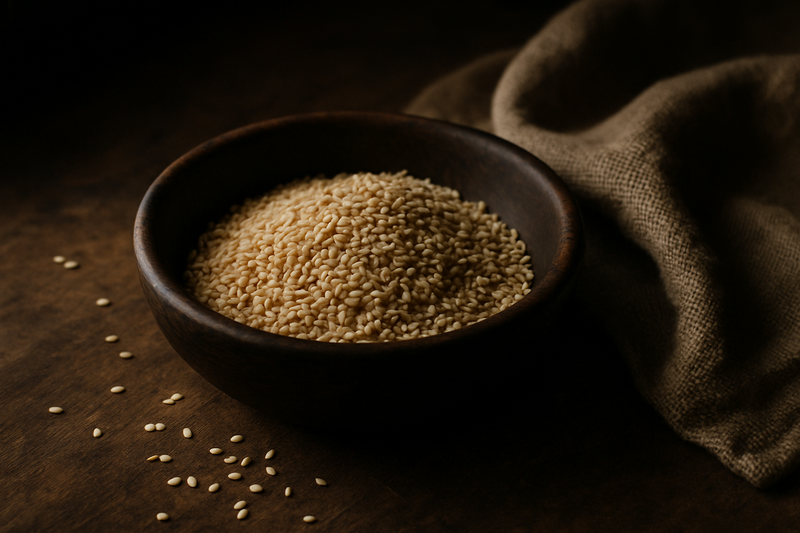
Chinese Sesame Paste · Photograph
Discover Chinese sesame paste nutrition and health benefits — from calcium and plant iron to heart-healthy fats and sesame lignans. Learn how toasted Chinese sesame paste compares to tahini, how much to use daily, and what the research actually says.
Key Nutrients
% Daily Value based on 2,000 cal diet
Key active compounds
- Sesamin — A lignan (a class of plant polyphenols found mainly in seeds) naturally concentrated in sesame. Research links it to modest improvements in blood lipids, blood pressure, and antioxidant enzyme activity.
- Sesamolin — A lignan structurally related to sesamin. Works alongside sesamin to protect fats in the body from oxidation and may contribute to the cardiovascular benefits seen in sesame trials.
- Sesamol — A phenolic antioxidant that forms during roasting. Especially prominent in toasted sesame products; associated with reduced oxidative stress markers in supplementation studies.
- Oleic and linoleic acids — The primary unsaturated fatty acids (heart-healthy fats that remain liquid at room temperature) in sesame paste, supporting healthy cholesterol ratios.
- Dietary fibre — Unhulled Chinese sesame paste contains roughly twice the fibre of hulled tahini, supporting satiety and digestive regularity.
- Calcium and non-haem iron — Mineral forms derived from plant sources; calcium from sesame is reasonably well absorbed, and iron absorption can be enhanced by pairing with vitamin C-rich foods.
Prep and pairing ideas
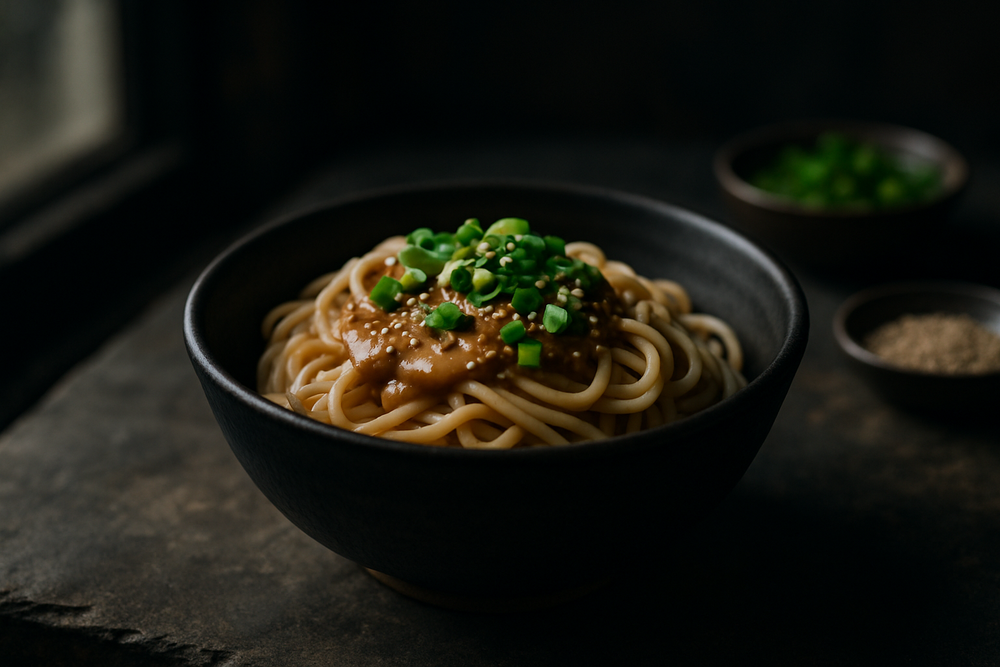
Dan dan noodle sauce — Whisk 2 tablespoons Chinese sesame paste with 1 tablespoon soy sauce, 1 teaspoon rice vinegar, ½ teaspoon chilli oil, a pinch of Sichuan pepper, and enough hot pasta water to reach a pourable consistency. Toss with wheat or buckwheat noodles and top with chopped spring onion.
Hot pot dipping sauce — Combine 1 tablespoon sesame paste, 1 teaspoon fermented bean curd (optional), a dash of sesame oil, and warm broth until smooth. Classic alongside a shabu-shabu or mala hot pot spread.
Cold sesame noodles (bang bang style) — Mix sesame paste with a little peanut butter, garlic, ginger, soy sauce, and rice vinegar. Toss with cucumber ribbons and chilled noodles for a quick lunch that works as a high-calcium, plant-protein meal.
Common pairings and why they work:
- Ginger and garlic — Both have modest anti-inflammatory properties of their own, and together they cut through the richness of the paste. A classic flavour bridge in Chinese cold dishes.
- Dark leafy greens (spinach, gai lan) — Pairing plant iron with vitamin C–rich or acidic ingredients (a squeeze of lemon or a splash of rice vinegar) enhances non-haem iron absorption from the paste.
- Tofu — Another calcium-set, plant-based protein. Together, sesame paste and tofu create a nutritionally complete dish with complementary amino acid profiles and double the calcium density.
Bottom line
Chinese sesame paste is one of the most nutrient-dense condiments you can add to a plant-forward kitchen. The toasting and unhulled processing give it a flavour and mineral profile that standard tahini cannot replicate — most notably for calcium, where two tablespoons can rival a glass of milk. The human evidence, mostly from sesame seed and oil trials, consistently points to modest, real benefits for heart health, blood sugar, and inflammation when sesame is eaten regularly as part of a balanced diet. It is not a medicine, and the effect sizes are small. But as a flavour-first, whole-food ingredient that earns its place in your pantry on taste alone, it is genuinely hard to beat.
Explore how ingredients like Chinese sesame paste fit into your broader health picture: Browse by health goal →
How Chinese Sesame Paste Compares
| Compared with | What's different |
|---|---|
| Chinese Sesame Paste vs. Tahini | Made from unhulled, deep-roasted seeds for a dark brown color and smoky, nutty flavor. |
| Chinese Sesame Paste vs. Peanut Butter | Has a thicker, pasty consistency and lacks the sweetness and high protein of peanuts. |
Health Benefits
Things to Know
Sesame allergy: Sesame is one of the nine major food allergens recognised in the US (required labelling since 2023). Reactions can range from mild itching and hives to anaphylaxis, a severe, life-threatening allergic response. If you have a sesame allergy, or a known cross-reactive allergy to other seeds, avoid this ingredient entirely.
Blood pressure medications: Sesame supplementation has shown additive blood-pressure-lowering effects in some trials. If you take antihypertensives (ACE inhibitors, ARBs, beta-blockers, calcium channel blockers, or diuretics), discuss increased sesame intake with your doctor to monitor for low blood pressure.
Lipid-lowering medications: The modest cholesterol effects of sesame are generally complementary to statins or fibrates, but your clinician may want to track lipid panels if you significantly increase intake.
Calorie density: At roughly 110 calories per tablespoon, Chinese sesame paste is energy dense. People managing their weight or tracking calories should measure portions rather than free-pour.
Fat malabsorption or pancreatitis: High-fat foods including seed butters may be restricted; follow your clinician's guidance.
Pregnancy: Culinary amounts are generally considered safe; there is no evidence of harm, but if you have concerns about allergen exposure, consult your midwife or doctor.
Oil separation: The natural oils in sesame paste separate on standing — this is normal and not a sign of spoilage. Stir thoroughly before each use. Storing the jar upside down overnight can make mixing easier.
Prep Ideas
- — **Ginger and garlic** — Both have modest anti-inflammatory properties of their own, and together they cut through the richness of the paste. A classic flavour bridge in Chinese cold dishes.
- — **Dark leafy greens (spinach, gai lan)** — Pairing plant iron with vitamin C–rich or acidic ingredients (a squeeze of lemon or a splash of rice vinegar) enhances non-haem iron absorption from the paste.
- — **Tofu** — Another calcium-set, plant-based protein. Together, sesame paste and tofu create a nutritionally complete dish with complementary amino acid profiles and double the calcium density.
Shop This Ingredient
Stock your pantry with quality chinese sesame paste.
Buy on AmazonAs an Amazon Associate, Plantopedia earns from qualifying purchases. This costs you nothing extra and helps us keep the encyclopedia free.
Frequently Asked Questions
Heart and circulation Multiple meta-analyses (studies that pool data from many randomised controlled trials) on sesame supplementation have found statistically significant reductions in total cholesterol, triglycerides (blood fats linked to cardiovascular risk), and systolic and diastolic blood pressure. A 2021 review in Critical Reviews in Food Science and Nutrition that pooled RCT data concluded sesame positively shifts several cardiovascular risk markers. Separately, a crossover trial in healthy adults found that a single serving of sesame paste lowered diastolic blood pressure and pulse rate and improved endothelial function (the ability of blood vessel walls to dilate properly) within four hours. Effect sizes are modest and most studies used sesame seeds or oil rather than specifically Chinese toasted paste, but given the shared lignan and unsaturated-fat profile, cardiometabolic benefits are likely comparable at similar culinary intakes. Digestive health and microbiome The fibre in unhulled Chinese sesame paste contributes to the daily target that most adults fall short of. Fibre feeds beneficial gut bacteria, supports regular bowel movements, and helps create a sense of fullness that can prevent overeating at meals. Direct trials on sesame paste and the gut microbiome are sparse, so claims here are extrapolated from fibre science rather than paste-specific studies. Very large portions in one sitting may cause loose stools or bloating in people sensitive to high-fat, high-fibre foods — start with one tablespoon if you are new to sesame paste. Blood sugar and metabolism A systematic review and meta-analysis published in PMC (2021, Sesamum indicum and cardiometabolic risk factors) found that sesame products were associated with reduced fasting blood glucose across several trials. The likely mechanisms are the interplay between unsaturated fatty acids, soluble fibre, and sesame lignans that may improve how cells respond to insulin (the hormone that moves glucose from the blood into cells). Chinese sesame paste is calorically dense, so the overall dietary context matters: using it as a flavourful replacement for saturated-fat-heavy sauces or creamy dressings is where the metabolic benefit is most plausible. Inflammation and recovery Sesamin, sesamolin, and sesamol collectively contribute to reduced oxidative stress (an imbalance between cell-damaging free radicals and the body's defences against them) in human trials. A 2025 systematic review in PMC assessed GRADE-rated evidence and found that sesame consumption was associated with improvements in multiple inflammatory markers, though heterogeneity across studies was high and results were not uniform. For most people, these are background-level supportive effects rather than dramatic reductions; they are best understood as one piece of an anti-inflammatory dietary pattern.
The headline difference is the roasting process and whether the hull is retained. | | Chinese sesame paste | Standard tahini | | --- | --- | --- | | Seed hull | Usually unhulled | Usually hulled | | Colour | Dark brown | Pale cream | | Flavour | Deeply toasted, nutty, slightly bitter | Mild, slightly earthy | | Calcium | 260 mg / tbsp | 130–150 mg / tbsp | | Fibre | Roughly 2× more | Lower | | Sesamol content | Higher (from roasting) | Lower | | Best culinary use | Dan dan noodles, hot pot dips, sesame noodles | Hummus, dressings, baking | For cooking purposes, these two pastes are not interchangeable — swapping tahini into a dan dan sauce will give you a noticeably thinner, paler result. Nutritionally, the unhulled, toasted Chinese version has the edge on calcium, fibre, and sesamol, while both deliver comparable protein and unsaturated fats. Black sesame paste (from black sesame seeds) has a similar nutrient profile to its white-seed counterpart with additional pigment-related antioxidants.
Plant-based eaters watching calcium intake Dairy-free diets can fall short of the 1,000–1,200 mg daily calcium target. Two tablespoons of Chinese sesame paste provides 520 mg calcium — over half the daily goal. Pairing with vitamin D-rich foods further supports calcium absorption. People cooking Asian dishes and wanting flavour and nutrition together Chinese sesame paste is a whole-food ingredient that replaces processed sauces high in sodium and refined oils. It adds protein, fibre, and minerals to a dish like dan dan noodles without requiring any supplements. The rich, toasted depth means a small amount goes a long way — calorie control is built into the flavour intensity.
Most culinary use and clinical research aligns on 1–2 tablespoons (15–30 g) per day as a reasonable range for regular consumption. Start low if you are new to sesame paste — 1 teaspoon stirred into a sauce is enough to gauge GI tolerance and identify any allergic response before moving to full servings. Clinical trials that showed cardiovascular and glycaemic benefits typically used sesame products at amounts equivalent to roughly 25–40 g per day over 4–12 weeks — well within what you would use across two meals. There is no established upper limit specifically for Chinese sesame paste. The practical ceiling is set by calorie budget: two tablespoons adds 220 calories, so it is best used as a sauce or condiment rather than eaten by the spoonful. Oil separation reminder: Always stir well before measuring so you get paste and oil together rather than just the settled oil layer on top — the nutritional data above assumes the whole-paste composition.
Quick Answers
Common questions, answered in a line.
Chinese sesame paste is a potent source of calcium, with two tablespoons providing mineral levels that can rival a glass of milk. Because it is often made from unhulled seeds, it offers a more concentrated mineral profile than standard tahini for supporting bone health.
Chinese sesame paste contains sesame lignans like sesamin and sesamolin, which work as polyphenols to protect body fats from oxidation and support antioxidant enzyme activity. These compounds are linked to improvements in blood lipids and overall cardiovascular health.
To maximize iron absorption from Chinese sesame paste, you should pair it with vitamin C-rich foods or acidic ingredients like lemon juice or rice vinegar. This helps the body better process the non-haem iron found naturally in the sesame seeds.
Chinese sesame paste contains high levels of dietary fibre, particularly in unhulled varieties which have roughly twice the fibre content of hulled tahini. This fibre supports digestive regularity and promotes a feeling of fullness, or satiety, after eating.
Yes, sesame is one of the nine major food allergens in the US, and reactions can range from mild hives to life-threatening anaphylaxis. Individuals with known seed allergies should avoid Chinese sesame paste entirely and check labels for required warnings.
Chinese sesame paste is energy-dense, containing approximately 110 calories per tablespoon, so it is best to measure portions rather than free-pouring. When used mindfully, its high fibre and protein content can support satiety as part of a weight management plan.
If you take blood pressure medications like ACE inhibitors or beta-blockers, you should consult a doctor before significantly increasing your sesame intake. Sesame has shown additive effects in lowering blood pressure, which could lead to levels becoming too low.
For Readers in the USA
Local context — sourcing, seasonality, and regional notes.
You can find authentic Chinese sesame paste at major national Asian grocers like H-Mart and 99 Ranch Market, or in the international aisle of retailers like Whole Foods and Wegmans. Many shoppers also purchase reputable brands like Wangzhihe through online marketplaces like Amazon or Weee! for home delivery.
Yes, ensure the product carries the USDA Organic seal to guarantee it was produced without synthetic fertilizers or pesticides. Because Chinese sesame paste is made from toasted, unhulled seeds, many health-conscious consumers in the U.S. prioritize organic options to minimize potential pesticide residue on the seed hulls.
While sesame is a warm-weather crop grown primarily in states like Texas and Oklahoma, the specific toasted paste used in Chinese cuisine is almost exclusively imported from East Asia. Domestic sesame production in the U.S. is increasing, but most "Chinese-style" pastes found in American pantries are sourced from China or Taiwan to ensure the traditional deep-roast flavor.
In the U.S., Chinese sesame paste is a staple of "Cold Sesame Noodles," a dish that gained massive popularity in New York City during the 1970s. It remains a fixture in American-Chinese takeout culture, often served as a chilled appetizer or a rich, savory dip for traditional hot pot gatherings.
AI Clinical Review
- Clearly explains how Chinese sesame paste differs from standard tahini (unhulled, deeply roasted), which does translate to higher fiber, calcium, and sesamol content.
- Appropriately frames the health research: sesame products are linked to modest improvements in cholesterol, blood pressure, and glycemic markers when used as part of an overall balanced diet.
- Sensible intake guidance (about 1–2 tablespoons per day) and the reminder that this is a condiment, not a supplement, align with typical research doses and real‑world use.
- Highlights key safety information: sesame is a major allergen in the U.S., now required on labels, and deserves strict avoidance for those allergic.
- Much of the clinical data comes from sesame seeds, oil, or tahini; direct trials on Chinese toasted, unhulled paste are limited, so benefits are inferred rather than proven for this exact form.
- Calcium content is high, but absorption from unhulled sesame can be reduced by naturally occurring oxalates/phytates; it’s useful toward daily needs but shouldn’t be your only calcium strategy.
- Vascular “acute effects” (e.g., improved endothelial function within hours) are intriguing but need replication and longer trials that track hard outcomes, not just short‑term markers.
- Microbiome and anti‑inflammatory claims are biologically plausible (fiber and lignans are active compounds) yet remain heterogeneous across studies and individuals.
- Portion size and calories: ~110 kcal per tablespoon adds up quickly—1–2 tablespoons/day is a practical ceiling for many people.
- Medications: sesame can have small blood‑pressure‑lowering effects; if you take antihypertensives or glucose‑lowering drugs, monitor values when you increase intake and discuss changes with your clinician.
- Allergies: avoid completely if you have a sesame allergy; watch for hidden sesame in restaurant dishes and sauces.
- Kidney stone history: sesame is relatively high in oxalates; some people with calcium‑oxalate stones are advised to moderate high‑oxalate foods—confirm with your healthcare provider.
Sesame allergen; oil separates and needs stirring.
References
- USDA FoodData Central — sesame paste (tahini, from roasted and toasted kernels) (fdc.nal.usda.gov)
- Tandfonline meta-analysis: sesame supplementation and cardiovascular risk factors (RCT pooled data, 2021) (tandfonline.com)
- PubMed: Tahini consumption, blood pressure and endothelial function in healthy adults — acute crossover trial (pubmed.ncbi.nlm.nih.gov)
- PMC: Sesame (Sesamum indicum L.) and cardiometabolic risk factors — systematic review and meta-analysis (pmc.ncbi.nlm.nih.gov)
- PMC: GRADE-assessed overview of sesame and cardiovascular balance from clinical trials (pmc.ncbi.nlm.nih.gov)
- Wiley Journal of the Science of Food and Agriculture: sesame blood pressure meta-analysis (onlinelibrary.wiley.com)
- NIH NCCIH — Sesame allergen labelling and safety overview (nccih.nih.gov)
- The Woks of Life — Chinese sesame paste ingredient guide (culinary context and usage) (thewoksoflife.com)
- EatThisMuch — 100% pure sesame paste nutritional breakdown per serving (eatthismuch.com)
Know Your Numbers
Eating healthy is a start. Now get to know your biomarkers.
Food changes bloodwork — inflammation, lipids, blood sugar and nutrient status all respond to what you eat. 59 markers from $59.
- Results in 7–10 days at 2,000+ Quest sites
- Licensed provider reviews every result
- One flat price, no membership, HSA/FSA eligible
Educational information only, not medical advice. Panels are ordered and reviewed through our licensed partner; Plantopedia may earn a commission.