Dill Seeds — health benefits and uses
Traditionally brewed into gripe water teas to soothe digestion.
The Short Answer
Dill seeds are highly effective carminatives, containing volatile oils like carvone that help relax digestive muscles to reduce gas and bloating. They are also a dense plant-based mineral source, providing 100 mg of calcium in just one tablespoon.
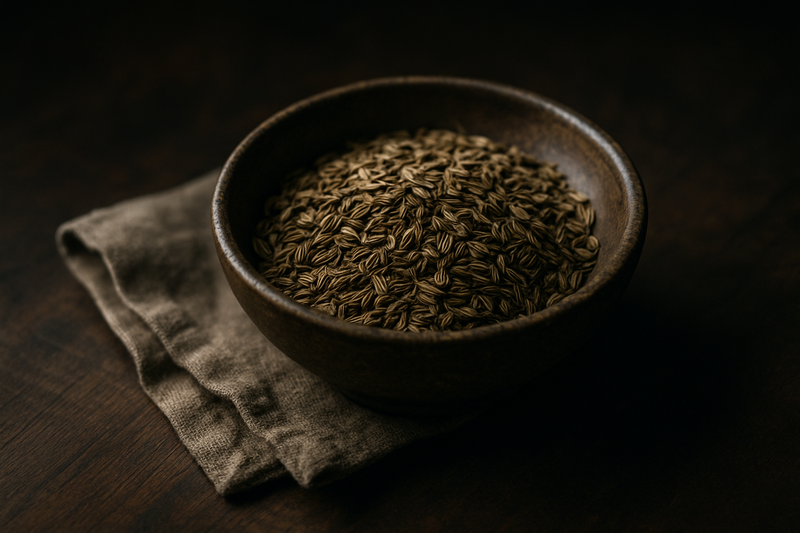
Dill Seeds · Photograph
Discover dill seeds health benefits and how to use them — from digestive relief and carminative properties to calcium content and pickling brines. Learn nutrition facts, safety notes, and practical whole-food tips.
Key Nutrients
% Daily Value based on 2,000 cal diet
Key active compounds
- Volatile essential oils (carvone, limonene, and related aromatic compounds) — Concentrated in the seeds; responsible for the characteristic warm, slightly anise-like aroma and for relaxing smooth muscle in the gut to reduce spasms and gas.
- Flavonoids and phenolic antioxidants — Plant polyphenols (natural compounds that help protect plant cells from damage) that may help neutralize free radicals and dampen low-level inflammation in the body.
- Dietary fiber — Supports gut motility (the natural movement of food through the intestines) and feeds beneficial gut bacteria.
- Calcium, iron, and magnesium — Minerals provided in amounts that add up meaningfully given that dill seeds are used by volume rather than weight.
Prep and pairing ideas
How to use dill seeds in pickling brine Add 1–2 teaspoons of whole dill seeds per quart (approximately 1 litre) of pickling liquid along with garlic, peppercorns, and bay leaf. The seeds release their carminative oils slowly into the brine, flavoring the vegetables and potentially making the pickles easier to digest.
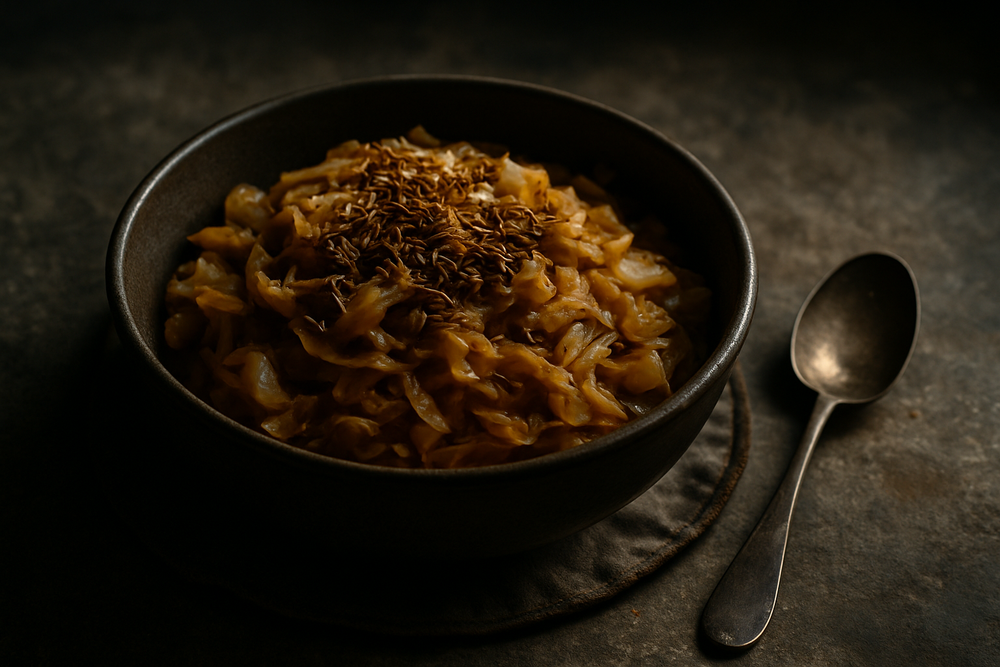
Braised cabbage with dill seeds Toast half a teaspoon of whole dill seeds in a dry pan for 90 seconds before adding oil and shredded cabbage. The brief dry-toasting (heating seeds in a pan without oil to intensify aroma) intensifies the volatile oils and gives the dish a nuttier baseline. This is a central technique in Eastern European and Scandinavian cooking.
Dill seed tea for after-meal comfort Lightly crush 1 teaspoon of dill seeds with the back of a spoon, steep in 250 ml (1 cup) of just-boiled water for 10 minutes, strain, and sip slowly after a meal. This is the simplest way to explore dill seed's carminative effect at home.
Who benefits most from adding dill seeds to their diet?
The plant-based eater looking for mineral density
- Culinary spices that deliver meaningful calcium without dairy are rare — dill seeds are one of the few.
- Iron from plant foods is non-heme iron, which is less readily absorbed than meat-based iron; vitamin C in the same meal helps. Pairing dill seeds with a dish that includes lemon or tomatoes improves iron uptake.
- Useful for meeting calcium targets alongside sesame seeds, tahini, and fortified plant milks.
The person dealing with post-meal gas and bloating
- Adding dill seeds to gas-prone foods like beans, lentils, or cabbage is a practical, zero-effort strategy backed by traditional use and emerging clinical evidence.
- A quick dill seed tea after a large or particularly fibrous meal may help ease discomfort.
- Whole dill seeds in fermented foods combine carminative and probiotic benefits in one ingredient.
Bottom line
Dill seeds are a small but genuinely useful addition to a whole-food, plant-based kitchen. Their calcium density is impressive for a spice, their fiber content is real, and their carminative volatile oils have legitimate traditional and emerging clinical backing for digestive relief. Early human trial data on cholesterol and insulin resistance are promising but come mostly from extract-based studies, so those benefits belong in the "worth watching" category rather than the "proven" column.
The best use of dill seeds is the oldest use: add them to pickling brines, braised cabbage, and bean dishes, make an occasional cup of dill seed tea for post-meal comfort, and let them work as part of a varied, vegetable-forward diet. Treat concentrated extracts and essential oil as supplements — with the same care and professional oversight you would give any supplement — and avoid medicinal doses during pregnancy.
If you want to explore the digestive or mineral benefits of seeds more broadly, see the related ingredient guides below.
Looking to build meals around digestive-supportive whole foods? Browse the Plantopedia digestive health guide for ingredient-led ideas.
How Dill Seeds Compares
| Compared with | What's different |
|---|---|
| Dill Seeds vs. Fennel Seeds | Dill seeds are larger and flat with a pungent, citrusy profile; fennel is sweeter and tastes like licorice. |
| Dill Seeds vs. Cumin Seeds | Dill seeds have a sharp, warm flavor, while cumin seeds are earthier, nuttier, and more savory. |
| Dill Seeds vs. Caraway Seeds | Dill seeds are used for digestive relief and pickling; caraway is more bitter and common in rye breads. |
Health Benefits
Things to Know
Pregnancy: Dill seeds as a culinary spice (small pinches in food) are generally considered acceptable. Medicinal doses of dill seeds, dill extracts, and dill essential oil are not advised during pregnancy due to traditional concerns about uterine stimulation and case-based safety warnings.
Breastfeeding: Culinary use is typically considered safe; high-dose extracts or essential oil lack robust safety data during lactation.
Apiaceae family allergy: Dill belongs to the same plant family as celery, fennel, coriander, and carrots. If you have a confirmed allergy to any of these, cross-reactive reactions to dill are possible.
Diabetes medications: Dill supplements can modestly improve insulin sensitivity. If you take insulin, metformin, or other glucose-lowering drugs, medicinal dill products may amplify their effects. Culinary amounts are unlikely to cause problems, but monitor blood sugar if you are starting a habit of dill seed tea or extracts.
Blood pressure medications: Dill has mild diuretic (fluid-eliminating) properties in herbal tradition. Concentrated forms could theoretically interact with antihypertensive drugs; evidence is weak but worth flagging with your doctor.
Lithium and narrow-window drugs: Herbal diuretics can theoretically affect how the body handles certain medications. There is no specific clinical evidence for dill seeds, but the general caution applies to medicinal-dose use.
Start at culinary doses: If you are new to dill seeds, start with half a teaspoon in a recipe rather than jumping straight to herbal tea or supplements.
Prep Ideas
- — Culinary spices that deliver meaningful calcium without dairy are rare — dill seeds are one of the few.
- — Iron from plant foods is non-heme iron, which is less readily absorbed than meat-based iron; vitamin C in the same meal helps. Pairing dill seeds with a dish that includes lemon or tomatoes improves iron uptake.
- — Useful for meeting calcium targets alongside sesame seeds, tahini, and fortified plant milks.
- — Adding dill seeds to gas-prone foods like beans, lentils, or cabbage is a practical, zero-effort strategy backed by traditional use and emerging clinical evidence.
- — A quick dill seed tea after a large or particularly fibrous meal may help ease discomfort.
- — Whole dill seeds in fermented foods combine carminative and probiotic benefits in one ingredient.
Glossary
Shop This Ingredient
Stock your pantry with quality dill seeds.
Buy on AmazonAs an Amazon Associate, Plantopedia earns from qualifying purchases. This costs you nothing extra and helps us keep the encyclopedia free.
Frequently Asked Questions
Heart and circulation Two systematic reviews and meta-analyses (studies that pool results from multiple randomized controlled trials, or RCTs) found that Anethum graveolens supplementation significantly reduced LDL cholesterol (often called "bad" cholesterol), total cholesterol, and triglycerides in adults with elevated blood fats or metabolic risk factors. One 2021 review pooled six RCTs with 171 participants and reported those reductions, while noting that HDL cholesterol (the "good" kind) was not meaningfully improved. The effect size was modest and the trials were small, so these findings are encouraging but not definitive. Importantly, most cardiovascular trials used standardized extract capsules at medicinal doses — not the half-teaspoon of seeds you'd add to a pickle jar. Dill seeds in food can fit into a heart-healthy diet, but they are not a substitute for evidence-based lipid management. Digestive health and microbiome This is where dill seeds for digestion and gas have the strongest traditional backing — and some clinical support. The volatile oils in the seeds relax smooth muscle in the gastrointestinal tract, reducing intestinal spasms and helping gas pass more easily. One clinical trial in women recovering from cesarean section found that dill essential oil significantly reduced post-operative flatulence and abdominal pain compared with placebo (33% reduction in flatulence vs. 12% for placebo), with no reported side effects. At the food level, adding dill seeds to fermented cabbage or sauerkraut brines also means pairing the carminative seeds with probiotic-rich foods, which is a sensible combination for gut comfort. Blood sugar and metabolism A 2021 systematic review and meta-analysis found that dill supplementation significantly decreased fasting insulin and HOMA-IR (a calculated score that estimates how resistant cells are to the effects of insulin) in adults with metabolic disturbances. Effects on fasting blood glucose were smaller and less consistent. Once again, these trials used concentrated extracts, not culinary doses, and follow-up periods were generally 6–12 weeks. Still, dill seeds are a low-glycemic addition to any meal and may complement broader dietary strategies for blood sugar support. Hormones and cycle health Small early trials suggest that medicinal doses of dill preparations may reduce the severity of dysmenorrhea (painful menstrual cramps) when taken at the onset of a period, and one small study found a possible effect on labor duration. These findings are preliminary, use medicinal rather than food-level doses, and require much more research before any firm conclusions can be drawn. They are mentioned here for completeness, not as recommendations. Inflammation and recovery Dill seeds contain flavonoid and phenolic antioxidants that demonstrate anti-inflammatory and free-radical-scavenging activity in cell and animal studies. Human clinical evidence specifically linking culinary dill seed intake to reduced inflammation markers is currently lacking. Using dill seeds as part of a varied, plant-rich diet fits within general anti-inflammatory eating patterns, but the seeds should not be positioned as a stand-alone anti-inflammatory tool.
| Form | Best use | Flavor profile | Practical notes | | --- | --- | --- | --- | | Whole dried seeds | Pickling brines, braised cabbage, rye bread, spice rubs | Warm, slightly anise-like, robust | Add early in cooking; survives heat and long simmer times | | Crushed or ground seeds | Spice blends, herbal teas, dry rubs | More aromatic than whole | Grind just before use for best flavor and volatile oil release | | Dill seed tea or infusion | Digestive comfort, mild colic relief | Mild, slightly bitter | Steep 1 tsp crushed seeds in hot water for 10 minutes | | Fresh or dried dill weed (herb) | Cold dips, dressings, finish for soups | Fresh, grassy, delicate | Add at the end of cooking; doesn't survive long heat | | Standardized extract capsules | Studied in clinical trials for lipid/glycemic effects | N/A | Medicinal supplement form; not a food | | Essential oil | Studied in one clinical trial; topical cosmetics | N/A | High risk profile; not for culinary use | The practical takeaway: if a recipe calls for "dill" in a pickle brine or a long-cooked cabbage dish, the seeds are almost always the right choice. If a recipe says "fresh dill" for a tzatziki or a finishing garnish, reach for the weed, not the seeds.
For culinary use, there is no established upper limit for dill seeds used as a spice. Most recipes call for 0.5–2 teaspoons per dish, and this range is considered well within safe food-level intake for the general adult population. Herbal teas made from crushed dill seeds (roughly 1 teaspoon per cup, up to 2–3 cups daily) fall within the range described in traditional herbal practice and are unlikely to cause harm in healthy, non-pregnant adults. Clinical trials used standardized extract capsules — often equivalent to several grams of concentrated dill per day — and these medicinal doses should be approached under professional guidance, particularly for people managing diabetes, cardiovascular disease, or taking regular medications. Practical guidance: Start with ½ teaspoon of whole seeds in a recipe to gauge your taste preference and tolerance. Dill seed tea once daily after meals is a reasonable starting point if your goal is digestive comfort. Supplements and extracts are a different category — treat them like any herbal supplement, not like a spice.
Quick Answers
Common questions, answered in a line.
Dill seeds are an excellent dairy-free source of calcium, iron, and magnesium, providing meaningful amounts of these minerals when used regularly in cooking. They are particularly beneficial for plant-based eaters looking to increase mineral density through whole-food spices.
Dill seeds act as a carminative, meaning they contain volatile essential oils like carvone and limonene that help relax smooth muscles in the gut to reduce gas and bloating. These aromatic compounds are released slowly during digestion to ease post-meal discomfort.
To make dill seed tea for digestion, lightly crush one teaspoon of seeds, steep them in 250 ml of just-boiled water for 10 minutes, and strain before sipping. This simple preparation is a traditional way to explore the seed's carminative effects after a heavy or fibrous meal.
Avoid medicinal doses, concentrated extracts, or dill essential oil during pregnancy due to traditional concerns regarding uterine stimulation. While small culinary amounts used as a spice are generally considered acceptable, high-dose supplements should be avoided.
You should use dill seeds with caution if you are allergic to plants in the Apiaceae family, such as celery, fennel, coriander, or carrots. Cross-reactive allergic reactions are possible among these related species.
Dill seeds may modestly improve insulin sensitivity, meaning medicinal amounts could potentially amplify the effects of glucose-lowering drugs like metformin or insulin. If you use these medications, monitor your blood sugar closely when consuming dill seed tea or extracts.
Dry-toasting dill seeds in a pan for 90 seconds without oil intensifies their volatile oils and creates a nuttier flavor profile for dishes. This technique is commonly used in Eastern European and Scandinavian cooking before adding the seeds to cabbage or oils.
For Readers in the USA
Local context — sourcing, seasonality, and regional notes.
In the U.S., you can find dill seeds in the spice aisle of major grocers like Kroger, Safeway, and Whole Foods, or in bulk at health food stores. They are a staple in the canning section of hardware stores like Ace Hardware or Tractor Supply during the summer pickling season.
While dill grows year-round in southern states like California and Arizona, it is most widely available at U.S. farmers markets from late spring through early autumn. Gardeners in USDA zones 3–7 typically harvest seeds in mid-to-late summer once the flower heads turn brown.
Look for the 'USDA Organic' seal to ensure the seeds were grown without synthetic pesticides, and check for 'Non-GMO Project Verified' labels if you prioritize GE-free spices. In the U.S., these certifications are the most reliable way to verify sustainable farming and processing standards.
Dill seeds are a central ingredient in 'Kosher Dill' pickles, a style popularized by Jewish immigrants in New York City that uses a salt brine and garlic rather than vinegar. Beyond pickling, they are frequently used in American 'ranch' flavoring profiles and Midwestern potato salads.
AI Clinical Review
- Clearly distinguishes dill seeds from dill weed, including flavor, cooking uses, and the higher volatile oil content in seeds that likely underpins digestive effects.
- Summarizes human evidence appropriately: small RCTs and meta-analyses suggest modest improvements in LDL/triglycerides and insulin resistance with dill extracts, while cautioning that these are supplement—not culinary—doses.
- Highlights a plausible carminative (gas‑relieving) mechanism and offers practical, food‑level uses (pickling, braised cabbage, simple tea) that align with traditional practice.
- Notes that dill seeds provide meaningful micronutrients for a spice—especially calcium and fiber—placing them as a supportive, nutrient‑dense pantry item rather than a macronutrient source.
- Provides balanced safety framing, including pregnancy precautions for concentrated forms and a sensible “start low” approach at culinary doses.
- Digestive relief data are limited: most clinical findings use essential oil or concentrated preparations; benefits from culinary amounts or teas haven’t been rigorously tested in larger trials.
- Cardiometabolic findings come from small, short‑duration studies with heterogeneous extracts; effects appear modest and surrogate‑marker–based (lipids, HOMA‑IR) rather than clinical outcomes.
- Anti‑inflammatory and antioxidant claims are mainly from cell/animal models; human biomarker evidence specific to dill seed intake is scarce.
- Hormonal/cycle outcomes (dysmenorrhea, labor duration) are preliminary and not ready for routine clinical recommendation.
- Typical food use is ½–2 tsp per dish; a simple tea of ~1 tsp lightly crushed seeds per cup once or twice daily is within traditional ranges. Supplement capsules/essential oil represent medicinal dosing and should be clinician‑guided.
- Safety: avoid ingesting dill essential oil; during pregnancy and lactation stick to culinary amounts only. People with Apiaceae family allergies (celery, fennel, coriander) may react to dill.
- Medications: because extracts may modestly affect insulin sensitivity and have mild diuretic potential, those on glucose‑lowering drugs, antihypertensives/diuretics, or narrow‑therapeutic‑window agents (e.g., lithium) should consult a clinician before using concentrated products or frequent medicinal teas.
- Nutrition context: the calcium figure (~100 mg per tablespoon) is notable for a spice, but many recipes use less; enjoy dill seeds as a helpful contributor, not a primary calcium source.
Safe as a culinary spice; concentrated extracts not advised in pregnancy.
References
- USDA FoodData Central — Spices, dill seed (FDC ID 170925): Full nutrient breakdown for dried dill seeds (fdc.nal.usda.gov)
- Healthline — Dill: Nutrition, Benefits, and Uses: Consumer-friendly summary of dill herb and seed nutrition and potential health benefits (healthline.com)
- WebMD — DILL: Overview, Uses, Side Effects, Precautions, Interactions: Monograph covering clinical indications, safety data, and medication interactions for dill (webmd.com)
- Herbal Reality — Dill (Anethum graveolens): Detailed herbal monograph summarizing clinical trial evidence for digestive, cardiovascular, and hormonal uses (herbalreality.com)
- PubMed 33624557 — Systematic review and meta-analysis of dill supplementation on lipid profile and glycemic control (RCTs): Pooled evidence from multiple randomized controlled trials on cholesterol, triglycerides, and insulin resistance (pubmed.ncbi.nlm.nih.gov)
- PubMed 34838903 — Updated systematic review: Anethum graveolens effect on human lipid profile: Six-RCT meta-analysis specifically focused on LDL, total cholesterol, and triglyceride outcomes (pubmed.ncbi.nlm.nih.gov)
- SciSpace — Randomized clinical trial of dill-based interventions: Clinical trial data covering flatulence relief, diabetes-related outcomes, and labor duration (scispace.com)
- FoodContents.com — Dill seed detailed nutrient data (USDA-based): Per-gram breakdown of calcium, iron, fiber, and micronutrients in dried dill seeds (foodcontents.com)
- FatSecret — Calories in 1 tbsp of Dill Seed (USDA-based): Per-tablespoon serving nutrition summary (foods.fatsecret.com)
Know Your Numbers
Eating healthy is a start. Now get to know your biomarkers.
Food changes bloodwork — inflammation, lipids, blood sugar and nutrient status all respond to what you eat. 59 markers from $59.
- Results in 7–10 days at 2,000+ Quest sites
- Licensed provider reviews every result
- One flat price, no membership, HSA/FSA eligible
Educational information only, not medical advice. Panels are ordered and reviewed through our licensed partner; Plantopedia may earn a commission.