Cacao Paste — health benefits and uses
Closest food to the original Mesoamerican ceremonial cacao drink.
The Short Answer
Cacao paste, also known as liquor, is 100% pure unsweetened chocolate made by stone-grinding whole cacao beans into a smooth liquid that solidifies at room temperature.

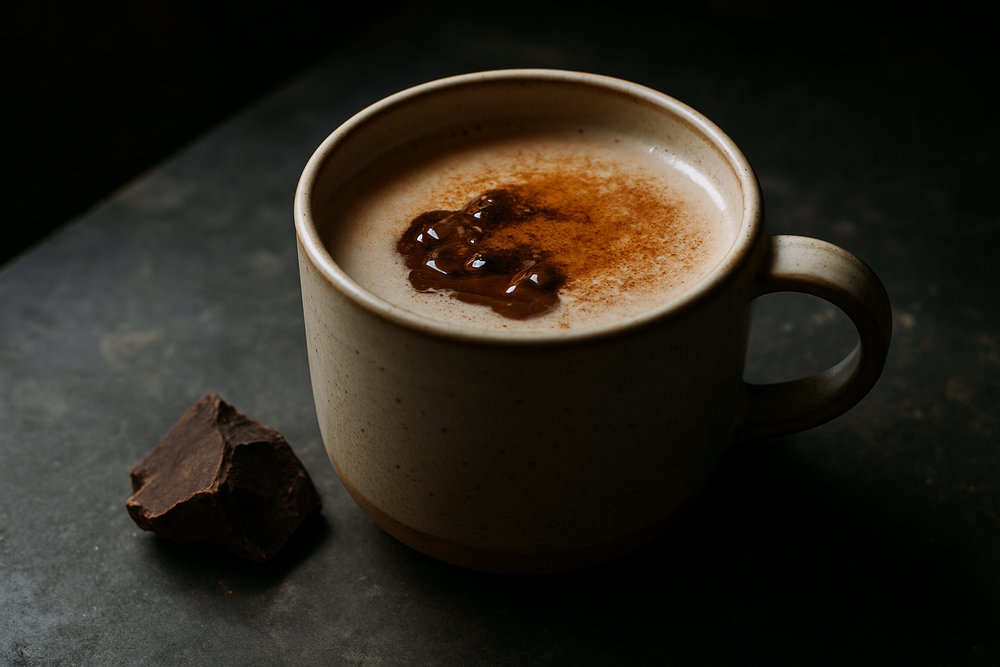
Cacao Paste · Photograph
Discover cacao paste health benefits, nutrition facts, and how to use stone-ground whole cacao beans in unsweetened chocolate cooking. Learn about flavanols, magnesium, safe daily amounts, and who should use caution.
Key Nutrients
% Daily Value based on 2,000 cal diet
Key active compounds in cacao paste
- Cocoa flavanols (flavan-3-ols: epicatechin, catechin, procyanidins) — The best-studied polyphenols in cacao. They support the inner lining of blood vessels (the endothelium) by helping the body produce nitric oxide, a molecule that relaxes and widens blood vessels. They also have antioxidant and anti-inflammatory signaling properties.
- Theobromine — A methylxanthine (a class of mild stimulant compounds) present in higher amounts than caffeine in cacao. It acts as a gentle stimulant and mild vasodilator (something that widens blood vessels), and contributes to the mood-lifting feeling many people associate with chocolate.
- Caffeine — A central nervous system stimulant present in smaller but still meaningful amounts. Per ounce of cacao paste, caffeine content is roughly 12–20 mg — less than a cup of tea, but not negligible.
- Proanthocyanidins (procyanidins) — Chains of flavan-3-ol units that contribute to cacao's bitter, astringent taste. They reach the colon largely intact, where gut bacteria convert them into bioactive metabolites that may benefit the cardiovascular system and microbiome.
- Phenethylamine and related biogenic amines — Trace compounds naturally occurring in cacao beans that may transiently influence mood and alertness, though they are rapidly broken down in the body and likely have modest effects at typical dietary doses.
- Cocoa butter (stearic acid, oleic acid) — The natural fat of the cacao bean. Stearic acid, unlike most saturated fats, appears metabolically neutral in terms of LDL cholesterol. Oleic acid is the same monounsaturated fat found in olive oil.
Prep and pairing ideas
Cacao paste melts at body temperature (~36–37°C / 97–99°F), making it easy to work with. Here are practical starting points:
- Hot cacao drink: Grate or chop 10–15 g of cacao paste into a mug. Add a small amount of boiling water and whisk or froth until smooth, then top with warm oat or almond milk. Add a pinch of cinnamon or a date for natural sweetness. This mirrors the flavanol-rich cocoa beverages used in clinical trials.
- Smoothie base: Add 10–15 g melted cacao paste to a blender with a frozen banana, a tablespoon of almond butter, and plant milk. The fat in the paste helps emulsify the smoothie and round out the flavors.
- Chocolate sauce or ganache: Melt cacao paste with a splash of maple syrup and a little coconut milk for a whole-food chocolate sauce over fruit or oats — no refined sugar needed, unless you choose to add it.
- Baking substitution: Use 1 oz of cacao paste in place of 1 oz of unsweetened baking chocolate (they are essentially the same product at different processing levels). Works in brownies, mole sauce, and energy balls.
- Energy bites: Blend melted cacao paste with rolled oats, dates, and a tablespoon of nut butter, roll into balls, and refrigerate. A 2–3 ball serving delivers a meaningful flavanol hit with staying power from the fiber and fat.
Buying guide
What to look for on the label:
- Ingredient list should read: cacao beans or cacao mass — nothing else. Any added fat, sugar, or lecithin means it is no longer pure paste.
- Look for "organic" if heavy metal exposure is a concern; some evidence suggests organically farmed cacao may have lower cadmium levels, though this varies by region.
- "Raw" vs "roasted": Raw cacao paste is made from unroasted beans and theoretically preserves more flavanols, but the evidence that raw is meaningfully superior in practice is mixed. Both forms are nutritionally dense.
- Country of origin matters more than "raw" claims — Peruvian and some West African varieties vary in mineral and flavanol content.
Forms available:
- Wafers or buttons — easiest to measure and melt; best for hot drinks and sauces
- Chunks or blocks — grate directly into recipes; good for baking
- Ceremonial cacao bricks — traditional form; usually minimally processed, but serving sizes recommended in ceremonial settings can be much larger (up to 40–50 g) and significantly more stimulating than culinary use
Store in a cool, dry place away from light. Properly stored cacao paste keeps well for 12–24 months. Bloom (white-gray surface streaks from fat recrystallization) does not affect safety or flavor — just melt it and it disappears.
Bottom line
Cacao paste is a genuinely nutrient-dense, whole-plant ingredient that earns its place in evidence-informed eating. The research on cocoa flavanols — primarily from trials using closely related high-cocoa products — consistently shows modest but meaningful benefits for vascular health, with promising signals for blood sugar regulation, gut microbiota support, and mood. The mineral profile, especially for magnesium and copper, is exceptional for a plant food.
The honest caveats are equally important: this is a calorie-dense food with real stimulant content and the need for moderation. It is not a supplement to dose aggressively — it is an ingredient to enjoy thoughtfully. A small amount of cacao paste in a hot drink, a smoothie, or a whole-grain baked good most days is a pleasurable and well-supported way to bring more flavanols and minerals into a whole-food plant-based diet.
If you want to explore how cacao paste fits into specific health goals alongside other whole foods, the Plantopedia goals pages can help you build a broader picture.
How Cacao Paste Compares
| Compared with | What's different |
|---|---|
| Cacao Paste vs. Cacao Powder | Contains the natural cocoa butter, whereas powder has most fats removed. |
| Cacao Paste vs. Dark Chocolate | Pure ground beans with no added sugar or milk solids, unlike commercial chocolate. |
| Cacao Paste vs. Cacao Nibs | Whole bean pieces that provide a crunchy texture rather than a smooth, meltable paste. |
Health Benefits
Things to Know
Calorie density: At ~180 kcal per oz, cacao paste adds up quickly. A modest 10–15 g daily portion (~65–95 kcal) is a reasonable starting point for most people.
Caffeine and theobromine sensitivity: If you are sensitive to caffeine (jitteriness, heart racing, sleep disruption), avoid cacao paste in the afternoon or evening and start with small amounts. The stimulant load is lower than coffee but is not negligible.
Pregnancy and breastfeeding: Caffeine and theobromine cross the placenta and enter breast milk. Most guidelines recommend limiting caffeine in pregnancy to under 200 mg/day total from all sources. Additionally, some cacao products have been found to contain trace amounts of cadmium and lead depending on soil and processing origin — a reason to keep portions moderate and vary brands.
Children: Greater sensitivity to caffeine and potential for trace heavy metal accumulation with very frequent high-dose intake; moderation is advised.
Anxiety, insomnia, panic disorders: The stimulant content of cacao paste may worsen symptoms. Monitor individual response carefully.
Cardiac arrhythmias or uncontrolled hypertension: Methylxanthines can influence heart rate and rhythm in susceptible individuals. The blood pressure–lowering effect of flavanols is generally beneficial, but the stimulant effect is a counterweight.
GERD and reflux: Cocoa and fat can relax the lower esophageal sphincter (the valve between the esophagus and stomach), potentially worsening reflux symptoms.
Kidney stones or chronic kidney disease: Cacao contains oxalates and several concentrated minerals; discuss with your provider if you have a history of oxalate kidney stones.
Migraine: Chocolate and cocoa are commonly reported triggers in migraine-prone individuals.
Medications to flag with your provider:
Antihypertensives — additive blood pressure–lowering is possible
Stimulant medications (ADHD, decongestants) — additive heart rate and blood pressure effects
Anticoagulants/antiplatelets — high-cocoa foods have mild antiplatelet effects; keep intake consistent and inform your clinician
Sedatives/sleep medications — evening cacao intake may counteract these
Antiarrhythmics — methylxanthines can influence cardiac conduction in some individuals
Prep Ideas
- — Hot cacao drink: Grate or chop 10–15 g of cacao paste into a mug. Add a small amount of boiling water and whisk or froth until smooth, then top with warm oat or almond milk. Add a pinch of cinnamon or a date for natural sweetness. This mirrors the flavanol-rich cocoa beverages used in clinical trials.
- — Smoothie base: Add 10–15 g melted cacao paste to a blender with a frozen banana, a tablespoon of almond butter, and plant milk. The fat in the paste helps emulsify the smoothie and round out the flavors.
- — Chocolate sauce or ganache: Melt cacao paste with a splash of maple syrup and a little coconut milk for a whole-food chocolate sauce over fruit or oats — no refined sugar needed, unless you choose to add it.
- — Baking substitution: Use 1 oz of cacao paste in place of 1 oz of unsweetened baking chocolate (they are essentially the same product at different processing levels). Works in brownies, mole sauce, and energy balls.
- — Energy bites: Blend melted cacao paste with rolled oats, dates, and a tablespoon of nut butter, roll into balls, and refrigerate. A 2–3 ball serving delivers a meaningful flavanol hit with staying power from the fiber and fat.
- — Ingredient list should read: cacao beans or cacao mass — nothing else. Any added fat, sugar, or lecithin means it is no longer pure paste.
- — Look for "organic" if heavy metal exposure is a concern; some evidence suggests organically farmed cacao may have lower cadmium levels, though this varies by region.
- — "Raw" vs "roasted": Raw cacao paste is made from unroasted beans and theoretically preserves more flavanols, but the evidence that raw is meaningfully superior in practice is mixed. Both forms are nutritionally dense.
- — Country of origin matters more than "raw" claims — Peruvian and some West African varieties vary in mineral and flavanol content.
- — Wafers or buttons — easiest to measure and melt; best for hot drinks and sauces
- — Chunks or blocks — grate directly into recipes; good for baking
- — Ceremonial cacao bricks — traditional form; usually minimally processed, but serving sizes recommended in ceremonial settings can be much larger (up to 40–50 g) and significantly more stimulating than culinary use
Glossary
Shop This Ingredient
Stock your pantry with quality cacao paste.
Buy on AmazonAs an Amazon Associate, Plantopedia earns from qualifying purchases. This costs you nothing extra and helps us keep the encyclopedia free.
Frequently Asked Questions
Heart and circulation This is where the evidence is strongest. Cocoa flavanols help the endothelium — the thin layer of cells lining blood vessels — produce more nitric oxide. More nitric oxide means more relaxed, flexible vessels, which translates to lower blood pressure and better blood flow. A randomized trial in university students consuming cocoa paste rich in phenols reported reductions in both systolic and diastolic blood pressure in female participants. Broader systematic reviews of chocolate, cocoa, and flavan-3-ols consistently find that high-flavanol cocoa can modestly improve a measure called flow-mediated dilation (a standard test of how well blood vessels expand in response to increased blood flow) and produce small but significant reductions in blood pressure, particularly in people with elevated readings. Most of these trials used flavanol-standardized cocoa beverages or dark chocolate rather than culinary cacao paste blocks, but stone-ground cacao paste is compositionally similar and likely delivers comparable flavanol doses at equivalent serving sizes. Effects are modest — we are talking about a supplement to a heart-healthy diet, not a replacement for it. Digestive health and microbiome A 1 oz serving of cacao paste provides 4 g of dietary fiber — about 14% of a typical daily target. More interestingly, both the fiber and the flavanols in cacao travel to the large intestine largely undigested, where gut bacteria ferment them into short-chain fatty acids and other bioactive metabolites. Human studies using cocoa beverages and dark chocolate have shown shifts toward higher levels of beneficial bacteria like Bifidobacterium and Lactobacillus after flavanol-rich cocoa intake, suggesting a prebiotic-like effect (meaning cacao compounds act as food for beneficial bacteria rather than containing the bacteria themselves). This research is early-stage, but the fiber story alone makes cacao paste a meaningful contributor to gut health compared with processed chocolate. Blood sugar and metabolism Several human trials using flavanol-rich cocoa or dark chocolate — close analogs of cacao paste — have reported improvements in insulin sensitivity (how well cells respond to the hormone insulin) and sometimes small reductions in fasting insulin or HOMA-IR (a calculated index of insulin resistance). The proposed mechanism involves cocoa flavanols improving nitric oxide availability in the tiny blood vessels (microvasculature) of muscle tissue, which supports glucose uptake. Importantly, these studies mostly used sweetened dark chocolate, so the benefits cannot be attributed only to cocoa solids. Using unsweetened cacao paste avoids added sugars entirely, which is an advantage if blood sugar management is a priority. Evidence is moderate and should be viewed as supportive — not a substitute for core strategies like dietary pattern, physical activity, and any prescribed medications. Inflammation and recovery Small randomized trials with high-flavanol cocoa powders and dark chocolate have shown modest reductions in some inflammatory markers — including oxidative stress molecules and certain cell-adhesion proteins involved in cardiovascular disease progression — over weeks to months, especially in people with cardiovascular risk factors. Results are not fully consistent across studies. The mechanistic picture from cell and animal research is clearer: flavanols and procyanidins modulate NF-κB (a master switch in the body's inflammatory signaling network) and reduce endothelial adhesion molecules. Whether regular culinary use of cacao paste produces meaningful anti-inflammatory effects in healthy people over the long term has not been directly tested. Treat any anti-inflammatory benefit as a bonus of eating well, not a targeted therapy. Mood and energy Cacao contains theobromine, caffeine, and phenethylamine — compounds that can transiently influence alertness, focus, and mood. Trials with dark chocolate and cocoa beverages have reported modest acute improvements in mood, perceived stress, and feelings of calmness following consumption, though effects are usually small and not consistently sustained over time. Cocoa flavanols may also improve cerebral blood flow, which could support cognitive performance in some settings. Evidence here is heterogeneous and limited by small samples, so it is fair to say cacao paste is a pleasurable food that many people find mood-supportive — not a treatment for depression or anxiety.
The "best" form depends on what you want from it. Cacao paste (100% cacao mass) retains the whole bean: fat, fiber, flavanols, and minerals in their original matrix. It melts smoothly, adds richness and body to recipes, and is the closest single-ingredient representation of a whole cacao bean you can cook with. Natural cocoa powder has most of the fat removed (typically 10–12% fat vs 55% in paste). It is lighter in calories per gram, easier to blend into liquids, and good for baking — but it delivers less fat-soluble flavor and somewhat different polyphenol profiles depending on whether it has been Dutch-processed (alkalized). Dutch-processing significantly reduces flavanol content, so if flavanols are a priority, choose natural (non-alkalized) cocoa powder. Cacao nibs are crushed roasted cacao beans without further processing — similar composition to paste but with a crunchy texture, useful as a topping. They contain comparable flavanols and minerals but do not melt. Dark chocolate (70%+) combines cacao paste with sugar and sometimes lecithin and vanilla. Convenient and palatable, but the added sugar and lower cacao percentage reduce the flavanol and mineral density per calorie. For unsweetened chocolate cooking, flavanol retention, and whole-food philosophy, cacao paste is the most complete choice. For calorie-conscious everyday use, natural cocoa powder is a practical alternative.
There is no established official daily recommended intake for cacao paste. The range used across human trials with related cocoa products is roughly the equivalent of 10–40 g of high-cocoa solids per day, providing several hundred milligrams of cocoa flavanols. For practical culinary use: Starting point: 5–10 g per day (about half to one small wafer, or 1 teaspoon melted) — enough to add flavor and nutrients without significant stimulant load Typical comfortable range: 10–20 g per day (½–¾ oz) for most adults without stimulant sensitivity Upper end of culinary use: 25–30 g per day is reasonable for those who tolerate it well, but calorie contribution (160–215 kcal) should be accounted for in overall intake Start low if you are new to cacao paste or sensitive to caffeine. A 5 g piece in the morning is a good test — note your heart rate, energy, and sleep quality. Build up slowly if well tolerated. Ceremonial cacao protocols sometimes recommend 40–50 g in a single sitting. If you are new to the ingredient, or have any of the cautions listed above, this is not a starting dose.
Quick Answers
Common questions, answered in a line.
Cacao paste contains approximately 12–20 mg of caffeine per ounce. While this is less than a typical cup of tea, it is not negligible and may affect those with high caffeine sensitivity, especially if consumed in the afternoon or evening.
Pure cacao paste should only list cacao beans or cacao mass on the ingredient label. If you see added fats, sugars, or emulsifiers like lecithin, the product is no longer considered a pure paste.
Cacao paste melts at approximately 36–37°C (97–99°F), which is roughly human body temperature. This low melting point makes it easy to whisk into hot drinks, blend into smoothies, or use as a base for chocolate sauces.
Cacao paste may trigger migraines in prone individuals and can worsen symptoms for those with GERD or acid reflux. Additionally, people with kidney stones should be cautious due to the oxalate content, and those on stimulant or blood pressure medications should consult a provider.
White-gray streaks on cacao paste, known as bloom, are caused by fat recrystallization and do not affect the food's safety or flavor. The streaks will disappear once the paste is melted for use in recipes or drinks.
Cacao paste is essentially the same product as unsweetened baking chocolate, just at a different processing level, and can be substituted at a 1:1 ratio. It is commonly used in brownies, energy balls, and savory dishes like mole sauce.
Cacao paste contains theobromine, a gentle stimulant and vasodilator that contributes to the mood-lifting effects associated with chocolate. It also contains trace amounts of phenethylamine, which may transiently influence alertness and mood.
For Readers in the USA
Local context — sourcing, seasonality, and regional notes.
In the U.S., you can find pure cacao paste at health food stores like Whole Foods Market, specialty grocers like Sprouts, or through online retailers specializing in superfoods. Look for it labeled as "cacao liquor," "cacao mass," or "unsweetened baking chocolate" in the baking or supplement aisles.
While cacao is a tropical crop, a small amount of commercial cacao is grown in Hawaii and U.S. territories like Puerto Rico, though most paste sold in the U.S. is imported from Latin America or West Africa. Domestic Hawaiian cacao is often sold as a premium, single-origin product at farmers markets or boutique chocolate shops.
Under USDA Organic regulations, cacao paste must be produced without synthetic fertilizers or pesticides, and many U.S. consumers choose organic brands to reduce potential exposure to heavy metals like cadmium. The FDA does not have a specific "Standard of Identity" for cacao paste, so it is often regulated under the broader category of unsweetened chocolate.
While cacao paste is available year-round in the U.S. due to international trade, demand typically peaks during the winter months for use in hot beverages and holiday baking. Many U.S.-based distributors recommend ordering during cooler months to prevent the paste wafers from melting during transit in the summer heat.
AI Clinical Review
- Clearly explains what cacao paste is (100% ground cacao bean) and how it differs from cocoa powder and dark chocolate.
- Accurately highlights cacao’s meaningful mineral content (notably magnesium, copper, and iron) and calorie density, encouraging modest portions.
- Summarizes the best-supported benefits: cocoa flavanols can modestly improve blood vessel function and slightly lower blood pressure in some people.
- Notes stimulant components (theobromine > caffeine) and why timing and individual sensitivity matter.
- Most human data come from flavanol-standardized cocoa drinks or dark chocolate; direct trials on culinary cacao paste are limited, so benefits are inferred rather than proven for this exact form.
- Gut microbiome changes seen with cocoa are promising but based on small, short-duration studies; individual responses likely vary.
- Blood sugar/insulin sensitivity findings are mixed and often confounded by added sugar in chocolate studies; effects, if present, are usually modest.
- Mood and cognitive effects appear small and short-lived in research to date; enjoyable for many, but not a treatment for mental health conditions.
- Practical intake: starting with 5–10 g/day and commonly 10–20 g/day is reasonable; larger “ceremonial” doses (≈40–50 g) can be quite stimulating.
- Consider cautions for pregnancy/lactation, anxiety or insomnia, arrhythmias, uncontrolled hypertension, GERD, kidney stones (oxalates), and migraine; discuss with a clinician if you use antihypertensives, stimulants, anticoagulants/antiplatelets, sedatives, or antiarrhythmics.
- Cadmium and lead levels vary by growing region and product; moderate portions, rotate brands, and prefer companies that share third‑party testing—especially important for children and during pregnancy.
- Form matters: natural (non‑alkalized) cocoa retains more flavanols than Dutch‑processed; nibs offer similar nutrients but don’t melt; dark chocolate adds sugar—choose the form that fits your health goals.
Stimulating (caffeine and theobromine); calorie-dense—use modestly.
References
- USDA FoodData Central — cocoa mass / cacao paste nutrition data (fdc.nal.usda.gov)
- MyPlate.gov — protein foods and plant-based eating context (myplate.gov)
- Cacao paste nutrition per 1 oz serving — packaged food label aggregator (recipal.com)
- DietCompass — cacao paste nutrition facts per 100 g (dietcompass.org)
- Nuts.com — organic cacao paste product and nutrition information (nuts.com)
- Randomized trial: effect of cocoa paste on blood pressure and anthropometric indicators in university students — South Florida Publishing, Journal of Development (ojs.southfloridapublishing.com)
- Systematic review: effects of chocolate, cocoa, and flavan-3-ols on cardiovascular health — PubMed 22301923 (pubmed.ncbi.nlm.nih.gov)
- Randomized trial: short-term flavanol-rich cocoa supplementation and vascular function — PubMed 30179727 (pubmed.ncbi.nlm.nih.gov)
- NIH Office of Dietary Supplements — magnesium fact sheet (context for cacao as a magnesium source) (ods.od.nih.gov)
- NIH NCCIH — chocolate and cocoa safety and evidence overview (nccih.nih.gov)
Know Your Numbers
Eating healthy is a start. Now get to know your biomarkers.
Food changes bloodwork — inflammation, lipids, blood sugar and nutrient status all respond to what you eat. 59 markers from $59.
- Results in 7–10 days at 2,000+ Quest sites
- Licensed provider reviews every result
- One flat price, no membership, HSA/FSA eligible
Educational information only, not medical advice. Panels are ordered and reviewed through our licensed partner; Plantopedia may earn a commission.