Canola Oil — health benefits and uses
Use intentionally; compare extracted oil vs whole-food fat alternatives
The Short Answer
Canola oil is a heart-healthy cooking fat characterized by its low saturated fat content (7%) and high levels of monounsaturated oleic acid. It is particularly valued for its neutral flavor and high smoke point, making it versatile for both baking and
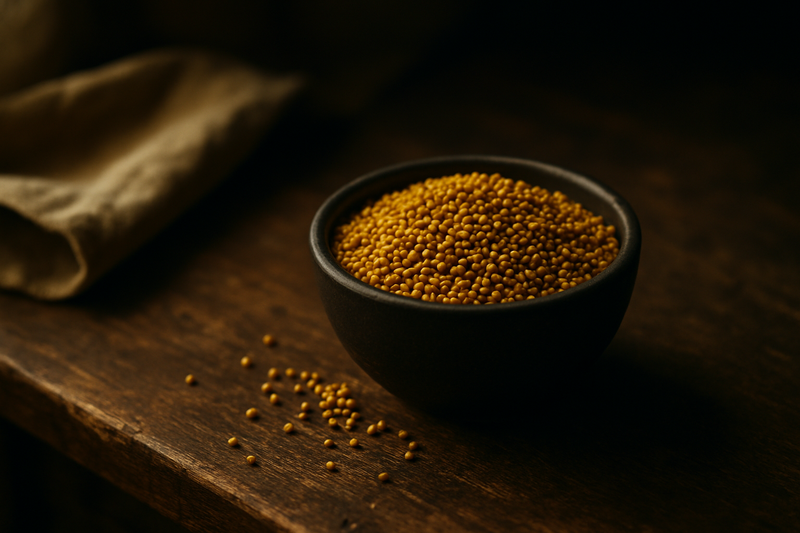
Canola Oil · Photograph
Canola oil sits in a unique position among cooking oils—praised by some health authorities for heart benefits, yet questioned by whole food advocates for being highly processed. Derived from Brassica napus (canola plant), this pale yellow oil has become one of the most widely used cooking fats in North America.
Key Nutrients
% Daily Value based on 2,000 cal diet
Key active compounds in canola oil
Primary fatty acids:
- Oleic acid (monounsaturated): ~63% of total fat content
- Alpha-linolenic acid (ALA, omega-3): ~9-11% of total fat
- Linoleic acid (omega-6): ~20% of total fat
- Saturated fats: Only ~7% of total fat content
Minor compounds:
- Phytosterols: Plant sterols that may help block cholesterol absorption
- Vitamin E (tocopherols): Fat-soluble antioxidants
- Vitamin K: Important for blood clotting and bone health
Who benefits most from canola oil
People transitioning from high-saturated-fat diets may see the most significant benefits from switching to canola oil. Those currently using butter, lard, or coconut oil for cooking could experience improved cholesterol profiles by making this substitution. The evidence is strongest for replacing saturated fats rather than simply adding more total fat.
Budget-conscious cooks seeking heart-healthy oils might find canola oil offers good value compared to premium oils like avocado or walnut oil. Its neutral flavor and moderate smoke point make it versatile for various cooking methods while providing a better fatty acid profile than many conventional vegetable oil blends.
Buying guide for canola oil
Refined vs. cold-pressed: Refined canola oil offers neutral flavor and higher smoke point at lower cost, while cold-pressed versions may appeal to those preferring minimal processing despite limited evidence of superior health benefits.
Label reading tips: Look for "100% canola oil" rather than blends. Avoid products with added preservatives or flavor enhancers if seeking a basic cooking oil. Organic options are available but show no clear health advantages in research.
Storage considerations: Store in cool, dark places to prevent rancidity. Cold-pressed varieties may have shorter shelf lives than highly refined versions. Buy appropriate quantities to use within recommended timeframes.
Prep and pairing ideas
Canola oil works well for medium-heat cooking methods like sautéing vegetables, baking, and making salad dressings where neutral flavor is desired. Its smoke point makes it suitable for stir-frying and light pan-frying.
For whole food plant-based cooking, consider using minimal amounts as a replacement for less healthy fats in transitional recipes. Many WFPB cooks eventually eliminate oils entirely, using techniques like water sautéing, steaming, or using whole-food fats like tahini or nut butters.
When using any oil, focus on vegetables, whole grains, legumes, and other nutrient-dense foods as the foundation of meals rather than oil-heavy preparations.
Bottom line
Canola oil can be a reasonable choice when replacing saturated fats like butter within moderate fat intakes, with research supporting its benefits for cholesterol and cardiovascular risk markers. However, it remains an extracted, calorie-dense product that many whole food plant-based advocates recommend limiting or avoiding entirely.
The choice between canola oil and alternatives often depends more on your overall dietary approach, cooking preferences, and health goals than on dramatic differences between "good" and "bad" oils. Whether you use canola oil occasionally or eliminate it completely, focus on building meals around nutrient-dense whole plant foods.
For those using oils, canola can be part of a healthy pattern when used mindfully and in appropriate amounts.
Ready to explore oil-free cooking techniques and whole-food meal planning? Check out our meal planner for plant-forward recipes that minimize processed ingredients while maximizing nutrition and flavor.
How Canola Oil Compares
| Compared with | What's different |
|---|---|
| Canola Oil vs. Olive Oil | Contains significantly higher levels of alpha-linolenic acid (omega-3) and less saturated fat. |
| Canola Oil vs. Butter | Has a more neutral flavor profile and higher smoke point, making it better for high-heat baking. |
| Canola Oil vs. Coconut Oil | Higher in heart-healthy monounsaturated fats and lower in saturated fats. |
Health Benefits
Things to Know
Calorie density: At 120 calories per tablespoon, canola oil can quickly add significant calories
Processing level: Even "healthy" canola oil is an extracted, refined product
WFPB limitations: Many whole food plant-based programs restrict or eliminate all extracted oils
Portion awareness: Benefits in studies came from replacing other fats, not adding extra calories
People following strict WFPB or very low-fat therapeutic diets
Those with fat malabsorption conditions or on medical low-fat diets
Individuals with rare canola or Brassica family allergies
Anyone prioritizing weight loss where calorie density matters
May affect absorption of fat-soluble medications and supplements
Vitamin K content (though modest) may matter for those on anticoagulants
Significant dietary fat changes should be discussed with healthcare providers managing heart medications
Shop This Ingredient
Stock your pantry with quality canola oil.
Buy on AmazonAs an Amazon Associate, Plantopedia earns from qualifying purchases. This costs you nothing extra and helps us keep the encyclopedia free.
Frequently Asked Questions
Heart and circulation Research suggests canola oil may support cardiovascular health primarily through its favorable fatty acid profile. Studies show that diets providing about 15% of calories from canola oil (roughly 2+ tablespoons daily) can lower total cholesterol, LDL ("bad") cholesterol, and apolipoprotein B compared to diets higher in saturated fat. Large observational studies following hundreds of thousands of people for over a decade found that cooking with canola oil was associated with lower cardiovascular mortality compared to butter, with similar risk profiles to olive oil after adjusting for lifestyle factors. The phytosterols in canola oil may contribute to these benefits by competing with cholesterol for absorption in the intestines. Blood sugar and metabolism Canola oil appears metabolically neutral for blood sugar control. Randomized trials show no adverse effects on fasting glucose or insulin when canola oil provides substantial portions of dietary fat. Some individual studies suggest modest improvements in glucose tolerance when canola replaces saturated fat, but pooled analyses don't show consistent glycemic benefits. Large cohort studies found no association between canola oil use and increased diabetes risk or diabetes-related mortality after adjusting for body weight and lifestyle factors. Inflammation and recovery Despite containing omega-3 ALA that theoretically could reduce inflammation, human studies show largely neutral effects of canola oil on inflammatory markers like C-reactive protein and interleukin-6. While this suggests canola oil doesn't promote inflammation, it also doesn't demonstrate robust anti-inflammatory benefits. The omega-6 to omega-3 ratio in canola oil is more favorable than many common oils, but within typical intake ranges, current evidence doesn't show significant impacts on systemic inflammation markers. Hormones and cycle health Limited research exists on canola oil's specific effects on hormonal health. As a source of essential fatty acids, it may support general hormone production, but no studies demonstrate particular benefits for menstrual health, fertility, or hormone balance compared to other unsaturated oils. From a WFPB perspective, whole-food sources of omega-3s (flax seeds, chia seeds, walnuts) and healthy fats (nuts, seeds, avocados) are generally preferred for supporting optimal hormone function.
Refined canola oil is the most common form, produced through solvent extraction followed by refining, bleaching, and deodorizing. This creates a neutral-tasting oil with a relatively high smoke point (400°F) suitable for sautéing, baking, and moderate-heat cooking. Most research supporting canola oil's health benefits used this refined form. Cold-pressed or expeller-pressed canola oil is mechanically extracted without chemical solvents and may retain more natural flavors and minor nutrients. However, research hasn't demonstrated significant health advantages over refined canola oil for clinical outcomes. This form may appeal to those preferring less processed options when any oil is used. High-oleic canola oil is bred to contain higher levels of monounsaturated fat and lower polyunsaturated fat, improving stability for commercial frying. Limited human data exists, but lipid effects are expected to be similar to standard canola oil.
Most dietary guidelines suggest limiting total added oils to 5-7 teaspoons daily for adults on a 2,000-calorie diet. In research showing heart benefits, canola oil provided about 15% of total calories (roughly 2+ tablespoons daily), but this level may be too high for weight management or therapeutic diets. Start with minimal amounts—1-2 teaspoons for cooking or dressing—and prioritize whole-food fat sources like nuts, seeds, and avocados for most of your fat intake. Those following WFPB approaches often use even less or eliminate added oils entirely. Consider your overall diet quality, health goals, and whether you're replacing less healthy fats or simply adding more calories when determining appropriate amounts.
Quick Answers
Common questions, answered in a line.
Canola oil is characterized by its high monounsaturated fat content (63% oleic acid) and a low saturated fat profile of only 7%. It also provides alpha-linolenic acid (an omega-3 fat), linoleic acid (omega-6), phytosterols, and vitamins E and K.
Yes, canola oil is suitable for medium-heat cooking methods such as sautéing, stir-frying, baking, and light pan-frying. Its neutral flavor profile also makes it a popular choice for preparing salad dressings where a strong oil taste is not desired.
Individuals transitioning from diets high in saturated fats, such as butter or lard, may see the most significant improvements in their cholesterol profiles by switching to canola oil. It is also an economical, heart-healthy option for budget-conscious cooks.
Extracted oils like canola oil are very calorie-dense, containing approximately 120 calories per single tablespoon. Because of this high density, it can quickly add significant calories to a meal, which is a key consideration for those prioritizing weight loss.
To prevent rancidity, canola oil should be stored in a cool, dark place. You should buy quantities that can be used within recommended timeframes, noting that cold-pressed varieties typically have shorter shelf lives than highly refined versions.
Whole food plant-based (WFPB) advocates often recommend limiting or eliminating canola oil because it is a highly processed, extracted fat rather than a whole food. WFPB techniques often replace oil with water sautéing or whole-food fats like tahini and nut butters.
For Readers in the USA
Local context — sourcing, seasonality, and regional notes.
Canola is primarily grown in the Northern Plains of the U.S., with North Dakota producing approximately 85% of the nation's total crop. Other significant producing states include Montana, Washington, Idaho, and Minnesota, where the cool spring climate is ideal for the plant's growth.
In the U.S., canola oil is a staple found in the baking or oils aisle of every major grocery chain, including Walmart, Kroger, and Albertsons. It is sold both as a standalone product and as a primary ingredient in "Vegetable Oil" blends, which are common in American pantries.
Most canola oil sold in the United States is derived from GE (genetically engineered) crops, unless the product carries the USDA Organic seal or the Non-GMO Project Verified label. The FDA considers these GE versions safe, but consumers seeking non-modified options should look for the organic green-and-white shield.
While canola oil is a liquid fat, American dietary guidelines emphasize its role as a healthy replacement for solid fats like butter or lard to reduce saturated fat intake. This swap is a key recommendation from organizations like the American Heart Association to help lower LDL cholesterol levels in the U.S. population.
AI Clinical Review
- Replacing saturated fats (like butter or lard) with canola oil is linked to lower LDL (“bad”) cholesterol and may reduce coronary heart disease risk; this aligns with clinical trials and the FDA’s qualified health claim.
- The nutrient snapshot is accurate: canola oil is predominantly unsaturated fat (mostly monounsaturated), contains some omega‑3 ALA, and is calorie‑dense at ~120 kcal per tablespoon.
- Research to date largely involves refined canola oil; the article appropriately notes that cold‑pressed/expeller‑pressed versions have not shown superior health outcomes.
- The piece fairly frames whole‑food alternatives (nuts, seeds, avocados) as nutrient‑richer options while acknowledging canola oil’s practicality and value when used modestly.
- Anti‑inflammatory effects are not robust in human studies; most data show neutral impacts on common markers (e.g., C‑reactive protein), so expectations should be modest.
- Glycemic control findings are mixed and generally neutral; benefits, when seen, likely reflect replacing saturated fat rather than a unique blood sugar effect.
- Long‑term outcomes comparing canola oil with extra‑virgin olive oil or different canola formulations (e.g., high‑oleic, cold‑pressed) are limited, so any superiority claims are premature.
- The real‑world significance of oil oxidation byproducts from high‑heat cooking remains debated, and high‑quality human data are sparse.
- Portion guidance: many dietary patterns suggest about 5–7 teaspoons of total added oils per day on a 2,000‑kcal diet. Trial doses showing lipid benefits (~2+ tablespoons/day) may not suit weight‑loss goals unless clearly replacing other fats.
- Anticoagulation: canola oil contains vitamin K; people on warfarin or vitamin‑K–sensitive anticoagulants should keep intake consistent and consult their clinician before making changes.
- Omega‑3 nuance: ALA in canola oil converts only modestly to EPA/DHA; individuals with higher omega‑3 needs (e.g., certain cardiac or pregnancy contexts) may require marine sources or supplements.
- Use caution if you have fat‑malabsorption disorders, are on very low‑fat therapeutic diets, or have Brassica allergies. Store in a cool, dark place and discard if the oil smells or tastes rancid.
Flag strict WFPB limitations for extracted oils and highly processed fat products.
References
- USDA FoodData Central - Canola oil nutrition facts and
Know Your Numbers
Eating healthy is a start. Now get to know your biomarkers.
Food changes bloodwork — inflammation, lipids, blood sugar and nutrient status all respond to what you eat. 59 markers from $59.
- Results in 7–10 days at 2,000+ Quest sites
- Licensed provider reviews every result
- One flat price, no membership, HSA/FSA eligible
Educational information only, not medical advice. Panels are ordered and reviewed through our licensed partner; Plantopedia may earn a commission.