Cashew Sour Cream — health benefits and uses
A plant riff on cultured dairy fats using nutrient-dense cashews.
The Short Answer
Cashew sour cream is a dairy-free alternative providing 5g of protein and 12g of healthy fats per 2-tablespoon serving. It contains oleic acid and magnesium, which support heart health and blood pressure when used to replace saturated animal fats.
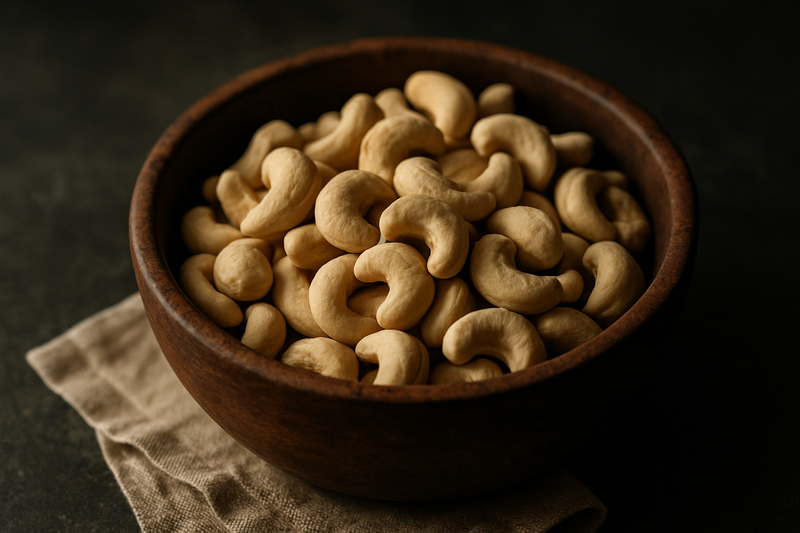
Cashew Sour Cream · Photograph
Discover the cashew sour cream health benefits backed by human research, including its heart-friendly fats, mineral content, and gut-friendly potential. Learn nutrition facts, safe daily amounts, allergy cautions, and how this dairy-free topping compares to regular sour cream for tacos, chili, and more.
Key Nutrients
% Daily Value based on 2,000 cal diet
Key active compounds in cashew sour cream
- Oleic acid — A monounsaturated fatty acid (single double bond in its carbon chain) that makes up roughly 60% of cashew fat. Research on oleic-acid-rich diets consistently links it to healthier blood lipid profiles.
- Linoleic acid — The primary polyunsaturated omega-6 fatty acid in cashews; supports cell membrane integrity and, in balance with omega-3 fats, contributes to normal inflammatory signalling.
- Phytosterols — Plant compounds structurally similar to cholesterol that can compete with cholesterol for absorption in the gut, modestly supporting healthy LDL levels.
- Polyphenols — A broad family of plant compounds with antioxidant properties, including phenolic acids and flavonoids found in cashew kernels. These may help protect fats and proteins from oxidative damage (damage caused by reactive molecules called free radicals).
- Carotenoids (lutein and zeaxanthin) — Fat-soluble pigments in small amounts; the fat matrix of cashew sour cream may actually help absorb carotenoids from other vegetables in the same meal.
- Magnesium — A mineral cofactor (a helper molecule) in over 300 enzyme reactions including energy production, nerve signalling, and blood pressure regulation.
- Copper — Essential for iron metabolism, collagen formation, and the antioxidant enzyme superoxide dismutase.
Is cashew sour cream healthy? What the research shows
Heart and circulation
This is the most studied area for cashew consumption. Multiple randomised controlled trials (studies where participants are randomly assigned to a cashew group or a control group) and two published meta-analyses (pooled analyses of multiple trials) report that eating roughly 1–1.5 oz (28–42 g) of cashews per day for 8–12 weeks does not significantly raise LDL ("bad") cholesterol and produces modest, statistically meaningful reductions in triglycerides (a type of blood fat) and systolic blood pressure (the top number in a blood pressure reading).
The Brazilian Nuts Study — a randomised controlled trial — found that adding cashew nuts or cashew oil to a weight-loss diet improved atherogenic markers such as apolipoprotein B (a protein that carries harmful cholesterol particles) and liver function markers compared with a control diet, without slowing fat loss. For cashew sour cream health benefits in a cardiovascular context, the relevant mechanism is straightforward: replacing a few tablespoons of dairy sour cream (saturated fat) with cashew sour cream (mostly unsaturated fat) is a meaningful substitution in the direction current evidence supports.
Practical note: A condiment serving of 2–4 tablespoons contains roughly 0.5–1 oz of cashews — somewhat less than the doses used in trials, so effects will be subtle. But direction matters, and consistent small shifts compound over time.
Digestive health and gut microbiome
Raw cashews provide about 3.3 g of dietary fibre per 100 g (roughly 0.9 g per 1-oz serving). Fibre feeds beneficial gut bacteria, the community of microbes called the gut microbiome. Because cashew sour cream is used in modest portions, the fibre contribution per sitting is modest compared with a bowl of legumes — but it still counts toward your daily total.
Cultured cashew sour cream — made with a lactic acid bacteria starter — is in a different category, at least in theory. Fermented foods made with live bacterial cultures have demonstrated gut-health benefits in broader research (improved microbiome diversity, reduced digestive discomfort). However, there are currently no human clinical trials specifically evaluating cashew-based fermented cream. Whether live cultures survive into your bowl depends on how the product was made, stored, and whether it was heat-treated after fermentation. Look for labels that say "contains live and active cultures" and keep the product refrigerated.
Blood sugar and metabolism
Cashews rank as a low-glycaemic food (foods that raise blood sugar slowly). The one randomised controlled trial that specifically tracked fasting blood glucose found no significant change after 1.5 servings of cashews daily — meaning cashews appear to be glycaemically neutral rather than harmful. Using cashew sour cream in place of a starchy, high-carbohydrate topping may help flatten the blood sugar spike after a meal, but this is an extrapolation from general macronutrient principles rather than direct cashew-sour-cream trial data.
People managing diabetes should count the calorie density of cashew sour cream in their overall meal plan and discuss any significant dietary shifts with their care team.
Inflammation and recovery
Evidence here is emerging rather than established. Human cashew trials have measured vascular biomarkers such as endothelin (a protein involved in blood vessel constriction) and adhesion molecules (proteins involved in inflammation-related cell sticking) rather than broad inflammatory panels. Results showed no significant adverse changes with cashew consumption — meaning cashews are unlikely to worsen inflammation — but this is not the same as demonstrating a clear anti-inflammatory effect.
Any anti-inflammatory potential is best attributed to the overall pattern of replacing saturated fat with unsaturated fat, plus cashews' magnesium and polyphenol content, rather than to a direct proven mechanism.
Prep and pairing ideas
Classic taco bar dollop — Spoon 2 tablespoons of cashew sour cream onto bean or lentil tacos alongside pickled jalapeños, shredded cabbage, and salsa. The creamy fat carries fat-soluble carotenoids from the vegetables and tempers chili heat.
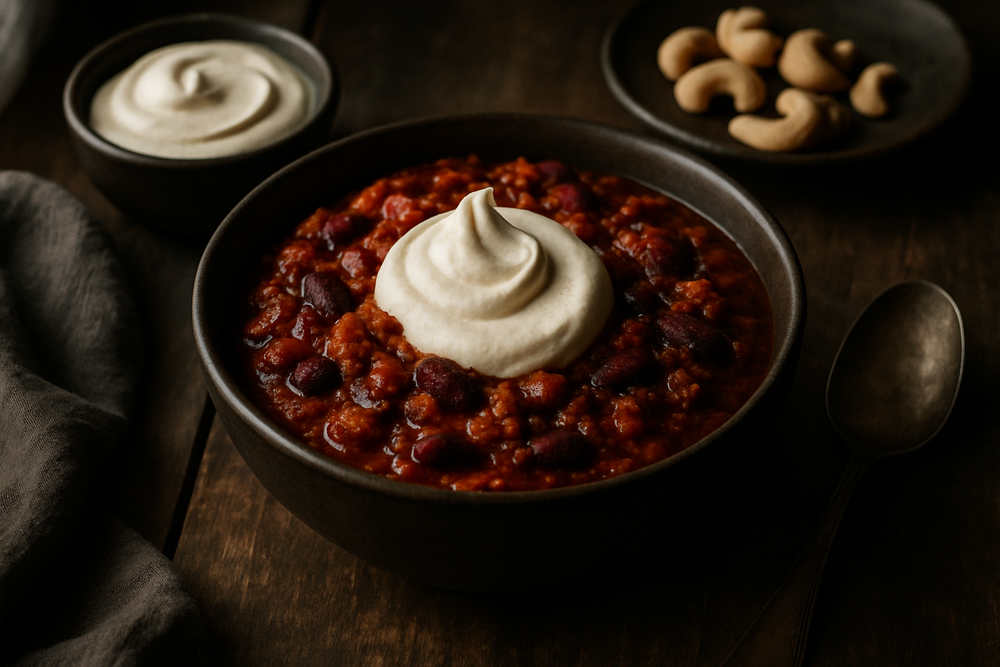
Chili topper — A swirl of cashew sour cream on a bowl of kidney bean and sweet potato chili adds richness and a cooling contrast. Cashew cream's neutral flavour lets the spices stay front and centre.
Loaded baked potato — Use cashew sour cream in place of butter and dairy sour cream on a baked russet potato. Add steamed broccoli and a sprinkle of smoked paprika. The fibre from the potato skin and broccoli pairs well with the slow-digesting fats in the cashew topping for a lower glycaemic response than a potato with refined toppings.
Bottom line
Cashew sour cream is a nutritionally credible, whole-food-based alternative to dairy sour cream for people avoiding dairy, reducing saturated fat, or following a plant-based eating pattern. The strongest evidence is for modest cardiometabolic benefits — primarily small reductions in triglycerides and blood pressure — when cashews are consumed regularly as part of a balanced diet. Its mineral content (especially copper and magnesium) adds genuine micronutrient value that dairy sour cream does not match.
The caveats are real: it is calorie-dense, it is a common allergen, and the gut-health benefits of cultured versions remain speculative without cashew-specific human trial data. Use it in tablespoon-scale condiment portions, replace rather than add, and keep the rest of your plate fibre-rich and vegetable-forward. Done that way, cashew sour cream earns its place as more than just a workaround — it is a genuinely useful whole-food fat.
If you are exploring dairy-free swaps and want personalised guidance on portion sizes and nutrient targets, browse ingredient goals and patterns at Plantopedia.
How Cashew Sour Cream Compares
| Compared with | What's different |
|---|---|
| Cashew Sour Cream vs. Dairy Sour Cream | Lower in saturated fat and contains 5g of plant protein per 2 tbsp serving. |
| Cashew Sour Cream vs. Coconut Milk Yogurt | Higher in protein and minerals like magnesium, though often lower in probiotics. |
| Cashew Sour Cream vs. Silken Tofu Cream | Tastes more neutral; cashew cream is richer in heart-healthy monounsaturated fats. |
Health Benefits
Things to Know
Tree nut allergy: Cashews are one of the most common tree nuts involved in allergic reactions, including anaphylaxis (a severe, potentially life-threatening immune response). Anyone with a diagnosed tree nut allergy or prior anaphylactic reaction must avoid cashew sour cream entirely. Cross-contamination risk exists in shared kitchens.
Calorie density: Cashews provide about 155 calories per ounce. Using cashew sour cream generously adds calories quickly; aim for 2–4 tablespoons as a condiment, not a sauce used by the cup.
Chronic kidney disease (CKD): Cashews are moderately high in phosphorus (166 mg/oz) and potassium (185 mg/oz). People on phosphorus- or potassium-restricted diets due to CKD should discuss cashew intake with their dietitian.
Gallbladder or pancreatic conditions: High-fat foods, including cashew sour cream, may aggravate symptoms in people with active gallbladder disease or pancreatitis. Follow your clinician's fat guidance.
Vitamin K and anticoagulants: Cashews contain about 9.5 mcg of vitamin K (phylloquinone) per ounce. This is modest, but people on warfarin (a blood thinner that interacts with vitamin K) should keep intake consistent rather than highly variable to avoid affecting INR (a measure of how long blood takes to clot).
Blood pressure medications: Cashew consumption has shown small blood-pressure-lowering effects in trials. If you significantly increase nut intake while on antihypertensive medications, monitor blood pressure and consult your provider if readings drop lower than usual.
Diabetes medications: Replacing high-carbohydrate toppings with cashew sour cream may slightly reduce postprandial (after-meal) glucose spikes, which could affect insulin or oral medication needs. Coordinate significant dietary pattern shifts with your healthcare team.
Fermented versions and pregnancy/immunosuppression: Home-fermented cashew sour cream carries a small risk of harmful microbial growth if preparation or storage hygiene is imperfect. Pregnant people, immunocompromised individuals, and young children should be especially cautious with home-cultured products and may prefer commercial versions with known safety controls.
Refrigerate: Cashew sour cream is perishable. Homemade versions should be stored in an airtight container in the refrigerator and used within 4–5 days. Discard if you notice off smells, colour changes, or visible mould.
Glossary
Shop This Ingredient
Stock your pantry with quality cashew sour cream.
Buy on AmazonAs an Amazon Associate, Plantopedia earns from qualifying purchases. This costs you nothing extra and helps us keep the encyclopedia free.
Frequently Asked Questions
There are four practical forms worth knowing: 1. Uncultured blended cashew cream — Made by soaking raw cashews for 4–8 hours, draining, and blending with fresh water, lemon juice, and salt until very smooth. This is the simplest form: it preserves all the fat, protein, fibre, and minerals of raw cashews with no live cultures. Use within 4–5 days, refrigerated. 2. Cultured (fermented) cashew sour cream — The blended cashew base is inoculated with a starter culture (a measured amount of lactic acid bacteria or unsweetened live plant yogurt) and left at a warm temperature for 12–24 hours to ferment. The result is tangier and may contain live microbes if not heat-treated. This version overlaps with fermented foods research, but cashew-specific gut-health human data are lacking. Hygiene during preparation is critical — see safety section below. 3. Seasoned cashew crema — Variations that add garlic, lime zest, herbs, or mild chiles. Flavorings do not change the macronutrient profile meaningfully but add phytochemicals like allicin (from garlic) and capsaicin (from chiles). Watch sodium if using seasoning blends. 4. Commercial cashew sour cream — Packaged products may include thickeners (tapioca starch, locust bean gum), added oils, or stabilisers, and may or may not be cultured. Pasteurised commercial products have no live cultures. Always read the label for ingredients, allergens, and storage instructions, and compare nutrition facts to the homemade baseline. For cashew sour cream nutrition facts and maximum whole-food benefit: homemade uncultured or lightly cultured versions using only raw cashews, water, acid, and salt come closest to the nutrient profile studied in trials.
People transitioning away from dairy Looking for a familiar, creamy texture on tacos, chili, and baked potatoes without lactose or casein. Want to reduce saturated fat intake from dairy without giving up the cooling, rich contrast to spiced dishes. Benefit from cashews' copper and magnesium, nutrients that are easy to fall short on when removing dairy. People focused on heart-healthy eating patterns Following a whole-food, plant-based or Mediterranean-style diet where nuts are already encouraged. Want a condiment that aligns with cardiometabolic goals rather than working against them. Can use cashew sour cream as a substitute for higher-saturated-fat options in the context of a fibre-rich, vegetable-forward meal.
Human trials supporting cardiovascular benefits used approximately 1–1.5 oz (28–42 g) of whole cashews per day. Two tablespoons of cashew sour cream represents roughly 0.5–1 oz of cashews (depending on water dilution in the recipe), so 2–4 tablespoons per day as a condiment sits comfortably within that range. Practical starting guidance: Begin with 1–2 tablespoons per meal to gauge digestive comfort, especially if you are new to high-nut diets. Use it as a replacement for dairy sour cream, cheese sauce, or other creamy toppings rather than an addition. If you are monitoring calorie intake for weight management, pre-measure portions; it is easy to significantly exceed a tablespoon when scooping freely. There is no established upper limit for cashew sour cream specifically, but intake above 1.5 oz of cashews per day does not appear to add incremental cardiovascular benefit based on current trial data and simply adds calories.
Quick Answers
Common questions, answered in a line.
Cashew sour cream contains heart-friendly monounsaturated fats, minerals like magnesium and copper, and plant sterols that may support healthy cholesterol levels. Unlike dairy versions, it provides fiber and antioxidants like polyphenols while offering a lower-glycemic alternative for blood sugar management.
Research indicates that consuming 1 to 1.5 ounces of cashews daily can modestly reduce triglycerides and systolic blood pressure without raising LDL cholesterol. Replacing saturated dairy fats with the unsaturated fats in cashew sour cream supports healthier blood lipid profiles.
Cashew sour cream provides magnesium for nerve signaling and copper for iron metabolism, both of which are not found in significant amounts in dairy sour cream. It is also lower in saturated fat, containing mostly oleic acid, which is linked to better heart health outcomes.
Cultured cashew sour cream made with lactic acid bacteria may support microbiome diversity and digestive comfort, though specific clinical trials on this fermented product are still needed. Even unfermented versions contribute a small amount of dietary fiber that feeds beneficial gut bacteria.
Cashews are a low-glycemic food, and replacing high-carbohydrate toppings with cashew cream may help flatten blood sugar spikes after a meal. One clinical trial found that regular cashew consumption was glycemically neutral, meaning it did not negatively impact fasting blood glucose.
Individuals with a tree nut allergy must avoid cashew sour cream entirely due to the risk of severe reactions like anaphylaxis. It is also calorie-dense, so those monitoring weight or managed conditions like chronic kidney disease should be mindful of portion sizes.
For Readers in the USA
Local context — sourcing, seasonality, and regional notes.
You can find cashew sour cream at major US retailers like Whole Foods Market, Sprouts Farmers Market, and Trader Joe's, as well as through national brands like Forager Project and Kite Hill. Many conventional grocery chains, such as Kroger and Safeway, now stock these plant-based alternatives in the refrigerated natural foods or dairy-free sections.
Cashew sour cream products sold in the US may carry the USDA Organic seal, which ensures the cashews were grown without synthetic fertilizers or prohibited pesticides. Look for the "Certified Vegan" logo or the "Non-GMO Project Verified" seal on packaging if you have specific dietary or environmental preferences beyond standard FDA labeling.
While cashews are not grown commercially in the US, cashew sour cream is a year-round staple used in American regional cuisines like Tex-Mex for tacos and Midwestern "comfort food" for loaded baked potatoes. It is particularly popular during the US "Veganuary" movement in January and as a dairy-free substitute for heavy holiday dips during the American Thanksgiving and Christmas seasons.
AI Clinical Review
- Replacing dairy sour cream (higher in saturated fat) with a cashew-based option (rich in mono- and polyunsaturated fats) aligns with clinical evidence showing small improvements in triglycerides and systolic blood pressure from regular nut intake in randomized controlled trials (RCTs) and meta-analyses.
- The mineral profile is accurately described: cashews are notably high in copper and provide meaningful magnesium and phosphorus compared with dairy sour cream.
- Portion and context are emphasized appropriately—using it as a swap, not an add-on—acknowledging cashews’ calorie density.
- Allergy and safety flags are clear, especially the reminder that cashews are a common tree-nut allergen and that commercial products may include added oils/thickeners.
- Serving estimates (2–4 tablespoons ≈ 0.5–1 oz cashews) map reasonably to amounts studied in cashew RCTs.
- Most data reference whole cashews or mixed-nut patterns; cashew sour cream specifically has not been tested for cardiometabolic outcomes.
- Claims around cultured versions and gut benefits are plausible but product-specific; the presence and viability of live cultures vary and are rarely quantified.
- Anti-inflammatory and glycemic effects appear modest and inconsistent across trials; benefits likely stem from overall dietary patterns rather than this single condiment.
- Fat-assisted carotenoid absorption is mechanistically sound but not directly demonstrated for cashew sour cream in clinical studies.
- Practical intake: 2–4 tablespoons per day is a reasonable condiment range (about 0.5–1 oz cashews); intakes above ~1.5 oz cashews/day mainly add calories without clear added benefit in trials.
- Avoid entirely with any tree-nut allergy; consider cross-contact risks in shared kitchens and restaurants.
- Check in with a clinician if you have chronic kidney disease (phosphorus/potassium), gallbladder or pancreatic disorders, or if you use warfarin or multiple antihypertensives—keep intake consistent.
- For fermented versions, food safety matters: clean technique and refrigeration are essential; pregnant or immunocompromised individuals may prefer pasteurized commercial products (which won’t contain live cultures).
Tree nut allergen; refrigerate. Overlaps with fermented if cultured.
References
- USDA Nutritional Data: Nuts, cashew nuts, raw (SR Legacy FDC ID 170162) — Primary source for all macronutrient and mineral values used on this page. (batchbase.com.au)
- USDA cashew nutrient table per 100 g — Confirms per-gram values used to calculate per-serving figures. (growables.org)
- Randomised controlled trial: Cashew consumption and blood lipid/cardiovascular markers — Found no significant LDL change but supported safety of daily cashew intake in healthy adults. (pubmed.ncbi.nlm.nih.gov)
- Meta-analysis: Cashew nut intake, lipid profile, and blood pressure across RCTs — Pooled analysis showing modest triglyceride and blood pressure reductions with regular cashew consumption. (sciencedirect.com)
- Meta-analysis: Cashew nut effect on cardiovascular risk factors — Confirms small but consistent blood pressure benefits from cashew inclusion in diet. (pmc.ncbi.nlm.nih.gov)
- Brazilian Nuts Study RCT: Cashew nuts and cashew oil in weight-loss diet — Found improvements in apolipoprotein B, neck circumference, and liver markers without hindering weight loss. (pubmed.ncbi.nlm.nih.gov)
- RCT: Mixed nuts including cashews in a Brazilian Cardioprotective diet after myocardial infarction — Assessed effects on LDL cholesterol in post-heart-attack adults following nut-enriched diets. (nutritionj.biomedcentral.com)
- NIH NCCIH: Tree nuts and health overview — Public health context for nut consumption, allergen risks, and general safety guidance. (nccih.nih.gov)
Know Your Numbers
Eating healthy is a start. Now get to know your biomarkers.
Food changes bloodwork — inflammation, lipids, blood sugar and nutrient status all respond to what you eat. 59 markers from $59.
- Results in 7–10 days at 2,000+ Quest sites
- Licensed provider reviews every result
- One flat price, no membership, HSA/FSA eligible
Educational information only, not medical advice. Panels are ordered and reviewed through our licensed partner; Plantopedia may earn a commission.