Chestnut Puree — health benefits and uses
Chestnuts were a European mountain staple, ground into flour and paste.
The Short Answer
Chestnut puree is a low-fat, gluten-free pantry staple made from blended chestnuts, providing 186 calories and 1 gram of fiber per 100g serving. It is used as a thickener for savory soups or a naturally sweet base for desserts and yogurts.
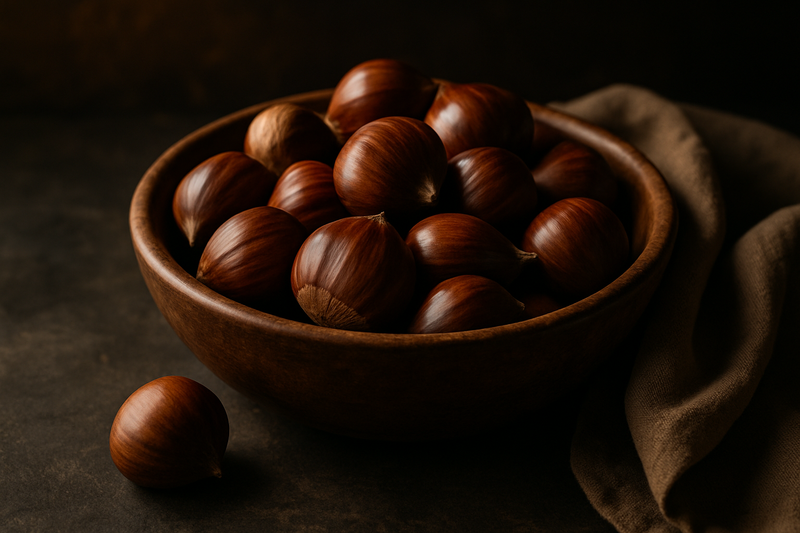
Chestnut Puree · Photograph
Discover the chestnut puree health benefits you need to know: low in fat, rich in complex carbs and fiber, and naturally gluten-free. Learn nutrition facts, safe daily amounts, and how to use it in sweet and savory recipes — plus what to watch for with sweetened dessert versions.
Key Nutrients
% Daily Value based on 2,000 cal diet
Key active compounds
- Polyphenols (flavonoids and phenolic acids): A broad class of plant compounds with antioxidant and cell-signaling properties. In chestnuts, these may contribute to antioxidant capacity and vascular health, though most evidence comes from laboratory studies rather than human trials.
- Tannins: A subgroup of polyphenols that give chestnuts a mildly astringent taste and may influence digestive processes and antioxidant activity. The amounts in typical puree servings are modest.
- Carotenoids and minor antioxidants: Pigmented plant compounds such as beta-carotene that contribute to overall oxidative balance. Chestnuts contain small amounts; cooking and processing may reduce them somewhat.
- Dietary fiber (soluble and insoluble): Supports gut transit, feeds beneficial gut bacteria, and helps moderate the absorption of glucose after meals.
- Complex carbohydrates (starch): The primary energy source; digested more slowly than simple sugars, supporting more gradual rises in blood glucose compared with refined-flour products.
Prep and pairing ideas
Chestnut puree is one of those ingredients that genuinely earns its place in both sweet and savory kitchens. Here are three tried-and-tested pairings:
1. Chestnut puree + roasted root vegetables (savory soup base) Stir 2–3 tablespoons of unsweetened chestnut puree into a blended parsnip, celeriac, or butternut squash soup. It adds body, a subtle sweetness, and a velvety texture without any cream or added fat. The fiber from both the puree and the vegetables makes this a genuinely filling, gut-friendly meal.
2. Chestnut puree + plain yogurt or skyr (quick dessert or breakfast) Swirl a tablespoon of lightly sweetened chestnut puree through plain Greek yogurt or skyr. The protein and fat in the yogurt slow the digestion of the carbohydrates in the puree, giving you a more stable blood glucose response than the puree alone. Add a sprinkle of cacao nibs or crushed walnuts for texture.
3. Chestnut puree + wild rice stuffing (holiday or weekend cooking) Mix unsweetened chestnut puree through a stuffing of cooked wild rice, sautéed leeks, fresh sage, and toasted pine nuts. It binds the mixture naturally, adds a rich, nutty flavour, and replaces butter or cream in a whole-food plant-based version of a classic side dish.
Quick prep tips:
- Stir well before using — separation is normal in jars stored in the fridge.
- Once opened, refrigerate and use within 3–5 days for best quality.
- Freeze leftover puree in ice cube trays for easy portioning into soups or smoothies.
- For homemade versions, score, boil or roast whole chestnuts, peel while warm, then blend with just enough water to reach your desired consistency.
Bottom line
Chestnut puree is a genuinely distinctive plant food: low in fat, rich in complex carbohydrates and modest fiber, naturally gluten-free, and useful across a wide range of sweet and savory recipes. The evidence suggests it can be a smart, versatile addition to a balanced, whole-food eating pattern — particularly for people looking for a low-fat nut-based spread that differs meaningfully from conventional nut butters.
The main caveat is the sugar question. Unsweetened chestnut puree is nutritionally solid. Sweetened pastry-grade versions are a treat food, not a health food, and should be used with the same mindfulness you would apply to jam or confectionery spreads. Read labels, choose unsweetened or lightly sweetened versions for regular use, and pair with protein and healthy fat to balance any carbohydrate load.
If you are managing a tree nut allergy, diabetes, or celiac disease, specific precautions apply — see the safety section above and speak with your healthcare provider.
How Chestnut Puree Compares
| Compared with | What's different |
|---|---|
| Chestnut Puree vs. Almond Butter | Significantly higher in starch and fiber with a lower fat content than creamy nut butters. |
| Chestnut Puree vs. Sweetened Red Bean Paste (Anko) | Has a coarser, starchier texture and earthy flavor compared to the smooth, sugary bean paste. |
Health Benefits
Things to Know
Tree nut allergy: Chestnuts are a tree nut. If you have a confirmed or suspected tree nut allergy, avoid chestnut puree entirely. Cross-reactivity with other tree nuts is possible but variable — consult an allergist.
Diabetes and insulin resistance: Unsweetened versions can fit into a balanced diet for blood sugar management, but sweetened pastry-grade purees may cause significant blood glucose spikes. Check total carbohydrate and sugar per serving and time consumption with meals.
Low-FODMAP diets: Chestnuts contain some fermentable carbohydrates. If you follow a low-FODMAP protocol for IBS or similar conditions, introduce chestnut puree in small amounts and assess your personal tolerance.
Weight management: Unsweetened chestnut puree is relatively low in calories, but sweetened versions can add up quickly. Factor total carbohydrate and calorie content into your daily plan.
Celiac disease / gluten sensitivity: Chestnuts are naturally gluten-free, but commercial purees may be processed in facilities that handle wheat or other gluten-containing grains. Look for certified gluten-free labeling if this matters for your health.
Sodium: Most plain chestnut purees are low in sodium, but some blended products or savory preparations may add salt. Check labels if you are monitoring sodium intake, for example alongside antihypertensive (blood-pressure-lowering) medication.
Medication interactions: No specific drug interactions are documented for chestnut puree. However, people taking insulin or oral glucose-lowering medications should account for carbohydrate content, especially with sweetened versions.
Pregnancy: Unsweetened chestnut puree is generally considered safe in food amounts during pregnancy as part of a balanced diet. No specific concerns are identified, but as with any new food, introduce gradually.
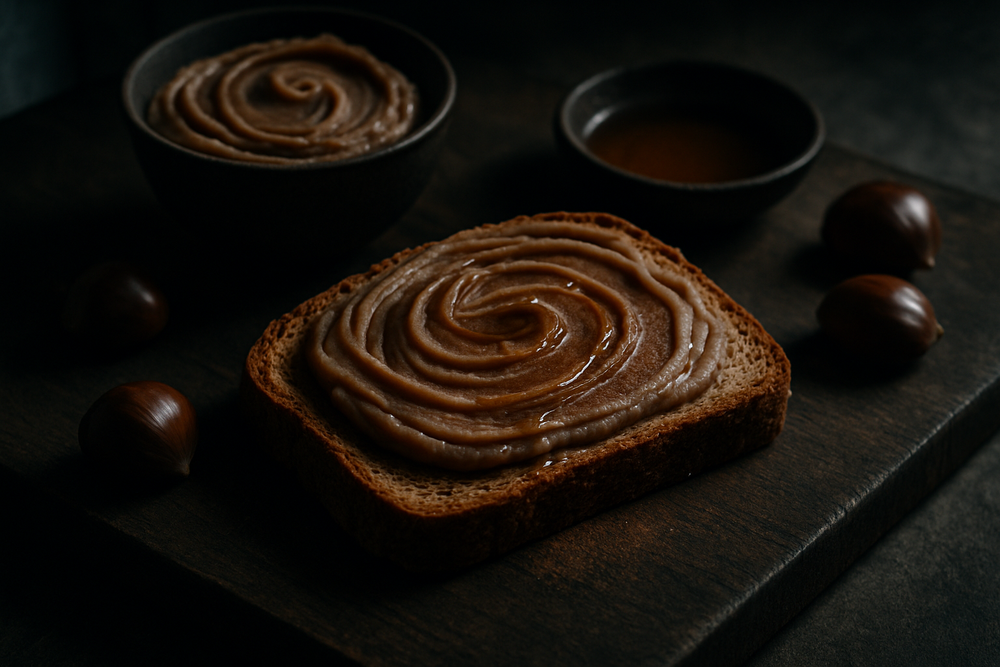
Prep Ideas
- — Stir well before using — separation is normal in jars stored in the fridge.
- — Once opened, refrigerate and use within 3–5 days for best quality.
- — Freeze leftover puree in ice cube trays for easy portioning into soups or smoothies.
- — For homemade versions, score, boil or roast whole chestnuts, peel while warm, then blend with just enough water to reach your desired consistency.
Glossary
Shop This Ingredient
Stock your pantry with quality chestnut puree.
Buy on AmazonAs an Amazon Associate, Plantopedia earns from qualifying purchases. This costs you nothing extra and helps us keep the encyclopedia free.
Frequently Asked Questions
It is worth being upfront: no clinical trials have been done specifically on chestnut puree. The benefits below are supported by evidence on chestnuts themselves, on dietary fiber, on low-saturated-fat eating patterns, and on whole-food plant-based diets. They are plausible and consistent with current nutritional science, but they should not be read as guarantees. Heart and circulation Unsweetened chestnut puree is extremely low in total fat and essentially free of saturated fat (the type of fat most strongly linked to raised LDL — "bad" — cholesterol). Using it in place of higher-fat spreads like butter, cream cheese, or even standard nut butters reduces your saturated fat intake, which is one component of a heart-supportive diet. The modest fiber content also aligns with dietary patterns consistently associated with lower cardiovascular risk in large population studies. Sweetened dessert versions, however, can contain enough added sugar to partially offset these advantages if consumed regularly and in large amounts. Digestive health and microbiome Unsweetened chestnut puree provides around 2–4 g of fiber per 100 g — a meaningful contribution toward the daily target of 25–38 g most adults should aim for. Fiber supports regular bowel movements, helps feed beneficial gut bacteria (the community of microorganisms in your digestive tract, sometimes called the microbiome), and may reduce the risk of conditions like constipation and diverticular disease. The evidence here comes from human studies on dietary fiber in general, not on chestnut puree specifically. If you are sensitive to fermentable carbohydrates — for instance, if you follow a low-FODMAP diet for irritable bowel syndrome — start with small amounts, as chestnuts contain some fermentable starches. Blood sugar and metabolism Because the carbohydrates in unsweetened chestnut puree are predominantly in starch form, they are digested more gradually than simple sugars or refined flours. When paired with protein, healthy fat, or additional fiber (say, stirred into yogurt or spread on a seed cracker), the effect on blood glucose after eating — known as postprandial glucose — tends to be more moderate than equivalent refined-carbohydrate foods. However, sweetened chestnut purees used in pastry can contain 20 g or more of added sugar per serving, which can cause rapid rises in blood glucose and requires caution for people with diabetes or insulin resistance. No direct glycemic index study on chestnut puree has been published. Inflammation and recovery Chestnuts contain polyphenols and other plant compounds that show antioxidant activity in laboratory settings. Eating a diet rich in plant foods, fiber, and low in saturated fat is consistently associated with lower markers of systemic inflammation — that is, low-grade, body-wide inflammatory activity linked to chronic disease. Chestnut puree fits that pattern. The effect from chestnut puree specifically is likely modest and indirect, most apparent when it replaces more processed, high-sugar, or high-saturated-fat spreads in an overall whole-foods diet.
The short answer: unsweetened for everyday use, sweetened only as an occasional treat, and homemade when you want full control. Unsweetened chestnut puree is the closest to whole-food nutrition: low fat, moderate fiber, no added sugars. It works in savory and sweet applications equally well and is the version most aligned with the benefits described above. Lightly sweetened chestnut puree adds a small amount of sugar and is a reasonable middle ground for spreading on toast or mixing into a dessert recipe, as long as you check the label and keep portions sensible. Sweetened dessert or pastry-grade puree (sometimes labeled crème de marron) is formulated for confectionery. It can be delicious, but it is nutritionally more like a sweet spread or jam than a health food. Use it thoughtfully and in small amounts. Flavored versions (vanilla, rum, chocolate) vary enormously by brand. Check the ingredient list for added oils, dairy, and the total sugar content. Homemade chestnut puree — boiled or roasted chestnuts blended with water or plant milk — lets you control every ingredient. It is the best option for whole-food plant-based eating and for people managing specific dietary needs.
The gluten-free pantry builder Looking for a naturally gluten-free spread with more substance than jam but less fat than nut butter. Wants variety beyond rice-based or corn-based gluten-free products. Can use chestnut puree in baking to replace some flour, add body to soups, or spread on gluten-free crackers. Note: Check product labels for potential gluten cross-contamination if you have celiac disease. The whole-food plant-based cook Wants to expand beyond the usual rotation of hummus, tahini, and almond butter. Values a spread that is genuinely low in fat and high in complex carbohydrates. Enjoys experimenting with sweet and savory applications — from stuffing and soups to desserts. Benefits most from unsweetened versions kept on hand as a base ingredient.
There is no established clinical upper limit for chestnut puree. Practical guidance follows the same logic as other starchy, fiber-containing foods: Typical culinary range: 1–4 tablespoons (15–60 g) per day, used as a spread, soup ingredient, or recipe component. Start low: If you are new to chestnut products or have a sensitive digestive system, begin with 1 tablespoon and increase gradually. The fiber content can cause gas or loose stools if you increase intake too quickly. Sweetened versions: Even smaller portions (1–2 tablespoons) are advisable for sweetened pastry-grade purees, given their higher sugar content. Energy balance: At roughly 30 calories per 2-tablespoon serving (unsweetened), chestnut puree is easy to fit into most eating patterns. Sweetened versions may double or triple that figure. No supplement dose needed: Chestnut puree is a food, not a concentrated supplement. There is no evidence that eating more than a few tablespoons daily produces additional benefit, and large amounts of any single starchy food may displace other nutrients. Explore more: See how chestnut puree fits into heart-healthy and gut-supportive eating patterns at Plantopedia Goals.
Quick Answers
Common questions, answered in a line.
Chestnut puree is naturally gluten-free, making it a safe choice for those with celiac disease or gluten sensitivity. However, always check labels for certified gluten-free status, as some commercial versions may be processed in facilities that handle wheat or other gluten-containing grains.
You should refrigerate opened chestnut puree and use it within 3 to 5 days to ensure the best quality. For longer storage, you can freeze leftovers in ice cube trays to easily portion them into future soups or smoothies.
Unsweetened chestnut puree is a low-fat, nutrient-dense ingredient that can support weight management when factored into your daily calorie plan. Sweetened or pastry-grade versions are much higher in sugar and calories, so they should be consumed mindfully as a treat.
Chestnut puree provides a healthy source of energy through complex carbohydrates and dietary fiber. These starches are digested more slowly than simple sugars, supporting a more gradual rise in blood glucose levels compared to refined-flour products.
Yes, chestnut puree supports digestive health because it contains both soluble and insoluble dietary fiber. These fibers help facilitate gut transit, feed beneficial gut bacteria, and can moderate the absorption of glucose after a meal.
Unsweetened chestnut puree can fit into a diabetes-friendly diet, but sweetened pastry-grade versions may cause significant blood glucose spikes. It is best to check the total carbohydrate content and pair the puree with protein or healthy fats to stabilize your blood sugar response.
Chestnut puree is a versatile ingredient used to add body to savory soups, bind wild rice stuffings, or serve as a nutritious swirl in yogurt and skyr. It acts as a whole-food, plant-based alternative to butter or cream in various recipes.
For Readers in the USA
Local context — sourcing, seasonality, and regional notes.
In the United States, you can find canned or jarred chestnut puree at specialty retailers like Whole Foods Market, Trader Joe's (seasonally), and high-end grocers like Wegmans or Zabar's. For the widest selection of unsweetened versions, check the international or baking aisles of French or Italian specialty markets.
Fresh American chestnuts are harvested from late September through November, making autumn the peak season for making homemade puree in states like Michigan, Oregon, and Washington. While the domestic industry is growing, many store-bought purees in the US are imported from France or Italy and are available year-round.
When buying processed chestnut puree in the US, look for the USDA Organic seal to ensure the nuts were grown without synthetic pesticides and the "unsweetened" label to avoid high amounts of added cane sugar. The FDA requires all chestnut products to be clearly labeled as tree nuts to assist those with severe allergies.
Chestnut puree is a staple of American holiday cooking, most commonly appearing in Thanksgiving turkey stuffings and traditional winter desserts like Mont Blanc or chestnut flour cakes. In recent years, it has gained popularity in the US as a gluten-free thickener for vegan soups and a lower-fat alternative to peanut butter.
AI Clinical Review
- Accurately explains that chestnuts are an outlier among nuts: very low in fat and higher in complex carbohydrates, which makes unsweetened puree nutritionally closer to a starchy vegetable than a nut butter.
- Clearly distinguishes unsweetened puree from pastry-grade (sweetened) crème de marron and why that sugar difference meaningfully changes calories and glycemic impact.
- Sensibly frames potential benefits (heart health, digestion, steadier blood sugar) as coming from overall diet patterns and fiber intake, not from chestnut puree alone.
- Offers practical advice on portions and pairing with protein/fat to temper post-meal glucose rises.
- There are no randomized trials on chestnut puree; most claims are extrapolated from data on chestnuts, dietary fiber, and plant-forward eating patterns.
- The glycemic index/load of chestnut puree hasn’t been published; real effects vary by recipe (unsweetened vs sweetened), serving size, and individual response.
- Antioxidant/polyphenol content and heat‑sensitive vitamins (like vitamin C) can vary by chestnut variety and processing; brand-to-brand nutrient values are not uniform.
- Long‑term effects on cardiovascular markers or the microbiome from regular puree use are untested and likely modest relative to overall diet quality.
- Typical culinary use for unsweetened puree: 1–4 tablespoons per day; start with ~1 tablespoon if you have a sensitive gut or follow a low‑FODMAP approach.
- Diabetes/insulin resistance: count total carbs, favor unsweetened versions, pair with protein/fat, and treat sweetened dessert purees as occasional treats.
- Allergies and gluten: chestnuts are tree nuts—avoid if you have a tree‑nut allergy; for celiac disease, choose certified gluten‑free products to reduce cross-contact risk.
- Practicalities: refrigerate after opening and use within about 3–5 days; sodium, sugar, and added ingredients vary widely by brand; generally safe in pregnancy in food amounts—introduce new foods gradually.
Lower in fat than other nut spreads; check sweetened dessert versions for sugar. Tree nut.
References
- USDA FoodData Central — chestnuts, raw and cooked (nutrition reference) (fdc.nal.usda.gov)
- EatThisMuch chestnut puree nutrition database — macronutrient and calorie data across multiple products (eatthismuch.com)
- Cooked Best: What Is Chestnut Puree? — overview of typical nutritional values and culinary uses (cookedbest.com)
- Royal Nut Company chestnut puree product nutrition panel — per-100 g label data (royalnutcompany.com.au)
- Classic Fine Foods chestnut puree specification sheet — commercial composition data (classicfinefoods.co.uk)
- Hero Foodservice pastry-grade sweetened chestnut puree — high-sugar product nutritional information (hero-foodservice.com)
- Vinsullivan sweetened chestnut puree nutrition — example of high added-sugar dessert product (vinsullivan.com)
- NIH National Center for Complementary and Integrative Health — overview of dietary fiber and health (nccih.nih.gov)
- Reynolds AN et al. (2019) — Carbohydrate quality and human health: a series of systematic reviews and meta-analyses, The Lancet (fiber and cardiovascular / metabolic outcomes) (doi.org31809-9)
- Ros E (2010) — Health benefits of nut consumption, Nutrients (contextual evidence on nuts and cardiometabolic health) (doi.org)
Know Your Numbers
Eating healthy is a start. Now get to know your biomarkers.
Food changes bloodwork — inflammation, lipids, blood sugar and nutrient status all respond to what you eat. 59 markers from $59.
- Results in 7–10 days at 2,000+ Quest sites
- Licensed provider reviews every result
- One flat price, no membership, HSA/FSA eligible
Educational information only, not medical advice. Panels are ordered and reviewed through our licensed partner; Plantopedia may earn a commission.