Coconut Flour — health benefits and uses
A byproduct of coconut milk long used in tropical baking and now a keto staple.
The Short Answer
Coconut flour is a high-fiber, gluten-free flour made from dried, defatted coconut meat. It is unique for its extreme absorbency and high nutrient density, providing 10 grams of fiber and 6 grams of protein in just a quarter-cup serving.
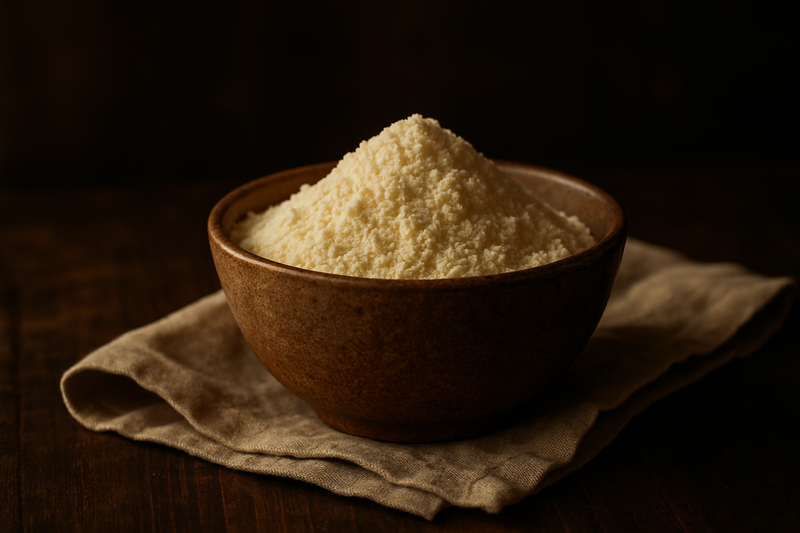
Coconut Flour · Photograph
Discover coconut flour health benefits and how to use it in everyday baking. Learn about its nutrition facts, high fiber content, blood sugar effects, and practical tips for gluten-free cooking—plus who should use caution.
Key Nutrients
% Daily Value based on 2,000 cal diet
Key active compounds
- Dietary fiber (soluble and insoluble): Coconut flour is roughly 30% fiber by weight—an exceptionally high proportion. Soluble fiber (fiber that dissolves in water to form a gel) helps slow glucose absorption and can bind cholesterol in the gut. Insoluble fiber (fiber that does not dissolve) adds bulk to stool and supports regular bowel movements.
- Medium-chain triglycerides (MCTs): Coconut flour is partially defatted, but still contains small amounts of naturally occurring saturated fats from coconut meat, including lauric acid, a medium-chain fatty acid. MCTs are shorter-chain fats that are absorbed and metabolized more quickly than the long-chain fats in most plant oils. Levels in coconut flour are much lower than in coconut oil or desiccated coconut.
- Phenolic compounds: Coconut flour retains trace amounts of phenolic compounds—plant molecules that can act as antioxidants. The quantities are modest compared with richly colored fruits or vegetables, and the specific profile has not been well studied.
- Plant protein: At roughly 6 g per ¼-cup serving, coconut flour provides more protein than most grain-based flours, though it is not a complete protein on its own (it does not supply all essential amino acids in sufficient quantities).
Prep and pairing ideas
Coconut flour does not behave like wheat flour, but once you understand its quirks it is genuinely easy to work with.
The 1:4 rule of thumb: Replace only about 1 part coconut flour for every 4 parts of regular flour called for in a recipe. Because it absorbs so much liquid, using a full cup when the recipe calls for a cup of wheat flour will produce a brick. Most dedicated coconut flour recipes are already calibrated for this.
Extra liquid is non-negotiable: For every ¼ cup of coconut flour, expect to add roughly 1 extra egg (or a flax egg for vegan baking) and increase liquid by 2–4 tablespoons compared with a wheat-based equivalent.
Three practical pairings:
- Coconut flour + banana or applesauce: The natural sugars and moisture in ripe banana or unsweetened applesauce balance coconut flour's dryness perfectly, while adding potassium and natural sweetness. Great for muffins and breakfast loaves.
- Coconut flour + flaxseed meal: Ground flaxseed (flax egg: 1 tablespoon ground flax + 3 tablespoons water) acts as both a binder and an additional fiber and omega-3 boost in vegan recipes. The combination supports texture while keeping the recipe egg-free.
- Coconut flour + unsweetened cocoa powder: A classic pairing in grain-free brownies and chocolate pancakes. The rich bitterness of cocoa complements coconut flour's mild sweetness, and both contribute fiber and antioxidants (flavonoids—plant pigments with antioxidant activity) to the finished product.
Bottom line
Coconut flour is a genuinely useful, whole-food ingredient—not just a trend. Its most meaningful attribute is its extraordinary fiber density: roughly 10 g per ¼ cup, which can meaningfully support digestive health, cardiovascular markers, and blood sugar management when used as part of a balanced diet. The human evidence base is growing but still limited; most benefits are inferred from coconut fiber studies and broader dietary fiber research rather than coconut-flour-specific trials.
It is not a magic ingredient, and it is not for everyone. The high absorbency demands recipe adaptation, and the allergen status means some people need to avoid it entirely. But for those who tolerate it well, swapping refined flour for coconut flour in everyday baking is one of the simpler, more impactful ways to increase daily fiber intake without overhauling a whole diet.
If you are looking to connect coconut flour to specific health goals—heart health, blood sugar, weight management—explore how it fits within your overall dietary pattern rather than using it in isolation.
👉 Browse ingredient guides by health goal at /goals to find how coconut flour fits your personal nutrition priorities.
How Coconut Flour Compares
| Compared with | What's different |
|---|---|
| Coconut Flour vs. Almond Flour | Absorbs much more liquid and has 10g of fiber per serving compared to almond's 3g. |
| Coconut Flour vs. Wheat Flour | Gluten-free and significantly higher in fiber and protein than refined wheat flour. |
| Coconut Flour vs. Cassava Flour | Contains 18g of carbs per serving, whereas cassava is much starchier and higher in carbohydrates. |
Health Benefits
Things to Know
Allergies: Coconut is classified as a tree nut by the U.S. FDA and is a recognized allergen. Coconut allergy is less common than other tree nut allergies, but reactions can range from mild (oral tingling) to severe (anaphylaxis). If you have a tree nut allergy, consult an allergist before using coconut flour.
GI sensitivity: People with irritable bowel syndrome (IBS), inflammatory bowel disease (IBD), or other functional gut conditions may experience bloating, gas, or loose stools if they increase coconut flour intake too quickly. Start low, go slow.
Low-fiber or low-residue diets: If you have been instructed to follow a low-fiber or low-residue diet (common before certain medical procedures or during acute IBD flares), coconut flour is not appropriate during that period.
Hydration: Because coconut flour absorbs so much liquid, consuming large amounts without sufficient water can contribute to constipation or discomfort—especially in older adults, children, or people with limited fluid intake.
Medication timing: High-fiber foods can theoretically delay or reduce the absorption of some oral medications. If you take medications that are sensitive to food timing, consider spacing them at least 1–2 hours apart from high-fiber meals.
Blood sugar medications: If you use insulin, sulfonylureas, or other glucose-lowering drugs, talk with your healthcare provider before significantly changing your carbohydrate and fiber intake. High-fiber dietary changes may subtly alter postprandial (after-meal) blood sugar responses.
Pregnancy and breastfeeding: Coconut flour is a whole food and is generally considered safe in normal culinary amounts. No specific contraindications are established, but as with any dietary change during pregnancy, check with a healthcare provider.

Best Forms
Essential for anyone with celiac disease. Coconut is naturally gluten-free, but cross-contamination during milling is possible in shared facilities.
Good-quality coconut flour should be pale ivory to white, with a mild, lightly sweet coconut scent. A yellowish tint or musty smell suggests age or poor storage.
Commercial gluten-free flour blends often include coconut flour alongside rice flour, tapioca starch, or potato starch. These are easier to use in a 1:1 swap for wheat flour, but they contain less fiber per serving than pure coconut flour.
Both are gluten-free and popular in low-carb baking. Almond flour is higher in healthy fat and calories; coconut flour is much higher in fiber and lower in fat. Almond flour behaves more like conventional flour in recipes (less absorbent); coconut flour requires recipe adaptation. They are not interchangeable without significant adjustments.
Prep Ideas
- — **Coconut flour + banana or applesauce:** The natural sugars and moisture in ripe banana or unsweetened applesauce balance coconut flour's dryness perfectly, while adding potassium and natural sweetness. Great for muffins and breakfast loaves.
- — **Coconut flour + flaxseed meal:** Ground flaxseed (*flax egg*: 1 tablespoon ground flax + 3 tablespoons water) acts as both a binder and an additional fiber and omega-3 boost in vegan recipes. The combination supports texture while keeping the recipe egg-free.
- — **Coconut flour + unsweetened cocoa powder:** A classic pairing in grain-free brownies and chocolate pancakes. The rich bitterness of cocoa complements coconut flour's mild sweetness, and both contribute fiber and antioxidants (*flavonoids*—plant pigments with antioxidant activity) to the finished product.
Glossary
Shop This Ingredient
Stock your pantry with quality coconut flour.
Buy on AmazonAs an Amazon Associate, Plantopedia earns from qualifying purchases. This costs you nothing extra and helps us keep the encyclopedia free.
Frequently Asked Questions
Heart and circulation Is coconut flour good for heart health? The most direct human evidence comes from a controlled crossover trial published in the Journal of Medicinal Food (2004), in which adults with moderately elevated cholesterol ate breakfast cereals containing 15% or 25% coconut flakes—a product very similar in fiber composition to coconut flour. Both coconut flake groups showed significant reductions in total cholesterol, LDL ("bad") cholesterol, and triglycerides compared with a corn-flake control group. The researchers attributed the effect primarily to the very high soluble and insoluble fiber content of coconut-derived ingredients, which can bind bile acids and cholesterol in the digestive tract and increase their excretion. No trials have tested coconut flour itself as the sole intervention, so these benefits are inferred from coconut fiber and from the wider body of evidence on high-fiber diets. Evidence is moderate and promising, but not conclusive. Replacing refined flour with coconut flour in everyday baking may modestly improve overall diet quality by increasing fiber, but the whole dietary pattern—not a single ingredient—is what matters most for long-term heart health. Digestive health and microbiome Coconut flour benefits for digestion are largely tied to its fiber density. At 10 g of fiber per ¼-cup serving, it is one of the most concentrated fiber sources available in a baking ingredient. Fiber feeds the beneficial bacteria in the large intestine (gut microbiota), supports regular bowel movements, and helps maintain a healthy gut lining. The key caveat: coconut flour absorbs a large amount of water as it moves through the digestive system. This is beneficial when you drink enough fluid alongside it—it softens and bulks stool. Without adequate hydration, the same absorbency can contribute to constipation or abdominal discomfort. If you are new to coconut flour, start with small amounts (1–2 tablespoons per day) and increase gradually while drinking plenty of water. Blood sugar and metabolism Coconut flour benefits for blood sugar control are based on general fiber science rather than coconut-flour-specific trials. Fiber—especially soluble fiber—slows the rate at which carbohydrates are broken down and glucose enters the bloodstream. This leads to a lower, more gradual rise in blood sugar after eating, sometimes measured as a lower glycemic index (a scale of how quickly a food raises blood sugar compared to pure glucose). Because roughly half of coconut flour's carbohydrates are non-digestible fiber, its net carbohydrate content is relatively low. Swapping a portion of refined wheat flour for coconut flour in a recipe reduces the glycemic load of the finished baked good—how much total glucose a realistic serving actually delivers. Is coconut flour safe for diabetics? Research suggests it may be a useful tool for people managing blood sugar, but it is not a treatment, and whole recipe composition (added sugar, other fats, portion size) matters just as much as the flour choice. Inflammation and recovery No human trials have directly measured coconut flour's effect on inflammatory markers such as CRP (C-reactive protein, a blood marker of systemic inflammation). Any anti-inflammatory effect is likely indirect: high-fiber diets are consistently associated with lower systemic inflammation in population research, probably through their positive effects on gut bacteria, cholesterol, and blood sugar. Coconut flour, as a concentrated fiber source, may contribute to these broader effects, but this has not been isolated in controlled studies. Evidence is emerging.
Buying guide Pure coconut flour (100% single ingredient): This is the most versatile option and the best choice for home baking. Look for bags that list only one ingredient: coconut flour (or dried coconut meat). Organic options are widely available and may appeal if you want to minimize pesticide exposure, though conventional coconut flour is considered low-risk. Certified gluten-free label: Essential for anyone with celiac disease. Coconut is naturally gluten-free, but cross-contamination during milling is possible in shared facilities. Color and smell: Good-quality coconut flour should be pale ivory to white, with a mild, lightly sweet coconut scent. A yellowish tint or musty smell suggests age or poor storage. Flour blends: Commercial gluten-free flour blends often include coconut flour alongside rice flour, tapioca starch, or potato starch. These are easier to use in a 1:1 swap for wheat flour, but they contain less fiber per serving than pure coconut flour. Coconut flour vs almond flour: Both are gluten-free and popular in low-carb baking. Almond flour is higher in healthy fat and calories; coconut flour is much higher in fiber and lower in fat. Almond flour behaves more like conventional flour in recipes (less absorbent); coconut flour requires recipe adaptation. They are not interchangeable without significant adjustments. Storage: Keep in an airtight container in a cool, dry cupboard for up to 12 months, or refrigerate or freeze to extend shelf life. Coconut flour can absorb ambient moisture and develop off-flavors if left open.
There is no established therapeutic dose for coconut flour. In everyday cooking, most recipes use 2 tablespoons to ¼ cup (15–30 g) per batch of baked goods, not per person per serving. In practice, a single muffin or two pancakes made with coconut flour might deliver 3–5 g of fiber from the flour itself. General guidance: Start with 1–2 tablespoons per day if you are new to coconut flour or currently eating a low-fiber diet. Jumping straight to large amounts is the most common cause of GI discomfort. Work toward 25–30 g total dietary fiber daily from all sources—fruits, vegetables, legumes, whole grains, nuts, seeds. Coconut flour can contribute meaningfully to this goal but should be part of a varied diet. Drink water: Aim for at least 6–8 glasses of water daily, and increase intake as you raise your fiber consumption from any source. No upper limit has been formally established for coconut flour specifically. Very high intakes (beyond what typical recipes produce) may cause loose stools or interfere with mineral absorption over time by binding minerals in the gut, a property called phytic acid interference—though coconut flour is not especially high in phytates compared with some grains and legumes.
Quick Answers
Common questions, answered in a line.
You should replace only about 1 part coconut flour for every 4 parts of regular flour in a standard recipe. Because of its high absorbency, using it as a 1:1 replacement will result in a texture that is too dry and dense.
Coconut flour contains roughly 10 grams of dietary fiber per quarter-cup serving, consisting of both soluble and insoluble fiber. Soluble fiber helps slow glucose absorption and bind cholesterol, while insoluble fiber supports regular bowel movements by adding bulk to stool.
For every quarter-cup of coconut flour used, you should typically add one extra egg and increase the liquid by 2 to 4 tablespoons. This adjustment is necessary because the flour's high fiber content absorbs significantly more moisture than grain-based flours.
Coconut flour contains medium-chain triglycerides (MCTs), such as lauric acid, which are metabolized more quickly than the long-chain fats found in most plant oils. While it is partially defatted, it retains small amounts of these naturally occurring saturated fats from the coconut meat.
People with IBS or IBD may experience gas, bloating, or loose stools if they increase their intake of coconut flour too quickly. Additionally, those with tree nut allergies or those on medically prescribed low-fiber diets should exercise caution or avoid it entirely.
Coconut flour is a good choice for blood sugar management because its high soluble fiber content helps slow down the absorption of glucose. However, individuals on glucose-lowering medications like insulin should consult a provider, as fiber changes can alter after-meal blood sugar levels.
For Readers in the USA
Local context — sourcing, seasonality, and regional notes.
In the United States, you can find coconut flour at major retailers like Walmart, Kroger, and Whole Foods, as well as specialty stores like Trader Joe's. Most national grocery chains stock it in the baking aisle alongside other gluten-free and alternative flours.
When buying coconut flour in the US, look for the USDA Organic seal to ensure the product was grown and processed without synthetic pesticides or fertilizers. Many American brands also provide Non-GMO Project Verified labeling to meet consumer preferences for transparent sourcing.
While coconut trees only grow in tropical US zones like Hawaii, Florida, and Puerto Rico, coconut flour is available year-round across the country because it is made from dried, shelf-stable coconut meat. Its peak popularity in American kitchens often aligns with the January "health kick" season and fall gluten-free holiday baking.
The FDA classifies coconut as a tree nut for labeling purposes, meaning coconut flour must be clearly disclosed as an allergen on American food packaging. While many people with tree nut allergies can safely eat coconut, US regulations require this caution to protect those with specific sensitivities.
AI Clinical Review
- Accurately highlights coconut flour’s very high fiber density (~10 g per ¼ cup) and explains why that makes it uniquely absorbent and recipe‑sensitive.
- Notes that benefits for cholesterol and post‑meal blood sugar are plausibly driven by fiber, and that overall diet quality matters more than any single ingredient.
- Correctly states that coconut flour is naturally gluten‑free but requires certified gluten‑free labeling to minimize cross‑contamination risk for people with celiac disease.
- Provides useful, practical baking guidance (use much less than wheat flour; add binders/liquid) that aligns with how this flour behaves in the kitchen.
- Most human data come from studies using coconut flakes or general fiber research, not coconut flour as the sole intervention; direct, longer trials on coconut flour are limited.
- Claims around glycemic index/load improvements are inference‑based; real‑world effects depend on the full recipe (added sugars, fats, portion size).
- Anti‑inflammatory language is appropriately cautious; to date, clinical endpoints like CRP have not been shown to change specifically with coconut flour.
- MCTs and phenolic compounds exist in small amounts in coconut flour; they’re unlikely to be major drivers of health effects compared with fiber.
- Amounts: For most people, starting with 1–2 tablespoons per day and increasing gradually is reasonable; typical servings in baked goods deliver ~3–5 g fiber. Pair with adequate fluids to reduce GI discomfort.
- Allergies and celiac disease: Coconut is a recognized allergen. Those with tree‑nut or coconut allergies should avoid or consult an allergist. Choose certified gluten‑free products if you have celiac disease.
- GI conditions and special diets: People with IBS/IBD or anyone on a clinician‑directed low‑fiber/low‑residue plan should be cautious or avoid during flares; introduce slowly if tolerated.
- Medications and diabetes therapy: High‑fiber foods can affect absorption of some oral meds—consider separating by 1–2 hours. If you use insulin or sulfonylureas, discuss meaningful carbohydrate/fiber shifts with your clinician to avoid hypoglycemia.
Very absorbent—recipes need extra liquid; coconut is an allergen for some.
References
- USDA FoodData Central – Coconut Flour (nutrient data) (fdc.nal.usda.gov)
- MyPlate.gov – Protein Foods Group (dietary context) (myplate.gov)
- Human crossover trial: coconut flakes and cholesterol reduction in adults (pubmed.ncbi.nlm.nih.gov)
- Nutrition review: high fiber content of coconut flour (~30%) and implications for obesity management (scielo.isciii.es)
- Healthline – Coconut Flour: Nutrition, Benefits, and More (overview) (healthline.com)
- WebMD – Coconut Flour: Are There Health Benefits? (safety and uses) (webmd.com)
- BBC Good Food – Top 5 Health Benefits of Coconut Flour (bbcgoodfood.com)
- MindBodyGreen – Coconut Flour Nutrition, Benefits & Exactly How To Use It (mindbodygreen.com)
- MedicineNet – Coconut Flour: Nutrition Chart, Benefits, Uses (allergen and safety notes) (medicinenet.com)
Know Your Numbers
Eating healthy is a start. Now get to know your biomarkers.
Food changes bloodwork — inflammation, lipids, blood sugar and nutrient status all respond to what you eat. 59 markers from $59.
- Results in 7–10 days at 2,000+ Quest sites
- Licensed provider reviews every result
- One flat price, no membership, HSA/FSA eligible
Educational information only, not medical advice. Panels are ordered and reviewed through our licensed partner; Plantopedia may earn a commission.