Amaranth Seeds — health benefits and uses
A sacred staple of the Aztec and Inca now revived as a complete-protein grain.
The Short Answer
Amaranth seeds are a gluten-free pseudocereal providing 9 grams of protein and 5.2 mg of iron per cooked cup. They are unique for their high lysine content and creamy, porridge-like texture when simmered.
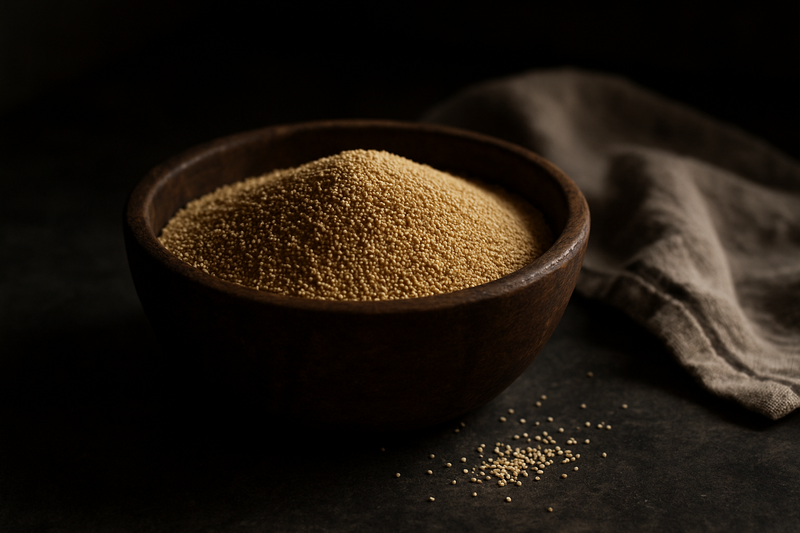
Amaranth Seeds · Photograph
Discover the science-backed amaranth seeds health benefits and how to use them — from popping them like miniature popcorn to simmering a creamy porridge. Learn about amaranth grain nutrition facts, protein and lysine content, iron for anemia, gluten-free safety, oxalate considerations, and how much to eat per day.
Key Nutrients
% Daily Value based on 2,000 cal diet
Key active compounds in amaranth grain
- Lysine — an essential amino acid present at higher levels than in wheat, corn, or rice; critical for protein synthesis and calcium metabolism.
- Squalene — a natural lipid (fat-like molecule) found in the oil fraction of amaranth grain; studied for antioxidant properties, though human cardiovascular benefit is unproven.
- Phytate (inositol hexaphosphate) — a phosphorus-storage molecule in seeds that binds minerals like iron and zinc in the gut, reducing how much you absorb. Acts as an antioxidant inside the plant but reduces mineral bioavailability in humans.
- Tannins — polyphenolic compounds that can bind proteins and minerals; present in small amounts in amaranth, contributing both antioxidant activity and modest reductions in iron and protein absorption.
- Phenolic acids — a broader class of antioxidant plant compounds measured in multiple amaranth species; may help protect cells from oxidative damage, though human trial data are limited.
- Oxalates — naturally occurring organic acids found in many plant foods; amaranth grain is considered a moderate-to-high oxalate food, which is relevant for kidney stone risk.
Prep and pairing ideas
Creamy morning porridge Combine ¼ cup dry amaranth with 1 cup water or oat milk. Bring to a boil, reduce to a simmer, cover, and cook 18–20 minutes, stirring every few minutes. The natural starch releases into a thick, creamy consistency — closer to grits than oatmeal. Top with sliced strawberries (adds vitamin C to boost iron absorption), a tablespoon of almond butter for healthy fat, and a sprinkle of cinnamon.
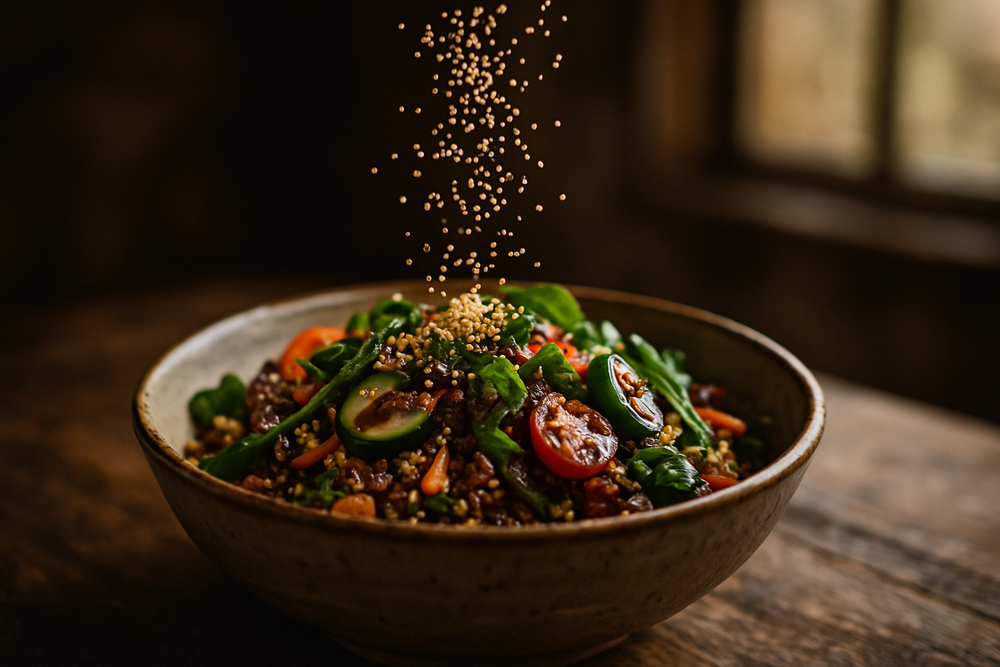
Popped amaranth grain bowl topper Heat a small dry saucepan over high heat until a drop of water evaporates instantly. Add 1 tablespoon dry amaranth, cover, and shake continuously. Seeds pop in 10–15 seconds. Remove from heat and repeat in small batches. Sprinkle over lentil soup, roasted vegetable bowls, or mixed salads for crunch and added protein.
Amaranth and black bean stuffed peppers Cook amaranth as above using low-sodium vegetable broth for extra flavor. Mix with rinsed black beans, diced tomatoes, cumin, and garlic. Stuff into halved bell peppers and bake at 375°F for 25–30 minutes. The pepper provides vitamin C (boosting iron absorption from both the amaranth and beans), and the legume combination creates a protein-complete, fiber-rich meal.
Bottom line
Amaranth seeds are a genuinely nutrient-dense ancient grain that fits well into vegetarian, vegan, and gluten-free diets. Their standout feature is complete plant protein with a notably high lysine content — something rare among seeds and grains. They also offer iron, magnesium, manganese, and fiber in a single cooked cup.
The honest caveat is that human trial evidence on cholesterol and blood sugar is not only unconvincing but sometimes points in the wrong direction for highly processed forms like popped grain, extruded snacks, and oil. The anemia data in children is more promising, especially when amaranth is prepared in traditional fermented or cooked forms.
For most people, the smartest approach is to use amaranth as a creamy whole-grain porridge or a crunchy topper in moderate amounts, prepare it with antinutrient-reducing methods, and pair it with vitamin C-rich foods to get the most out of its iron. Think of it as a valuable building block in a varied, plant-rich diet — not a therapeutic supplement.
If you are exploring how food can support your health goals, browse the Plantopedia goals library for ingredient guides grouped by what you are working toward.
How Amaranth Seeds Compares
| Compared with | What's different |
|---|---|
| Amaranth Seeds vs. Quinoa | Quinoa has a fluffy, distinct grain texture while cooked amaranth is creamy and porridge-like. |
| Amaranth Seeds vs. Brown Rice | Amaranth is significantly higher in iron and magnesium than brown rice and provides complete protein. |
| Amaranth Seeds vs. Millet | Millet seeds remain separate and firm when cooked; amaranth releases starch to create a thick base. |
Health Benefits
Things to Know
Kidney stone history: Amaranth is a moderate-to-high oxalate food. People with calcium oxalate kidney stones (the most common type) are often advised to limit high-oxalate foods. If this applies to you, discuss portion sizes with your doctor or a registered dietitian before eating large amounts regularly.
Iron or zinc deficiency: Phytates and tannins in amaranth bind iron and zinc in the gut. If you are iron or zinc deficient, use preparation methods that reduce antinutrients (soaking, sprouting, fermenting) and eat amaranth alongside vitamin C-rich foods. Space any iron supplement at least 2 hours away from a large amaranth meal.
Diabetes or prediabetes: Avoid popped and extruded amaranth in large portions. Stick to whole cooked grain in moderate servings, paired with protein and non-starchy vegetables.
Celiac disease or gluten sensitivity: Amaranth is naturally gluten-free, but cross-contact during farming, transport, and milling is common. Always choose products with a certified gluten-free label from a dedicated facility.
Cardiovascular disease or high cholesterol: Do not rely on amaranth — especially oil or heavily processed forms — to improve lipid levels. Human trial results are mixed to unfavorable. Cooked whole-grain amaranth as part of a broader heart-healthy pattern is fine; isolated high-dose supplements are not well supported.
Pregnancy: Amaranth provides folate, iron, and calcium — all relevant in pregnancy — but its high phytate content means mineral absorption may be limited. Pair with vitamin C-rich foods and confirm intake levels with your midwife or OB.
Medication interactions: Large high-GI portions of popped or extruded amaranth may work against blood sugar targets for people on insulin, sulfonylureas, or GLP-1 agonists. High-oxalate intake may be relevant if you take medications to prevent kidney stones. No well-documented drug metabolism interactions are currently reported for amaranth in major databases.
Glossary
Shop This Ingredient
Stock your pantry with quality amaranth seeds.
Buy on AmazonAs an Amazon Associate, Plantopedia earns from qualifying purchases. This costs you nothing extra and helps us keep the encyclopedia free.
Frequently Asked Questions
Heart and circulation Animal studies and lab research on amaranth look encouraging for heart health — the grain contains fiber, magnesium, and phenolic antioxidants, all of which are associated with cardiovascular support in the broader literature. However, human trial results are mixed and sometimes unfavorable. In one double-blind trial, adults with moderately high cholesterol ate 50 g/day of extruded amaranth snacks for 60 days. Their LDL cholesterol (often called "bad" cholesterol) did not improve, and their HDL cholesterol (the protective kind) fell compared with a corn snack control group. A separate small study found that 60 g/day of popped amaranth for eight weeks actually raised total cholesterol, LDL cholesterol, and fasting glucose in hypercholesterolemic adults. A randomized crossover trial testing amaranth oil in overweight and obese participants found it raised total and LDL cholesterol without improving early markers of artery disease. The practical takeaway: whole cooked amaranth porridge can be part of a heart-healthy dietary pattern rich in vegetables, legumes, and unsaturated fats. But relying on amaranth alone — especially as popped grain, extruded snacks, or oil — to lower cholesterol is not supported by current human data and may slightly work against you. Digestive health and microbiome One cooked cup delivers about 5 g of dietary fiber — roughly 18% of the recommended daily intake — in a mix of insoluble and some soluble fiber. Insoluble fiber adds bulk to stools and supports regular bowel movements; soluble fiber can be fermented by gut bacteria, feeding the microbiome (the community of microorganisms living in your gut). No randomized controlled trials have tested amaranth specifically on constipation, irritable bowel syndrome, or microbiome composition in humans. What is clear is that using cooked amaranth to replace refined white rice or white bread adds meaningful fiber to a meal, which is consistently associated with better digestive health in the broader whole-grain literature. Note: some people experience mild bloating or gas when first adding amaranth, especially in larger portions. Starting with ¼ cup cooked and building up gradually usually prevents this. Blood sugar and metabolism This is an area where the form of amaranth matters enormously. Research on popped amaranth found a glycemic index (GI) of around 107 — higher than white bread (GI 70), meaning it can raise blood glucose very rapidly. The same study involving 60 g/day of popped amaranth showed a significant rise in fasting plasma glucose in participants over eight weeks. Whole, simmered amaranth porridge provides more intact fiber that slows carbohydrate absorption, and its GI is likely lower than the popped or extruded form, though head-to-head data comparing preparation methods in controlled trials are limited. People with diabetes, prediabetes, or insulin resistance should be particularly cautious with popped and extruded amaranth products. Pairing any form of amaranth with protein, healthy fat, and non-starchy vegetables as part of a balanced meal can help blunt the post-meal glucose spike. Iron and anemia support This is where amaranth's human evidence is most encouraging. A cluster-randomized controlled trial in Southern Ethiopia enrolled 100 anemic children aged 2–5 years. Half received home-processed amaranth-containing bread daily for six months; the other half received maize bread. At the six-month mark, anemia prevalence was 32% in the amaranth group versus 56% in the maize group, and hemoglobin levels were significantly higher in the amaranth group. A separate controlled trial testing amaranth flour in maize porridge for preschool children found increased iron content in the food but no significant reduction in iron-deficiency anemia compared with a porridge fortified with a specific iron compound (NaFeEDTA), suggesting that the non-heme iron in amaranth — the form of iron found in plants — is not as efficiently absorbed as fortified iron without additional strategies. The practical upshot: amaranth seeds for anemia and iron support make good sense as part of a food-first approach, but pairing amaranth with vitamin C-rich foods (like citrus juice, tomatoes, or bell pepper) at the same meal meaningfully improves non-heme iron absorption. Soaking, sprouting, or fermenting the grain first reduces phytate content and helps further. Inflammation and recovery Amaranth grain contains phenolic compounds and shows antioxidant activity in lab studies — properties that may indirectly support the body's ability to manage inflammation. However, there are no well-controlled human trials measuring inflammatory markers (such as C-reactive protein or cytokines) specifically in response to eating amaranth. The anti-inflammatory story is biologically plausible but early-stage; amaranth is better framed as one component of an overall anti-inflammatory, plant-rich diet rather than a standalone inflammation remedy.
Whole cooked grain (porridge or pilaf) Simmering amaranth in water or unsweetened plant milk until creamy is the most nutritionally reliable form. The fiber structure is intact, cooking reduces oxalates somewhat, and this preparation is closest to what performed best in the anemia trials. Use a 1:2.5 ratio of dry amaranth to liquid and cook for about 20 minutes, stirring occasionally. Popped amaranth Drop a tablespoon of dry seeds into a very hot, dry pan and shake constantly — they pop in seconds like miniature popcorn. The result is light, nutty, and crunchy. Fun and practical for topping salads, mixing into energy bars, or eating as cereal. Important caveat: popped amaranth has a high glycemic index and human studies using this form showed unfavorable changes in cholesterol and fasting glucose, so enjoy it in smaller amounts rather than as a daily large portion. Flour and flatbreads Amaranth flour works well in gluten-free baking and traditional flatbreads. In the Ethiopian anemia trials, amaranth-based bread was the format showing improved hemoglobin outcomes in children. Fermented or soaked preparations before baking reduce phytate and tannin content. Sprouted or fermented grain Soaking seeds overnight, then rinsing and allowing them to sprout for 24–48 hours, reduces antinutrients significantly. Fermentation (leaving soaked grain in a warm environment to develop lactic acid bacteria) does the same. Both methods improve mineral bioavailability and digestibility — the best strategies if you eat amaranth regularly and want to maximize iron and zinc absorption. Amaranth oil Current human trial data do not support using amaranth oil as a supplement for heart health. One randomized crossover trial found it raised total and LDL cholesterol compared with rapeseed oil. Skip the oil and eat the whole grain instead.
Plant-based eaters looking for complete protein Getting enough lysine on a vegan diet can be tricky — amaranth is one of the few grains that covers it Useful for athletes, older adults, or anyone watching muscle maintenance on a plant-heavy diet Pairs well with lentils, beans, or tofu to create protein-diverse meals without meat People eating gluten-free who want more than rice Amaranth offers significantly more protein (9 g/cup cooked) and a more varied mineral profile than white rice Works in porridge, flatbread, and grain salad — three completely different meal formats Look for certified gluten-free labels to avoid cross-contact; especially important for those with celiac disease
There is no established official recommended daily dose for amaranth grain specifically. The amounts used in human research ranged from 50–60 g dry grain per day (roughly 1.5–2 cooked cups), which is on the higher end of typical use. Most nutrition practitioners and whole-grain resources suggest: Beginners: Start with ¼ cup cooked (prepared from about 2 tablespoons dry) to assess digestive tolerance. General use: ½ to 1 cup cooked per meal is a practical, moderate serving for most healthy adults. Frequent use: If eating amaranth daily, prioritize soaking, sprouting, or fermenting the grain first to reduce oxalate and phytate load. Vary your grains — alternating with quinoa, oats, or buckwheat keeps nutrient diversity high. People with kidney stone history: Consider limiting to occasional servings (2–3 times per week, smaller portions) and consult a healthcare provider. There is no evidence that eating moderate amounts of whole cooked amaranth causes harm in healthy adults. The cautionary findings in trials mostly involved larger daily amounts of the more processed forms (popped grain and extruded snacks).
Quick Answers
Common questions, answered in a line.
Amaranth is a moderate-to-high oxalate food, which may increase the risk of forming calcium oxalate kidney stones in susceptible individuals. If you have a history of stones, it is recommended to discuss portion sizes with a doctor or dietitian before eating large amounts.
Amaranth is naturally gluten-free, but it is often subject to cross-contact with gluten-containing grains during farming, transport, or milling. People with Celiac disease should only purchase amaranth products that carry a certified gluten-free label from a dedicated facility.
Amaranth contains high levels of lysine, an essential amino acid critical for protein synthesis and calcium metabolism. While most grains are low in lysine, amaranth provides a more complete plant protein profile, making it a valuable addition to vegetarian and vegan diets.
To maximize iron absorption from amaranth, you should pair it with foods high in vitamin C, such as strawberries or bell peppers. This is important because amaranth contains phytates and tannins, which are antinutrients that can bind to minerals and reduce their bioavailability.
People with diabetes should avoid large portions of popped or extruded amaranth, as these processed forms can negatively impact blood sugar targets. It is better to consume moderate servings of whole cooked grain paired with protein and non-starchy vegetables to manage glucose levels.
To make amaranth porridge, combine one-quarter cup of dry grain with one cup of water or oat milk and simmer for 18–20 minutes. The seeds release natural starch during cooking, resulting in a thick, creamy consistency similar to grits.
Amaranth contains phytate (inositol hexaphosphate) and tannins, which are compounds that can bind to minerals like iron and zinc in the gut. While these act as antioxidants for the plant, they can reduce the amount of minerals your body is able to absorb from the grain.
For Readers in the USA
Local context — sourcing, seasonality, and regional notes.
You can buy amaranth seeds at major US retailers like Whole Foods Market, Sprouts Farmers Market, and many local food cooperatives, usually in the bulk section or the baking aisle. Major brands like Bob’s Red Mill and Arrowhead Mills also distribute pre-packaged amaranth to conventional grocery chains like Kroger and Safeway.
Amaranth is a warm-season crop primarily grown in the Great Plains, particularly in Nebraska and South Dakota, where it is harvested in the late summer or early fall. In the US, the grain is widely available year-round in stores, though fresh amaranth greens are seasonal at farmers markets in USDA zones 4 through 10.
In the United States, amaranth is often sold under the "Ancient Grains" label and is widely used in Mexican-American communities to make "alegría," a traditional candy made of popped amaranth and honey or molasses. It has also gained popularity in the US gluten-free market as a nutrient-dense substitute for wheat in flour blends and breakfast cereals.
Look for the USDA Organic seal to ensure the seeds were grown without synthetic pesticides, as amaranth is a hardy crop that is sometimes treated with herbicides during large-scale domestic production. The FDA classifies amaranth as a "grain-like" seed that is generally recognized as safe (GRAS) for use in gluten-free products and dietary supplements.
AI Clinical Review
- Clearly explains that amaranth is a gluten‑free pseudocereal with a higher lysine content than most grains and about 9 g protein and 5 g fiber per cooked cup.
- Accurately distinguishes health effects by form: whole cooked grain can fit into heart‑healthy patterns, while popped/extruded products and amaranth oil have shown mixed to unfavorable results in small human studies.
- Fairly presents the most promising human data around iron status in children and gives practical, evidence‑based tips to improve non‑heme iron absorption (pair with vitamin C; reduce phytate via soaking/sprouting/fermenting).
- Offers useful, realistic preparation guidance and serving ranges, plus gluten‑free cross‑contact considerations for people with celiac disease.
- Cardiometabolic outcomes (cholesterol, glucose) are based on small, heterogeneous trials; the optimal dose, preparation, and target populations remain uncertain.
- Claims about gut microbiome and inflammation are biologically plausible but lack well‑controlled human trials with clinical endpoints.
- The glycemic impact likely varies by preparation method, but direct head‑to‑head human data comparing intact cooked amaranth with popped/extruded forms are limited.
- The real‑world magnitude of improved mineral absorption from soaking, sprouting, or fermenting needs better quantification in free‑living adults.
- Portions: starting around 1/4 cup cooked to assess tolerance, with common servings of 1/2–1 cup cooked; rotate with other grains if using frequently.
- Diabetes/prediabetes: large servings of popped or extruded amaranth can spike glucose; intact cooked grain paired with protein, healthy fats, and non‑starchy vegetables is the safer approach—monitor if on glucose‑lowering medications.
- Kidney stones: amaranth is moderate‑to‑high in oxalate; people with calcium‑oxalate stone history should discuss portion and frequency with a clinician.
- Special populations: those with celiac disease should choose certified gluten‑free products; individuals with iron or zinc deficiency, or those who are pregnant, may benefit from vitamin C pairings and separating mineral supplements from high‑phytate meals by about 2 hours.
Contains oxalates and phytates; those prone to kidney stones should moderate intake.
References
- USDA FoodData Central — amaranth, cooked (nutrition reference for all macro and micronutrient values): (fdc.nal.usda.gov)
- MyPlate Protein Foods Group — USDA dietary guidance (plant protein context): (myplate.gov)
- Cluster RCT: amaranth bread vs. maize bread in anemic Ethiopian children (hemoglobin, anemia) — Pubmed: (pubmed.ncbi.nlm.nih.gov)
- Controlled trial: amaranth grain (Amaranthus cruentus) on anaemia in pre-school children — Wageningen University: (research.wur.nl)
- Double-blind trial: defatted amaranth snacks on lipid metabolism in hypercholesterolemic adults — SciELO: (scielo.br)
- Small trial: popped amaranth grain consumption on lipid profile of hypercholesterolemic subjects — Gavin Publishers: (gavinpublishers.com)
- Randomized crossover trial: amaranth oil increases total and LDL cholesterol in overweight/obese adults — PMC: (pmc.ncbi.nlm.nih.gov)
- Review: amaranth as a potential dietary adjunct for cardiovascular risk — PubMed: (pubmed.ncbi.nlm.nih.gov)
- Review: oxalate content in foods, health implications — PMC: (pmc.ncbi.nlm.nih.gov)
- WebMD Vitamins — amaranth safety, interactions, precautions overview: (webmd.com)
- Review: amaranth and buckwheat grains — nutritional profile and health benefits — PMC: (pmc.ncbi.nlm.nih.gov)
- Whole Grains Council — amaranth grain profile: (wholegrainscouncil.org)
Know Your Numbers
Eating healthy is a start. Now get to know your biomarkers.
Food changes bloodwork — inflammation, lipids, blood sugar and nutrient status all respond to what you eat. 59 markers from $59.
- Results in 7–10 days at 2,000+ Quest sites
- Licensed provider reviews every result
- One flat price, no membership, HSA/FSA eligible
Educational information only, not medical advice. Panels are ordered and reviewed through our licensed partner; Plantopedia may earn a commission.