Cordyceps — health benefits and uses
Traditional Chinese and Tibetan tonic for energy and endurance.
The Short Answer
Cordyceps is a functional mushroom used to support energy and immunity, containing unique compounds like cordycepin and beta-glucans. It is typically consumed as a powder in teas or broths to extract its water-soluble polysaccharides.
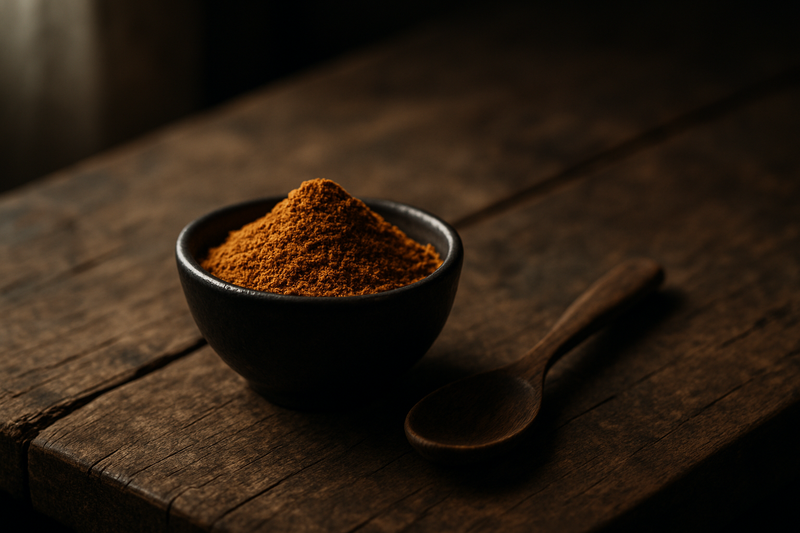
Cordyceps · Photograph
Discover cordyceps mushroom benefits, side effects, and how to use it in teas, broths, and daily blends. Learn what the evidence actually says about energy, immunity, and safety — including key medication interactions to know before you start.
Key Nutrients
% Daily Value based on 2,000 cal diet
Key active compounds in cordyceps
- Cordycepin (3'-deoxyadenosine): A signature nucleoside unique to cordyceps. In laboratory and animal models it shows anti-inflammatory, antifatigue, and potential antiviral activity, and is considered the key biomarker for gauging product quality.
- Cordyceps polysaccharides (beta-glucans and galactomannan): High-molecular-weight carbohydrate polymers that act as immunomodulators — meaning they can both stimulate and calm immune activity depending on context. Associated with antioxidant and possible blood-sugar-lowering effects.
- Adenosine: A purine nucleoside involved in cellular energy transfer and vascular signaling. May influence blood flow and platelet aggregation (clotting), which partly explains interaction concerns with blood thinners.
- Cordycepic acid (D-mannitol): A sugar alcohol that acts as an antioxidant, traditionally linked to antifatigue and neuroprotective effects.
- Ergosterol and beta-sitosterol: Fungal sterols that may have anti-inflammatory and cholesterol-modulating properties. Ergosterol can convert to vitamin D2 under UV exposure.
- B vitamins (B1, B2, B12): Cordyceps militaris contains measurable amounts of several B vitamins, including B12, which is rare in non-animal foods — though amounts vary widely by product and preparation.
Prep and pairing ideas
Cordyceps mushroom tea (tonic tea) Simmer 1–2 teaspoons of dried cordyceps pieces or powder in 2 cups of water for 20–30 minutes. Strain, then add ginger and a squeeze of lemon. The long simmer pulls out water-soluble polysaccharides that don't extract well with a quick steep.
Morning adaptogen broth Add 1 teaspoon of cordyceps powder to a warm bone-free vegetable broth alongside a pinch of turmeric and black pepper. The fat in the broth helps with absorption of fat-soluble sterols.
Mushroom blend smoothie Mix half a teaspoon of cordyceps extract powder with cacao, oat milk, a frozen banana, and a pinch of cinnamon. The cacao and banana flavors mask cordyceps' earthy, slightly nutty taste, which some people find strong on its own.
Common pairings — and why they make sense
| Pairing | Why it works |
|---|---|
| Cordyceps + reishi | Both are immune-modulating mushrooms; reishi adds adaptogenic calming compounds (triterpenes) while cordyceps contributes energy-related nucleosides. Together they're a classic tonic combination in East Asian herbalism. |
| Cordyceps + ginger | Ginger's anti-inflammatory gingerols complement cordyceps' own anti-inflammatory activity, and ginger improves the palatability of earthy mushroom teas. |
| Cordyceps + lion's mane | Lion's mane is studied for cognitive support while cordyceps is associated with physical stamina — a logical pairing for whole-body adaptogenic blends. |
Bottom line
Cordyceps is a genuinely interesting functional mushroom with a reasonable scientific foundation in immunomodulation and anti-inflammatory activity, and a long traditional history in stamina and respiratory support. The most encouraging human data comes from immune function research using fermented Cordyceps militaris, while energy, blood sugar, and cardiovascular benefits remain promising but under-studied in rigorous human trials.
It fits well into a whole-food, plant-based eating pattern — especially brewed into teas or stirred into broths — and for most healthy adults, short-term use at typical doses appears to be well tolerated. The safety story gets more complicated if you take immunosuppressants, blood thinners, or diabetes medications, where interactions are both biologically plausible and clinically relevant.
The bottom line: cordyceps is a reasonable addition to a balanced wellness routine for curious, healthy adults. It is not a replacement for medical care, and anyone with a chronic condition or on prescription medications should get the green light from their clinician first.
Explore Plantopedia's adaptogen and immune-support ingredient collection at /goals to find related functional foods and herbs that pair well with cordyceps.
How Cordyceps Compares
| Compared with | What's different |
|---|---|
| Cordyceps vs. Reishi | Contains calming triterpenes and has a bitter wood-like taste compared to cordyceps' earthy nuttiness. |
| Cordyceps vs. Lion's Mane | Primarily used for cognitive support, whereas cordyceps is targeted for physical energy and stamina. |
Health Benefits
Things to Know
Immunosuppressant medications: (cyclosporine, tacrolimus, azathioprine, corticosteroids): cordyceps may stimulate immune activity and could reduce drug effectiveness. This is especially important for organ transplant recipients and those managing autoimmune diseases.
Blood thinners and antiplatelet drugs: (warfarin, clopidogrel, aspirin): cordyceps may inhibit platelet aggregation and increase bleeding risk. Do not combine without medical supervision.
Diabetes medications: (insulin, metformin, sulfonylureas): additive blood-sugar-lowering effects are plausible. Monitor blood glucose closely if you choose to use both.
Chemotherapy agents: (particularly cyclophosphamide): laboratory data suggest potential antagonism — meaning cordyceps might reduce drug efficacy.
Autoimmune conditions: (lupus, rheumatoid arthritis, multiple sclerosis): bidirectional immune modulation could theoretically exacerbate some conditions.
Pregnancy and breastfeeding: no robust safety data exist. Avoid unless directed by a clinician.
Children and adolescents: minimal controlled research. Not recommended without medical advice.
Mild side effects: reported in some users include GI discomfort, dry mouth, and headache — usually at higher doses.
Best Forms
The most "whole food" approach — simmering dried cordyceps extracts water-soluble polysaccharides and nucleosides into the liquid. Closest to traditional preparation. Best for **cordyceps mushroom tea benefits** and broth-based cooking.
Concentrates the water-soluble compounds. Convenient, mixes easily into teas, coffee, or smoothies, and often used in research. Look for products that state polysaccharide or cordycepin content on the label.
The form used in the most rigorous immune trial to date. Available as capsules or powder; fermentation may enhance bioavailability of certain compounds.
Less processed, retains fiber and fat-soluble compounds, but may deliver lower concentrations of active nucleosides compared to an extract.
Alcohol-based preparations that concentrate certain nucleosides and phenolic compounds. Less studied in clinical trials.
Cordyceps is commonly paired with reishi, lion's mane, or turkey tail in adaptogenic blends. Combination products complicate attribution of effects — helpful for general wellness, less useful if you're trying to study cordyceps specifically.
Glossary
Shop This Ingredient
Stock your pantry with quality cordyceps.
Buy on AmazonAs an Amazon Associate, Plantopedia earns from qualifying purchases. This costs you nothing extra and helps us keep the encyclopedia free.
Frequently Asked Questions
Energy, stamina, and exercise performance Cordyceps is perhaps most widely marketed for cordyceps benefits for energy and stamina, and some human data support a modest effect. Small trials and traditional clinical records report reduced fatigue and improved exercise tolerance, particularly in older adults and people managing chronic conditions. Researchers believe the mechanism involves improved mitochondrial energy metabolism — how efficiently cells convert nutrients to usable energy — and better oxygen utilization, which aligns with traditional use for respiratory support. Evidence in healthy, trained athletes is limited and inconclusive; if you're looking for a measurable performance boost, the current data don't yet support strong expectations. Immune support and inflammation The most rigorous human evidence for cordyceps sits here. A randomized, placebo-controlled trial of fermented Cordyceps militaris in healthy adults found increased natural killer (NK) cell activity, higher monocyte concentrations, and reduced secretion of pro-inflammatory cytokines (signalling proteins that coordinate immune responses). No toxicity was observed during the study period. Importantly, cordyceps polysaccharides appear to be bidirectional immune regulators — they can both upregulate and downregulate immune activity depending on context, which is why their interaction with immunosuppressant drugs is a real concern. Digestive health and microbiome Direct human evidence is minimal. Animal and cell-culture research suggests cordyceps polysaccharides may act as prebiotic fibers — meaning they could feed beneficial gut bacteria — and modulate local immune responses in the intestinal tract. Some participants in kidney-disease trials reported secondary improvements in appetite and reduced GI discomfort, but these were incidental findings rather than primary outcomes. Cordyceps shouldn't currently be promoted as a digestive aid. Blood sugar and metabolism Laboratory and animal studies show that cordyceps polysaccharides and nucleosides can improve insulin sensitivity (how well cells respond to insulin) and reduce fasting blood glucose. Small human studies, mainly in people with chronic kidney disease or diabetes, report possible improvements, but results are inconsistent and often confounded by other treatments. Major clinical centers note that no large, well-designed trial has conclusively demonstrated blood-sugar benefits in humans. Critically: because cordyceps may lower blood sugar on its own, combining it with insulin or oral hypoglycemic drugs could cause hypoglycemia (blood sugar dropping too low). Heart and circulation Preclinical data are interesting: cordyceps may protect the vascular endothelium (the inner lining of blood vessels), improve myocardial energy metabolism, and inhibit platelet aggregation. However, meaningful human evidence linking cordyceps to reduced cardiovascular events, lower blood pressure, or improved cholesterol is largely absent or comes from small regional studies using multi-herb formulas. The same mechanism that makes cordyceps theoretically cardioprotective — inhibiting platelet aggregation — is the same one that creates bleeding risk when combined with anticoagulants. Hormones and cycle health Animal studies show cordyceps may influence sex hormone levels and improve reproductive organ function. Small human case series report increased sperm count and improved libido in men. These findings are interesting but don't yet constitute strong clinical evidence. If you're undergoing hormone therapy or fertility treatment, the theoretical interactions warrant a conversation with your doctor before use.
The answer depends on your goals and lifestyle. Here's a plain-English breakdown: Dried whole fruiting body (for broths and soups): The most "whole food" approach — simmering dried cordyceps extracts water-soluble polysaccharides and nucleosides into the liquid. Closest to traditional preparation. Best for cordyceps mushroom tea benefits and broth-based cooking. Hot-water extract powder: Concentrates the water-soluble compounds. Convenient, mixes easily into teas, coffee, or smoothies, and often used in research. Look for products that state polysaccharide or cordycepin content on the label. Fermented Cordyceps militaris (FCM) preparations: The form used in the most rigorous immune trial to date. Available as capsules or powder; fermentation may enhance bioavailability of certain compounds. Full-spectrum powder (ground dried mushroom): Less processed, retains fiber and fat-soluble compounds, but may deliver lower concentrations of active nucleosides compared to an extract. Liquid extracts and tinctures: Alcohol-based preparations that concentrate certain nucleosides and phenolic compounds. Less studied in clinical trials. Mushroom blends: Cordyceps is commonly paired with reishi, lion's mane, or turkey tail in adaptogenic blends. Combination products complicate attribution of effects — helpful for general wellness, less useful if you're trying to study cordyceps specifically. Label tip: For Cordyceps militaris, look for standardization to at least 0.2–0.3% cordycepin or 20–30% polysaccharides. Avoid products that only use mycelium grown on grain without specifying the ratio, as these can have significant grain starch filler.
There is no officially established recommended daily intake for cordyceps. Human studies and traditional clinical use typically work with 1–3 grams per day of dried powder or equivalent extract, taken consistently for several weeks to see effects. Some chronic kidney disease trials have used higher doses (up to 3–5 g/day) for extended periods, but these were under medical supervision. Practical starting guidance: Start with 0.5–1 g (roughly ½ teaspoon of powder) per day for the first one to two weeks to assess tolerance. If tolerated, you can increase gradually toward 1–3 g/day, split into one or two servings. Take with food to minimize the chance of GI discomfort. Standardized extracts are more potent per gram than whole dried powder, so follow label dosing carefully. Cycling (e.g., five days on, two days off) is a common approach in traditional adaptogen protocols, though there's no clinical data specifying whether this is necessary. If you're using cordyceps specifically for cordyceps benefits for energy and stamina, most people in small trials report that effects — if they occur — become noticeable after two to four weeks of consistent use rather than immediately.
Quick Answers
Common questions, answered in a line.
Cordyceps contains cordycepin, polysaccharides (beta-glucans), adenosine, cordycepic acid, and fungal sterols like ergosterol. These active compounds are associated with anti-inflammatory, antioxidant, and immune-modulating effects, as well as potential cellular energy transfer.
You can make cordyceps tea by simmering 1–2 teaspoons of dried pieces or powder in 2 cups of water for 20–30 minutes. Straining the mixture and adding ginger or lemon improves the flavor while the long simmer helps extract water-soluble polysaccharides.
Cordyceps may interact with blood thinners, immunosuppressants, diabetes medications, and certain chemotherapy agents like cyclophosphamide. Because it can stimulate immune activity or inhibit platelet aggregation, you should consult a clinician before combining it with prescription drugs.
Cordyceps is often paired with reishi for balanced immune support, lion's mane for a blend of physical stamina and cognitive support, or ginger to enhance anti-inflammatory activity. These combinations are common in East Asian herbalism and modern adaptogenic blends.
Some users may experience mild side effects such as gastrointestinal discomfort, dry mouth, or headaches, particularly when taking higher doses. It is generally well-tolerated by healthy adults for short-term use, though safety data for long-term use is limited.
Cordyceps is not recommended for individuals taking immunosuppressants, those with autoimmune conditions like lupus or MS, or people on blood thinners without medical supervision. It should also be avoided by pregnant or breastfeeding women and children due to a lack of robust safety data.
For Readers in the USA
Local context — sourcing, seasonality, and regional notes.
Most cordyceps in the US is grown on sterilized grains like organic brown rice in controlled laboratory environments, rather than on insects. This domestic cultivation method makes the supplements vegan-friendly and ensures they are free from heavy metals often found in wild-harvested imports.
You can find cordyceps supplements and powders at major US retailers like Whole Foods Market, Sprouts Farmers Market, and specialized vitamin shops. For fresh or dried whole Cordyceps militaris, check local Asian grocery stores or farmers markets in mushroom-growing regions like the Pacific Northwest or Pennsylvania.
In the United States, cordyceps is regulated by the FDA as a dietary supplement, meaning it does not require pre-market approval for safety or efficacy. To ensure quality, look for products with "USDA Organic" seals or third-party certifications like USP or NSF to verify the ingredient purity.
While wild cordyceps (C. sinensis) is native to the Himalayas, the C. militaris variety is now successfully cultivated year-round across the US in climate-controlled facilities. Because it is grown indoors, consumers in the United States have access to fresh crops regardless of the outdoor season.
AI Clinical Review
- Clearly distinguishes Cordyceps sinensis (rare, wild) from C. militaris (cultivated, better studied) and highlights key actives like cordycepin and beta‑glucans tied to immune effects.
- Accurately frames energy/stamina claims as modest and more plausible in older adults or those with fatigue, not as a quick stimulant.
- Notes the strongest human data to date are for immune modulation (e.g., increased NK cell activity) with fermented C. militaris; “immunomodulation” means adjusting immune activity up or down.
- Provides practical dosing (about 1–3 g/day of powder or equivalent extract) and sensible guidance on forms and label standardization (cordycepin or polysaccharide content).
- Exercise performance benefits in healthy, trained adults are inconsistent and generally small.
- Blood‑sugar, lipid, and cardiovascular claims rely on small or confounded studies; no large trials showing hard clinical outcomes yet.
- Hormone/fertility and gut‑microbiome effects are mostly preclinical or observational and need robust human studies.
- Vitamin B12 content varies widely; cordyceps shouldn’t be considered a reliable B12 source for vegans.
- Important drug interactions: immunosuppressants, anticoagulants/antiplatelets, and diabetes medications; possible antagonism with some chemotherapy—check with your clinician first.
- Limited safety data in pregnancy, breastfeeding, and children; those with autoimmune conditions should use caution due to bidirectional immune effects.
- Product quality varies: look for species named (C. militaris vs sinensis) and standardization claims; fruiting‑body products generally contain less grain filler than unlabeled mycelium‑on‑grain.
- A practical start is 0.5–1 g/day, increasing toward 1–3 g/day if tolerated; mild GI upset, dry mouth, or headache can occur, and benefits—if any—often take 2–4 weeks to notice.
May interact with immunosuppressants and blood thinners; consult a clinician.
References
- Randomized controlled trial: fermented Cordyceps militaris, immune function, and inflammation in healthy adults (nature.com)
- Memorial Sloan Kettering Cancer Center — Cordyceps integrative medicine monograph (interactions, cautions, clinical summary) (mskcc.org)
- PMC review — Pharmacological and therapeutic potential of Cordyceps sinensis (pmc.ncbi.nlm.nih.gov)
- PMC review — Cordyceps spp.: immune-stimulatory and immunosuppressive properties (pmc.ncbi.nlm.nih.gov)
- NCBI Bookshelf — Cordyceps as an herbal drug (herbal medicine overview) (ncbi.nlm.nih.gov)
- Cleveland Clinic Health Essentials — Cordyceps benefits and evidence overview (health.clevelandclinic.org)
- WebMD Vitamins & Supplements — Cordyceps: benefits, uses, side effects, and dosage (webmd.com)
- RxList Supplement Monograph — Cordyceps: interactions, safety, and dose (rxlist.com)
- ReciPal — Cordyceps dried mushroom nutrition facts per 100 g (used for serving calculation) (recipal.com)
- Patient.info — Cordyceps and turkey tail: clinical interaction Q&A (patient.info)
Know Your Numbers
Eating healthy is a start. Now get to know your biomarkers.
Food changes bloodwork — inflammation, lipids, blood sugar and nutrient status all respond to what you eat. 59 markers from $59.
- Results in 7–10 days at 2,000+ Quest sites
- Licensed provider reviews every result
- One flat price, no membership, HSA/FSA eligible
Educational information only, not medical advice. Panels are ordered and reviewed through our licensed partner; Plantopedia may earn a commission.