Corn Oil — health benefits and uses
Use intentionally; compare extracted oil vs whole-food fat alternatives
The Short Answer
Corn oil is a high-heat cooking oil providing 120 calories and 13.6g of fat per tablespoon, featuring 132mg of cholesterol-lowering phytosterols. Its neutral flavor and 450°F smoke point make it ideal for frying, baking, and stir-frying.

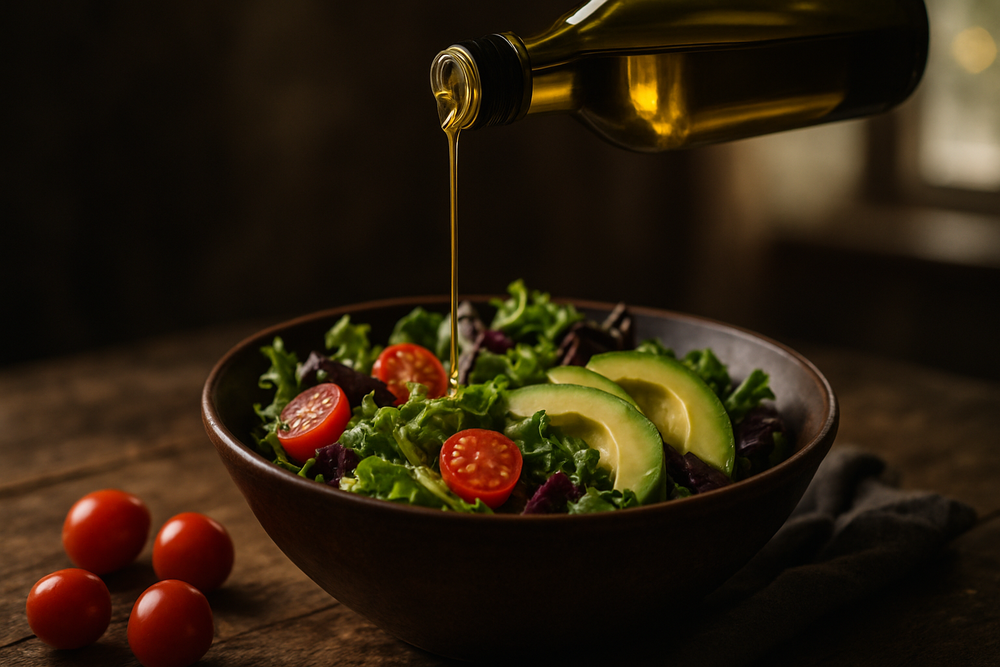
Corn Oil · Photograph
Corn oil is one of the most widely used cooking oils in the world, yet it tends to fly under the radar compared with trendier options like olive or avocado oil. Extracted from the germ of Zea mays — the same plant that gives us sweet corn, popcorn, and cornmeal — refined corn oil is almost pure fat, with a neutral flavour, a high smoke point, and a fatty-acid profile that sits somewhere between "genuinely useful" and "easy to overdo."
Key Nutrients
% Daily Value based on 2,000 cal diet
Key active compounds in corn oil
Corn oil is not just "fat." It contains several biologically active compounds worth knowing:
- Linoleic acid (omega-6 polyunsaturated fat): Makes up roughly 59% of the fat in corn oil. An essential fatty acid — meaning the body cannot make it — required for skin integrity, cell membrane structure, immune function, and production of eicosanoids (hormone-like signalling molecules).
- Oleic acid (omega-9 monounsaturated fat): About 24% of the fat. Associated with healthy blood lipid profiles and a more stable molecule at higher cooking temperatures.
- Phytosterols (plant sterols): Cholesterol-like molecules found naturally in plant foods. In corn oil, they compete with dietary cholesterol for absorption in the gut, which can modestly but meaningfully lower LDL cholesterol.
- Tocopherols (vitamin E family): Corn oil contains both alpha- and gamma-tocopherol, which act as fat-soluble antioxidants, protecting cell membranes and the oil itself from oxidative damage.
- Ubiquinone (Coenzyme Q10): A vitamin-like compound involved in cellular energy production and lipid antioxidant defence, present in small but measurable amounts.
Prep and pairing ideas
Corn oil's neutral flavour and high smoke point make it a workhorse in the kitchen. Here are practical ways to use it sensibly:
- High-heat stir-fry: A small amount (1 teaspoon to 1 tablespoon) in a well-seasoned wok for a vegetable stir-fry. The oil carries heat efficiently, and pairing with omega-3-rich ingredients like edamame or bok choy helps balance the fat profile of the meal.
- Baking: Corn oil works well as a liquid fat in baked goods (cornbread, muffins, quick breads) where a neutral flavour is desirable. It keeps baked goods moist without imparting any taste.
- Occasional deep-frying: Its smoke point and affordability make it suitable for infrequent frying. Use fresh oil each time, do not overheat past its smoke point, and pair the fried food with plenty of vegetables and fibre to balance the calorie load.
Common pairings with corn oil
- Corn oil + omega-3-rich foods (walnuts, flaxseeds, chia seeds): Because corn oil provides almost no omega-3, deliberately pairing it with omega-3 sources in the same meal helps counterbalance its lopsided omega-6:omega-3 ratio. For example, a corn-oil-based stir-
How Corn Oil Compares
| Compared with | What's different |
|---|---|
| Corn Oil vs. Extra Virgin Olive Oil | Higher smoke point and neutral flavor, whereas olive oil has a lower smoke point and peppery taste. |
| Corn Oil vs. Butter | Higher in phytosterols (132mg) and vitamin E, while butter is high in saturated fat and cholesterol. |
| Corn Oil vs. Canola Oil | Significantly higher in polyunsaturated fats (omega-6) compared to canola's monounsaturated profile. |
Health Benefits
Things to Know
WFPB (whole-food, plant-based) note: Most strict WFPB frameworks advise avoiding all extracted oils, including corn oil. The reasoning: refined oils are calorie-dense and nutrient-dilute compared with the whole food they came from, and vascular benefits are best achieved through whole-food fat sources.
Caloric density: At ~120 calories per tablespoon, corn oil adds up quickly. This is not unique to corn oil — it applies to all oils — but it is easy to underestimate when cooking.
Rancidity and reuse: Corn oil stored improperly (light, heat, oxygen) goes rancid quickly. Store in a cool, dark place and discard if it smells bitter, stale, or crayon-like. Never reuse frying oil multiple times — repeated heating generates oxidative byproducts.
Corn allergy: Highly refined corn oil is generally tolerated even by people with corn sensitivity because the protein (the allergen) is largely removed during refining. However, if you have a confirmed corn allergy, consult your allergist before using any corn-derived oil.
Pregnancy: Linoleic acid (omega-6) is an essential fat during pregnancy, but the key is balance — an extremely high omega-6:omega-3 ratio is not ideal during fetal development. Prioritise omega-3 sources alongside any oil use.
Anticoagulant medications (e.g., warfarin): Cumulative vitamin E from supplements plus high oil intake could theoretically increase bleeding risk. Discuss with your doctor if you are on blood thinners.
Lipid-lowering medications: Phytosterol-enriched corn-oil products can further reduce LDL — usually a benefit — but at high doses may slightly reduce absorption of fat-soluble vitamins (A, D, E, K). Monitoring may be warranted.
Orlistat and fat-absorption inhibitors: High oil intake with these medications can worsen gastrointestinal side effects and undermine calorie control.
Prep Ideas
- — High-heat stir-fry: A small amount (1 teaspoon to 1 tablespoon) in a well-seasoned wok for a vegetable stir-fry. The oil carries heat efficiently, and pairing with omega-3-rich ingredients like edamame or bok choy helps balance the fat profile of the meal.
- — Baking: Corn oil works well as a liquid fat in baked goods (cornbread, muffins, quick breads) where a neutral flavour is desirable. It keeps baked goods moist without imparting any taste.
- — Occasional deep-frying: Its smoke point and affordability make it suitable for infrequent frying. Use fresh oil each time, do not overheat past its smoke point, and pair the fried food with plenty of vegetables and fibre to balance the calorie load.
Shop This Ingredient
Stock your pantry with quality corn oil.
Buy on AmazonAs an Amazon Associate, Plantopedia earns from qualifying purchases. This costs you nothing extra and helps us keep the encyclopedia free.
Frequently Asked Questions
Heart and circulation This is where corn oil's strongest evidence sits. A peer-reviewed scientific review published in the American Journal of Clinical Nutrition described corn oil as "a highly effective food oil for lowering serum cholesterol," primarily by reducing LDL ("bad") cholesterol with minimal impact on HDL ("good") cholesterol — improving the LDL:HDL ratio. The mechanism involves two things working together: first, linoleic acid replaces saturated fat in cell membranes and lipoproteins, making LDL particles less atherogenic (less likely to contribute to plaque build-up in arteries); second, phytosterols in the oil partially block cholesterol absorption in the small intestine. The important caveat: These benefits appear most reliably when corn oil replaces saturated fats — not when it is added on top of an already high-fat diet. Swapping butter or lard for corn oil may help your lipid panel; drizzling corn oil over a burger does not. Digestive health and microbiome Refined corn oil is well-tolerated by most people with normal fat digestion. It is described as highly digestible and unlikely to cause gastrointestinal side effects at typical culinary amounts. However, like all fats, large portions can slow gastric emptying, trigger reflux in sensitive individuals, or cause loose stools. People with gallbladder disease, pancreatic insufficiency, or fat-malabsorption conditions should be especially mindful of portion sizes. Corn oil has no fibre, so it contributes nothing to gut microbiome support — a meaningful limitation compared with whole-food fat sources. Blood sugar and metabolism Corn oil contains no carbohydrates, so it has a negligible direct effect on blood glucose. Broader research on polyunsaturated fat replacement of saturated fat shows modest improvements in insulin sensitivity, but most of that data covers unsaturated fats in general rather than corn oil specifically. For people managing diabetes or metabolic syndrome, corn oil is best viewed as a neutral-to-slightly-favourable choice when an oil is needed — but its caloric density means portion control remains important to avoid inadvertent weight gain, which can worsen blood sugar control over time. Corn oil omega-6 and inflammation This is the most debated area. Corn oil's omega-6 to omega-3 ratio of roughly 83:1 is one of the highest of any common cooking oil. Omega-6 fats and omega-3 fats both feed into the body's production of eicosanoids — the hormone-like molecules that regulate inflammation, blood clotting, and immune responses. Omega-6-derived eicosanoids tend to be more pro-inflammatory; omega-3-derived ones tend to be more anti-inflammatory. The practical concern: in a typical Western diet already low in omega-3 fats, heavy use of corn oil could further tilt the omega-6:omega-3 balance in an unfavourable direction. However, the same scientific review of corn oil did not find clear epidemiological evidence that higher PUFA intake from corn oil increases human cancer or disease risk. The inflammation concern is real and worth managing, but it is not a reason to panic — it is a reason to use corn oil sparingly and to make sure your diet includes omega-3 sources like flaxseeds, chia seeds, walnuts, or fatty fish. Inflammation and recovery Beyond the omega-6 discussion, corn oil's vitamin E content (tocopherols) provides genuine antioxidant protection, helping limit oxidative damage to fats in cell membranes. Phytosterols add modest anti-inflammatory properties by modulating cholesterol metabolism. These are benefits, but they are not unique to corn oil — you can get both vitamin E and phytosterols from whole nuts, seeds, and minimally processed plant oils without the same omega-6 loading.
Refined corn oil is the most widely available form. Its high smoke point — approximately 450°F (232°C) — makes it technically well-suited for stir-frying, sautéing, and deep-frying. Its neutral flavour means it does not compete with other ingredients. For occasional high-heat cooking when you want an inexpensive, flavour-neutral oil, refined corn oil is a functional choice. High-oleic corn oil is produced from specially bred corn varieties with a higher proportion of oleic acid (monounsaturated) and lower linoleic acid. It has better oxidative stability at high temperatures and a more favourable fatty-acid profile, but it is mostly used by the food industry rather than sold widely in supermarkets. Cold-pressed or expeller-pressed corn oil is less refined and may retain more native compounds, but it is less stable at high heat, harder to find, and still calorie-dense and omega-6-heavy. Corn-oil-based spreads and margarines — sometimes phytosterol-enriched — can further lower LDL cholesterol but are processed foods containing additives, and they are not aligned with whole-food eating patterns. Bottom line on form: If you use corn oil, refined is fine for high-heat cooking. For everyday use, look at whether the job could be done with a whole-food fat (a handful of walnuts, half an avocado) or a minimally processed oil with a better omega-3 profile.
Quick Answers
Common questions, answered in a line.
Corn oil is rich in linoleic acid, phytosterols, and tocopherols (vitamin E), which support skin integrity, immune function, and heart health. These compounds help maintain cell membrane structure and compete with dietary cholesterol to lower LDL levels in the body.
Corn oil contains approximately 120 calories per tablespoon, making it a very calorie-dense food that should be used sparingly. Because it is a refined oil, it lacks the fiber and full nutrient profile found in the whole corn germ from which it is extracted.
Corn oil contains phytosterols, plant molecules that compete with dietary cholesterol for absorption in the gut to help modestly lower LDL cholesterol. It also provides oleic acid, a monounsaturated fat associated with maintaining healthy blood lipid profiles.
People on anticoagulant medications like warfarin should be cautious with high corn oil intake due to its vitamin E content, which may increase bleeding risk. Additionally, those taking lipid-lowering drugs or fat-absorption inhibitors like Orlistat should consult a doctor before heavy use.
Corn oil is highly refined, which typically removes the proteins responsible for allergic reactions, making it generally tolerated by those with sensitivities. However, individuals with a confirmed corn allergy should always consult an allergist before incorporating it into their diet.
Corn oil is an excellent choice for baking muffins, cornbread, and quick breads because it has a neutral flavor and acts as a liquid fat to keep goods moist. It is often preferred over stronger-tasting oils when a recipe requires the fat to not impart any specific taste.
Store corn oil in a cool, dark place to protect it from light, heat, and oxygen, which cause it to go rancid quickly. You should discard the oil if it begins to smell bitter, stale, or like crayons, and never reuse frying oil as repeated heating creates oxidative byproducts.
For Readers in the USA
Local context — sourcing, seasonality, and regional notes.
Most corn oil sold in the United States is sourced from the "Corn Belt" in the Midwest, specifically states like Iowa, Illinois, and Nebraska. These regions lead the country in corn production, ensuring a steady, year-round supply of oil for domestic grocery shelves and industrial use.
Standard corn oil is available at every major US grocery chain like Walmart, Kroger, and Safeway, while "USDA Organic" or Non-GMO versions are typically found at Whole Foods or specialty health stores. Because corn is a major US commodity, store-brand (private label) corn oil is often the most budget-friendly cooking oil option available to American consumers.
The vast majority of corn oil produced in the US comes from genetically modified (GMO) crops designed for pest resistance and herbicide tolerance. If you want to avoid GMOs, the USDA Organic seal is the most reliable domestic indicator, as organic certification prohibits the use of GE seeds.
There is no specific "season" for corn oil in the US because it is a shelf-stable refined product made from field corn harvested in the fall and processed year-round. While sweet corn is a summer staple at farmers markets, the field corn used for oil is harvested when dry and stored in silos to ensure production never stops.
AI Clinical Review
- Replacing saturated fat with polyunsaturated fat (PUFA), especially linoleic acid from corn oil, reliably lowers LDL (“bad”) cholesterol and can improve the LDL:HDL ratio—benefits seen when corn oil displaces butter/lard rather than being added on top.
- Corn oil’s profile is accurately described: very high in omega‑6, negligible in omega‑3, calorie‑dense (~120 kcal per tablespoon), with modest amounts of vitamin E and phytosterols that can further reduce LDL a bit.
- Culinary guidance is sound: refined corn oil has a high smoke point and neutral flavor, making it functional for high‑heat cooking; reuse and overheating increase oxidation byproducts.
- The piece fairly presents whole‑food, plant‑based considerations and emphasizes overall dietary pattern and portion size over any single oil.
- The link between high omega‑6 intake and systemic inflammation in humans remains mixed; achieving adequate omega‑3 intake (ALA/EPA/DHA) may matter more than targeting a specific omega‑6:omega‑3 “ratio.”
- Corn‑oil–specific outcomes on cardiovascular events (heart attacks, stroke, mortality) are less well studied than intermediate markers like cholesterol; most data generalize from PUFA substitution trials.
- Claims about insulin sensitivity and microbiome effects largely extrapolate from broader unsaturated‑fat research; refined oils provide energy but little direct support to gut microbes.
- High‑oleic corn oil likely has better heat stability, but real‑world health advantages over standard refined corn oil haven’t been firmly established.
- Portion control: oils concentrate calories. Many adults meet heart‑healthy patterns while keeping added oils around 1–2 tablespoons per day, adjusted to energy needs and activity.
- Form and use: choose refined corn oil for high‑heat methods; store in a cool, dark place; avoid repeated frying cycles; discard if the oil smells “painty,” bitter, or stale.
- Who should check with a clinician: people with fat‑malabsorption, gallbladder or pancreatic disease; those on anticoagulants or high‑dose vitamin E; individuals with confirmed corn allergy (refined oil is usually protein‑free but seek personalized advice); and those who are pregnant and need to ensure adequate omega‑3 intake.
- Satiety and nutrient density: whole‑food fats (nuts, seeds, avocado, olives) provide fiber/protein and may aid fullness more than extracted oils; use corn oil for specific cooking needs and balance meals with omega‑3 sources (e.g., flax, chia, walnuts or fatty fish).
Flag strict WFPB limitations for extracted oils and highly processed fat products.
References
- PubMed — Food uses and health effects of corn oil (pubmed.ncbi.nlm.nih.gov)
- PubMed — Corn Oil Lowers Plasma Cholesterol Compared with Coconut Oil in Adults with Above-Desirable Levels of Cholesterol in a Randomized Crossover Trial (pubmed.ncbi.nlm.nih.gov)
- PubMed — Impact of diets containing corn oil or olive/sunflower oil mixture on the human plasma and lipoprotein lipid metabolism (pubmed.ncbi.nlm.nih.gov)
- USDA FoodData Central — USDA FoodData Central (fdc.nal.usda.gov)
Know Your Numbers
Eating healthy is a start. Now get to know your biomarkers.
Food changes bloodwork — inflammation, lipids, blood sugar and nutrient status all respond to what you eat. 59 markers from $59.
- Results in 7–10 days at 2,000+ Quest sites
- Licensed provider reviews every result
- One flat price, no membership, HSA/FSA eligible
Educational information only, not medical advice. Panels are ordered and reviewed through our licensed partner; Plantopedia may earn a commission.