Cumin Seeds — health benefits and uses
Ayurveda uses cumin water (jeera) as a classic digestive tonic.
The Short Answer
Cumin seeds are a potent source of iron, providing 1.3 mg per teaspoon, and contain the active compound cuminaldehyde which may stimulate digestive enzymes. To maximize flavor and antioxidants, toast whole seeds in a dry skillet for 60–90 seconds before
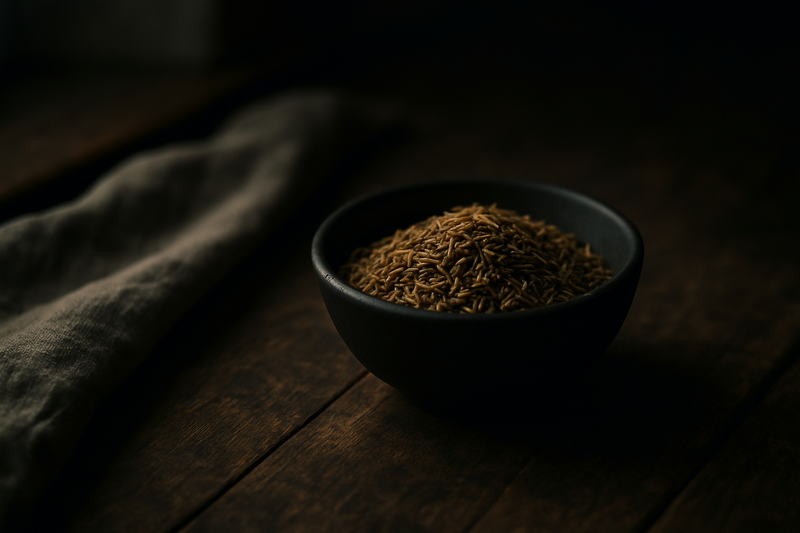
Cumin Seeds · Photograph
Discover the health benefits of cumin seeds, from digestive support and iron content to blood sugar and heart health. Learn how to toast and grind cumin seeds to deepen flavor in curries, chilis, and more — plus nutrition facts, safety notes, and evidence-backed guidance.
Key Nutrients
% Daily Value based on 2,000 cal diet
Key active compounds in cumin seeds
Cumin's health properties are driven by a combination of aromatic volatile oils and stable polyphenols (plant compounds with antioxidant activity):
- Cuminaldehyde — The primary aromatic compound in cumin's essential oil, responsible for its warm, distinctive smell. May stimulate digestive enzyme secretion, exhibit mild antimicrobial activity, and contribute to blood sugar–modulating effects seen in some studies.
- Terpenes (γ-terpinene, p-cymene, β-pinene) — Volatile (easily evaporated) fragrance compounds in the essential oil. Demonstrate antioxidant, mild anti-inflammatory, and antimicrobial properties in experimental models; these are what you smell when you toast seeds.
- Phenolic acids and flavonoids — Polyphenolic compounds concentrated in the seeds that provide significant antioxidant capacity, helping neutralize free radicals (unstable molecules that can damage cells) linked to chronic disease.
- Tannins — Astringent polyphenols (the type that make tea taste slightly bitter) that contribute antimicrobial and antioxidant effects and may support gut barrier integrity at culinary intakes.
Prep and pairing ideas
Toast first, then grind. Heat a dry skillet over medium heat. Add whole cumin seeds and shake the pan for 60–90 seconds until seeds darken slightly and smell fragrant. Transfer immediately to a cool surface (they continue cooking briefly on a hot pan). Grind in a mortar, spice grinder, or the back of a heavy knife. Use within a day or two for best aroma.
Common pairings and why they work:
- Cumin + lentils or black beans — Iron in both ingredients; pairing with vitamin C–rich tomatoes or lime juice in the same dish significantly increases iron absorption from plant sources. A classic combination in dal, chili, and Latin American stews.
- Cumin + roasted root vegetables (carrots, sweet potato, cauliflower) — Cumin's earthy warmth complements the natural sweetness of caramelized vegetables. Toss cubed vegetables in olive oil and toasted ground cumin before roasting at high heat. The fat also helps dissolve cumin's fat-soluble flavor compounds.
- Cumin + plain yogurt or labneh — A cooling counterpoint to cumin's warmth, traditional in Indian raita and Middle Eastern dips. Provides probiotic (live beneficial bacteria) benefit alongside cumin's digestive properties, making this a practical digestive-support pairing.
Bottom line
Cumin seeds are a genuinely useful ingredient to cook with more intentionally. At culinary doses, they contribute iron, magnesium, and a rich array of antioxidants to meals where they would have been added anyway. Toasting whole seeds before grinding costs about 90 seconds and dramatically improves flavor — which is the most practical way to ensure you use cumin consistently enough to benefit from it.
The research on cumin at supplemental doses is encouraging: modest, real improvements in blood sugar markers, cholesterol, and body weight have been observed in human trials. These effects are not large enough to replace medication or substitute for broader lifestyle changes, but they are meaningful enough to make cumin a smart addition to a food-as-medicine approach to eating.
Use it liberally in lentil dishes, curries, chilis, roasted vegetables, and yogurt sauces. Toast it. Grind it fresh when you can. And if you are managing a health condition, especially diabetes, check with your provider before reaching for the supplement capsules.
Explore more ways to eat for digestive health and cardiometabolic support: Browse the Plantopedia Digestive Health goal guide for ingredient combinations, meal ideas, and practical strategies.
How Cumin Seeds Compares
| Compared with | What's different |
|---|---|
| Cumin Seeds vs. Coriander Seeds | Coriander is citrusy and floral, whereas cumin is earthy, nutty, and pungent. |
| Cumin Seeds vs. Caraway Seeds | Caraway is sharper with a distinct anise or licorice note, while cumin is warmer and smokier. |
| Cumin Seeds vs. Fennel Seeds | Fennel is much sweeter and smells like licorice; cumin is savory and peppery. |
Health Benefits
Things to Know
Diabetes medications: At supplemental doses, cumin may modestly enhance glucose-lowering effects of insulin, metformin, or sulfonylureas, potentially increasing the risk of hypoglycemia (blood sugar dropping too low). Monitor closely with your care team.
Combined glucose-lowering supplements: Stacking cumin with berberine, high-dose cinnamon, or other blood-sugar-lowering supplements could theoretically compound reductions in blood glucose.
Pre-surgery: Supplemental cumin may contribute to variability in blood sugar in sensitive individuals around surgery or acute illness.
Pregnancy and breastfeeding: Culinary amounts are considered safe. High-dose medicinal or supplemental use lacks human safety data and should be avoided unless advised by a healthcare provider.
Kidney or liver conditions: Specific safety data for long-term high-dose cumin supplements in these populations are limited; proceed cautiously.
Apiaceae family allergy: People with known allergies to coriander, celery, carrot, or other members of the Apiaceae (formerly Umbellifer) family may have increased risk of cross-reactive sensitivity to cumin.
Culinary amounts are very well tolerated: GRAS (Generally Recognized As Safe) status from US regulatory authorities applies to cumin used as a spice. Mild gastrointestinal discomfort has been reported in some participants in supplemental-dose trials.
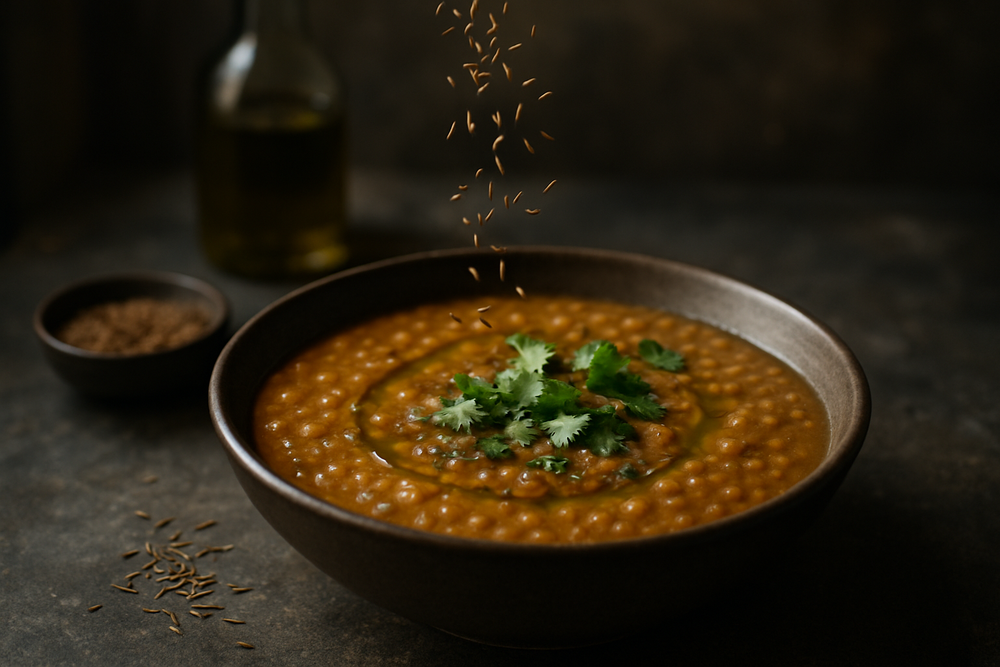
Prep Ideas
- — **Cumin + lentils or black beans** — Iron in both ingredients; pairing with vitamin C–rich tomatoes or lime juice in the same dish significantly increases iron absorption from plant sources. A classic combination in dal, chili, and Latin American stews.
- — **Cumin + roasted root vegetables (carrots, sweet potato, cauliflower)** — Cumin's earthy warmth complements the natural sweetness of caramelized vegetables. Toss cubed vegetables in olive oil and toasted ground cumin before roasting at high heat. The fat also helps dissolve cumin's fat-soluble flavor compounds.
- — **Cumin + plain yogurt or labneh** — A cooling counterpoint to cumin's warmth, traditional in Indian raita and Middle Eastern dips. Provides probiotic (live beneficial bacteria) benefit alongside cumin's digestive properties, making this a practical digestive-support pairing.
Shop This Ingredient
Stock your pantry with quality cumin seeds.
Buy on AmazonAs an Amazon Associate, Plantopedia earns from qualifying purchases. This costs you nothing extra and helps us keep the encyclopedia free.
Frequently Asked Questions
Heart and circulation Human trials and a meta-analysis (a study that pools results from multiple trials) of randomized controlled trials found that cumin seed supplementation produced small but statistically significant improvements in several cardiometabolic (heart and metabolism-related) markers. Across studies, cumin was associated with reductions in total cholesterol of roughly 4 mg/dL, modest improvements in HDL ("good") cholesterol and triglycerides (blood fats), and a reduction in BMI of about 0.88 kg/m². These are real improvements, but they are modest — much smaller than what prescription lipid-lowering medications achieve. Most evidence comes from studies lasting 8–12 weeks using powdered seed or extracts at around 1–3 g per day. Long-term cardiovascular outcome data (such as effects on heart attack or stroke rates) are not yet available. Cumin appears to offer the most value as part of a broader heart-healthy eating pattern rather than as a standalone intervention. Digestive health and microbiome This is cumin's oldest and most consistent traditional application. Cumin is described as carminative (gas-relieving) in Ayurvedic, Middle Eastern, and Latin American herbal traditions, used to ease bloating, gas, and mild indigestion. Modern reviews suggest that cuminaldehyde and related volatile oils may stimulate digestive enzyme secretion and support intestinal motility (the rhythmic contractions that move food through the gut). Small human studies have shown symptom relief in functional digestive complaints, and cumin tea or infused water is widely used for bloating. However, large, rigorously designed trials in conditions like irritable bowel syndrome or functional dyspepsia (indigestion without a clear structural cause) are still limited. Digestive benefits are biologically plausible and supported by traditional use and early research, but not yet conclusively proven. Persistent or severe digestive symptoms should be evaluated by a healthcare provider. Blood sugar and metabolism This is the most clinically studied area for cumin. A narrative review of human trials reports that cumin seed preparations — typically given as seed powder or extract at 1–3 g per day — produced modest reductions in fasting blood glucose and HbA1c (a longer-term marker of average blood sugar) in people with type 2 diabetes, alongside increases in adiponectin (a hormone that improves insulin sensitivity, which is the body's ability to respond to insulin effectively). Effect sizes are small, studies are generally short-term and involve relatively small groups, and formulations vary. The evidence is promising and enough to justify cumin as a supportive dietary addition, but it should not replace prescribed diabetes medications or be treated as a standalone treatment for blood sugar management. Hormones and cycle health Cumin's most documented hormonal effect in humans involves adiponectin, a metabolic hormone that tends to be low in people with obesity or metabolic syndrome (a cluster of conditions including high blood sugar, blood pressure, and unhealthy cholesterol). Clinical studies have found that cumin supplementation increases adiponectin alongside improvements in body composition and blood sugar. Data on sex hormones, thyroid hormones, or effects on the menstrual cycle are very limited. There is currently no reliable evidence that culinary doses of cumin meaningfully alter reproductive hormones or fertility in humans. Inflammation and recovery Cumin seeds contain a spectrum of phenols and flavonoids that demonstrate antioxidant and anti-inflammatory actions in lab and animal studies. In human trials focused on weight and glycemic control, improvements in oxidative stress (cellular damage from free radicals) and inflammatory markers were often reported as secondary outcomes alongside metabolic benefits. Current human data suggest these anti-inflammatory effects may contribute to cumin's modest cardiometabolic benefits, but there are no long-term trials measuring clinical endpoints like arthritis progression or inflammatory disease flares. View cumin as a supportive anti-inflammatory spice, not a targeted anti-inflammatory therapy.
Yes — and for practical flavor reasons as much as any health reason. Toasting is the single technique most likely to increase how much cumin you actually use. Whole seeds (untoasted): Added directly to hot oil or liquid early in cooking to infuse flavor. Volatile oils are released gradually. The seeds are mildly flavored compared to toasted. Toasted whole seeds: Dry-roasted in a skillet over medium heat for 60–90 seconds until fragrant and lightly golden. The heat triggers a Maillard reaction (a chemical reaction between amino acids and sugars that creates new flavor compounds), producing a deeper, nuttier, slightly smoky flavor that elevates curries, chilis, lentil soups, and roasted vegetables. This is the form used across Indian, Mexican, Middle Eastern, and North African cuisines to maximum flavor effect. Freshly ground seeds: Grinding toasted seeds immediately before use — in a mortar or spice grinder — maximizes aroma and delivers the same nutrients as pre-ground cumin, with better preservation of volatile components that fade during storage. This is the best option when cumin is a featured flavor. Pre-ground cumin powder: Convenient and nutritionally similar to whole seeds, but volatile oils diminish over time. Effective for everyday cooking and the form used in most clinical trials at 1–3 g per day. Cumin tea / infused water: Whole seeds simmered or steeped in hot water, then strained. Commonly used for bloating in traditional systems. Most supporting evidence is experiential rather than from large trials. Capsules or standardized extracts: Used in several human studies on weight, lipids, and blood sugar at doses equivalent to roughly 1–3 g of seed per day. More appropriate for therapeutic exploration under professional guidance than for everyday culinary use.
Culinary range (everyday use): Approximately ½ to 2 teaspoons (1–4 g) of whole or ground cumin per day spread across meals. This is the range most people use in cooking and is considered very safe for healthy adults. Research doses (for metabolic support): Human clinical trials on blood sugar, cholesterol, and body weight have generally used 1–3 g per day of cumin seed powder or equivalent extract, typically for 8–12 weeks. This overlaps with the upper end of normal culinary use. Practical guidance: Start with ½ teaspoon per meal and build up based on taste and tolerance. Because typical servings are small, consistent daily use across multiple dishes is more meaningful than occasional large amounts. People interested in the metabolic effects studied in trials should work with a clinician or registered dietitian, especially if managing diabetes, elevated cholesterol, or obesity. There is no established upper safe limit for culinary use, but very high supplemental doses have limited long-term safety data. More is not necessarily better.
Quick Answers
Common questions, answered in a line.
Cumin seeds are a source of iron, magnesium, and a rich array of polyphenolic antioxidants. These nutrients contribute to cellular protection and mineral intake when used consistently in meals like dal, chili, or roasted vegetables.
Cumin seeds contain active compounds like cuminaldehyde and terpenes that may stimulate digestive enzyme secretion and support gut health. Pairing cumin with probiotic-rich foods like yogurt or labneh is a traditional way to utilize these digestive-support properties.
Toasting cumin seeds for 60–90 seconds in a dry skillet deepens their flavor and releases aromatic volatile oils. This process should be done over medium heat until the seeds darken slightly and become fragrant before they are ground for use.
Cumin contains cuminaldehyde and phenolic acids, which have shown blood sugar–modulating effects in some studies. At supplemental doses, cumin may enhance the effects of medications like insulin or metformin, so it is important to monitor blood sugar levels closely.
Cumin seeds pair exceptionally well with lentils, black beans, and roasted root vegetables like carrots and sweet potatoes. Using fat, such as olive oil, helps dissolve the seed's fat-soluble flavor compounds, while vitamin C–rich pairings increase iron absorption.
People with allergies to coriander, celery, or carrots should be cautious, as they may have a cross-reactive sensitivity to cumin. While culinary amounts are generally safe, those on diabetes medication should consult a provider before taking cumin supplements due to potential hypoglycemia risks.
For Readers in the USA
Local context — sourcing, seasonality, and regional notes.
Cumin is primarily grown in the warm climates of the Southwest and California, though most cumin sold in the U.S. is imported from India and the Mediterranean. While it thrives in USDA zones 9–11, home gardeners in cooler states can grow it by starting seeds indoors to ensure a long, frost-free growing season.
Whole and ground cumin are staples found in the spice aisle of major U.S. retailers like Walmart, Kroger, and Safeway, as well as specialty grocers like Whole Foods and Trader Joe's. For the highest quality whole seeds, look for bulk bins at local natural food stores or international markets specializing in Indian or Latin American cuisine.
In American cuisine, cumin is a signature flavor in Tex-Mex chili and taco seasoning, and it is a key ingredient in many U.S. soul food recipes and barbecue rubs. It gained widespread popularity in the U.S. during the mid-20th century as regional Southwestern cooking styles became national favorites.
Look for the USDA Organic seal to ensure the cumin was grown without synthetic pesticides, and check the "Country of Origin" label typically found on the back of the spice jar. The FDA monitors imported spices for contaminants like salmonella, so buying from reputable national brands ensures the product has met federal safety standards.
AI Clinical Review
- Presents cumin as a nutrient-dense culinary spice, with an accurate emphasis on its iron content and the practical tip to pair with vitamin C–rich foods to enhance non‑heme iron absorption.
- Summarizes human trials showing modest improvements in glycemic control, lipids, and body weight at intakes around 1–3 g/day, appropriately positioning cumin as an adjunct—not a replacement—for standard care.
- Reflects traditional use for digestion while noting only early human evidence; framing is balanced and avoids overclaiming.
- Highlights flavor-forward practices (toasting, fresh grinding) that can realistically increase consistent intake without safety trade‑offs.
- Most clinical studies are short (about 8–12 weeks), small, and use varied preparations, which limits certainty about effect size and generalizability.
- Digestive benefits are biologically plausible but lack large, well‑controlled trials in conditions like IBS or functional dyspepsia; microbiome effects in humans remain unclear.
- Cardiovascular outcomes (e.g., heart attack or stroke reduction) have not been studied; current data are limited to risk markers.
- Beyond adiponectin, effects on sex, thyroid, or fertility hormones are not established in humans.
- Typical culinary use (about ½–2 tsp or 1–4 g/day) is considered very safe; research doses often fall within 1–3 g/day of seed powder or equivalent extract.
- People with diabetes should be cautious at supplement‑level doses due to potential additive glucose‑lowering; discuss with your care team and monitor blood sugars.
- Avoid high‑dose supplements in pregnancy or while breastfeeding, and use caution with chronic kidney or liver disease due to limited long‑term safety data.
- Watch for possible cross‑reactivity if you have Apiaceae family allergies (e.g., celery, coriander). Different forms vary in potency: whole/ground seeds for cooking are gentler; concentrated essential oils or extracts can have stronger effects and may irritate in excess.
Generally safe as a spice; very large medicinal doses may affect blood sugar.
References
- USDA FoodData Central — Spices, cumin seed (FDC ID 02014): Nutrient composition data per 100 g and per teaspoon (fdc.nal.usda.gov)
- Comprehensive review of cumin as a natural remedy — clinical and experimental evidence on antidiabetic, lipid-lowering, and antioxidant effects: (ijmrhs.com)
- Meta-analysis of cumin seed supplementation on body composition and lipid profile — RCT pooled data on BMI, waist circumference, cholesterol, HDL, and triglycerides: (examine.com)
- PMC review article on cumin phytochemicals, biological activity, and safety: (pmc.ncbi.nlm.nih.gov)
- NIH National Library of Medicine — overview of spice phytochemicals and health effects: (ncbi.nlm.nih.gov)
- Cumin nutrition facts and traditional uses in digestive health and metabolism (Ayurvedic perspective): (truemeds.in)
- Nutrition-and-you.com — cumin seed nutrition facts, micronutrients, and phytochemical summary based on USDA data: (nutrition-and-you.com)
- MyPlate.gov — US dietary guidance on protein foods and role of herbs and spices in healthy eating patterns: (myplate.gov)
- PubMed — recent human trial on cumin and metabolic outcomes: (pubmed.ncbi.nlm.nih.gov)
Know Your Numbers
Eating healthy is a start. Now get to know your biomarkers.
Food changes bloodwork — inflammation, lipids, blood sugar and nutrient status all respond to what you eat. 59 markers from $59.
- Results in 7–10 days at 2,000+ Quest sites
- Licensed provider reviews every result
- One flat price, no membership, HSA/FSA eligible
Educational information only, not medical advice. Panels are ordered and reviewed through our licensed partner; Plantopedia may earn a commission.