Dried Mint — health benefits and uses
Traditional carminative used to soothe digestion.
The Short Answer
Dried mint is a versatile herb used to aid digestion and add brightness to savory dishes, containing 7.4 mg of calcium and 0.44 mg of iron per tablespoon. It is prized for its cooling menthol content and rosmarinic acid, which provides antioxidant and

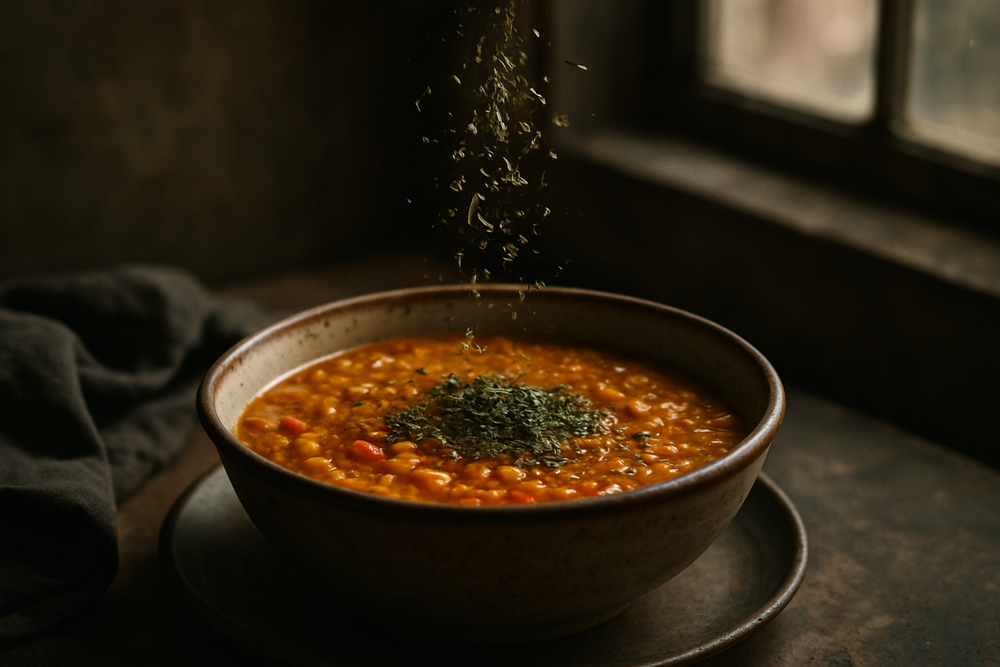
Dried Mint · Photograph
Discover the health benefits of dried mint — from digestive support and antioxidant properties to Middle Eastern cooking tips, nutrition facts, and safety guidance. Evidence-aligned and easy to follow.
Key Nutrients
% Daily Value based on 2,000 cal diet
Key active compounds in dried mint
- Rosmarinic acid — A polyphenolic compound abundant in the Lamiaceae herb family (which includes basil, oregano, and sage). Scavenges free radicals (unstable molecules that can damage cells) and helps modulate inflammatory pathways.
- Menthol — A monoterpene (a small aromatic molecule) responsible for mint's cooling sensation. Acts on smooth muscle in the gut and sensory receptors in the mouth and nose, contributing to antispasmodic (anti-cramping) effects.
- Menthone — A monoterpene ketone found alongside menthol in mint essential oil. Contributes to flavour and may support mild antimicrobial properties.
- Flavonoids (e.g., luteolin, eriocitrin) — Polyphenolic pigments in mint leaves with antioxidant, anti-inflammatory, and potential vasoprotective (blood-vessel-protecting) actions.
- Phenolic acids (e.g., caffeic acid, ferulic acid) — A broad class of plant compounds that enhance dried mint's total antioxidant capacity and may help protect fats, proteins, and DNA from oxidative (cell-damaging) stress.
Prep and pairing ideas
Dried mint is at its most versatile when you think of it less as a garnish and more as a foundational flavour layer. Here are three practical approaches:
Stirred into yogurt-based sauces Combine 1 teaspoon of dried mint with plain plant-based yogurt, a little garlic, lemon juice, and cucumber for a quick cacık-style sauce. The mint cuts through the richness and adds a cooling finish alongside its polyphenol contribution.
Floated on lentil or bean soups A Middle Eastern technique: just before serving, briefly fry 1 teaspoon of dried mint in a tiny amount of olive oil until fragrant (about 30 seconds), then drizzle over the soup. The brief heat blooms the aromatic compounds and creates a deeply savoury top note.
Blended into spice mixes Combine dried mint with sumac, sesame, dried thyme, and toasted cumin for a versatile spice blend that works on roasted vegetables, flatbreads, or grain bowls. The mint adds brightness and balances earthy spices.
Buying guide: getting the best dried mint
Dried leaf flakes vs. powder Flakes retain more intact cell structure and tend to stay fresh longer. Powder disperses more evenly but can lose volatile aromatic compounds faster once the packet is opened.
What to look for on the label
- Ingredient list should read: dried spearmint (or peppermint) leaves. Nothing else.
- Look for a harvest or "best by" date — mint's aromatic potency fades noticeably after 12–18 months.
- Organic certification reduces pesticide exposure, though culinary risk is low either way.
- Avoid products that list "mint flavouring" — these are not whole-leaf products.
Spearmint vs. peppermint when buying dried Most dried mint sold in Middle Eastern grocery stores is spearmint. Peppermint has a higher menthol content and a sharper, more cooling flavour. For cooking, spearmint is typically the better choice; peppermint can overpower savoury dishes.
Storage Store in an airtight glass jar away from direct light and heat. A cupboard away from the stove is ideal. Replace after 12–18 months even if it still looks green — the aromatic compounds will have degraded significantly.
Bottom line
Dried mint is a low-calorie, high-flavour herb that earns its place in a whole-food, plant-based kitchen on taste alone — and it comes with a meaningful antioxidant profile as a bonus. The evidence for Mentha species across digestive health, inflammation, and metabolic support is real but mostly drawn from concentrated oil preparations rather than the culinary herb. That gap between lab evidence and your spice rack doesn't make dried mint less useful; it just means you should enjoy it for what it clearly is — a versatile, polyphenol-rich flavour ingredient — rather than treating it as a functional supplement.
Use it generously in soups, sauces, and spice blends. Keep your expectations realistic. And if you have specific health conditions where mint therapy has genuine evidence behind it (like IBS), talk to a healthcare provider about the appropriate form and dose.
Looking to see how dried mint fits into a broader gut-health or anti-inflammatory eating pattern? Explore goal-based ingredient combinations at Plantopedia Goals.
How Dried Mint Compares
| Compared with | What's different |
|---|---|
| Dried Mint vs. Dried Peppermint | Contains more menthol for a sharper, intensely cooling taste used mostly in teas. |
| Dried Mint vs. Dried Oregano | Used similarly but offers an earthy, peppery profile rather than a cooling sensation. |
Health Benefits
Things to Know
Acid reflux or GERD (gastroesophageal reflux disease): Mint relaxes the lower oesophageal sphincter (the valve between the oesophagus and stomach). In culinary amounts this is rarely a problem, but if you're prone to heartburn, monitor your symptoms when increasing mint intake.
Gallstones or bile duct obstruction: High-dose peppermint preparations are sometimes flagged in these conditions due to effects on bile flow. Culinary dried mint is a low concern, but speak to your doctor if you have an active gallbladder condition.
Infants and young children: Concentrated mint oils should never be applied to the faces of infants or young children (risk of respiratory distress). Dried mint used sparingly in family cooking is generally considered safe.
Lamiaceae allergy: If you have a known allergy to other herbs in the mint family — basil, oregano, sage, rosemary, thyme — you may react to mint. Introduce it gradually if you're unsure.
Medications (relevant mainly to supplements, not culinary use): High-dose peppermint oil may theoretically influence cytochrome P450 enzymes (a family of liver enzymes that process many drugs), potentially affecting drug metabolism. This is not a concern at culinary dried mint amounts but is worth knowing if you're considering concentrated supplements alongside narrow-therapeutic-index medications (drugs where small changes in blood levels matter, like cyclosporine or certain anticoagulants).
Pregnancy and breastfeeding: Culinary amounts of dried mint are generally considered safe. Medicinal or supplement doses warrant professional guidance before use.
Shop This Ingredient
Stock your pantry with quality dried mint.
Buy on AmazonAs an Amazon Associate, Plantopedia earns from qualifying purchases. This costs you nothing extra and helps us keep the encyclopedia free.
Frequently Asked Questions
Heart and circulation Mint extracts and essential oils show antioxidant, vasorelaxant (blood-vessel-relaxing), and anti-atherogenic (plaque-reducing) mechanisms in laboratory and animal studies. The flavonoids and phenolic acids in dried mint may help protect LDL cholesterol from oxidation — a key early step in cardiovascular disease. However, there are currently no robust human trials linking dietary dried mint consumption to improved blood pressure, cholesterol levels, or reduced cardiovascular events. The most practical heart-health benefit right now may be an indirect one: using dried mint as a flavour base can help you reduce reliance on salt and high-sodium seasonings, which does have solid evidence behind it. Digestive health and microbiome This is where Mentha research is strongest — though with an important caveat. The most convincing evidence comes from randomised controlled trials (studies where participants are randomly assigned to a treatment or placebo) using enteric-coated peppermint oil capsules in adults with IBS (irritable bowel syndrome), where the oil meaningfully reduced abdominal pain and global symptom scores compared with placebo. These capsules deliver a concentrated dose of peppermint essential oil directly to the intestine — a very different situation from a teaspoon of dried mint stirred into soup. Traditional and clinical descriptions also associate culinary mint with relief from indigestion, gas, and mild bloating, likely via smooth-muscle relaxation, but specific trials on the dried culinary herb are lacking. If digestive support is your main goal, peppermint oil capsules are the evidence-backed form; dried mint in cooking is a pleasant, plausible complement. Blood sugar and metabolism Reviews of Mentha species note potential hypoglycaemic (blood-sugar-lowering) effects, mainly from animal and cell studies, where polyphenol-mediated improvements in insulin signalling and reduced oxidative stress were observed. Human trials are sparse and typically use extracts rather than the dried herb. In culinary amounts, any direct impact on blood sugar is likely modest. What dried mint can offer is a way to make plant-based meals — naturally lower on the glycaemic index — more appealing and varied, which supports better dietary adherence overall. Inflammation and recovery Anti-inflammatory activity in Mentha is well-documented in vitro (in cell studies) and in animal models, where compounds like rosmarinic acid inhibit key inflammatory mediators. Human data directly testing dried mint or mint tea on inflammatory markers are limited, and most evidence is indirect — through antioxidant capacity measurements or symptom improvement in conditions like IBS. The picture that emerges is that dried mint is a genuinely antioxidant-rich herb that may offer low-level support for managing oxidative stress and low-grade inflammation when used consistently as part of a varied plant-based diet, but it shouldn't be framed as a treatment for any inflammatory condition.
The right form depends on what you're trying to achieve. Dried leaf flakes are the workhorse of Middle Eastern and Mediterranean cooking — stirred into yogurt sauces (cacık, tzatziki-style dips), floated on lentil or bean soups, and folded into spice blends. Stable, convenient, and flavour-intensive, they bring polyphenols with every meal. Powdered dried mint is finely ground, making it ideal for spice rubs and blends (think za'atar-inspired mixes) where uniform distribution matters. The grinding process doesn't significantly reduce polyphenol content. Mint tea (infusion) — dried mint steeped in hot water — is how most traditional digestive uses are delivered, and is closer to the preparations described in clinical literature. If digestive comfort is a key goal, a daily mint tea is a practical, low-risk option. Peppermint oil capsules are the form used in IBS clinical trials — enteric-coated to release in the intestine rather than the stomach. They deliver a far more concentrated active dose than any culinary use. This form should be treated as a supplement rather than a food ingredient, with corresponding attention to dose and interactions. Fresh mint offers a lighter flavour and a slightly different ratio of volatile (easily evaporated) aromatic compounds. Both fresh and dried are nutritious; fresh may deliver slightly more of certain volatile phytochemicals, while dried is more concentrated per gram and far more shelf-stable.
In culinary use, 1–2 teaspoons (approximately 1–2 g) per dish is typical and well within normal dietary intake for most people. There is no established upper limit for dried mint leaf as a food ingredient, and culinary amounts have a long, safe track record across many food cultures. For perspective: the clinical trials that showed IBS benefits used standardised enteric-coated peppermint oil capsules delivering roughly 180–225 mg of essential oil, two to three times daily. That is a pharmacological dose of a concentrated extract — orders of magnitude more potent than the menthol you'd get from a teaspoon of dried mint in soup. Don't expect the same therapeutic effect from the culinary herb, but also don't worry that normal cooking use is excessive. A sensible starting point if you're new to mint-forward cooking: add ½ teaspoon to your first few dishes and scale up as your palate adjusts. There is no need to measure precisely for health reasons at culinary amounts — cook by taste. If you're considering a mint supplement (capsule, extract, or oil form), that's a different conversation. Those forms can interact with medications and worsen reflux. Discuss with a pharmacist or doctor before starting.
Quick Answers
Common questions, answered in a line.
Dried mint contains rosmarinic acid, menthol, menthone, flavonoids like luteolin, and phenolic acids such as caffeic and ferulic acid. These polyphenolic and monoterpene compounds provide antioxidant, anti-inflammatory, and antispasmodic properties that support digestive and cellular health.
Dried mint should be stored in an airtight glass jar in a cool, dark place like a cupboard away from the stove. When stored correctly, it retains its aromatic potency for about 12 to 18 months before the active compounds begin to degrade significantly.
For savory cooking, dried spearmint is usually the better choice as it has a milder profile, whereas peppermint contains more menthol and can easily overpower a dish. Peppermint provides a much sharper, cooling sensation compared to the balanced flavor of spearmint.
To maximize flavor, you can stir dried mint into yogurt-based sauces, blend it into spice mixes like za'atar, or briefly fry it in olive oil before drizzling it over lentil or bean soups. Frying the herb for about 30 seconds "blooms" the aromatic compounds for a deeper flavor.
People with acid reflux or GERD should be cautious, as mint can relax the lower esophageal sphincter and potentially trigger heartburn. You should also consult a doctor if you have gallstones, bile duct obstructions, or a known allergy to other Lamiaceae herbs like basil or oregano.
When buying dried mint, choose leaf flakes over powder for better freshness and look for a label that lists only 100% dried mint leaves with no added flavorings. Check for a harvest or "best by" date to ensure the aromatic potency hasn't faded.
For Readers in the USA
Local context — sourcing, seasonality, and regional notes.
You can find dried mint at major US supermarkets like Kroger, Safeway, and Whole Foods, as well as at specialty Middle Eastern or Mediterranean markets. For the highest quality and bulk options, many US cooks prefer purchasing from spice-specific retailers like Penzys Spices or local farmers markets in warmer states.
In the US, "dried mint" is typically spearmint, whereas "peppermint" is usually labeled specifically by name due to its stronger menthol content. If you are shopping at a standard American grocery store, generic "Dried Mint" or "Mint Flakes" will almost always be the milder spearmint variety used for savory cooking.
While mint is grown commercially in states like Oregon, Washington, and Idaho, it is available year-round across the US due to its long shelf life and greenhouse cultivation. Peppermint and spearmint production in the Pacific Northwest accounts for the vast majority of the US supply, ensuring a consistent and affordable product in every season.
Look for the USDA Organic seal on dried mint packaging to ensure the herb was grown without synthetic pesticides or fertilizers. While the FDA regulates dried herbs as "generally recognized as safe" (GRAS), choosing certified organic brands at US retailers provides an extra layer of assurance regarding soil quality and processing standards.
AI Clinical Review
- Dried mint is low-calorie yet rich in polyphenols (notably rosmarinic acid and flavonoids), which contributes antioxidant activity.
- The strongest digestive evidence in humans is for enteric‑coated peppermint oil capsules in IBS, not for culinary dried mint—an important and clearly stated distinction.
- Culinary amounts (about 1–2 teaspoons) are generally safe for most people and can add flavor that may help reduce reliance on sodium.
- The piece sensibly compares forms (fresh, dried, tea, oil) and sets realistic expectations about what food‑level intakes can and cannot do.
- Human trials directly testing dried mint (as a food or tea) on outcomes like blood pressure, lipids, glycemia, or inflammatory markers are limited; most data are mechanistic, animal, or extract‑based.
- Antioxidant capacity measured in the lab does not automatically translate to clinical benefit—bioavailability and effective doses from culinary use remain uncertain.
- Claims about microbiome benefits are plausible but not well confirmed for dried mint; robust human RCTs are still needed.
- Typical culinary use of 1–2 tsp per dish is reasonable; there is no established upper intake limit for the dried leaf as food. Do not equate these amounts with supplement doses used in trials (e.g., ~180–225 mg enteric‑coated peppermint oil, 2–3 times daily for IBS).
- People with reflux/GERD may notice worsening heartburn with higher mint exposure; adjust intake to symptoms.
- Those with gallbladder disease, significant medication regimens, or considering concentrated peppermint oil should consult a clinician first; essential oils should not be used on infants’ faces due to breathing risk.
- Spearmint (milder, common in cooking) vs. peppermint (higher menthol) differ in flavor and potency—choose the form (dried leaf, tea, or capsule) that matches your goal and tolerance.
Safe in culinary amounts.
References
- USDA FoodData Central — Dried spearmint nutrition data (fdc.nal.usda.gov)
- MyFoodData — Dried spearmint nutritional profile (tools.myfooddata.com)
- FatSecret — Spearmint (dried) per 100 g values (foods.fatsecret.com?portionid=56651&portionamount=100.000)
- Norwegian Food Composition Table — Mint, dried (matvaretabellen.no)
- Comprehensive review: bioactivity and health benefits of peppermint (Mentha piperita) (iranarze.ir)
- PMC — Chemical composition and antioxidant properties of Mentha essential oils (peer-reviewed review) (pmc.ncbi.nlm.nih.gov)
- PMC — Mentha haplocalyx: comprehensive review on nutritional composition, phytochemistry, and health benefits (2024 review) (pmc.ncbi.nlm.nih.gov)
- Semanticscholar — Mentha species: bioactive compounds and potential health benefits (review) (pdfs.semanticscholar.org)
- Vita-Veg — Natural properties of dried mint (accessible summary) (vita-veg.com)
Know Your Numbers
Eating healthy is a start. Now get to know your biomarkers.
Food changes bloodwork — inflammation, lipids, blood sugar and nutrient status all respond to what you eat. 59 markers from $59.
- Results in 7–10 days at 2,000+ Quest sites
- Licensed provider reviews every result
- One flat price, no membership, HSA/FSA eligible
Educational information only, not medical advice. Panels are ordered and reviewed through our licensed partner; Plantopedia may earn a commission.