Dukkah — health benefits and uses
A traditional Egyptian street food mix eaten as a nourishing, aromatic snack.
The Short Answer
Dukkah is a traditional Egyptian condiment made from a blend of toasted nuts, seeds, and warm spices like cumin and coriander. It is most commonly used as a crunchy dip for bread dipped in olive oil or as a nutrient-dense seasoning for roasted vegetables and
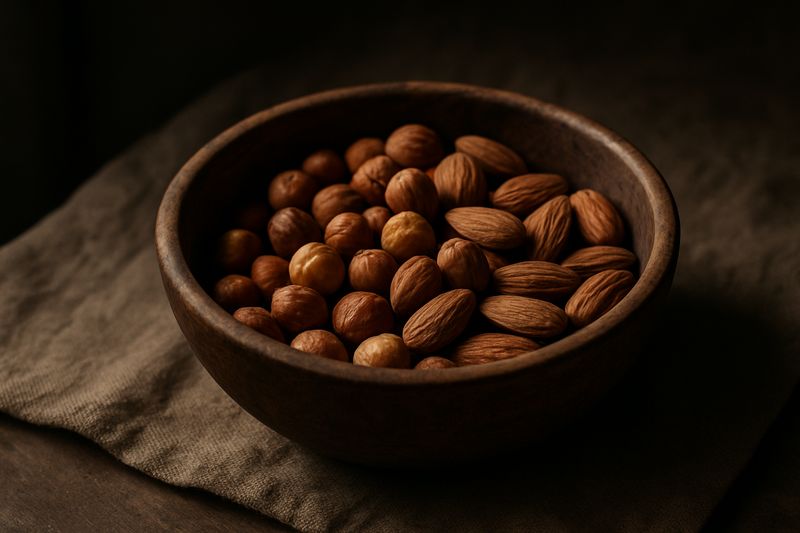
Dukkah · Photograph
Discover dukkah health benefits and nutrition in plain English. Learn what this Egyptian nut-and-seed blend is made of, how many calories are in a tablespoon, whether it suits a whole food plant-based diet, and what to know about nut and sesame allergies before you start.
Key Nutrients
% Daily Value based on 2,000 cal diet
Key Active Compounds in Dukkah
- Sesamin and other lignans — phenolic (plant antioxidant) compounds from sesame seeds; studied for antioxidant activity and possible benefits to lipid metabolism and vascular health.
- Phytosterols — plant-derived compounds structurally similar to cholesterol; found in nuts and seeds; compete with cholesterol absorption in the gut and have contributed to modest LDL reductions in human nut trials. LDL ("bad" cholesterol) is a marker linked to cardiovascular risk.
- Polyphenols — a broad family of antioxidant plant compounds found in coriander, cumin, nuts, and seeds; help neutralize free radicals (unstable molecules that can damage cells) and may modulate inflammatory pathways.
- Monounsaturated and polyunsaturated fatty acids (MUFAs and PUFAs) — the main fat types in nuts, seeds, and the olive oil you typically dip with; linked to healthier lipid profiles when they replace saturated fats in the diet.
- Vitamin E — a fat-soluble antioxidant concentrated in nuts; protects cell membranes from oxidative damage. Precise amounts in dukkah vary by recipe.
Prep and Pairing Ideas
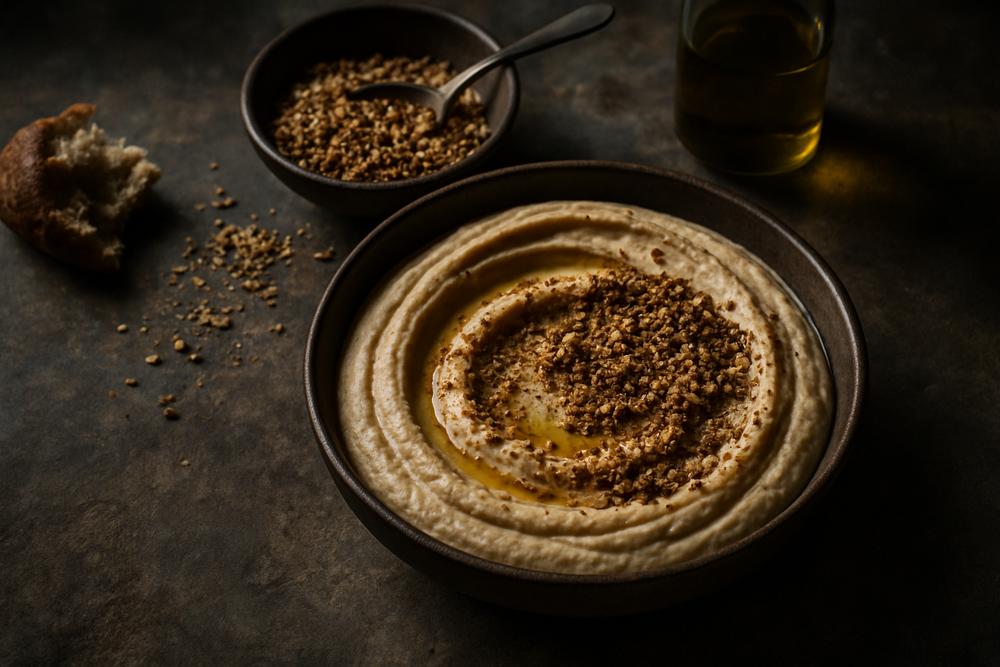
The classic: Tear sourdough or whole grain pita, dip in good extra-virgin olive oil, then press into dukkah. The oil acts as the "glue." Simple, satisfying, and a legitimate way to eat more nuts and seeds.
Salad topper: Scatter a tablespoon over a green salad or grain bowl in place of croutons. You get crunch, fat, and protein with no refined carbohydrates.
Protein crust: Press dukkah onto a fillet of white fish, a block of firm tofu, or a chicken breast before pan-roasting. It forms a textured crust that seals in moisture and adds a savory, nutty depth.
Roasted vegetables: Toss warm roasted carrots, cauliflower, or sweet potato with a drizzle of olive oil and a tablespoon of dukkah just before serving. The residual heat lightly warms the spices and intensifies their aroma.
Avocado toast upgrade: Finish avocado toast with a pinch of dukkah instead of red pepper flakes or everything bagel seasoning — you get similar flavor complexity with added protein and fiber from the nuts and seeds.
Bottom Line
Dukkah is one of the few condiments that earns its place on a nutrition label. A tablespoon delivers plant protein, heart-healthy unsaturated fats, dietary fiber, and a range of antioxidant compounds — all from whole, minimally processed ingredients. Research on its components supports a role in heart-healthy, blood sugar-friendly, and anti-inflammatory eating patterns, though dukkah itself has not been directly tested in clinical trials.
It is not a cure, a supplement, or a superfood in isolation. What it is, however, is a genuinely useful, culturally rich way to make meals more nutritious without adding ultra-processed ingredients. Start with a tablespoon, pair it with olive oil and vegetables or whole grain bread, and think of it as a flavorful nudge toward eating more nuts and seeds every day.
Curious how dukkah fits into your broader health goals? Explore how nuts, seeds, and anti-inflammatory foods work together on Plantopedia's [/goals] page.
How Dukkah Compares
| Compared with | What's different |
|---|---|
| Dukkah vs. Za'atar | Dukkah is a dry nut and spice blend, while Za'atar is herb-based with dried thyme and sumac. |
| Dukkah vs. Everything Bagel Seasoning | Dukkah features toasted nuts and earthy spices, whereas Everything Bagel seasoning is salt and onion heavy. |
| Dukkah vs. Furikake | Dukkah contains crushed nuts and toasted spices; Furikake relies on seaweed and dried fish flakes. |
Health Benefits
Things to Know
Tree nut allergy: Dukkah almost always contains hazelnuts, almonds, pistachios, or some combination. If you have a diagnosed tree nut allergy, avoid standard dukkah entirely and check any "seed-only" versions for cross-contamination warnings.
Sesame allergy: Sesame is a top-nine allergen in the U.S. and must be declared on food labels. It is a core dukkah ingredient.
Peanut cross-contamination: Traditional recipes don't use peanuts, but some commercial facilities process peanuts on shared equipment. Check allergen notices on the label.
High blood pressure: Salty commercial blends can add meaningful sodium to your day. Choose unsalted or low-sodium versions and use modest amounts.
Calorie density: At roughly 550–600 kcal per 100 g, dukkah is energy-dense. A tablespoon is a reasonable portion; eating it by the bowlful can significantly add to daily calorie intake, which matters if weight management is a goal.
Anticoagulant medications (e.g., warfarin): Very high nut and seed intake provides vitamin E, which in theory could influence clotting. Typical culinary portions of dukkah are unlikely to be clinically significant, but if you are on blood thinners, mention any major dietary change to your doctor.
Antihypertensive and antidiabetic medications: High-sodium blends can work against blood-pressure drugs; pair dukkah with lower-carbohydrate foods if you're managing glucose and on medication.
Chewing and swallowing difficulties: Coarsely ground dukkah can pose a choking risk for young children and older adults. Grind it more finely or use smaller quantities.
Pregnancy: Dukkah is generally safe in culinary amounts during pregnancy. Avoid unpasteurized or exotic blends with unlisted botanicals.
Shop This Ingredient
Stock your pantry with quality dukkah.
Buy on AmazonAs an Amazon Associate, Plantopedia earns from qualifying purchases. This costs you nothing extra and helps us keep the encyclopedia free.
Frequently Asked Questions
Because dukkah has no dedicated clinical trials, the evidence below comes from research on its key components. Think of it as a "guilt by association" argument in the positive direction — the ingredients are individually well studied. Heart and Circulation Regular nut and seed intake is one of the more consistent findings in nutrition research. Human studies and meta-analyses (pooled analyses of multiple studies) show that eating nuts several times per week can improve lipid profiles — raising HDL ("good" cholesterol), lowering LDL, and modestly reducing cardiovascular risk. The mechanism involves phytosterols, MUFAs, PUFAs, and fiber working together to reduce cholesterol absorption and improve blood vessel function. Dukkah fits this picture through its nut-and-seed base. Commercial analyses show roughly 34–57 g of total fat per 100 g of dukkah, with a low proportion being saturated fat. When used as a condiment instead of butter, cream-based dips, or high-sodium spreads, dukkah may support a more heart-friendly meal pattern. Evidence for dukkah benefits for heart health is promising but still extrapolated — not tested directly. Digestive Health and Microbiome Each tablespoon of dukkah contributes around 1–2 g of dietary fiber — a small but real amount when you consider that most people fall well short of the recommended 25–38 g per day. Fiber from nuts and seeds feeds beneficial gut bacteria (the microbiome), promotes regular bowel movements, and supports satiety (a feeling of fullness). There are no human studies on dukkah and the microbiome specifically, so benefits here are inferred from its fiber content rather than measured directly. Blood Sugar and Metabolism Nuts and seeds have a low glycemic impact — meaning they cause a slower, smaller rise in blood glucose than refined carbohydrates. Small human trials on individual nuts and on culinary spices like coriander and cumin suggest modest benefits for postprandial (after-meal) glucose and insulin. With around 3 g of carbohydrate and 7 g of fat per tablespoon, dukkah adds very little glycemic load to a meal. That said, the net effect on blood sugar depends heavily on what it's paired with — whole grain bread versus white bread versus raw vegetables will produce very different outcomes. Evidence here is emerging, not established. Inflammation and Recovery Sesame lignans, polyphenols from the spices, and the unsaturated fats in nuts have each been linked to modest reductions in inflammatory biomarkers (measurable signals of inflammation in the blood) in human studies. No study has specifically measured dukkah's effect on inflammation. The reasonable interpretation is that including dukkah regularly as part of a diet rich in plants, fiber, and healthy fats may support an anti-inflammatory eating pattern — but dukkah alone is not an anti-inflammatory treatment.
Dukkah comes in three practical forms, each with trade-offs: Homemade is the gold standard for nutrition control. You choose the nuts (hazelnuts, almonds, pistachios), the salt level (or none at all), and how coarsely you grind it. Toasting whole spice seeds briefly in a dry pan before grinding releases their aromatic oils and deepens flavor. Homemade dukkah keeps well in an airtight jar for two to four weeks. Commercial packaged dukkah is convenient and consistent, but labels vary enormously. Some brands contain 400–600 mg of sodium per 100 g; others are much lower. Check the nutrition label and aim for products where the first two ingredients are a whole nut and a seed, not salt or a filler. Recipe-specific or specialty blends — including keto-friendly, low-sodium, or allergen-free versions — are increasingly available online and in health food stores. These can be useful if you have dietary restrictions, but check ingredient lists the same way.
The plant-based eater looking for flavor variety Uses the same few condiments every day and wants something new. Wants a protein- and mineral-contributing topping without animal products. Can sprinkle dukkah over roasted vegetables, hummus, or soups for a quick nutrient upgrade. The person trying to eat less processed food Currently reaches for packaged crackers, cheesy dips, or high-sodium spreads. Swapping to a bread-oil-dukkah combination replaces ultra-processed ingredients with whole nuts, seeds, and spices. Benefits from the satiety boost of healthy fats and protein, which may reduce the urge to snack on refined foods later.
There is no established clinical dose for dukkah because it's a food, not a supplement. Practical guidance from food composition data and MyPlate suggests: Everyday use: 1–2 tablespoons (about 10–25 g) per occasion is a reasonable culinary portion, providing roughly 90–180 calories, 3–6 g protein, and 7–14 g fat. Start small if your gut is not used to high-fat, high-fiber foods; some people experience bloating or loose stools when they rapidly increase nut and seed intake. MyPlate ounce-equivalent: One tablespoon of dukkah counts similarly to half an ounce of nuts within the protein foods group. Most adults aim for 3–5 ounce-equivalents of protein foods per day from all sources combined. Sodium watch: If your blend has moderate sodium, 1–2 tablespoons is unlikely to push you over the 2,300 mg daily limit on its own, but it adds up with other salty foods. Weight management context: Dukkah is calorie-dense. If is dukkah good for weight loss is your question, the answer is "it can be part of a weight-conscious diet" — but portion awareness matters. The fat and protein content support satiety, which can reduce overall intake, but only if total calories are managed.
Quick Answers
Common questions, answered in a line.
Dukkah typically contains heart-healthy fats, plant protein, and dietary fiber sourced from whole ingredients like nuts and seeds. It also provides antioxidant compounds such as sesamin, phytosterols, and polyphenols that help neutralize free radicals and support vascular health.
Yes, dukkah is a nutrient-dense condiment that fits well into a whole food plant-based diet because it consists of minimally processed nuts, seeds, and spices. It offers a way to add protein and healthy fats to meals without using refined carbohydrates or ultra-processed ingredients.
A standard tablespoon of dukkah contains approximately 50 to 60 calories, based on its high density of nuts and seeds. While it is energy-dense, a single tablespoon is considered a reasonable portion for adding flavor and nutrition to meals.
Individuals with tree nut or sesame allergies should avoid traditional dukkah, as these are core ingredients. Those on anticoagulant medications like warfarin should also be mindful of their intake due to the vitamin E content in nuts and seeds.
You can use dukkah as a crunchy topper for salads, a flavorful crust for protein like tofu or fish, or a seasoning for roasted vegetables. A classic way to serve it is by dipping whole grain pita into extra-virgin olive oil and then into the dukkah blend.
Dukkah may support heart health through phytosterols and unsaturated fatty acids, which are linked to healthier lipid profiles and modest reductions in LDL cholesterol. The blend's sesame-derived lignans and polyphenols also contribute to antioxidant activity and vascular support.
Dukkah is an Egyptian nut, seed, and spice blend that traditionally features ingredients like hazelnuts, almonds, sesame seeds, coriander, and cumin. The specific nut and spice combinations can vary by recipe, but the focus remains on whole, minimally processed plant foods.
For Readers in the USA
Local context — sourcing, seasonality, and regional notes.
You can find dukkah at major US retailers like Trader Joe's (labeled as "Dukkah Nut & Spice Blend"), Whole Foods Market, and specialty spice shops like Penzeys or The Spice House. It is also increasingly available in the international or spice aisles of large grocery chains like Kroger and Safeway.
Standard dukkah is generally gluten-free and vegan, but US consumers should check labels for "certified organic" or "non-GMO" seals if prioritizing USDA-regulated production standards. Because many US blends include hazelnuts or almonds, ensure the product is processed in a facility free of your specific allergens if you have severe sensitivities.
Dukkah is a year-round pantry staple in the US, but it is particularly popular during the summer for fresh salads and during the winter holidays as an appetizer served with crusty bread and olive oil. Since its primary ingredients—nuts and dried spices—have long shelf lives, it does not have a specific harvest season in North America.
While traditionally Egyptian, dukkah has become a popular "everything bagel seasoning" alternative in US coastal food hubs like California and New York, where it is frequently used on avocado toast and roasted California-grown vegetables. It is often featured in "Mediterranean-style" American diets as a low-sodium way to add flavor to plant-based meals.
AI Clinical Review
- Clearly states that dukkah itself hasn’t been clinically tested and appropriately bases potential benefits on well-studied ingredients (nuts, seeds, and spices).
- Provides realistic nutrition estimates per tablespoon and notes that values vary by recipe and brand—useful for portion awareness and label reading.
- Accurately highlights likely mechanisms behind cardiometabolic benefits: unsaturated fats, fiber, and phytosterols (plant sterols that can reduce cholesterol absorption), plus polyphenols from spices.
- Situates dukkah within whole-food, plant-forward patterns and suggests swaps that may displace higher-sodium or saturated-fat condiments.
- Offers practical, consumer-friendly guidance on use (1–2 tablespoons) and versatile ways to incorporate it.
- No randomized trials on dukkah specifically; expected effects on cholesterol, blood sugar, or inflammation are inferred and will depend on the overall meal (e.g., white vs. whole-grain bread) and dietary pattern.
- Microbiome and anti-inflammatory claims are plausible but likely modest at typical culinary portions; most studies use larger intakes or isolated components.
- Reported nutrient and sodium values for commercial blends vary widely; databases and brand formulations are heterogeneous, so individual labels matter.
- Evidence for coriander and cumin on glycemia/inflammation comes from small, mixed-quality studies with doses that may not match everyday culinary use.
- Allergens: tree nuts and sesame (a top U.S. allergen) are core ingredients; peanut cross-contact is possible in some facilities—check labels if you have allergies.
- Portion and calories: about 90 kcal per tablespoon; 1–2 tablespoons per occasion is sensible. If weight management is a goal, be mindful of added olive oil when dipping.
- Medications and conditions: high-sodium blends can counter blood-pressure goals; very high nut/seed intake increases vitamin E (theoretical interaction with warfarin). Those on diabetes meds should consider the carbohydrate content of the vehicle (e.g., bread) more than the dukkah itself.
- Texture and safety: coarse mixes can be a choking risk for young children or those with swallowing issues—use a finer grind. Culinary amounts are generally safe in pregnancy.
Contains tree nuts and sesame allergens; recipes vary.
References
- USDA FoodData Central — nuts and seeds nutrition database (fdc.nal.usda.gov)
- MyPlate Protein Foods Group — nuts and seeds as protein foods (myplate.food)
- Dukkah: ingredients, history, and nutrition overview — Wisdom Lib (wisdomlib.org)
- Dukkah — all you need to know about this healthy Egyptian blend — La Fourmi Bionique (lafourmibionique.com)
- Healthy dukkah recipe with per-serving nutrition — No Money No Time (nomoneynotime.com.au)
- Dukkah recipe with nutrition per serving — BBC Good Food (tollbit.bbcgoodfood.com)
- Dukkah calories and macronutrient breakdown — EatThisMuch (eatthismuch.com)
- Dukkah nutrition per 100 g — SnapCalorie (snapcalorie.com)
- Dukkah nutrition per 100 g (commercial) — Vava Pantry (vavapantry.com.au)
- Egyptian nut and spice mix with nutrition notes — An Edible Mosaic (anediblemosaic.com)
Know Your Numbers
Eating healthy is a start. Now get to know your biomarkers.
Food changes bloodwork — inflammation, lipids, blood sugar and nutrient status all respond to what you eat. 59 markers from $59.
- Results in 7–10 days at 2,000+ Quest sites
- Licensed provider reviews every result
- One flat price, no membership, HSA/FSA eligible
Educational information only, not medical advice. Panels are ordered and reviewed through our licensed partner; Plantopedia may earn a commission.