Hickory Nuts — health benefits and uses
A staple wild food of eastern Woodland Indigenous peoples.
The Short Answer
Hickory nuts are edible wild tree nuts that taste like a cross between a pecan and butterscotch. They are highly nutrient-dense, providing 18 grams of healthy fats and over 50% of the daily value for manganese per ounce.
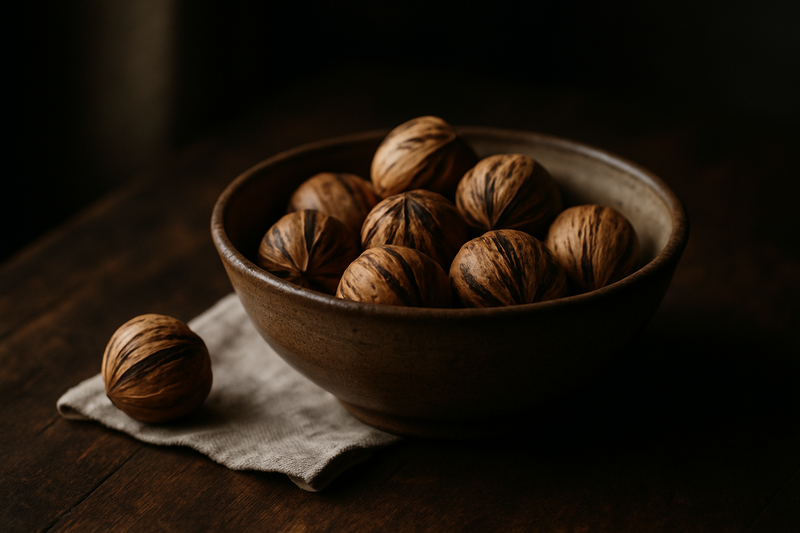
Hickory Nuts · Photograph
Discover hickory nuts nutrition and health benefits, from heart-healthy fats and magnesium to plant protein and antioxidants. Learn how to crack, cook, and enjoy these wild North American tree nuts safely.
Key Nutrients
% Daily Value based on 2,000 cal diet
Key active compounds
- Monounsaturated fatty acids (MUFAs): Fatty acids with one double bond in their carbon chain. Hickory nuts contain roughly 9–10 g of MUFAs per ounce. Replacing saturated fats with MUFAs is consistently linked to improved blood lipid profiles in human studies.
- Polyunsaturated fatty acids (PUFAs): Fatty acids with multiple double bonds, including omega-6 and small amounts of omega-3. Hickory nuts provide about 6 g of PUFAs per ounce, supporting normal cell membrane function.
- Tocopherols (Vitamin E compounds): Fat-soluble antioxidants that protect cell membranes from oxidative damage. Hickory nut varieties, including Chinese hickory, are reported to supply around 3 mg per ounce.
- Phenolic compounds: Plant molecules with antioxidant properties that may help reduce oxidative stress. The phenolic profile of hickory nuts is not yet well characterized, but tree nuts in general are a recognized source.
- Plant sterols: Cholesterol-like plant molecules that can modestly reduce intestinal cholesterol absorption when eaten regularly as part of a nut-rich diet.
- Manganese: A trace mineral that acts as a cofactor for superoxide dismutase, an antioxidant enzyme, and supports carbohydrate and amino acid metabolism.
- Thiamin (Vitamin B1): A B vitamin that fuels carbohydrate metabolism and supports normal nerve and heart function.
Prep and pairing ideas
Hickory nuts have a rich, slightly sweet flavor that sits somewhere between a pecan and a butterscotch walnut. They work well in both sweet and savory contexts.
Hickory nut and roasted sweet potato bowl: Toss cubed roasted sweet potato with wild rice, a handful of roughly chopped hickory nuts, and a drizzle of apple cider vinegar dressing. The nuts add crunch and healthy fats; the sweet potato provides beta-carotene and complex carbohydrates that balance the high fat content of the nuts.
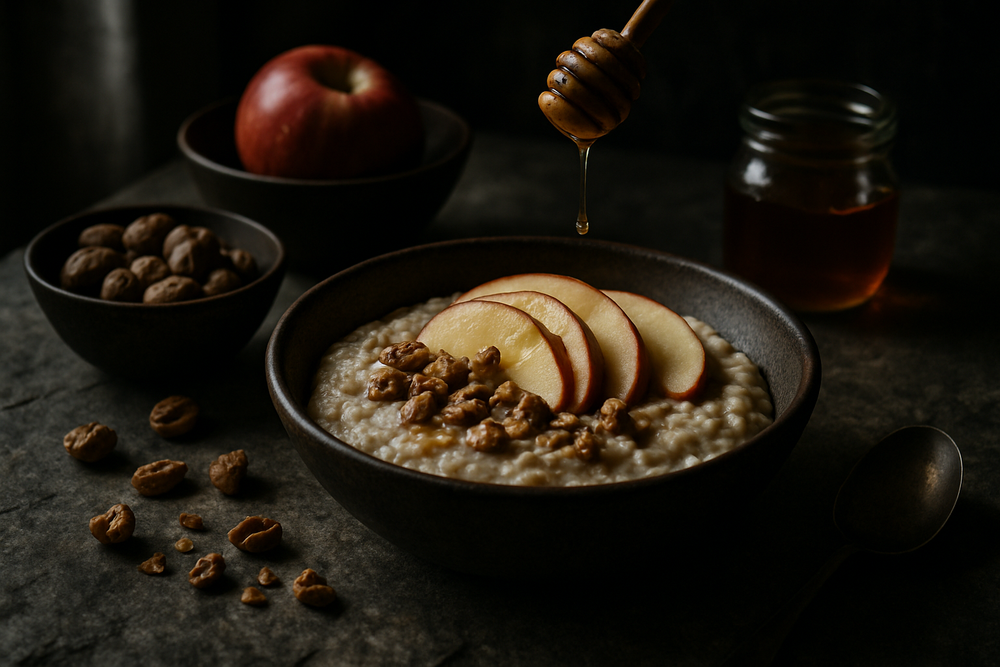
Hickory nut oatmeal: Stir a tablespoon of chopped hickory nuts into warm oatmeal with a pinch of cinnamon and sliced apple. The nuts boost the mineral content of an already fiber-rich breakfast and slow glucose absorption further.
Hickory milk chai latte: Use homemade hickory milk as the base for a spiced chai. The nut's natural sweetness pairs beautifully with cinnamon, cardamom, and ginger, and the fat content gives the drink a latte-like body without added cream.
Bottom line
Hickory nuts are a genuinely nutrient-dense whole food with an impressive mineral profile — especially manganese and thiamin — and a fat composition that mirrors nuts with well-established cardiovascular benefits. The honest caveat is that no clinical trials have tested hickory nuts directly, so the health benefits described here are inferred from their nutritional composition and from research on comparable tree nuts.
What hickory nuts offer beyond nutrition is a sense of place: they are a distinctly North American wild food with a long history of use, a uniquely sweet flavor, and a satisfying challenge to crack. If you can source them — or better yet, forage them yourself — a small daily handful fits naturally into a whole-food plant-based diet as a flavorful, minimally processed source of healthy fats, minerals, and plant protein.
If you have a tree nut allergy, the answer is simple: these are not for you. For everyone else, enjoy them in modest portions, store them cold, and crack them carefully.
Curious how nuts and seeds fit into your broader health goals? Browse the Plantopedia goals hub to explore how whole-plant ingredients work together.
How Hickory Nuts Compares
| Compared with | What's different |
|---|---|
| Hickory Nuts vs. Pecans | Pecans have a thinner shell and higher fat content, whereas hickory nuts are sweeter and harder to crack. |
| Hickory Nuts vs. English Walnuts | Walnuts have a bitter tannin skin and more Omega-3s, while hickory nuts taste like butterscotch. |
Health Benefits
Things to Know
Tree nut allergy: Hickory nuts are a tree nut and a recognized allergen. If you have a known tree nut allergy or have experienced anaphylaxis (a severe, life-threatening allergic reaction) from any tree nut, do not eat hickory nuts without medical guidance.
Children under 4–5: The combination of hard shell fragments and dense, chewy nutmeats creates a choking hazard. Only offer small, well-crushed pieces to young children under close supervision.
Calorie density: At ~657 kcal per 100 g, hickory nuts are one of the more calorie-dense foods available. If you are managing weight or following an energy-restricted plan, stick to a 1-ounce (28 g) portion.
High-fat conditions: People with pancreatitis (inflammation of the pancreas), fat-malabsorption syndromes, or gallbladder disease may need to limit high-fat foods. Discuss nut consumption with your provider.
Kidney disease: Hickory nuts contribute potassium and phosphorus. Individuals on medically restricted potassium or phosphorus diets (common in advanced kidney disease) should account for these when planning intake.
Medication interactions: No specific, well-documented drug interactions exist for hickory nuts. However, if you take ACE inhibitors, angiotensin receptor blockers (ARBs), or potassium-sparing diuretics, extra dietary potassium from nuts warrants a conversation with your prescriber.
Rancidity: High-fat nuts go rancid quickly at room temperature. Rancid fats taste bitter and unpleasant; discard any nuts with an off or paint-like smell.
Glossary
Shop This Ingredient
Stock your pantry with quality hickory nuts.
Buy on AmazonAs an Amazon Associate, Plantopedia earns from qualifying purchases. This costs you nothing extra and helps us keep the encyclopedia free.
Frequently Asked Questions
Most benefits attributed to hickory nuts are supported by their nutrient profile and by research on other tree nuts with similar compositions, rather than by clinical trials on hickory nuts themselves. Here is what the evidence currently supports. Heart and circulation Hickory nuts are predominantly fat — and the good news is that most of that fat is unsaturated. Roughly 9–10 g of MUFAs and 6 g of PUFAs per ounce means hickory nuts fit a dietary pattern where replacing saturated-fat snacks with nuts is associated with improved LDL cholesterol (low-density lipoprotein, the "bad" cholesterol) and reduced cardiovascular risk in human cohort studies. Magnesium and thiamin further support normal blood pressure and vascular function. No human trial has tested hickory nuts for cardiovascular outcomes directly, but their fat profile closely mirrors that of other nuts with established heart-health evidence. Digestive health and microbiome Each ounce of hickory nutmeats contributes about 1.8 g of dietary fiber — a modest but real contribution toward the 25–38 g daily target most adults fall short of. The fiber in hickory nuts is primarily insoluble, meaning it adds bulk to stool and may support bowel regularity. There are no clinical trials on hickory nuts and gut health specifically. As with any high-fat food, eating a large amount at once can cause gastrointestinal discomfort in people with sensitive digestion. Blood sugar and metabolism Hickory nuts have a very low glycemic load — about 5 g of carbohydrates per ounce, paired with nearly 18 g of fat and nearly 2 g of fiber. This combination slows glucose absorption and produces a minimal blood sugar spike on its own. Human studies on other tree nuts show that substituting nuts for refined-carbohydrate snacks improves postprandial (after-meal) blood glucose and insulin responses. Whether hickory nuts produce the same effect has not been tested directly, but their macronutrient profile suggests a similar low-glycemic impact. Inflammation and recovery Hickory nuts supply manganese and magnesium, both of which act as cofactors for antioxidant enzymes — proteins that neutralize harmful free radicals in cells. Their MUFA and PUFA content mirrors that of nuts associated with modest reductions in inflammatory markers (such as C-reactive protein) in human dietary studies. Evidence specific to hickory nuts is absent; any anti-inflammatory effect should be understood as part of an overall plant-rich dietary pattern rather than as a standalone outcome of eating hickory nuts.
The active forager or seasonal eater Enjoys wild foods and wants to understand the nutritional payoff of the effort involved in cracking these notoriously hard shells. Can use hickory nuts as a flavor-forward, whole-food swap for store-bought nuts in baking and snacking. Benefits from the high manganese and thiamin content that supports energy metabolism during active outdoor seasons. The whole-food plant-based cook looking for variety Wants calorie-dense, minimally processed ingredients that add healthy fats and minerals to grain bowls, oatmeal, and baked goods. Can use hickory nut milk as an occasional alternative to commercial plant milks, with a richer, more complex flavor. Appreciates that hickory nuts are a genuinely whole food — nothing added, nothing removed beyond the shell.
Unlike almonds or cashews, hickory nuts are not widely sold in multiple processed forms. Here is how each available form compares: Whole unshelled nuts (foraged or purchased): The most traditional form. Nutritionally complete and minimally processed. Requires a sturdy nut cracker or a specialized hickory nut cracker — standard crackers often fail against the extremely hard shell. Wear eye protection and go slowly to avoid sending shell fragments flying. Shelled raw nutmeats: If you can find them, shelled hickory nutmeats save significant effort. Store in an airtight container in the fridge (up to a few weeks) or freezer (up to a year), as their high fat content makes them prone to rancidity at room temperature. Lightly roasted nutmeats: Roasting at low heat (around 300–325 °F / 150–165 °C for 8–12 minutes) deepens the flavor without significantly altering the fat or mineral content. Avoid high-heat roasting, which can degrade delicate PUFAs. Hickory milk (homemade nut beverage): Soak 1 cup of shelled hickory nuts in water overnight, drain, blend with 3–4 cups of fresh water, and strain through a nut-milk bag or fine cheesecloth. The result is a rich, slightly sweet plant milk. Nutrient density depends on your nut-to-water ratio; homemade versions contain no added sugar or stabilizers, unlike many commercial nut milks. Chopped or ground in baking: Perhaps the most practical everyday use — hickory nuts add buttery richness to cookies, muffins, quick breads, and granola. Substitute them 1:1 for pecans in most recipes; the flavor is similar but slightly sweeter and more complex.
There is no established clinical dose for hickory nuts. The most practical guidance comes from broader tree-nut research, where intervention studies typically use 30–60 g per day (roughly 1 to 2 ounces of shelled nutmeats) and consistently find benefits for lipid profiles and cardiovascular markers. For most healthy adults, a 1-ounce (28 g) serving — about a small handful of shelled nutmeats — is a sensible starting point. This provides meaningful amounts of manganese, thiamin, and healthy fats without pushing calorie intake into problematic territory. If you are new to hickory nuts, start with half an ounce and observe how your digestion responds before increasing. Because these nuts are often hand-foraged and cracked in batches, it can be easy to eat more than intended while processing them — weigh your portions until you have a feel for the serving size. People who should be more cautious about quantity: Those managing calorie intake for weight or cardiometabolic reasons Anyone with fat-malabsorption conditions Individuals on potassium- or phosphorus-restricted diets
Quick Answers
Common questions, answered in a line.
Hickory nuts are rich in monounsaturated fatty acids (MUFAs), polyunsaturated fats, manganese, thiamin (Vitamin B1), and Vitamin E. They also provide plant protein, phenolic compounds, and plant sterols which support heart health and cellular function.
Hickory nuts have a rich, slightly sweet flavor profile that is often described as a cross between a pecan and a butterscotch walnut. This unique taste makes them suitable for both sweet and savory dishes, such as oatmeal or roasted sweet potato bowls.
People with tree nut allergies must avoid hickory nuts, as they are a recognized allergen that can cause severe reactions. Additionally, those with kidney disease, pancreatitis, or gallbladder disease should consult a doctor due to the nuts' high fat, potassium, and phosphorus content.
You can add chopped hickory nuts to warm oatmeal with cinnamon, toss them into a wild rice and roasted sweet potato bowl, or blend them into a homemade nut milk for chai lattes. Their natural sweetness and crunch enhance both breakfast and dinner recipes.
Hickory nuts should be stored in a cold environment because their high fat content makes them prone to going rancid quickly at room temperature. If the nuts develop a bitter taste or an off, paint-like smell, they have spoiled and should be discarded.
Whole hickory nuts and hard shell fragments are considered a significant choking hazard for children under 4 or 5 years old. If serving them to young children, ensure the nutmeats are well-crushed and provided only under close supervision.
Hickory nuts are very calorie-dense, containing approximately 657 calories per 100 grams. Because of this high energy density, those managing their weight are advised to stick to a 1-ounce (28 g) portion size.
For Readers in the USA
Local context — sourcing, seasonality, and regional notes.
The best time to forage hickory nuts in the United States is from late September through October when the ripe husks begin to split and fall to the ground. In the Midwest and Northeast, peak harvest often coincides with the first light frosts of autumn.
Hickory nuts are native to the Eastern and Midwestern United States, primarily found in USDA hardiness zones 4 through 9. Shagbark and shellbark varieties are most common in states ranging from Maine and the Great Lakes down to the Gulf Coast.
Hickory nuts are rarely found in major US grocery chains like Kroger or Walmart and are typically sourced through farmers markets, specialty foragers, or online retailers. Because they are labor-intensive to process, they are often sold as a premium wild-harvested crop rather than a mass-market product.
While the FDA does not have specific regulations for hickory nuts, they fall under general food safety guidelines and must be disclosed as "tree nuts" on all US food labels due to allergen risks. Consumers should ensure wild-foraged nuts are thoroughly dried to prevent the growth of molds regulated by USDA safety standards.
AI Clinical Review
- Accurately highlights hickory nuts as calorie‑dense and rich in unsaturated fats (MUFAs/PUFAs), a pattern linked with improved LDL cholesterol when replacing saturated fats.
- The nutrient snapshot (notably manganese, thiamin, and magnesium) aligns with established food‑composition data for tree nuts.
- Portion guidance of about 1 oz (28 g) mirrors typical amounts used in nut research and balances nutrients with energy intake.
- Clear, appropriate safety notes on tree‑nut allergy, rancidity risk, and practical cracking/storage tips.
- There are no direct human trials on hickory nuts; most health claims are inferred from studies on mixed tree nuts with similar fat profiles.
- Reported amounts of MUFAs/PUFAs and vitamin E likely vary by species, growing conditions, and processing, so numbers should be viewed as estimates.
- Claims around inflammation, microbiome effects, and glycemic impact are plausible given composition but have not been tested specifically in hickory nuts.
- The specific antioxidant (phenolic/tocopherol) profile and how roasting or storage affects bioavailability remain incompletely characterized.
- Dose: 1 oz (28 g) daily is a prudent starting point; many nut studies use 30–60 g/day. Adjust to your calorie needs and overall diet.
- Allergy: If you have a diagnosed tree‑nut allergy, avoid hickory nuts and discuss any questions with your allergist.
- Higher‑risk groups: People with pancreatitis, fat‑malabsorption, gallbladder disease, or advanced kidney disease (potassium/phosphorus management), and those on ACE inhibitors/ARBs or potassium‑sparing diuretics should check with a clinician before regular use.
- Safety and quality: Hard shells pose a choking/injury risk—crack carefully and keep small pieces away from young children. Store shelled nuts in the fridge or freezer to prevent rancidity.
Tree nut allergen; shells are hard—crack carefully.
References
- USDA FoodData Central – Nuts, hickorynuts, dried (fdc.nal.usda.gov)
- MyPlate – Protein Foods group: nuts and seeds (myplate.gov)
- University Hospitals / USDA-based nutrition profile for hickory nuts (uhhospitals.org)
- NutriVerdict – Nuts, hickorynuts, dried: nutrient density and composition (nutriverdict.net)
- Nutrition Advance – What are hickory nuts and are they nutritious? (nutritionadvance.com)
- Wikipedia – Hickory: botanical overview and nutrition (en.wikipedia.org)
- STC Nature – Shagbark hickory nuts: foraging and seasonal notes (stcnature.org)
- Edible Madison – Hickory nuts: seasonal and culinary notes (ediblemadison.com)
- Lybrate – Health benefits of hickory nut, uses, and side effects (lybrate.com)
- Great Wall Nuts – Chinese hickory nuts: nutritional and culinary overview (greatwallnuts.com)
Know Your Numbers
Eating healthy is a start. Now get to know your biomarkers.
Food changes bloodwork — inflammation, lipids, blood sugar and nutrient status all respond to what you eat. 59 markers from $59.
- Results in 7–10 days at 2,000+ Quest sites
- Licensed provider reviews every result
- One flat price, no membership, HSA/FSA eligible
Educational information only, not medical advice. Panels are ordered and reviewed through our licensed partner; Plantopedia may earn a commission.