Foxtail Millet — health benefits and uses
An ancient East Asian staple predating rice in some early Chinese diets.
The Short Answer
Foxtail millet is a gluten-free grain that provides 4.5 grams of protein and 3.4 grams of fiber per cooked cup. It acts as a nutritious, low-glycemic substitute for rice and contains unique bran enzymes that may support heart health.
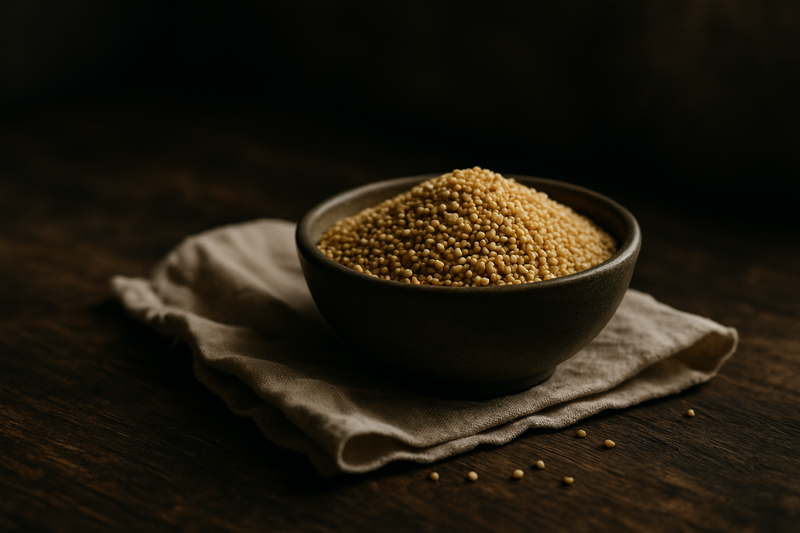
Foxtail Millet · Photograph
Discover foxtail millet benefits, nutrition facts, glycemic index, and how to cook it as a light rice substitute. Learn what the research says about blood sugar, heart health, and safe daily amounts.
Key Nutrients
% Daily Value based on 2,000 cal diet
Key active compounds
- Phenolic acids and flavonoids — Antioxidant plant molecules (antioxidants neutralize unstable compounds called free radicals that can damage cells). Concentrated mainly in the bran layer; cooking preserves much of their activity.
- Foxtail millet bran peroxidase (FMBP) — A specialized bran enzyme-protein shown in animal and cell models to reduce fat build-up in artery walls, raise HDL ("good") cholesterol, and slow the migration of smooth muscle cells that contribute to atherosclerosis (plaque build-up in arteries).
- Bioactive protein hydrolysates — Short peptide fragments (small chains of amino acids) released when foxtail millet proteins are digested. In hypertensive rat studies, these peptides lowered blood pressure by inhibiting ACE (angiotensin-converting enzyme — a protein that narrows blood vessels).
- Dietary fiber and resistant starch — Insoluble fiber adds bulk to stool; resistant starch (starch that passes through the small intestine undigested) feeds beneficial gut bacteria and blunts post-meal glucose rises.
- Magnesium — A mineral involved in over 300 enzyme reactions, including glucose metabolism and blood pressure regulation; foxtail millet is a reliable plant source.
Buying guide
Whole grain vs. flour Look for "whole grain foxtail millet" or "hulled foxtail millet" rather than "pearled" or "polished" — polishing strips the bran and most of the fiber and phytochemicals. The grain should be uniformly small, pale yellow to cream-colored, and smell faintly nutty.
Gluten-free certification Foxtail millet is inherently gluten-free, but it can pick up gluten contamination during farming, transport, or processing. If you have celiac disease or non-celiac gluten sensitivity, look for a certified gluten-free label on the packaging.
Storage Whole millet grain keeps well in an airtight container in a cool, dark cupboard for up to 12 months. Because it has a small amount of natural oil in the germ, millet flour goes rancid faster than the whole grain — store millet flour in the fridge and use within 2–3 months.
Quantity to buy If you are new to foxtail millet, buy a small bag (250–500 g) first. You can scale up once you know you enjoy the texture and it suits your digestion.
Prep and pairing ideas
Basic rice-substitute method: Rinse the dry grain, soak 30–60 minutes, drain. Use a 1:2 ratio (1 cup millet : 2 cups water). Bring to a boil, reduce heat, cover, and simmer 15–18 minutes. Fluff with a fork. The result is light, slightly sticky — closer to short-grain rice than basmati.
Three practical pairings:
- Foxtail millet + lentil dal — A classic South and East Asian combination. Lentils supply lysine, an amino acid that millet is relatively low in, making this a complementary protein pairing. The extra soluble fiber from lentils blunts the combined meal's glycemic impact further.
- Foxtail millet + roasted vegetables and tahini — The mild, nutty grain pairs well with caramelized squash, capsicum, or broccoli. Tahini (sesame paste) adds healthy fats that slow gastric emptying, further moderating post-meal glucose rise.
- Foxtail millet porridge + cinnamon and berries — A quick breakfast option. Cinnamon has modest evidence for improving insulin sensitivity (how well your body responds to insulin); berries add polyphenols (plant compounds with antioxidant effects) and vitamin C. Cook as above with slightly more water for a creamier consistency.
Millet dosa: Blend soaked foxtail millet with urad dal (black lentil) and ferment overnight. Cook as thin pancakes. The crossover trial referenced above used this method and found significantly better post-meal blood sugar compared to rice dosa.
Millet flour in flatbreads: Substitute 25–50% of wheat flour with foxtail millet flour for a gluten-reduced roti or wrap.
Bottom line
Foxtail millet is a genuinely useful whole grain, not just a wellness trend. Its medium glycemic index, solid fiber content, and mineral profile make it a straightforward upgrade over white rice or refined wheat for most people. For those managing blood sugar or mild blood pressure elevation, the human evidence — while still relatively small in scale — is more supportive than for most other "superfood" grains. It is also one of the few gluten-free whole grains that is affordable, quick to cook, and versatile enough for daily use.
It is not a cure for anything, and the benefits seen in trials reflect consistent use as a staple grain within an overall healthy diet. But if you are looking for a practical, evidence-aligned grain to add to your rotation, foxtail millet earns its place.
Looking to connect this grain to a broader eating approach? Explore how whole grains fit into different health goals at Plantopedia goals.
How Foxtail Millet Compares
| Compared with | What's different |
|---|---|
| Foxtail Millet vs. Black-eyed Peas | Larger grain with a distinct white eye; foxtail is smaller, yellow, and stickier when cooked. |
| Foxtail Millet vs. Quinoa | Mild and nutty like foxtail but with a fluffier, drier texture compared to millet's slight stickiness. |
| Foxtail Millet vs. White Rice | Higher in fiber and protein (4.5g per cup) with a lower glycemic impact than white rice. |
Health Benefits
Things to Know
Blood sugar medications (insulin, sulfonylureas, metformin, GLP-1 drugs): Foxtail millet can meaningfully lower post-meal and fasting blood glucose. If you are on medication for diabetes, switching to a millet-heavy diet without adjusting your dose could increase the risk of hypoglycemia (blood sugar dropping too low). Work with your healthcare provider.
Blood pressure medications (ACE inhibitors, ARBs, beta-blockers, diuretics): Millet-based diets show modest blood-pressure-lowering effects. Adding foxtail millet to a medicated diet may amplify effects; monitor your blood pressure during any transition.
Lipid-lowering drugs (statins, fibrates): Millet-based diets improve cholesterol markers; while no direct drug interactions are documented, your clinician may want to recheck lipid levels after a few months of regular millet use.
Anticoagulants or antiplatelet drugs (warfarin, aspirin, DOACs): Lab data suggest foxtail millet bran compounds may affect platelet behavior. Human interaction data do not yet exist, but if you take these medications, maintain consistent intake and flag any dietary changes with your provider.
Celiac disease: The grain is gluten-free by nature, but cross-contamination is a real risk. Choose certified gluten-free sources.
Thyroid conditions: Very high millet intake has historically been linked to goiter (enlarged thyroid) in low-iodine settings. Modern moderate intake (~40–80 g/day dry) combined with adequate iodine appears safe, but if you have hypothyroidism, discuss this with your doctor.
Chronic kidney disease: Foxtail millet provides magnesium, phosphorus, and potassium. If you are on a mineral-restricted diet, count it toward your daily targets.
Pregnancy and breastfeeding: Traditional use is extensive across Asia. No specific concerns are documented at normal dietary amounts, but no rigorous safety trials exist in this group either.
Starting out: If you are new to high-fiber whole grains, start with a small portion (about ¼ cup dry / 40 g) and increase gradually. Drink plenty of water to support the fiber. Transient bloating or gas in the first week or two is normal and usually resolves as your gut adapts.
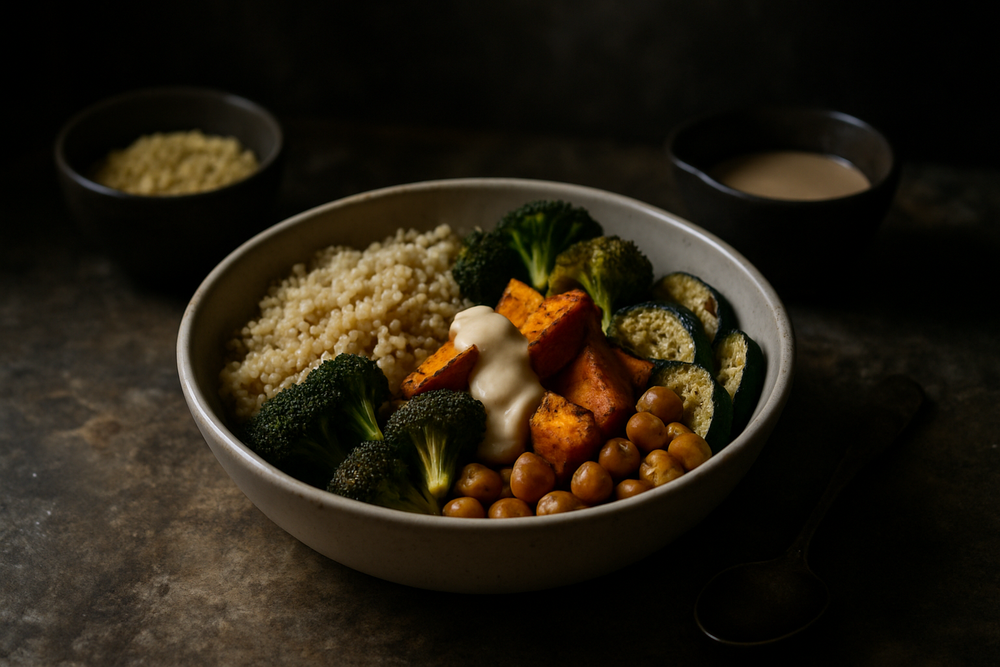
Prep Ideas
- — Foxtail millet + lentil dal — A classic South and East Asian combination. Lentils supply lysine, an amino acid that millet is relatively low in, making this a complementary protein pairing. The extra soluble fiber from lentils blunts the combined meal's glycemic impact further.
- — Foxtail millet + roasted vegetables and tahini — The mild, nutty grain pairs well with caramelized squash, capsicum, or broccoli. Tahini (sesame paste) adds healthy fats that slow gastric emptying, further moderating post-meal glucose rise.
- — Foxtail millet porridge + cinnamon and berries — A quick breakfast option. Cinnamon has modest evidence for improving insulin sensitivity (how well your body responds to insulin); berries add polyphenols (plant compounds with antioxidant effects) and vitamin C. Cook as above with slightly more water for a creamier consistency.
Shop This Ingredient
Stock your pantry with quality foxtail millet.
Buy on AmazonAs an Amazon Associate, Plantopedia earns from qualifying purchases. This costs you nothing extra and helps us keep the encyclopedia free.
Frequently Asked Questions
Heart and circulation Evidence here is moderate and encouraging. In one controlled 12-week study, adults with mild hypertension who consumed 50 g of whole foxtail millet daily saw their systolic blood pressure drop by about 4 mmHg and diastolic by about 3.5 mmHg, alongside small reductions in BMI and body fat. Systematic reviews of millet consumption broadly report lower LDL ("bad") cholesterol, lower triglycerides, and higher HDL cholesterol compared to refined grain staples — improvements that matter for long-term cardiovascular risk. In the lab and in animal models, foxtail millet bran peroxidase (FMBP) reduces atherosclerotic plaque formation and raises HDL cholesterol. These mechanistic findings are plausible but cannot be directly applied to humans yet. The takeaway: replacing white rice or refined wheat with foxtail millet as a regular staple appears to support a heart-healthier diet, though it is not a standalone treatment for heart disease. Digestive health and microbiome Foxtail millet's fiber content — roughly 8–19 g per 100 g depending on how processed it is — includes both insoluble fiber (for stool bulk and regularity) and resistant starch (fermented by gut bacteria in the large intestine). Fermentation of resistant starch produces short-chain fatty acids (SCFAs), small compounds that help feed the gut lining and may reduce low-grade inflammation. Direct human trials measuring bowel habits or microbiome shifts specifically from foxtail millet are scarce. However, diabetes intervention studies that used millet-based diets consistently report improved metabolic markers — improvements that track alongside better fiber intake. Practically speaking, switching from white rice to foxtail millet is likely to increase your daily fiber meaningfully, which the majority of adults in high-income countries need. Blood sugar and metabolism This is where foxtail millet's human evidence is strongest. A few highlights: In a 12-week self-controlled study of adults with impaired glucose tolerance (prediabetes), consuming 50 g of foxtail millet daily significantly reduced fasting blood glucose and 2-hour post-meal glucose, and improved lipid and inflammatory markers. A 90-day randomized crossover study in people with type 2 diabetes found that a millet-based diet (including foxtail millet) lowered HbA1c — a marker of average blood sugar over three months — by about 19%, and fasting glucose by about 13.5%, compared to a conventional diet. A crossover trial comparing foxtail millet dosa (a thin savory pancake) to rice dosa found that the millet version produced substantially lower post-meal blood glucose and carried a glycemic index (GI) of about 59, versus 78 for the rice version. GI measures how quickly a food raises blood sugar on a scale of 0 to 100. These are meaningful results, but trials are small and relatively short. Many use mixed-millet diets rather than foxtail millet alone, so some caution is warranted about singling out foxtail millet specifically. Inflammation and recovery Emerging data from the impaired glucose tolerance trial noted above hint at reductions in inflammatory markers alongside glycemic improvements. Foxtail millet's phenolic compounds show antioxidant activity in lab settings. However, human data measuring inflammation directly are limited, and any anti-inflammatory benefit observed so far appears tied to the broader effect of replacing refined grains with a whole grain, rather than a unique anti-inflammatory compound in foxtail millet.
Foxtail millet is available in several forms, and the choice affects both nutrition and glycemic response. Whole grain (hulled, cooked like rice) is the most nutritious option. It retains the bran layer where fiber, minerals, and phenolic compounds are concentrated. Cooked whole foxtail millet has a medium GI of roughly 64 — noticeably lower than most white rice varieties (GI 72–89). Soaking the grain for 30–60 minutes before cooking shortens cook time, improves the fluffy texture, and may slightly reduce phytates (naturally occurring compounds in many grains that can bind to minerals and reduce their absorption). Millet flour works well in flatbreads, dosas, and baked goods. Blending it with legume flours (like chickpea) raises the protein content and can lower the GI further. However, fine milling reduces fiber content compared to the whole grain. Formulated products (cookie bars, biscuits, porridge mixes) vary widely. One commercially studied cookie bar containing 15% foxtail millet achieved a low GI of about 37 — achieved partly through added fiber from arrowroot and kidney beans, not foxtail millet alone. Protein isolates and bran extracts appear in experimental functional food research but are not standard consumer products yet. Bottom line on form: Whole hulled grain is the most evidence-backed option. If you use flour, choose products that retain the bran, or blend with high-fiber legume flours.
Clinical trials that showed meaningful benefits for blood sugar and blood pressure used roughly 50 g of dry whole grain per day (about ¼ to ⅓ cup uncooked, yielding approximately 1 cup cooked). That translates to roughly one medium serving replacing rice or refined wheat at one or two meals. Practical range: 40–80 g dry weight per day (1–2 cooked cups) fits naturally into meals without requiring a dramatic dietary overhaul. Start low: If you do not regularly eat high-fiber grains, begin with 40 g (one serving) a few times per week and work up to daily use over 2–4 weeks. This helps your digestive system adapt and reduces the chance of bloating. No upper limit is established, but large amounts of any single grain at the expense of dietary variety can narrow your nutrient intake. Aim to rotate foxtail millet with other whole grains (quinoa, oats, brown rice) and legumes for a broader nutritional base. Timing: There is no evidence that timing matters greatly. Many people find it easiest to use it as a lunch or dinner staple, though the porridge format works well at breakfast.
Quick Answers
Common questions, answered in a line.
Foxtail millet is naturally gluten-free, but it can be cross-contaminated during farming or processing. If you have celiac disease or gluten sensitivity, always look for a "certified gluten-free" label on the packaging to ensure it is safe for your diet.
To cook foxtail millet, rinse and soak the grain for 30–60 minutes, then simmer it in a 1:2 ratio of millet to water for 15–18 minutes. Once the water is absorbed, fluff the grain with a fork to achieve a light, slightly sticky texture similar to short-grain rice.
Foxtail millet may lower blood sugar and blood pressure, which could increase the risk of hypoglycemia or low blood pressure if combined with medications like insulin or ACE inhibitors. Additionally, those with thyroid conditions or kidney disease should consult a doctor due to its mineral content.
Foxtail millet supports heart health through a specialized bran enzyme (FMBP) that helps reduce fat build-up in artery walls and raises HDL "good" cholesterol. It also contains protein fragments that may lower blood pressure by inhibiting ACE, an enzyme that narrows blood vessels.
Foxtail millet manages blood sugar through its medium glycemic index, high dietary fiber, and resistant starch, which blunts post-meal glucose rises. It is also a source of magnesium, a mineral that plays a vital role in glucose metabolism.
Whole foxtail millet grain lasts up to 12 months in an airtight container in a cool, dark place, while millet flour should be stored in the fridge and used within 2–3 months. The flour has a shorter shelf life because the natural oils in the germ can go rancid more quickly.
Pairing foxtail millet with lentils creates a complementary protein source because lentils provide lysine, an amino acid that millet lacks. This combination also adds soluble fiber, which helps further reduce the overall glycemic impact of the meal.
For Readers in the USA
Local context — sourcing, seasonality, and regional notes.
Foxtail millet is primarily grown in the Great Plains and Western United States, with Colorado, South Dakota, and Nebraska leading production. While often grown as a summer annual for livestock forage, high-quality culinary varieties are increasingly harvested between August and October for human consumption.
You can find foxtail millet at major health food chains like Whole Foods Market, international grocery stores (particularly Indian or Asian markets), and through online retailers like Amazon or Thrive Market. In Indian grocery stores, it is frequently labeled by its regional name, "Navane" or "Tenai."
Look for the USDA Organic seal to ensure the millet was produced without synthetic fertilizers or pesticides, and check for the "Certified Gluten-Free" stamp if you have Celiac disease. The FDA regulates millet as a whole grain, and the Whole Grains Council’s "100% Whole Grain" stamp is a reliable indicator of minimal processing.
Foxtail millet is an excellent drought-tolerant substitute for corn or wheat in home gardens across USDA Hardiness Zones 3 through 9. Because it matures quickly—often in 60 to 90 days—it is a popular choice for American gardeners looking for a short-season sustainable grain crop.
AI Clinical Review
- Accurately presents foxtail millet as a naturally gluten‑free whole grain with a medium glycemic index (roughly 59–64 when cooked), typically lower than white rice, and highlights its practical, quick‑cook nature.
- Summarizes human studies that, while modest in size, consistently show improved fasting and post‑meal glucose and better lipid profiles when millets (including foxtail millet) replace refined grains.
- Notes a small 12‑week trial suggesting modest blood‑pressure reductions with daily whole foxtail millet—appropriate framing as supportive but not a stand‑alone therapy.
- Provides realistic intake guidance (~50 g dry/day, about 1 cup cooked) and sensible cooking/meal‑pairing tips (e.g., combining with legumes to complement protein and blunt glycemic rise).
- Many trials are short, small, and sometimes use mixed‑millet diets, so isolating foxtail millet’s specific effects requires larger, longer randomized studies.
- Lab and animal findings (e.g., bran peroxidase and ACE‑inhibitory peptides) are mechanistic and promising but not yet confirmed in human outcomes.
- Direct human data on microbiome changes, inflammation, and long‑term cardiometabolic endpoints are limited; current benefits likely reflect whole‑grain substitution broadly.
- Glycemic index varies with form and preparation (whole grain vs flour, fermentation, recipe composition), so individual responses may differ.
- Dose: Clinical signals generally used ~50 g dry/day (practical range 40–80 g). If you’re new to high‑fiber grains, increase gradually to minimize bloating.
- Form matters: Whole (hulled) grain retains bran, fiber, and phenolics; finely milled products can raise glycemic response unless balanced with legumes or added fiber.
- Medication cautions: Because millet staples can lower glucose and modestly lower blood pressure, people on diabetes or antihypertensive medications should monitor levels and discuss adjustments with a clinician; limited signals suggest prudence if on anticoagulants/antiplatelets.
- Special populations: For celiac disease, choose certified gluten‑free to avoid cross‑contamination. Those with hypothyroidism should maintain adequate iodine intake if eating millet frequently. People with chronic kidney disease should account for millet’s magnesium, phosphorus, and potassium within their mineral limits.
Naturally gluten-free; soak before cooking for best texture.
References
- USDA FoodData Central — Foxtail millet nutritional composition (fdc.nal.usda.gov)
- MyPlate grains guidance (USDA) (myplate.gov)
- 12-week trial: foxtail millet lowers fasting and post-meal glucose in impaired glucose tolerance (pmc.ncbi.nlm.nih.gov)
- Crossover trial: foxtail millet dosa vs rice dosa glycemic response in type 2 diabetes (pmc.ncbi.nlm.nih.gov)
- 90-day randomized trial: millet-based therapeutic diet lowers HbA1c by ~19% in type 2 diabetes (journalarrb.com)
- Systematic review: millet consumption and blood lipids, cardiovascular risk (pmc.ncbi.nlm.nih.gov)
- Controlled trial: whole foxtail millet diet reduces blood pressure in mild hypertension (bohrium.com)
- Review: nutrition and therapeutic potential of millets (pmc.ncbi.nlm.nih.gov)
- Animal/cell study: foxtail millet bran peroxidase reduces atherosclerotic lesions (pubmed.ncbi.nlm.nih.gov)
- Review: managing diabetes mellitus with millets (pmc.ncbi.nlm.nih.gov)
Know Your Numbers
Eating healthy is a start. Now get to know your biomarkers.
Food changes bloodwork — inflammation, lipids, blood sugar and nutrient status all respond to what you eat. 59 markers from $59.
- Results in 7–10 days at 2,000+ Quest sites
- Licensed provider reviews every result
- One flat price, no membership, HSA/FSA eligible
Educational information only, not medical advice. Panels are ordered and reviewed through our licensed partner; Plantopedia may earn a commission.