Garam Masala — health benefits and uses
Ayurvedic blend designed to warm digestion and balance the meal.
The Short Answer
Garam masala is a warming North Indian spice blend used to aid digestion and provide antioxidants like eugenol and piperine. It is best added at the end of cooking to preserve its volatile aromatic oils and complex flavor profile.
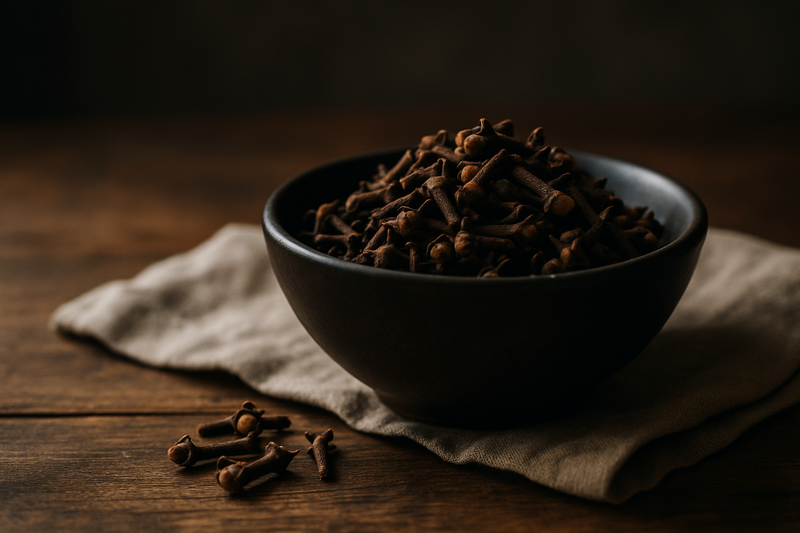
Garam Masala · Photograph
Discover the garam masala health benefits backed by science — from digestive support and antioxidant compounds to heart health and blood sugar balance. Learn what's in this warming North Indian spice blend, how much to use daily, and who should use it with caution.
Key Nutrients
% Daily Value based on 2,000 cal diet
Key active compounds in garam masala
The phytochemicals below are found in the component spices of a traditional garam masala blend. Their presence and concentration will vary depending on the recipe and quality of the spices used.
- Eugenol (from cloves) — A phenolic compound (a type of plant-based antioxidant molecule) with antioxidant and anti-inflammatory properties. Contributes to garam masala's warm, slightly sweet aroma.
- Cinnamaldehyde (from cinnamon) — The primary flavour compound in cinnamon. Research suggests it may have mild antimicrobial and anti-inflammatory activity, and may support blood sugar metabolism at supplemental doses.
- Piperine (from black pepper) — An alkaloid (a nitrogen-containing plant compound) responsible for black pepper's pungency. Notable for its ability to enhance the absorption of other plant compounds, particularly curcumin.
- Limonene (from cardamom and fennel) — A monoterpene (a light, volatile aromatic compound) that gives cardamom its citrus-like brightness. May have antioxidant and gastroprotective (stomach-protecting) effects.
- Linalool (from coriander) — A terpene alcohol with a soft, floral scent. Reported in some studies to have mild anxiolytic (calming) and anti-inflammatory properties, though human data at culinary doses are limited.
- Polyphenols (from multiple spices) — A broad class of plant antioxidants found across cloves, cinnamon, coriander, and cumin. Collectively contribute to the blend's antioxidant capacity.
Prep and pairing ideas
Garam masala is at its best when added in the last 5–10 minutes of cooking, or sprinkled over a finished dish. Adding it too early or cooking it at high heat for extended periods can cause the volatile aromatic compounds to evaporate, reducing both flavour and phytochemical content.
Common pairings:
- Garam masala + red lentil dal — The most classic pairing. Cumin and coriander in the blend complement the earthiness of red lentils, while the carminative spices may help ease the digestive transition for those increasing their legume intake. Finish the dal with a small spoonful of garam masala off the heat.
- Garam masala + roasted cauliflower or sweet potato — Toss vegetables with olive oil or a small amount of water, a teaspoon of garam masala, and a pinch of salt before roasting. The dry heat draws out the spice's aromatic oils and creates a slightly caramelised crust. The natural sweetness of the vegetables balances the warming spice notes.
- Garam masala + plain yoghurt (or plant-based yoghurt) as a marinade — Combine ½ teaspoon garam masala with a tablespoon of yoghurt, garlic, and lemon juice. Use as a marinade for tofu, paneer, or chickpeas before grilling or baking. The acid in the yoghurt helps carry the spice flavours into the protein, and the result is a deeply flavoured, protein-rich meal component.
Bottom line
Garam masala is a flavour-first ingredient that also happens to be a genuinely interesting source of phytochemicals. It delivers antioxidants, anti-inflammatory compounds, and carminative spices in a form that's palatable, low in sodium and calories, and well-suited to a whole-food, plant-based dietary pattern. The honest caveat is that no human clinical trials have tested the blend itself — the strongest health evidence comes from studies on individual component spices, often at doses higher than culinary use.
What garam masala does reliably and meaningfully is make legumes, whole grains, and vegetables more enjoyable to eat. That indirect benefit — increased intake of fibre-rich, low-glycaemic, plant-based foods — may be its most significant and underrated health contribution.
Use it as a finishing spice, buy it fresh or make your own, and consider it one consistent thread in a wider dietary pattern built around plants.
Explore ingredient pairings and recipe ideas by health goal at Plantopedia Goals.
How Garam Masala Compares
| Compared with | What's different |
|---|---|
| Garam Masala vs. Curry Powder | Curry powder includes turmeric for color; Garam Masala is a warming finishing spice without it. |
| Garam Masala vs. Chai Spice Blend | Chai spice focuses on sweetness (ginger/nutmeg), while Garam Masala is savory and pungent. |
Health Benefits
Things to Know
GERD and peptic ulcers: The pungent spices in garam masala — particularly black pepper and cloves — may irritate the oesophagus or stomach lining in people with reflux or ulcers, especially at larger amounts. Start with very small quantities and monitor tolerance.
Spice allergies: If you have a known allergy or sensitivity to coriander, cumin, nutmeg, mustard seeds, or cloves, check the label carefully — garam masala recipes vary and may include any of these.
Gallbladder conditions: Some warming spices can stimulate bile flow. If you have gallstones or a bile duct obstruction, seek medical advice before eating spice-heavy meals regularly.
Anticoagulant medications (e.g., warfarin, aspirin, clopidogrel): High-dose clove or turmeric supplements can affect platelet function. Culinary garam masala is unlikely to cause significant interactions, but if you also take spice supplements, disclose this to your healthcare provider.
Antidiabetic medications (e.g., metformin, insulin): Concentrated cinnamon and curcumin products may lower blood sugar. Normal cooking amounts of garam masala are not expected to require dose adjustments, but be aware if combining with supplements.
Antihypertensive medications: Curcumin and some spice extracts can have modest blood-pressure effects. Food-level garam masala use is compatible with blood pressure management diets.
Pregnancy: Culinary use of garam masala is generally considered safe. Supplemental doses of individual spices (turmeric, cloves) at levels far above food use warrant medical review during pregnancy.
Is garam masala safe to use every day?: For healthy adults using ¼ to 1 teaspoon per dish in normal cooking, yes — evidence supports daily culinary use without significant safety concerns.
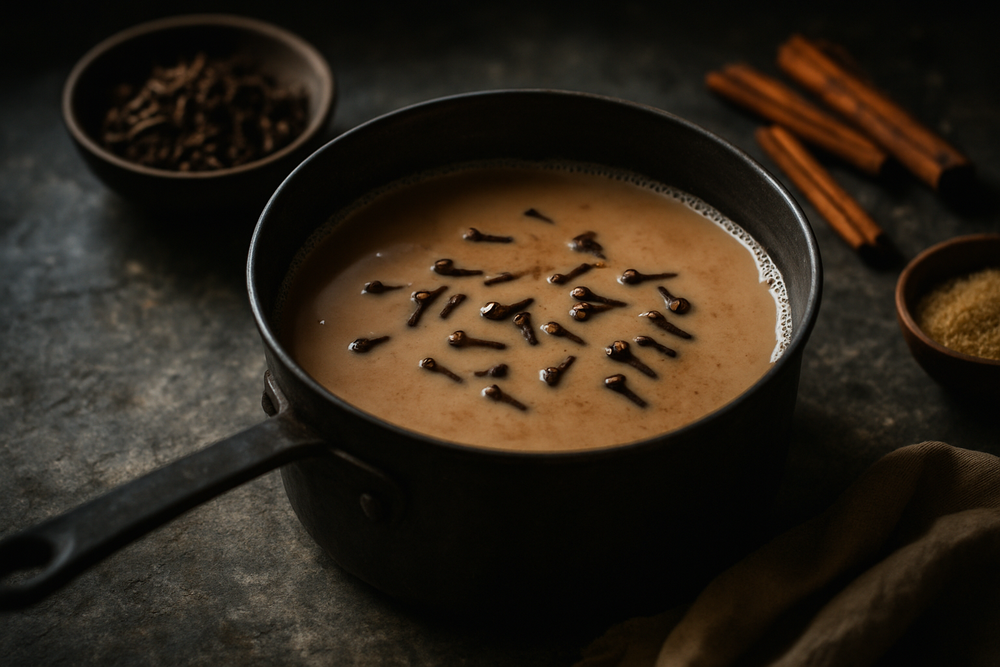
Prep Ideas
- — **Garam masala + red lentil dal** — The most classic pairing. Cumin and coriander in the blend complement the earthiness of red lentils, while the carminative spices may help ease the digestive transition for those increasing their legume intake. Finish the dal with a small spoonful of garam masala off the heat.
- — **Garam masala + roasted cauliflower or sweet potato** — Toss vegetables with olive oil or a small amount of water, a teaspoon of garam masala, and a pinch of salt before roasting. The dry heat draws out the spice's aromatic oils and creates a slightly caramelised crust. The natural sweetness of the vegetables balances the warming spice notes.
- — **Garam masala + plain yoghurt (or plant-based yoghurt) as a marinade** — Combine ½ teaspoon garam masala with a tablespoon of yoghurt, garlic, and lemon juice. Use as a marinade for tofu, paneer, or chickpeas before grilling or baking. The acid in the yoghurt helps carry the spice flavours into the protein, and the result is a deeply flavoured, protein-rich meal component.
Glossary
Shop This Ingredient
Stock your pantry with quality garam masala.
Buy on AmazonAs an Amazon Associate, Plantopedia earns from qualifying purchases. This costs you nothing extra and helps us keep the encyclopedia free.
Frequently Asked Questions
The evidence for garam masala's health benefits comes from two places: in vitro (laboratory) studies on the blend itself, and human trials on its individual component spices. No randomised controlled trials have tested garam masala as a whole-blend intervention in humans — so claims should be proportionate to that evidence gap. Heart and circulation Garam masala contains several spices — cloves, cinnamon, and black pepper — whose isolated compounds have been studied for cardiovascular effects. A 2025 umbrella review in Frontiers in Pharmacology found that curcumin (found in turmeric, sometimes added to garam masala blends) was associated with modest improvements in blood pressure, blood lipids, and inflammatory markers in humans — but these results came from concentrated curcumin supplements, not culinary spice blends. At a practical level, the most realistic heart-health benefit is indirect: using garam masala to season legumes, vegetables, and whole grains means you're eating more of those foods, and seasoning them without added salt or saturated fat. That substitution effect — flavour without the cardiovascular downside — is genuinely valuable for garam masala benefits for heart health within an overall dietary pattern. Digestive health and microbiome This is arguably the area with the strongest traditional and emerging scientific support. Cumin, coriander, cardamom, and black pepper — all common garam masala ingredients — are well-documented carminatives (compounds that help reduce gas and bloating in the digestive tract). They work by stimulating digestive secretions, improving gut motility (the movement of food through the intestines), and reducing fermentation-related discomfort. For anyone following a high-fibre plant-based diet heavy in lentils, chickpeas, and cruciferous vegetables, this is particularly relevant. The question "is garam masala good for digestion and bloating?" has a cautiously positive answer: using it in bean and lentil dishes may genuinely help ease the digestive discomfort some people experience from increased fibre intake. No human trials have specifically tested the blend, but the individual spice evidence is reasonably consistent. Blood sugar and metabolism Research suggests cinnamon and turmeric — both potential garam masala ingredients — may help lower fasting blood glucose and improve insulin sensitivity at supplemental doses. However, the amounts of cinnamon in a teaspoon of garam masala are much lower than in clinical trials. For garam masala and blood sugar balance, the realistic mechanism is indirect: a spice blend that makes whole grains and legumes more enjoyable to eat supports a low-glycaemic dietary pattern over time. Individuals on antidiabetic medications should not use culinary garam masala as a substitute for medical management, but they can safely include it in normal cooking amounts. Inflammation and recovery An in vitro study published in the Scholars Research Library found that garam masala and its component spices demonstrated significant antioxidant and antimicrobial activity in laboratory conditions. In the context of inflammation, the blend delivers small but varied amounts of anti-inflammatory compounds — eugenol, cinnamaldehyde, piperine, and polyphenols — that may collectively contribute to background antioxidant intake. Whether garam masala is anti-inflammatory at culinary doses in humans remains untested in clinical trials, but the phytochemical case is plausible and the evidence from individual spices is supportive.
This is a question worth unpacking, because the answer affects both flavour and potentially nutritional quality. Freshly made, whole-spice garam masala is prepared by dry-roasting whole cinnamon sticks, cloves, cardamom pods, cumin seeds, coriander seeds, and black peppercorns, then grinding them just before use. Toasting activates and concentrates the volatile (aromatic) essential oils, and grinding fresh maximises the surface area of phytochemicals available. The aroma is noticeably more intense, and the antioxidant content is likely higher. Commercial pre-ground garam masala is more convenient and shelf-stable. However, once spices are ground, the volatile oils begin to oxidise (break down through exposure to air). A well-sealed, recently purchased commercial blend from a reputable supplier is still a nutritious and flavourful choice — it just may be slightly lower in aromatic intensity and antioxidant potency than a freshly ground version. Practical tips for buying garam masala: Check the ingredient list: a quality blend should list recognisable whole spices (cinnamon, cloves, cardamom, cumin, coriander, black pepper) with no added starch, anti-caking agents, or artificial flavour. Look at the "best before" date — fresher ground spices retain more volatile compounds. Store in a sealed jar away from heat and light; replace after 12–18 months. If buying whole spices to grind yourself, a small coffee grinder dedicated to spices makes the process quick and the flavour difference is significant.
For culinary purposes, a typical recipe calls for ¼ to 1 teaspoon (approximately 0.5–3 g) per dish, added near the end of cooking or as a finishing sprinkle. For a dish serving 3–4 people, each person is getting roughly ⅛ to ½ teaspoon — a small but consistent dietary dose of phytochemicals if eaten regularly. Practical guidance: Start with ¼ teaspoon if you're new to garam masala or cooking for people with sensitive digestion. The flavour is warm but not overpowering at this level. Work up to ½–1 teaspoon per dish for 3–4 servings as you grow familiar with the flavour profile. A tablespoon (10 g) is rarely used for a single dish and is more typical when the blend forms the base of a large batch cooking session. There is no established therapeutic dose for garam masala as a supplement, and the research that does exist on component spices uses concentrated extracts far above culinary levels. Daily use at cooking amounts is consistent with safety evidence and likely supports the gradual accumulation of phytochemical benefit over time through dietary diversity rather than any single acute effect.
Quick Answers
Common questions, answered in a line.
You should add garam masala during the last 5–10 minutes of cooking or sprinkle it over the finished dish. Adding it too early or cooking it at high heat can cause volatile aromatic compounds to evaporate, which reduces both the flavor and the phytochemical content.
Garam masala may support digestive health through carminative spices and gastroprotective compounds like limonene. Spices such as cumin and coriander help ease digestion when eating legumes, while limonene from cardamom and fennel may offer stomach-protecting effects.
Garam masala contains several antioxidant compounds, including eugenol from cloves, limonene from cardamom, and various polyphenols. These plant-based molecules provide antioxidant and anti-inflammatory properties that contribute to the blend's overall health profile.
People with GERD, peptic ulcers, gallbladder conditions, or spice allergies should use garam masala with caution. Pungent spices like black pepper and cloves can irritate the stomach lining, while other components may stimulate bile flow or trigger sensitivities in certain individuals.
Yes, culinary amounts of garam masala are generally considered safe for use during pregnancy. While normal cooking quantities are fine, pregnant individuals should avoid supplemental doses of component spices, like turmeric or cloves, that far exceed standard food levels.
Garam masala contains piperine from black pepper, which is notable for its ability to enhance the absorption of other plant compounds. Specifically, piperine is well-known for helping the body better absorb curcumin, another common spice compound.
Garam masala may support blood sugar metabolism through component spices like cinnamon, which contains cinnamaldehyde. While culinary doses are generally safe, those on antidiabetic medications like metformin should be aware if also using concentrated spice supplements.
For Readers in the USA
Local context — sourcing, seasonality, and regional notes.
You can find garam masala at major U.S. grocery chains like Whole Foods, Kroger, and Safeway, typically located in the international aisle or the baking and spice section. For the freshest options and bulk pricing, many Americans visit local Indian grocery stores or specialty spice shops.
In the U.S., look for the USDA Organic seal to ensure the spices in your garam masala were grown without synthetic pesticides or GMOs. While the FDA regulates spices for safety and labeling, organic certification provides an extra layer of assurance regarding agricultural practices.
Regional variations of garam masala in the U.S. often differ in heat levels; Northern Indian styles are warming and aromatic, while blends influenced by Southern Indian cuisine may include spicy dried chilies. Many American-packaged versions are milder to appeal to a broad palate, so check the ingredient list for "red chili" if you prefer less heat.
AI Clinical Review
- Accurately explains that garam masala is a finishing spice blend whose health effects largely stem from its component spices and culinary use, not supplement-level dosing.
- Emphasizes a practical, diet-first benefit: it helps people enjoy legumes, whole grains, and vegetables with minimal sodium or added sugars—supportive of heart‑healthy eating.
- Appropriately highlights carminative (gas‑reducing) properties of spices like cumin, coriander, cardamom, and black pepper that may aid digestive comfort.
- Identifies key phytochemicals (eugenol, cinnamaldehyde, piperine) and their antioxidant/anti‑inflammatory potential while avoiding therapeutic claims.
- No randomized human trials test garam masala as a blend; most data come from in vitro studies or from individual spices (often at higher, supplemental doses).
- Metabolic and anti‑inflammatory findings (e.g., with cinnamon or curcumin) don’t directly translate to the small amounts present in typical culinary use.
- Composition varies widely by recipe, brand, and freshness, so estimates for fiber, sodium, and phytochemicals are approximations rather than guarantees.
- Typical culinary use is about 1/4–1 teaspoon per dish (roughly 0.5–3 g), added late in cooking; larger amounts may aggravate reflux or sensitive stomachs.
- Check labels if you have spice allergies (e.g., coriander, cumin, mustard, cloves). Some blends include chili or turmeric, which may affect tolerance and expectations.
- If you take anticoagulants, diabetes medications, or high‑dose spice supplements, discuss routine use with your clinician—culinary amounts are generally safe, but interactions occur at supplemental doses.
- People with active ulcers, significant GERD, or gallbladder disease should start with small amounts and assess tolerance; during pregnancy, stick to culinary quantities and avoid high‑dose extracts.
Safe in culinary amounts.
References
- USDA FoodData Central — Garam Masala (FDC ID 171181), nutrition composition data (fdc.nal.usda.gov)
- Scholars Research Library — In vitro study on antioxidant and antimicrobial activity of garam masala and component spices (scholarsresearchlibrary.com)
- Frontiers in Pharmacology (2025) — Umbrella review of curcumin's effects on inflammation, blood sugar, lipids, and blood pressure (frontiersin.org)
- Number Analytics — Science behind garam masala bioactive compounds and health benefits (numberanalytics.com)
- Kvalifood — Garam Masala Definitive Guide (culinary use, serving amounts, nutrition overview) (kvalifood.com)
- Ciba Spices — How to use garam masala (culinary timing and dosing guidance) (cibaspices.com)
- Bakers Choice — Garam masala: how much to use (bakerschoice.com.sa)
- Prospre — Garam Masala nutrition (1 tbsp serving, USDA-derived) (prospre.io)
- Femina — Health benefits of garam masala ingredients (femina.in)
- Listonic — Garam masala nutrients and antioxidant properties overview (listonic.com)
Know Your Numbers
Eating healthy is a start. Now get to know your biomarkers.
Food changes bloodwork — inflammation, lipids, blood sugar and nutrient status all respond to what you eat. 59 markers from $59.
- Results in 7–10 days at 2,000+ Quest sites
- Licensed provider reviews every result
- One flat price, no membership, HSA/FSA eligible
Educational information only, not medical advice. Panels are ordered and reviewed through our licensed partner; Plantopedia may earn a commission.