Green Split Peas — health benefits and uses
A pantry pulse of Northern European winter kitchens for hearty potages.
The Short Answer
Green split peas are a high-fiber legume containing 8g of protein and 8g of fiber per cooked cup. They do not require soaking and naturally thicken into a creamy texture, making them ideal for soups, dals, and stews.
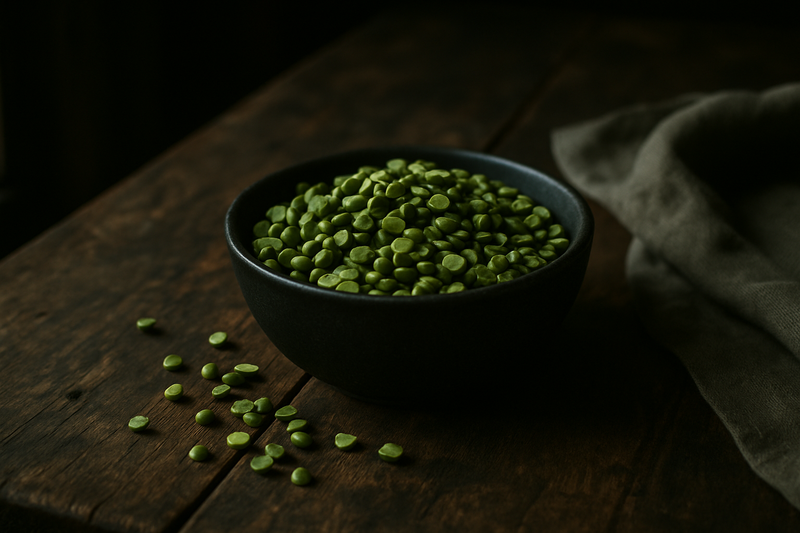
Green Split Peas · Photograph
Discover the health benefits of green split peas — a fiber-rich, high-protein legume that may support heart health, blood sugar control, and digestion. Learn how to cook them, how much to eat, and who should take extra care.
Key Nutrients
% Daily Value based on 2,000 cal diet
Key active compounds in green split peas
Green split peas contain more than just protein and fiber. Several plant compounds contribute to their health-supportive properties:
- Soluble fiber and resistant starch — Carbohydrate fractions that resist digestion in the small intestine and are instead fermented by gut bacteria (the microbiome), producing short-chain fatty acids like butyrate that support gut lining integrity and metabolic health.
- Lignans — Plant polyphenols (naturally occurring plant chemicals) that can act as weak phytoestrogens (plant compounds with mild estrogen-like activity) and antioxidants. May modulate estrogen metabolism, though human data specific to split peas are limited.
- Flavonoids — A broad class of polyphenolic antioxidants found in legumes that may support vascular (blood vessel) health and help regulate blood sugar.
- Carotenoids (beta-carotene, lutein, zeaxanthin) — Pigmented antioxidants that support eye health, immune function, and cellular defence. Some carotenoids survive the drying and cooking process.
- Folate (Vitamin B9) — A B-vitamin critical for DNA synthesis and cell division, found in notable quantities in split peas.
Prep and pairing ideas
One of the great things about green split peas is how simple they are to prepare. Here are three practical approaches:
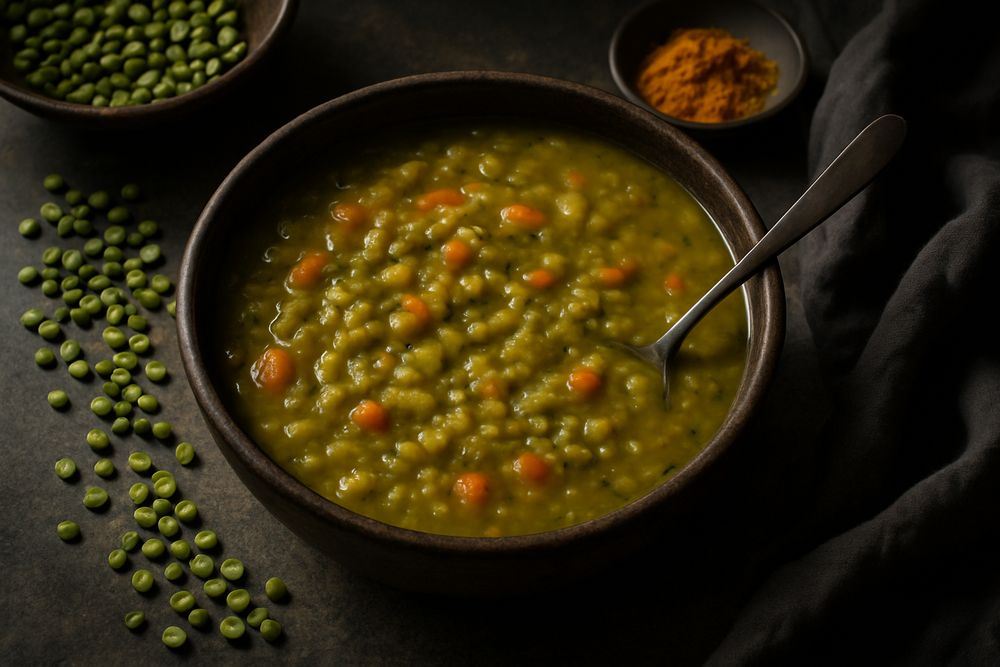
Classic split pea soup (30 to 45 minutes) Rinse 1 cup of dried green split peas well under cold water. Combine with 4 cups of low-sodium vegetable broth, 1 diced onion, 2 cloves garlic, 2 chopped carrots, and a pinch of smoked paprika. Bring to a boil, reduce heat, and simmer uncovered until the peas dissolve into a thick, creamy texture — about 35–45 minutes. Season with black pepper and a squeeze of lemon. No soaking, no fuss.
Three practical pairings and why they work:
- Green split peas + carrots and turmeric: Carrots add beta-carotene and natural sweetness, while turmeric (which contains curcumin, a well-studied anti-inflammatory compound) complements the peas' own anti-inflammatory potential. This is a common combination in South Asian dals (spiced lentil and pulse dishes).
- Green split peas + lemon juice or tomatoes: Plant-based iron (called non-haem iron) from legumes is absorbed less readily than the iron from meat. Adding vitamin C-rich foods like lemon juice or tomatoes to the same meal can significantly boost iron absorption. A squeeze of lemon over your split pea soup is a small step with a real nutritional payoff.
- Green split peas + whole grain bread or brown rice: Split peas are low in the amino acid methionine, while grains tend to be lower in lysine. Together they provide a more complete amino acid profile (the building blocks of protein), which is relevant if split peas are a primary protein source in your diet. You do not need to eat them at the same meal — variety across the day is sufficient.
Buying guide
Dried split peas (best overall) Look for whole-food dried green split peas with no added ingredients. They should be uniform in colour — bright to olive green — and free of visible dust, debris, or discoloured pieces. Older peas (check the best-by date) may take longer to soften and have a slightly starchy, less vibrant flavour. Store in an airtight container in a cool, dry place; dried split peas last up to two years when stored properly.
Label tips for canned and packaged split pea soup:
- Aim for less than 400 mg sodium per serving (many canned soups exceed 800 mg).
- Avoid versions with added sugar, artificial flavourings, or a long list of additives.
- "Low sodium" or "no salt added" varieties give you the most control.
- Check that split peas appear near the top of the ingredient list — this indicates they are the primary ingredient, not just a token addition.
Split pea flour/powder: Look for single-ingredient products made from whole green split peas. Use to replace up to 25% of regular flour in savoury muffins, flatbreads, or as a soup thickener.
Bottom line
Green split peas are one of the most nutritionally dense, affordable, and low-effort whole foods available. A regular habit of ½ to 1 cup of cooked split peas per day — rinsed well and simmered until soft — can realistically contribute to better heart health markers, steadier blood sugar, improved digestion, and a more diverse gut microbiome. The evidence base, while largely drawn from pulse research broadly, is consistent and supported by strong mechanistic reasoning.
They are not a cure for any condition, and they work best as part of a varied whole-food diet rather than as a standalone fix. For most healthy adults, they are safe to eat daily. If you have kidney disease, are on blood thinners, or manage diabetes with medication, check with your healthcare team before substantially increasing your intake.
Looking to build more split peas and other legumes into your everyday meals? Explore Plantopedia's goals-based guides to find eating patterns that match your health priorities.
How Green Split Peas Compares
| Compared with | What's different |
|---|---|
| Green Split Peas vs. Yellow Split Peas | Yellow peas are milder and earthier, while green peas are sweeter and more grassy in flavor. |
| Green Split Peas vs. Green Lentils | Lentils hold their shape better when cooked; split peas break down into a creamy, thick purée. |
| Green Split Peas vs. Garden Peas | Green peas are whole and fresh; split peas are dried and husked, requiring no soaking to cook. |
Health Benefits
Things to Know
Digestive sensitivity: If you have irritable bowel syndrome (IBS), inflammatory bowel disease (IBD), or a generally sensitive gut, the fermentable carbohydrates (FODMAPs — fermentable oligosaccharides, disaccharides, monosaccharides, and polyols) in split peas may worsen gas and bloating. Start with small amounts and consult a dietitian for personalised guidance.
Kidney disease: Pulses contain meaningful amounts of potassium and phosphorus. People with advanced chronic kidney disease or on dialysis may need to limit intake and should check with their nephrologist (kidney specialist).
Anticoagulant therapy (e.g., warfarin): Split peas and green peas contain vitamin K, which is involved in blood clotting. Keeping your intake consistent week to week is more important than avoiding them. If you are considering adding them to your regular diet, mention this to your prescribing clinician so INR (a measure of blood clotting time) can be monitored.
Diabetes medications: The blood sugar-lowering effects of a high-pulse diet are real enough that people on insulin, sulfonylureas, or GLP-1 receptor agonists should monitor blood glucose more closely when significantly increasing split pea intake, and discuss any medication adjustments with their doctor.
Potassium-affecting medications: ACE inhibitors, angiotensin receptor blockers, or potassium-sparing diuretics combined with a sudden large increase in high-potassium foods like pulses may raise serum potassium. This is mainly a concern for those already managing kidney function or heart conditions.
Post-surgery low-fiber diets: After certain gastrointestinal surgeries, your doctor may recommend a temporary low-fiber diet. High-fiber foods like split peas should be reintroduced only when your care team advises it.
Pregnancy: Folate from split peas is beneficial and well-supported during pregnancy. However, if you are pregnant or planning to become pregnant, always discuss your full diet with a midwife or doctor.
Best Forms
The most studied form and the most nutritious. Rinse under cold water, then simmer in water or low-sodium vegetable broth for 25–45 minutes until soft and thick. No soaking required. This method preserves fiber, protein, and micronutrients fully.
Blending cooked split peas into a smooth soup does not reduce their nutritional value. This form is particularly useful for older adults, young children, or anyone with difficulty chewing.
Ground split peas can be stirred into batters, doughs, or sauces to boost fiber and protein. Less studied in human trials, but nutritionally similar if minimally processed.
Convenient, but check labels carefully — many brands are high in sodium (600–900 mg per serving). Look for versions with less than 400 mg sodium per serving, or rinse the soup if possible.
Prep Ideas
- — Green split peas + carrots and turmeric: Carrots add beta-carotene and natural sweetness, while turmeric (which contains curcumin, a well-studied anti-inflammatory compound) complements the peas' own anti-inflammatory potential. This is a common combination in South Asian dals (spiced lentil and pulse dishes).
- — Green split peas + lemon juice or tomatoes: Plant-based iron (called non-haem iron) from legumes is absorbed less readily than the iron from meat. Adding vitamin C-rich foods like lemon juice or tomatoes to the same meal can significantly boost iron absorption. A squeeze of lemon over your split pea soup is a small step with a real nutritional payoff.
- — Green split peas + whole grain bread or brown rice: Split peas are low in the amino acid methionine, while grains tend to be lower in lysine. Together they provide a more complete amino acid profile (the building blocks of protein), which is relevant if split peas are a primary protein source in your diet. You do not need to eat them at the same meal — variety across the day is sufficient.
Glossary
Shop This Ingredient
Stock your pantry with quality green split peas.
Buy on AmazonAs an Amazon Associate, Plantopedia earns from qualifying purchases. This costs you nothing extra and helps us keep the encyclopedia free.
Frequently Asked Questions
Most of the evidence for split pea benefits comes from research on pulses broadly — beans, lentils, and dry peas as a group — rather than split peas alone. That said, green split peas share the same nutrient profile and fiber composition as those studied, making it reasonable to apply those findings here. Here is what the science suggests across key health areas. Heart and circulation Green split peas benefits for heart health are supported by a moderate body of evidence. Human trials and cohort studies (large observational studies that follow people over time) show that eating one to two servings of pulses per day can lower LDL cholesterol (often called "bad" cholesterol) and total cholesterol, and may modestly improve blood pressure. The likely mechanisms: soluble fiber binds bile acids in the gut, reducing their reabsorption and prompting the liver to pull more cholesterol from the blood. Potassium helps relax blood vessel walls and counterbalance sodium's blood-pressure-raising effect. Split peas also replace higher-fat, higher-sodium foods when added to a meal, which adds an indirect benefit on top of their own nutrient profile. Digestive health and microbiome Are green split peas good for digestion? Generally, yes — and the evidence here is among the strongest for any benefit. A ½ cup cooked portion provides around 8 g of fiber, combining both soluble and insoluble types. Insoluble fiber adds bulk to stool and speeds colonic transit, reducing the risk of constipation. Soluble fiber is fermented by gut bacteria into short-chain fatty acids, particularly butyrate, which nourishes the cells lining the colon and supports a healthier microbiome. That said, the same fermentable fibers that feed good bacteria can also produce gas and bloating, especially if you are not used to eating high-fiber foods. Introducing split peas gradually — starting with ¼ cup servings and increasing slowly over two to four weeks — and drinking plenty of water helps your digestive system adjust. Blood sugar and metabolism Green split peas have a low glycaemic index (GI), a measure of how quickly a food raises blood sugar after eating. Their combination of protein, fiber, and resistant starch slows gastric emptying (how quickly food leaves your stomach) and blunts the absorption of carbohydrates, leading to a slower, lower rise in blood glucose after meals. Human studies in people with type 2 diabetes using pulse-rich diets have reported meaningful reductions in fasting blood glucose and improved overall glycaemic control. The evidence for green split peas blood sugar effects is consistent with this data, given their matching macronutrient profile, though most trials involve mixed pulse diets rather than split peas in isolation. Inflammation and recovery Evidence here is promising but still emerging. Some human studies of high-pulse diets have reported decreases in C-reactive protein (CRP), a blood marker of systemic inflammation — alongside improvements in cholesterol and blood sugar. Researchers hypothesise that fermentable fiber, folate, magnesium, and polyphenols in pulses collectively reduce inflammatory signalling via the microbiome and antioxidant pathways. Specific anti-inflammatory trials on green split peas are lacking, so these benefits remain inferential for now. Hormones and cycle health The lignans and flavonoids in peas and legumes may weakly interact with oestrogen receptors in the body. Observational data link higher legume intake with potentially lower risk of some hormone-sensitive cancers, but human evidence specific to green split peas is very limited. This is an area of ongoing research, and no strong conclusions can be drawn for split peas specifically at this time.
Green split peas are available in a few different forms. Here is a quick look at each: Dried green split peas (whole food, recommended): The most studied form and the most nutritious. Rinse under cold water, then simmer in water or low-sodium vegetable broth for 25–45 minutes until soft and thick. No soaking required. This method preserves fiber, protein, and micronutrients fully. Pureed split pea soup: Blending cooked split peas into a smooth soup does not reduce their nutritional value. This form is particularly useful for older adults, young children, or anyone with difficulty chewing. Split pea flour or powder: Ground split peas can be stirred into batters, doughs, or sauces to boost fiber and protein. Less studied in human trials, but nutritionally similar if minimally processed. Canned split pea soup: Convenient, but check labels carefully — many brands are high in sodium (600–900 mg per serving). Look for versions with less than 400 mg sodium per serving, or rinse the soup if possible. For most people, cooking dried split peas at home offers the best control over sodium, fat, and overall quality.
Public health guidelines and clinical nutrition recommendations consistently support eating at least ½ cup of cooked pulses (including split peas) most days of the week. Many dietary intervention studies that demonstrated measurable cholesterol and blood sugar improvements used one to two cups of cooked pulses per day. Practical guidance: If you are new to pulses: Start with ¼ cup (cooked) two to three times per week, and increase slowly over two to four weeks to give your digestive system time to adjust. General adult target: ½ to 1 cup cooked per day is a realistic, evidence-aligned goal for most healthy adults. For specific health goals: If you are working toward measurable improvements in cholesterol, blood sugar, or weight management, studies suggest one to two cups per day as part of a broader whole-food diet — ideally guided by a registered dietitian. Dry-to-cooked conversion: Roughly ¼ cup of dried split peas yields about ½ cup cooked. One standard bag (about 500 g / 1 lb) gives you several weeks of daily servings. No established upper limit exists for healthy adults, but very high intakes (3+ cups daily) may cause digestive discomfort, especially early on.
Quick Answers
Common questions, answered in a line.
You do not need to soak green split peas before cooking, as they are processed to cook much faster than whole peas. Simply rinse 1 cup of dried peas under cold water and simmer them for 30 to 45 minutes until they reach a thick, creamy texture.
Green split peas are rich in soluble fiber and resistant starch, which are fermented by gut bacteria to produce short-chain fatty acids like butyrate. These compounds help support gut lining integrity and promote a more diverse microbiome for improved digestive health.
You can increase iron absorption from green split peas by pairing them with vitamin C-rich foods like lemon juice or tomatoes. Because the non-haem iron in legumes is absorbed less readily, adding these acidic ingredients helps your body utilize the mineral more effectively.
People with advanced chronic kidney disease, those on blood thinners like warfarin, or individuals with a sensitive gut (such as IBS) should exercise caution with green split peas. Their high potassium, phosphorus, and fiber content may require monitoring or restricted intake.
Green split peas contain soluble fiber, flavonoids, and carotenoids that help regulate blood sugar and support vascular health. These nutrients contribute to steadier glucose levels and better heart health markers when consumed as part of a varied whole-food diet.
Green split peas provide a more complete amino acid profile when paired with whole grain bread or brown rice. While split peas are low in the amino acid methionine, grains provide it, ensuring you get the necessary building blocks for protein.
When buying canned split pea soup, choose varieties with less than 400 mg of sodium per serving and no added sugars or artificial flavors. Ensure that split peas are listed near the top of the ingredients to confirm they are the primary component of the soup.
For Readers in the USA
Local context — sourcing, seasonality, and regional notes.
The United States is a leading global producer of green split peas, with the vast majority grown in the Pacific Northwest and the Northern Plains. States like Washington, Idaho, and North Dakota provide the ideal cool climates required for these pulses to thrive before they are harvested in late summer.
Green split peas are a pantry staple available at nearly every major US grocery chain, including Kroger, Walmart, and Safeway, typically found in the dry bean or soup aisle. For those seeking organic options or bulk quantities, retailers like Whole Foods Market and local food cooperatives frequently stock them year-round.
When buying green split peas in the US, look for the USDA Organic seal to ensure they were grown without synthetic pesticides or fertilizers. Additionally, the FDA regulates the labeling of "low sodium" canned pea soups, requiring them to contain 140mg or less of sodium per serving.
AI Clinical Review
- Solid overview of green split peas as a low‑fat, high‑fiber, plant‑protein food with meaningful folate, potassium, and magnesium; the cited ~8 g fiber and ~8 g protein per ½ cup cooked aligns with standard nutrient databases.
- Cardiometabolic benefits are framed appropriately: pulse‑rich diets can lower LDL cholesterol and blunt post‑meal blood sugar rises, with plausible mechanisms (soluble fiber, resistant starch, potassium).
- Digestive and microbiome explanations are accurate and practical, including the role of short‑chain fatty acids (like butyrate) and the advice to increase portions gradually to reduce gas.
- Practical cooking guidance is on point: split peas don’t require soaking and typically soften within 25–45 minutes; tips on vitamin C to enhance non‑heme iron absorption and pairing with grains are evidence‑consistent.
- Most outcome data come from studies on “pulses” broadly rather than green split peas specifically, so benefits are inferred rather than proven for this single pulse.
- Anti‑inflammatory effects (e.g., lowering C‑reactive protein) are promising but inconsistent and may reflect overall dietary patterns rather than a pea‑specific effect.
- Links between lignans/phytoestrogens and hormone‑related outcomes are mechanistic and observational; split‑pea–specific human trials are limited.
- Amounts used in clinical studies are often 1–2 cups cooked pulses daily; a practical starting goal is ½–1 cup cooked most days, increasing over 2–4 weeks to minimize GI symptoms.
- People with advanced chronic kidney disease—or those on ACE inhibitors/ARBs or potassium‑sparing diuretics—should discuss regular high intakes with a clinician due to potassium/phosphorus; those on warfarin should keep vitamin K intake steady and coordinate INR monitoring.
- Individuals with diabetes who use insulin or sulfonylureas should monitor glucose more closely when increasing pulses; medication doses may require adjustment.
- Canned split pea soups can be very high in sodium; look for ≤400 mg per serving or prepare dried peas at home to control salt. Split pea flour is a reasonable option, though less studied in outcomes research than the whole cooked pulse.
Cook until soft; rinse before cooking to remove dust.
References
- USDA FoodData Central — Green split peas, raw (nutrient data) (fdc.nal.usda.gov)
- Harvard T.H. Chan School of Public Health — Legumes and Pulses (evidence-based overview of pulse health benefits) (nutritionsource.hsph.harvard.edu)
- USDA SNAP-Ed Seasonal Produce Guide — Peas (public health nutrition summary) (snaped.fns.usda.gov)
- Pulses.org — What are pulses? Dry peas (industry and nutritional overview) (pulses.org)
- Cleveland Clinic Health Essentials — Split Pea and Vegetable Soup recipe and nutrition breakdown (health.clevelandclinic.org)
- Dementia Dietitian — Health benefits of split pea soup (clinical nutrition summary) (dementiadietitian.com)
- BRG Health — Warm Split Pea Soup: fiber and mineral benefits (brghealth.com)
- Advanced Food Intolerance Labs — Is split pea soup healthy? Nutrition facts and health benefits (advancedfoodintolerancelabs.com)
- The Awesome Green — Vegetarian split pea soup for digestive cleanse (fiber, folate, and microbiome discussion) (theawesomegreen.com)
- Batchbase / USDA Foods — Peas green split mature seeds raw, nutrient table (batchbase.com.au)
Know Your Numbers
Eating healthy is a start. Now get to know your biomarkers.
Food changes bloodwork — inflammation, lipids, blood sugar and nutrient status all respond to what you eat. 59 markers from $59.
- Results in 7–10 days at 2,000+ Quest sites
- Licensed provider reviews every result
- One flat price, no membership, HSA/FSA eligible
Educational information only, not medical advice. Panels are ordered and reviewed through our licensed partner; Plantopedia may earn a commission.