Grits — health benefits and uses
Plant-based energy base; pair with legumes/vegetables for a complete meal
The Short Answer
Grits are a creamy porridge made from ground corn that provide 4g of protein and 11% of the DV for folate per cooked cup. While naturally gluten-free, their nutritional value depends on whether they are stone-ground whole grain or refined and enriched.

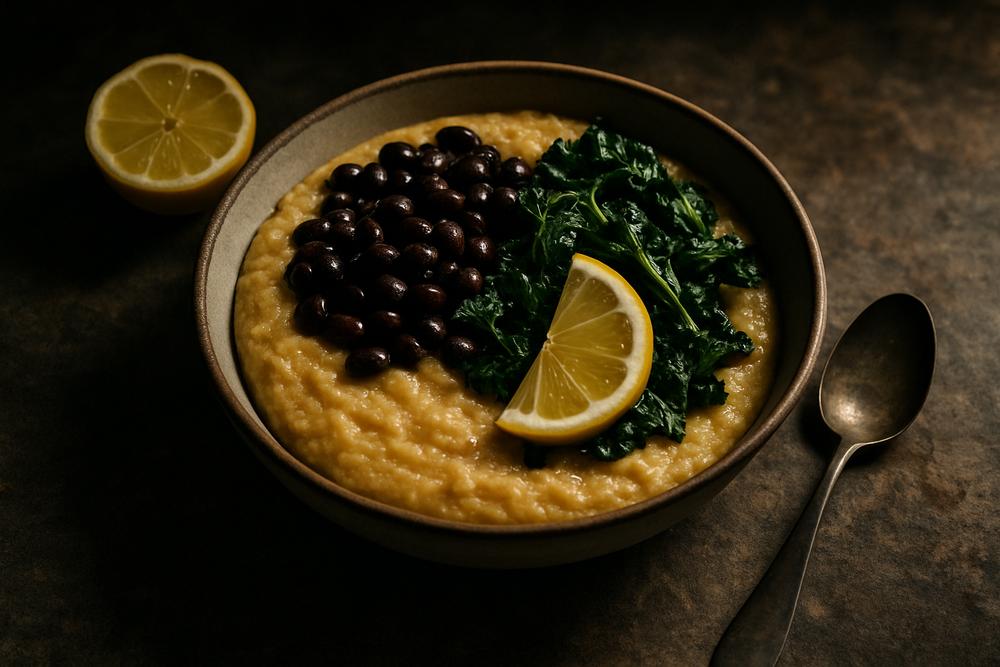
Grits · Photograph
Grits are one of the oldest foods in North American cuisine — a thick, creamy porridge made from ground corn (Zea mays), eaten from Indigenous tables long before European settlers arrived. Today they sit at an interesting crossroads: a budget-friendly, naturally gluten-free starch that can be either a genuinely nourishing whole-grain food or a relatively low-nutrient refined carbohydrate, depending almost entirely on how they are milled and what you put on top.
Key Nutrients
% Daily Value based on 2,000 cal diet
Key active compounds in corn grits
- Carotenoids (lutein and zeaxanthin) — Pigmented antioxidant compounds naturally present in yellow corn. They support eye health and contribute to the body's antioxidant defenses. Whole-grain yellow grits retain significantly more carotenoids than refined white or degermed grits.
- Phenolic acids (especially ferulic acid) — A class of polyphenols concentrated in the bran and germ of whole-grain corn. They act as antioxidants and are associated in broader whole-grain research with modest anti-inflammatory and cardiovascular benefits.
- Resistant starch — A portion of starch that passes through the small intestine undigested and is fermented by bacteria in the colon. Levels are low in freshly cooked grits but may increase slightly when cooked grits are cooled before eating. This can support gut bacteria and potentially blunt blood sugar spikes, though grits-specific data are limited.
- B vitamins (thiamin, niacin, folate) — Naturally present in whole-grain corn and added back through enrichment in most refined corn grits sold in the United States.
- Minerals (magnesium, phosphorus, zinc, iron) — Present in meaningful amounts in whole-grain corn; reduced in degermed/refined forms, partially restored by fortification.
Buying guide: what to look for on the label
Navigating the grits aisle is easier once you know what to look for.
- Whole grain first: Look for "whole grain corn" or "stone-ground whole grain" as the first ingredient. The Whole Grain Stamp from the Whole Grains Council is a reliable quick marker.
- Skip flavored packets: Instant flavored grits often contain added sodium, artificial flavors, and occasionally dairy. Plain is always the more versatile and controllable choice.
- Gluten-free certification: If you have celiac disease, look for a third-party gluten-free certification logo, not just "made from corn." Cross-contamination in shared milling facilities is a real risk.
- Enriched is not bad: If whole-grain grits are not available, enriched refined grits are a reasonable backup — you still get B vitamins and iron, just less fiber and fewer phytochemicals.
- Shelf life: Stone-ground grits contain the germ and its natural oils, so they go rancid faster than refined grits. Store in an airtight container in the refrigerator or freezer and use within 1–3 months of opening.
Common pairings: building a balanced grits bowl
Grits are a canvas — their mild flavor and creamy texture make them almost infinitely adaptable. Here are three practical pairings that add the nutrients grits lack on their own.
1. Grits + black beans + sautéed greens This is the classic plant-based power bowl. Beans add protein and soluble fiber that significantly lower the overall glycemic load of the meal and feed beneficial gut bacteria. Greens (kale, collards, spinach) contribute iron, calcium, folate, and antioxidants. A squeeze of lemon brightens everything.
2. Grits + roasted vegetables + nutritional yeast Roasted cherry tomatoes, peppers, zucchini, or mushrooms add volume, fiber, vitamins C and K, and umami depth. Nutritional yeast (a deactivated yeast used as a cheese substitute) contributes B12 in fortified versions, along with a savory, nutty flavor and a small boost of protein — all without dairy.
3. Grits + tofu scramble or tempeh crumbles Grits are low in protein. Adding pan-cooked crumbled tofu or tempeh brings complete amino acid coverage, making this a genuinely satisfying, satiating meal with enough staying power for a full morning or post-workout recovery. Season with smoked paprika and garlic for a satisfying, smoky savory profile.
How Grits Compares
| Compared with | What's different |
|---|---|
| Grits vs. Polenta | Polenta uses a coarser grind of flint corn, resulting in a firmer, toothsome texture. |
| Grits vs. Oatmeal | Oatmeal contains more fiber (4g vs 2g) and offers a nuttier, sweeter profile than corn-based grits. |
| Grits vs. Cream of Wheat | Cream of Wheat is made from ground wheat (contains gluten) and has a smoother, silkier consistency. |
Health Benefits
Things to Know
Celiac disease / gluten sensitivity: Corn itself is gluten-free, but cross-contamination during milling is possible. Choose certified gluten-free brands if you have celiac disease or non-celiac gluten sensitivity.
Diabetes and insulin resistance: Refined grits are high glycemic and can cause rapid blood sugar spikes. Prefer stone-ground whole-grain forms, watch portion sizes, and always pair with fiber- and protein-rich foods. Discuss serving sizes with your healthcare provider if you use insulin or oral blood-sugar medications.
Blood sugar medications: Starchy foods like grits affect post-meal blood glucose, which can interact with the dosing of insulin and oral hypoglycemic drugs. If you are significantly changing your grain intake, monitor closely and consult your provider.
Iron overload (hemochromatosis): Enriched grits contribute iron and folic acid. People with conditions requiring controlled iron intake should factor fortified grain products into their total daily iron tally.
Corn allergy: True IgE-mediated corn allergy is uncommon but does occur. If you have a confirmed corn allergy, all corn-derived products including grits must be avoided.
High-sodium preparation: Grits cooked in salted water, bouillon, or served with cheese and butter can carry significant sodium and saturated fat. People managing hypertension or cardiovascular disease should prepare grits with low-sodium plant-based broth or plain water and season with herbs and spices instead.
Calorie density: Large portions of grits are easy to eat quickly, especially refined instant versions that are very smooth. If you are managing calorie intake, measure portions and load the bowl with low-calorie-dense vegetables and legumes.
Shop This Ingredient
Stock your pantry with quality grits.
Buy on AmazonAs an Amazon Associate, Plantopedia earns from qualifying purchases. This costs you nothing extra and helps us keep the encyclopedia free.
Frequently Asked Questions
Direct clinical trials using grits as an intervention are essentially nonexistent. What we know about grits' health potential comes from the broader, well-developed research base on whole grains and corn. Here is what the evidence suggests when you choose the right form and build a balanced meal around them. Heart and circulation Large cohort studies and meta-analyses consistently show that higher whole-grain intake is linked to lower risk of cardiovascular disease and coronary heart disease. Whole-grain corn specifically contributes fiber and phytonutrients (carotenoids, phenolic acids) that may support healthy lipid profiles and vascular function. Stone-ground whole-grain grits, eaten as part of a generally plant-rich, whole-food diet, can contribute to that pattern. Refined instant grits are more neutral — they provide energy and some B vitamins but are unlikely to deliver the cardioprotective associations seen with whole grains. One important caveat: traditional grits recipes often include butter, cream, or generous amounts of cheese, which add saturated fat and sodium. If heart health is a priority, preparation method matters as much as the grain itself. Digestive health and microbiome Whole grains are a recognized contributor to dietary fiber intake, which supports bowel regularity, stool bulk, and a healthy gut microbiome. Whole-grain grits add to your daily fiber budget; refined grits add very little. For most people, grits work best as a base that carries other high-fiber foods — greens, beans, roasted vegetables — rather than as a primary fiber source in their own right. Blood sugar and metabolism No large human trials exist specifically on grits and glycemic control, but the picture from broader grain research is fairly clear: minimally processed whole grains are associated with a reduced risk of type 2 diabetes and better insulin sensitivity compared with refined grains. Refined grits are rapidly digested and can cause a quick rise in blood sugar. Coarser, stone-ground grits likely have a more moderate glycemic impact, and pairing any grits with fiber, protein, and healthy fat (beans, nuts, seeds, vegetables) significantly blunts the blood sugar response for most people. Portion size and meal composition are the key levers here. Inflammation and recovery Research on whole-grain dietary patterns suggests modest reductions in inflammatory markers such as C-reactive protein (CRP) when refined grains are replaced with whole grains. Corn's carotenoids and phenolic acids may contribute to this effect, but evidence remains mostly observational. Any anti-inflammatory potential of grits is plausibly tied to choosing whole-grain, minimally processed forms within an overall high-fiber, plant-rich diet — not to grits as a standalone functional food. Energy and practical utility This is arguably where grits shine most clearly. As a soft, easy-to-eat, calorie-dense, naturally gluten-free starch, grits are genuinely useful for people who need reliable energy without digestive stress — including athletes, older adults with reduced appetite, people recovering from illness, or anyone who simply needs a fast, affordable base meal. MyPlate and USDA guidelines count grains as a primary source of daily energy and B vitamins, with enrichment partially compensating for the losses that occur when refining removes the bran and germ.
| Feature | Stone-ground whole-grain | Quick / instant (enriched) | |---|---|---| | Fiber | Higher (2–3 g per cup cooked) | Lower (1 g per cup cooked) | | Phytochemicals | More carotenoids, phenolic acids | Fewer (lost in milling) | | Glycemic impact | Moderate | Higher | | B vitamins + iron | Naturally present | Added back via enrichment | | Cook time | 20–45 minutes | 1–5 minutes | | Texture | Coarser, more textural | Smooth, uniform | | WFPB fit | Best fit | Acceptable energy base | Bottom line on form: Stone-ground whole-grain grits are the better choice nutritionally, especially for blood sugar, fiber intake, and phytochemical content. Quick and instant grits are a perfectly reasonable convenience food and can still anchor a nutritious plant-based meal — just make sure the toppings carry the nutritional weight that the grain itself cannot.
There is no established specific dose for grits. Practical guidance draws from general dietary guidelines: Typical serving: 1 cup cooked grits (about ¼ cup dry) per meal is a standard serving and a reasonable starting point for most adults. Larger appetite or high energy needs: Up to 2 cups cooked (½ cup dry) per meal can fit within a balanced diet for people with higher caloric requirements — athletes, physically active individuals, or those recovering from illness. Total daily grains context: USDA dietary guidelines suggest most adults aim for 5–8 ounce-equivalents of grains per day, with at least half from whole grains. One cup of cooked grits counts as roughly
Quick Answers
Common questions, answered in a line.
Whole-grain yellow grits are a good source of carotenoids, specifically lutein and zeaxanthin, which support eye health. These pigmented antioxidant compounds are more concentrated in whole-grain varieties than in refined white or degermed grits.
To ensure grits are gluten-free, look for a third-party gluten-free certification logo on the packaging rather than just a "made from corn" label. Although corn is naturally gluten-free, there is a high risk of cross-contamination in shared milling facilities.
Stone-ground grits should be stored in an airtight container in the refrigerator or freezer and used within one to three months of opening. This is necessary because they contain the corn germ and its natural oils, which can go rancid faster than refined grits.
People with diabetes should choose stone-ground whole-grain grits, monitor portion sizes, and always pair them with fiber- and protein-rich foods to manage blood sugar. Refined grits are high-glycemic and can cause rapid blood sugar spikes, potentially affecting insulin or oral medication dosing.
You can make grits more nutritious by pairing them with black beans, sautéed greens, roasted vegetables, or plant-based proteins like tofu and tempeh. Adding these ingredients provides the protein, fiber, and vitamins that grits lack on their own, creating a more balanced meal.
Resistant starch is a type of fiber found in grits that passes undigested to the colon, where it feeds beneficial gut bacteria and may blunt blood sugar spikes. While levels are low in freshly cooked grits, they may increase slightly if the grits are cooled before being eaten.
Enriched grits are refined corn grits that have had B vitamins (thiamin, niacin, folate) and iron added back after processing. While they have less fiber and fewer phytochemicals than whole-grain versions, they serve as a reasonable backup for obtaining essential minerals and vitamins.
For Readers in the USA
Local context — sourcing, seasonality, and regional notes.
You can find grits in nearly every major US grocery chain like Kroger, Publix, and Walmart, usually located in the baking or breakfast cereal aisle. For high-quality stone-ground varieties, look for Southern regional brands like Anson Mills or Bob’s Red Mill, often stocked in the natural foods section or at local farmers markets.
While grits are a year-round pantry staple, they are culturally celebrated during the fall harvest and featured at major Southern food festivals like the World Grits Festival in St. George, South Carolina. Corn is harvested in late summer and early autumn across the "Corn Belt" and the South, which is when the freshest stone-ground products typically hit the market.
The FDA requires that all "enriched" corn grits sold in the United States be fortified with specific levels of thiamin, riboflavin, niacin, folic acid, and iron. This federal mandate was established to help prevent nutrient deficiencies, particularly in regions where corn products are a primary dietary staple.
In the United States, "hominy grits" are made from corn kernels that have undergone nixtamalization—soaking in an alkaline solution—whereas standard grits are simply ground dried corn. Nixtamalization, a process rooted in Indigenous American traditions, improves the bioavailability of niacin and gives the grits a distinct, slightly nutty flavor.
AI Clinical Review
- Clearly distinguishes stone‑ground whole‑grain grits from quick/instant (degermed) versions and explains why that matters for fiber, phytochemicals, and likely glycemic impact.
- Positions grits as an energy base that becomes more nutritious when paired with beans, greens, vegetables, and other protein/fiber sources—consistent with evidence on mixed‑meal glycemic control and satiety.
- Appropriately notes that grits‑specific clinical trials are scarce and draws cautiously from the broader whole‑grain and corn research.
- Accurately describes U.S. enrichment/fortification (B vitamins, iron) in refined grits and flags gluten‑free status with real‑world cross‑contact risks.
- There are few randomized controlled trials directly testing health outcomes of grits; most benefits are inferred from observational data on whole‑grain patterns and corn more generally.
- Precise differences in glycemic index/load between stone‑ground vs instant grits, and the impact of cooking/cooling on resistant starch, are not well standardized; individual glucose responses vary.
- The real‑world contribution of corn carotenoids and phenolic acids from a typical serving of grits to inflammation or lipid changes is uncertain and depends on corn variety (yellow vs white), milling, and storage.
- Portion guidance: about 1 cup cooked (~¼ cup dry) is a common serving; 1–2 cups cooked can fit for higher energy needs. Aim for at least half of daily grains as whole grains; stone‑ground whole‑grain grits best support that goal. Hominy (nixtamalized) grits are alkali‑treated and typically provide more calcium and available niacin but often less fiber—choose based on your priorities.
- Diabetes or insulin resistance: refined/instant grits can raise blood glucose quickly. Pair with protein/fiber and monitor post‑meal readings, especially if you use insulin or sulfonylureas; discuss notable diet changes with your clinician.
- Gluten considerations: corn is naturally gluten‑free, but cross‑contact during milling is possible—select certified gluten‑free brands if you have celiac disease. People with confirmed corn allergy should avoid grits entirely.
- Fortification matters: enriched refined grits add iron and folic acid. Those with iron overload (hemochromatosis) or taking prenatal/folate‑containing supplements should account for total intake. Traditional add‑ins (butter, cheese, salty broths) can drive saturated fat and sodium up—opt for herbs, spices, and unsalted liquids when needed for cardiometabolic goals.
For grain products, clarify whole-grain vs refined where relevant.
References
- PMC, National Library of Medicine — Starch degradation and nutrition value improvement in corn grits by solid state fermentation technique with Coriolus versicolor (pmc.ncbi.nlm.nih.gov)
- PubMed — Nutritional and sensory evaluation of nutritious porridge prepared using combinations of soy and sorghum grits (pubmed.ncbi.nlm.nih.gov)
- PMC, National Library of Medicine — Glycaemic response to quality protein maize grits (pmc.ncbi.nlm.nih.gov)
- USDA FoodData Central — USDA FoodData Central (fdc.nal.usda.gov)
Know Your Numbers
Eating healthy is a start. Now get to know your biomarkers.
Food changes bloodwork — inflammation, lipids, blood sugar and nutrient status all respond to what you eat. 59 markers from $59.
- Results in 7–10 days at 2,000+ Quest sites
- Licensed provider reviews every result
- One flat price, no membership, HSA/FSA eligible
Educational information only, not medical advice. Panels are ordered and reviewed through our licensed partner; Plantopedia may earn a commission.